
How Far in Advance Should I Send Wedding Invites? A Simple Guide for Future Newlyweds
Planning your wedding involves many details, and sending out wedding invitations is one of the most important tasks. Ideally, you should send wedding invitations six to eight weeks before the big day. This timeframe allows your guests enough time to adjust their schedules and respond to your invitation.
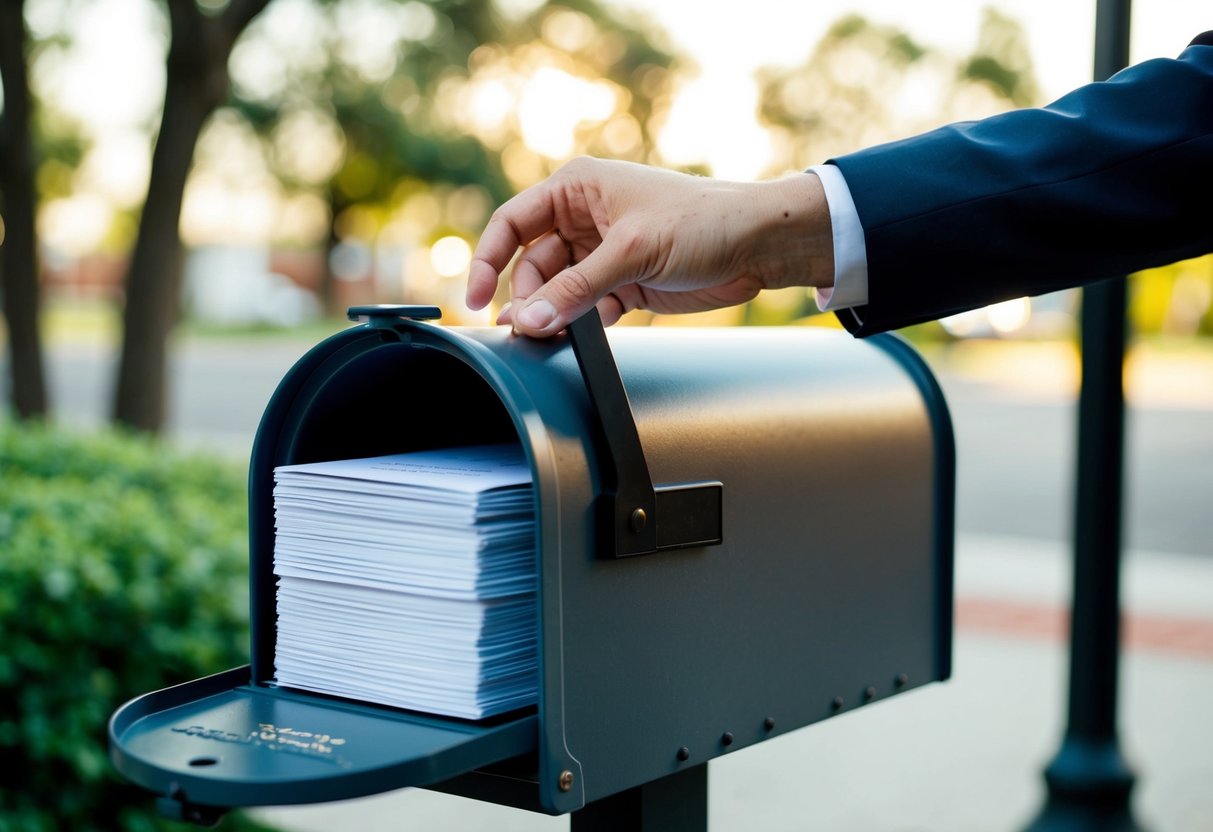
If you are planning a destination wedding, consider sending your invitations even earlier, around three months in advance. This helps guests make travel arrangements and find accommodations, ensuring they won’t miss your special day.
Understanding the wedding invitation timeline can ease some of the stress while planning. Being mindful of when to send wedding invitations can help you get the best turnout at your wedding and keep your guests informed and excited about your celebration.
Determining Your Timeline
Planning when to send your invitations can help ensure your guests have enough time to attend. It’s essential to understand the different types of invites and your deadlines for each step.
Save-The-Dates and Engagement Party Invitations
Save-the-dates are a wonderful way to let guests know about your wedding plans. They should ideally be sent out 6 to 12 months before your wedding, especially if you have guests traveling from afar. This gives them ample time to make travel arrangements and plan their visit.
If you’re hosting an engagement party, you can send those invites along with your save-the-dates. Ideally, send these out 6 to 8 weeks before the party. Keeping your guests informed early helps everyone to adjust their schedules and is appreciated.
Wedding Invitations and RSVPs
For your formal wedding invitations, aim to mail them 8 to 10 weeks before the big day. This time frame is perfect for local guests, as they can easily make plans to attend. If you are having a destination wedding, consider sending them 10 to 12 weeks in advance.
Make sure to include an RSVP deadline that is at least two to three weeks before your wedding date. This gives you time to finalize your plans, including seating and catering based on responses.
Final Headcount and Follow-Ups
The final headcount is a critical step in your planning. After receiving RSVPs, make sure to track who is attending. If guests have not responded by the deadline, reach out gently to check their status.
This check-in is helpful for managing your budget and making arrangements with vendors. Keep in mind that some guests may need a little reminder. A final count should be confirmed about one week before the wedding to ensure everything is set.
Etiquette and Wording
When planning your wedding invitations, it’s important to consider the etiquette and wording carefully. Doing so sets the right tone for your big day and helps your guests understand the details they need.
Invitation Etiquette
Start with the basics of wedding invitation etiquette. Your invitations should reflect the formality of your event. For a formal wedding, use traditional phrasing like “Request the honor of your presence.” For a casual celebration, a simple “You’re invited to celebrate” works well.
Make sure to include all essential details: the names of the couple, the date, time, and venue. If there’s a dress code, mention it clearly, such as “formal attire” or “casual dress.” This helps guests know how to prepare, making your day even more special.
RSVP Card Details
Adding an RSVP card is crucial. It allows you to keep track of who’s coming. Make it easy for your guests by providing a clear way to respond, whether it’s a traditional card or an online form.
Include a deadline for responses, ideally 3-4 weeks before the wedding. This gives you enough time to finalize your guest list. Be sure to ask about dietary preferences, so you can accommodate everyone’s needs. Adding a small note like “Please let us know if you plan to bring a plus one” also helps.
Additional Information for Guests
Consider including any additional information that may benefit your guests. This can cover accommodations if you have reserved blocks of rooms at nearby hotels. Share the hotel name, rates, and booking details.
Travel arrangements are also important, especially for destination weddings. Provide details about transportation options, such as shuttles or nearby airports. If there’s anything specific you want guests to know, like local attractions, feel free to add those as well. This shows your guests that you care about their experience.
Special Considerations for Destination Weddings
Planning a destination wedding comes with unique details to consider. You need to handle invitations and save-the-dates early, while also thinking about travel and accommodations for your guests. Here’s what you should keep in mind.
Sending Invitations and Save-the-Dates
For destination weddings, it’s important to send out invitations and save-the-dates well in advance. Aim to send save-the-dates 6 to 8 months before your wedding day. This gives your guests time to plan, especially if they need to make travel arrangements.
When sending formal invitations, do so 8 to 12 months ahead. This allows guests to arrange their time off work and book flights and hotels. Consider including a map or link to the wedding website with helpful details.
Make a clear list of those invited, especially international and out-of-town guests. This ensures everyone has a chance to prepare and join your special day.
Travel and Accommodation Details
Help your guests by providing travel and accommodation information with your invitations. Include any recommended hotels, nearby attractions, and essential travel tips.
Make a list of hotels that offer special rates for your guests. This can make their stay more affordable. Consider sharing information about different types of accommodations, like hotels, Airbnb, or local inns.
If your wedding is in a remote location, provide details on the best transportation options to the venue. Whether it’s booking airport shuttles or arranging car rentals, having this info handy will ease your guests’ travel worries. Assure them they can enjoy the experience stress-free!
After the Wedding
Once the wedding day is over, there are a few key tasks that become important. You’ll want to show appreciation to your guests and manage any aspects related to your wedding gifts.
Thank-You Notes
Sending thank-you notes is an essential way to express your gratitude to those who attended your wedding or sent gifts. Aim to send these notes within three months after the wedding.
Start with a personal message that mentions their specific gift or gesture. For example, if a friend gave you a beautiful vase, your note might say, “Thank you so much for the lovely vase. It brightens up our home!”
You can create a simple checklist to keep track of who to thank:
- Guest Name
- Gift Received
- Date Sent
Make sure to use high-quality stationery to add a personal touch. This effort shows that you value their thoughtfulness.
Wedding Registry and Vendors
After your wedding, you may want to finalize your wedding registry. Check the policies for returns or exchanges if you received gifts that you didn’t expect or if you want to exchange items. Many stores offer a specific period for returns, so act promptly.
Also, remember to follow up with your vendors. Thank them for their services and consider leaving reviews online. This feedback helps future couples make choices for their special day.
Contact your photographer, florist, or caterer to ask for photos or details you might need for thank-you notes or social media posts. Building a good relationship with vendors can also be beneficial for future events.