
How Far in Advance Should You Get to a Wedding? Timeline
For a full-size wedding, you should start planning 12 to 18 months before your wedding date so you have time to secure a venue and your preferred vendors. A smaller celebration with a flexible date can come together on a shorter timeline.

Start by talking with your partner about your budget, guest count, and ideal season. Those decisions help you set a realistic wedding planning timeline and make your engagement easier to enjoy.
How Much Time Should You Set Aside for Wedding Planning?
Set aside 12 to 18 months for a wedding with a larger guest list, a popular venue, or several vendors to coordinate. You can shorten that window when you keep your plans flexible and focus on the details that matter most to you.
Why 12 to 18 Months Works Well for Many Couples
A 12-to-18-month engagement gives you room to research venues, compare prices, and book vendors before their calendars fill. You also have more time to spread payments across the planning period and handle tasks such as dress fittings and guest travel.
Build your wedding planning timeline around the date you confirm with your venue. Start with the major decisions, then assign target dates to each task so you can track progress without doing everything at once.
If you want to compare common planning windows, consider how long before your wedding you should start planning.
When a Shorter Engagement Is Still Enough
A shorter engagement can work when you choose a smaller guest list, keep the event simple, and stay open to different dates or locations. A weekday celebration or an off-peak month can give you more venue options on short notice.
Prioritize the essentials first: confirm your budget, book a venue, and contact the vendors you care about most. Then choose details that fit the time you have.
If your timeline is especially tight, review the minimum amount of time to plan a wedding before setting a date.
What Should You Consider When Choosing a Wedding Date?
Choose a wedding date that fits your budget, your guests’ availability, and the conditions you want for your celebration. Your season and location affect venue options, travel plans, and the kind of day you can host.

A flexible date range gives you more choices when you begin contacting venues. Check meaningful dates with close family, review local events, and consider how the season affects weather and travel.
How Wedding Season Affects Availability
Peak wedding season brings strong demand for popular dates and venues. In many parts of the United States, late spring through fall is a busy period, with local weather shaping which months are most sought-after.
A winter or weekday date can open up more options and help your budget go further. Check for major holidays, festivals, and large events near your venue, since these can affect hotel prices and traffic, making it harder for guests to travel.
If you’re planning a destination wedding, give your guests extra time to arrange flights, time off, and lodging. For more ideas, use these tips on how to pick your wedding date.
Should You Choose a Date or Venue First?
Start with a short list of dates, then ask your preferred venues what they have available. Once you find a venue and date that fit your needs, you can confirm the booking and share the details with your vendors and guests.
If a particular venue is your top choice, let its availability guide your date. If a specific date is important to you, contact several venues and stay open to different settings.
Before you sign, review the contract, payment schedule, cancellation terms, and guest capacity.
When Should You Book Your Venue and Key Vendors?
Begin researching venues 12 to 18 months before your wedding, then book your venue as soon as you settle on a date and contract terms. A wedding planner and high-demand vendors deserve early attention too, especially if you have specific professionals in mind.
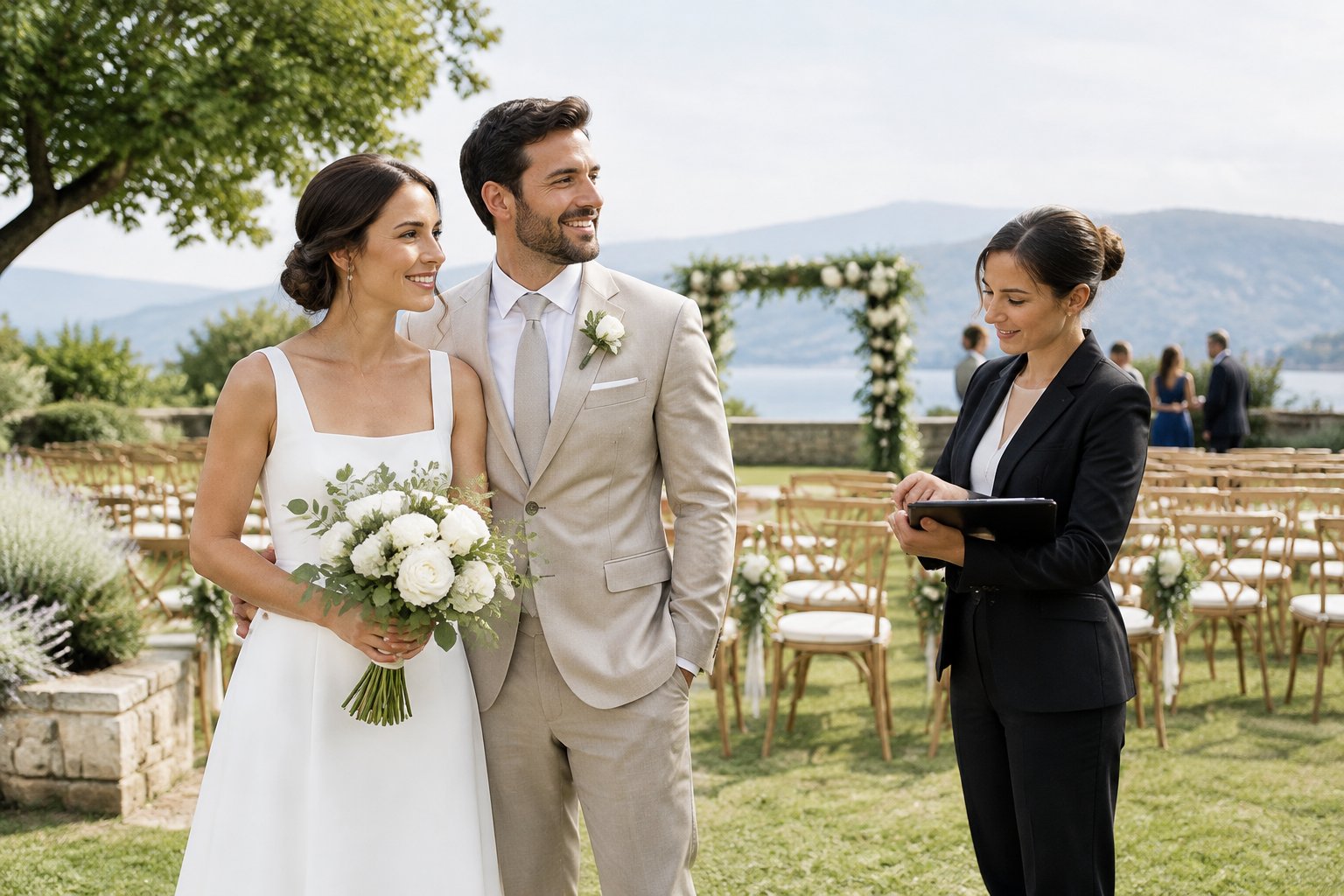
Your venue sets the date and shapes choices such as catering, décor, and guest capacity. After you confirm it, use your remaining planning time to book vendors in order of importance and availability.
How Early to Start Looking at Venues
Give yourself a month or two to research and tour wedding venues before you book. Start earlier if you’re seeking a popular location, a peak-season Saturday, or a destination property with limited dates.
Compare each venue’s capacity, rental hours, included services, and rules for outside vendors. Ask about setup and cleanup time, too, since those details affect your day-of schedule and costs.
Booking the venue gives you a confirmed date to use when you request vendor quotes.
When to Hire a Planner and Other Vendors
Hire a full-service wedding planner early if you want help with the venue search, budget, and vendor decisions. Once your date is set, contact your top choices for photography, catering, music, and floral arrangements.
A florist can advise you on seasonal flowers and design details after you know the venue’s style and layout. Keep a record of each vendor’s services, due dates, and payment terms.
A simple shared calendar or spreadsheet helps you track commitments and avoid missed deposits. If you’re deciding what to book first, use this wedding booking timeline to organize your priorities.
When Should You Send Save-the-Dates and Invitations?
Send save-the-dates about six to eight months before a local wedding, then mail invitations about six to eight weeks before the ceremony. Give guests more notice when they need to travel or arrange a longer stay.

Wait until your date and location are confirmed before sending save-the-dates. Your invitations can follow once you have the ceremony time, venue address, and other key details.
Save-the-Date Timing for Local and Destination Weddings
For a local celebration, send save-the-dates six to eight months ahead so guests can reserve the date and request time off. For a destination wedding or a date during a busy travel period, aim for eight to twelve months of notice.
Share your wedding website with the save-the-date if you have one. Guests can use it to check travel details as you add them.
Send cards only to people you plan to invite, since a save-the-date signals that they’re on your guest list.
Invitation Timing and Setting an RSVP Deadline
Mail local wedding invitations six to eight weeks before the event. For a destination celebration, send them around ten to twelve weeks ahead so guests have more time to confirm plans.
Include a clear RSVP deadline and a way to respond. Set your RSVP deadline about three to four weeks before the wedding.
That gives you time to follow up with guests and share your final count with the caterer and venue. For more planning guidance, review when to send save-the-dates and wedding invitations.
How Should You Pace the Budget, Attire, and Final Details?
Set your wedding budget before you make major bookings, then use the remaining months to arrange attire and meet payment deadlines. A written budget breakdown helps you see what you’ve committed to and what you have left for later choices.

Keep your spending plan in one place and update it whenever you sign a contract or pay a deposit. Include a reserve for unexpected costs so one change doesn’t disrupt the rest of your plans.
Set a Budget Before Booking
Agree on the total amount you can spend before you tour venues or hire vendors. Then divide that amount across major costs such as the venue, food, photography, attire, and décor.
Adjust your wedding budget breakdown to match your priorities and guest count. Ask each vendor for a written quote and note what the price includes.
Compare packages carefully, including taxes, service fees, delivery, and overtime charges. If one category costs more than you planned, decide which other expenses you’re comfortable changing before you book.
Allow Time for the Dress and Bridal Party
Start shopping for your wedding dress well before the ceremony, since ordering and alterations can take several months. Leave time for fittings, accessories, and any changes to your plans.
If your timeline is shorter, ask the shop about ready-to-wear options and alteration schedules before you buy. Share attire details with your bridal party early, especially if members need to order outfits or travel for fittings.
Give them clear guidance on color, style, and the date you need their choices confirmed.
Keep Deposits and Final Deadlines on Track
Record every deposit, balance, and due date as soon as you sign a contract. Add reminders to your calendar and keep copies of contracts, receipts, and vendor contact details together.
As the wedding approaches, confirm final counts, delivery times, and setup plans with your vendors. Review each vendor’s contract for deadlines, since payment and finalization dates can differ. Then make a short checklist for the final week, including attire pickup and any remaining payments.