
How Late is Too Late to Arrive at a Wedding? Tips for Timing Your Arrival
Arriving on time to a wedding is not just polite; it plays a crucial role in the flow of the entire event. Even a delay of five minutes can disrupt the carefully planned wedding day timeline. If you want to be a considerate guest and ensure the couple’s special day runs smoothly, understanding the importance of punctuality is essential.

When it comes to wedding etiquette, your presence should not only be felt but also be timely. Guests arriving late can cause delays for everyone involved, from the wedding party to fellow attendees. By planning to arrive before the ceremony starts, you help create a calming atmosphere and show respect for the couple’s big moment.
With so much effort put into making everything perfect, you want to be part of the celebration from the beginning. Ensure you know the start time and allow extra time for any unexpected delays. By respecting the schedule, you contribute to the joy of the day and make lasting memories together with the couple and all their loved ones.
Understanding Wedding Timelines
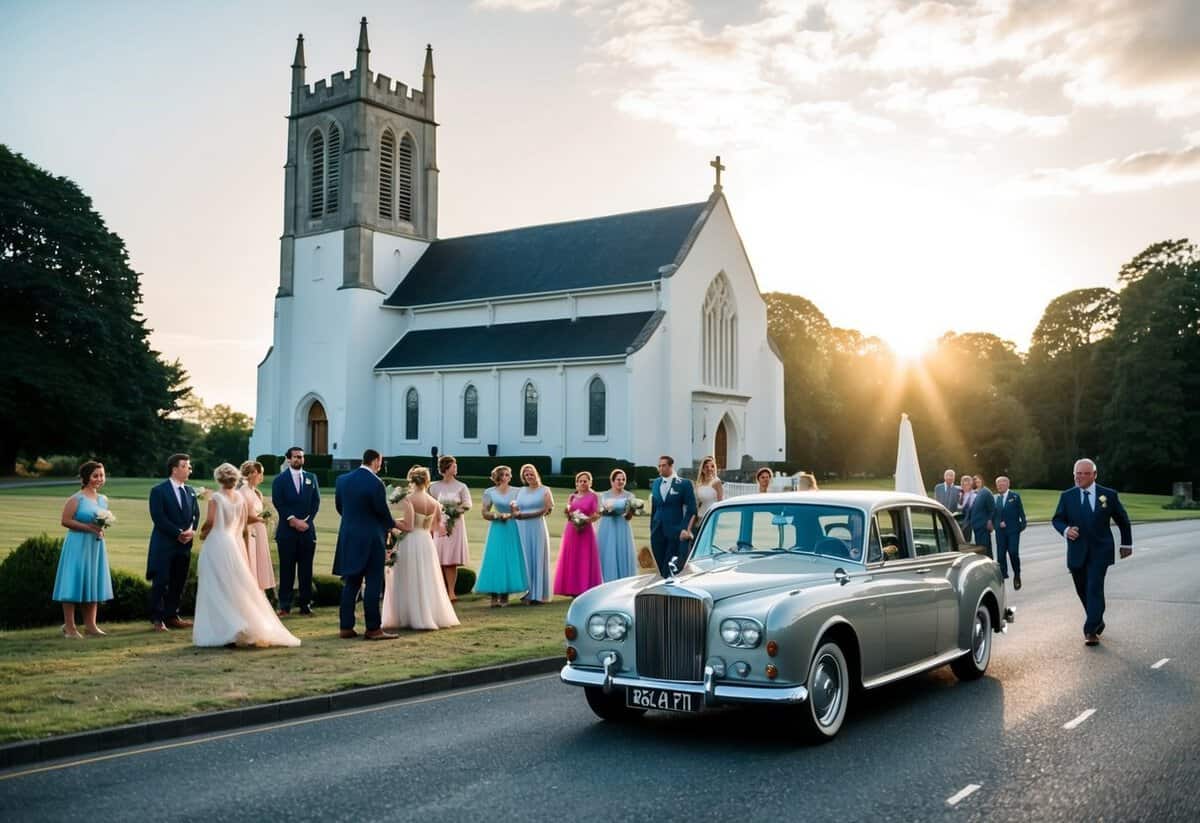
Weddings have specific timelines to help the day run smoothly. Knowing the importance of punctuality and the difference between ceremony and reception start times will help you navigate the day better.
Importance of Punctuality
Punctuality is crucial on a wedding day. Arriving on time ensures that you don’t disrupt the flow of events. Even being five minutes late can throw off the schedule.
Ceremonies often have a set start time, and guests are expected to be seated well before that. If you’re late, you might miss important moments, like the couple’s entrance.
Wedding planners recommend arriving early to allow time for any last-minute preparations, like checking in or finding your seat. A good rule of thumb is to arrive 15 to 30 minutes before the scheduled start.
Ceremony vs. Reception Start Times
There’s a difference between the ceremony and reception start times. The ceremony usually has a fixed start. Guests should arrive early to ensure they’re seated when it begins.
On the other hand, reception times can be more flexible. Sometimes, guests arrive after the couple has started their first dance or toast. This can be okay if the reception is casual.
Still, being on time for both events shows respect for the couple. Knowing the wedding day timeline helps you plan your arrival. Check the invitation for exact times so you can enjoy the day without stress.
Etiquette for Wedding Guests
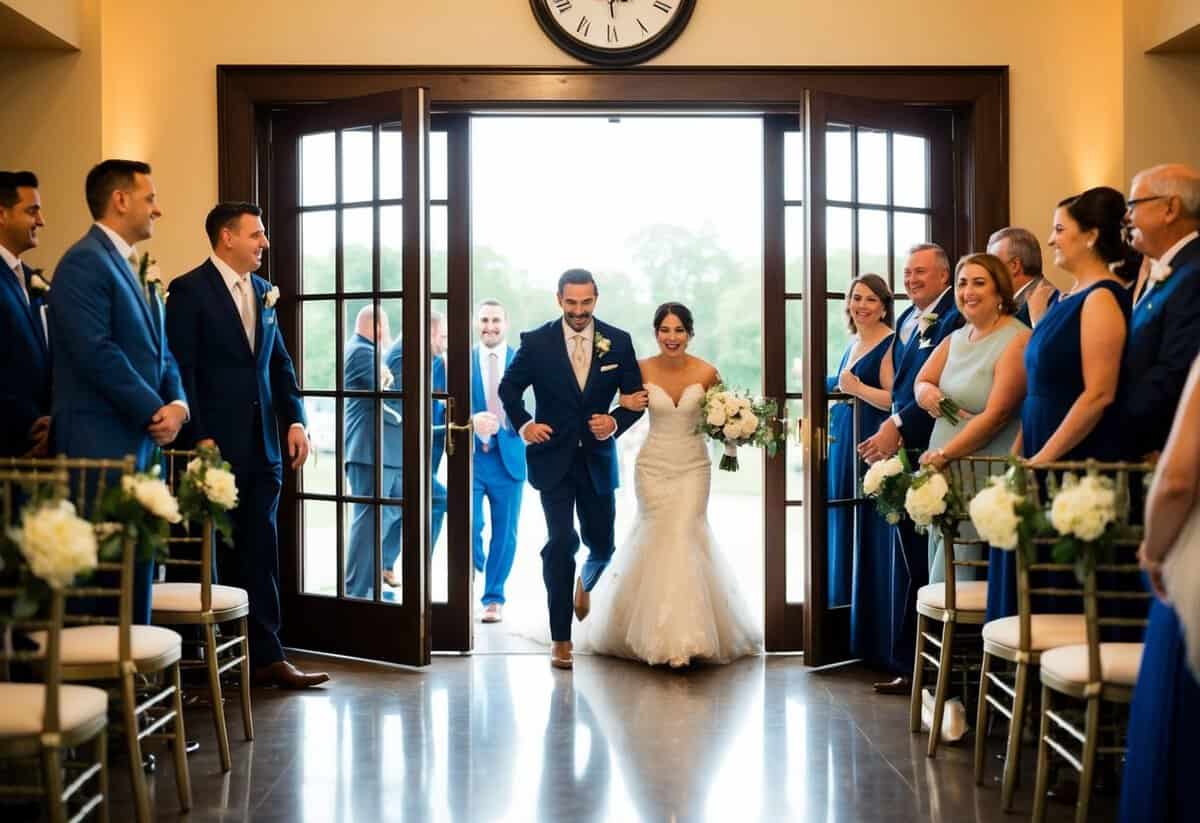
Being a good wedding guest means understanding and following some important etiquette. Your actions help make the day enjoyable for everyone involved. Here are key points to consider regarding your RSVP, arrival time, and handling unexpected delays.
RSVP and Arrival Commitments
When you receive a wedding invitation, check whether it includes an RSVP date. Responding promptly shows respect for the couple’s planning. This helps them finalize their guest list and arrangements. Be honest when you reply. If you say you’ll attend, make an effort to go.
Arriving on time is crucial. Aim to be there at least 15 minutes early. This gives you time to settle in and find a seat without causing a disruption. Remember, late arrivals can affect the ceremony and annoy other guests. Following these guidelines shows consideration for the couple and all attendees.
Tips for On-Time Arrival
To arrive on time, plan ahead. Check the venue’s location and traffic patterns. Leave early to account for possible delays.
Consider parking options and how long it might take to walk from your car to the venue.
If you’re traveling from out of town, familiarize yourself with the area beforehand. Look for nearby hotels if you’re staying overnight. Pack your essentials the night before to avoid last-minute stress.
Having a clear plan helps ensure you arrive ready to celebrate.
Handling Unforeseen Delays
Sometimes, things don’t go as planned. If you get caught in traffic or have a flat tire, stay calm.
Your first step is to assess your situation and let someone know you’re on your way. Use your phone to inform a friend at the wedding if possible.
If you arrive late, do your best to enter quietly and discreetly. Avoid interrupting the ceremony or drawing attention to yourself. Apologize to the couple later if you missed important parts. Remember, they want you there to celebrate, even if you face challenges getting there.
Cultural and Event-Specific Considerations
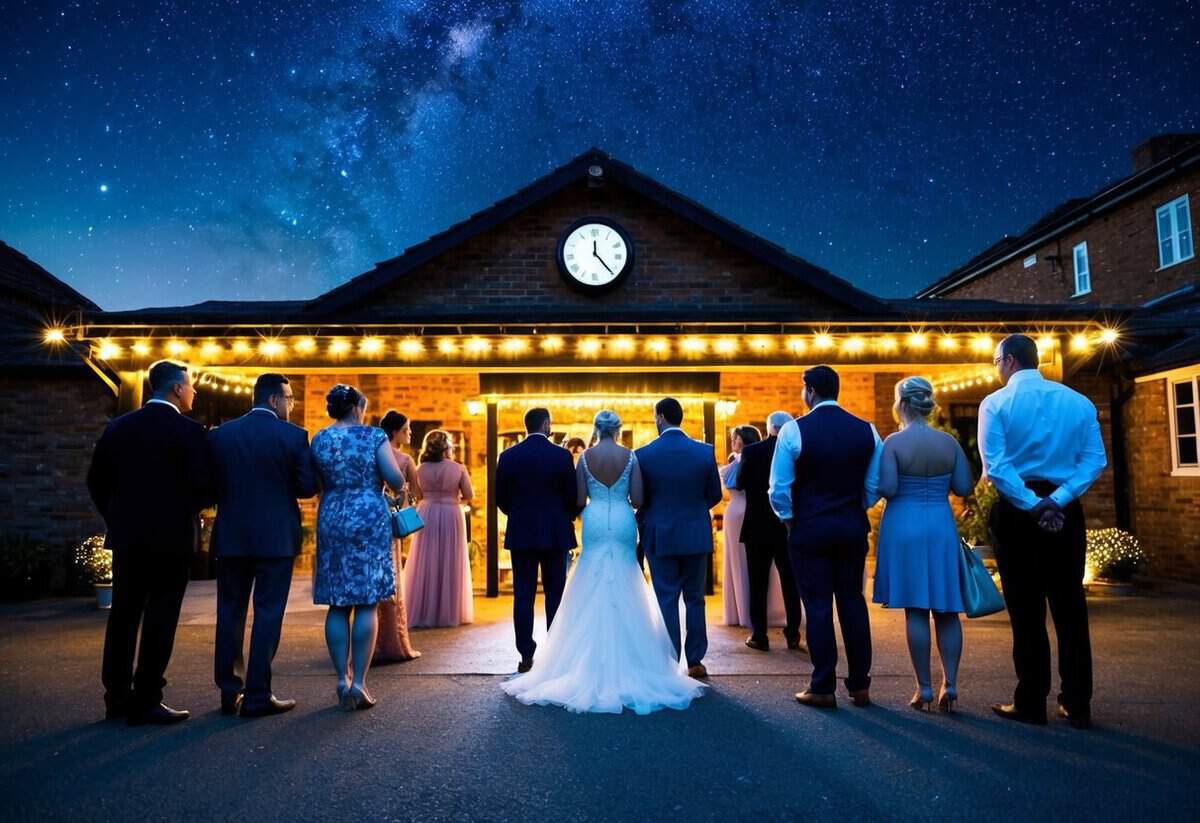
Understanding the cultural norms and the type of wedding can help you determine how late is too late to arrive. Different customs and the size of the event play important roles in timing.
International and Destination Weddings
When attending international or destination weddings, arriving late can be viewed very differently. Different cultures have varying attitudes toward punctuality. For instance, in some countries, being 30 minutes late is acceptable, while others may have strict timings.
For destination weddings, travel delays can impact arrival times. If you’re not familiar with the local customs, ask the couple or their family. This helps set clear expectations on arrival times, especially for outdoor ceremonies where timing can shift based on weather and light conditions.
Large-Scale vs. Intimate Weddings
The size of the wedding can also affect how late is too late. At large weddings, a more relaxed atmosphere might lead to guests arriving after the ceremony starts without much fuss.
However, in intimate gatherings, late arrivals can disrupt the flow and may even draw attention. For outdoor ceremonies, it’s often best to arrive early, as there may be unique elements to appreciate, such as scenery or decor.
Knowing these factors allows you to respect the couple’s wishes while also enjoying the event.
Practical Details for Attendees
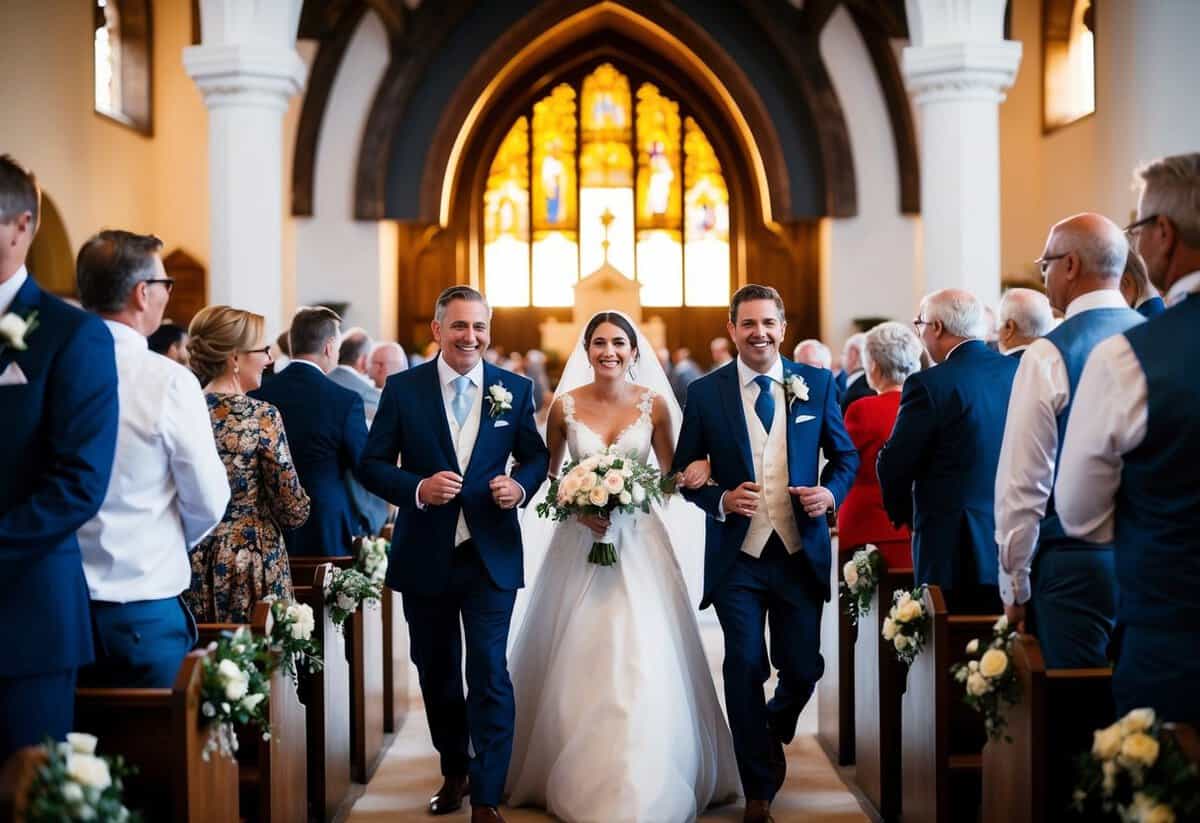
Getting to a wedding on time can require some planning. Consider the venue, parking, and dress code to ensure a smooth arrival. Being aware of these details will help you avoid any last-minute surprises.
Venue and Parking Logistics
Know the wedding venue’s location ahead of time. Check the address and plan your route. If possible, visit the venue before the big day to familiarize yourself with the area.
Next, consider parking. Some venues have limited parking, so arrive early to secure a good spot. You might want to aim to arrive about 30 minutes before the ceremony starts. This gives you time to find parking and walk to the venue without rushing. Consider carpooling with other guests if possible. It can ease parking pressure and make your trip enjoyable.
Expected Attire and Preparation Time
Understanding the dress code is essential. Weddings can range from casual to formal. Check the invitation for guidance on attire. If it says cocktail, a nice dress or dressy pants will do. If it’s formal, opt for a gown or suit.
Preparation time is equally important. Factor in time for getting ready, travel, and potential delays. Underestimating this can lead to arriving late. Aim to leave home early to avoid stress.
Once you arrive, take a moment to breathe, adjust your outfit, and enjoy the moment before heading inside.