
How Late Is Too Late to Cancel on a Wedding? Understanding Your Options and Responsibilities
Planning a wedding can be exciting, but sometimes things don’t go as planned. You might find yourself asking, how late is too late to cancel a wedding? The truth is, you can cancel a wedding at any time if you truly believe it’s the right choice for you. Many couples face this tough decision, and while it may feel overwhelming, you’re not alone in feeling this way.
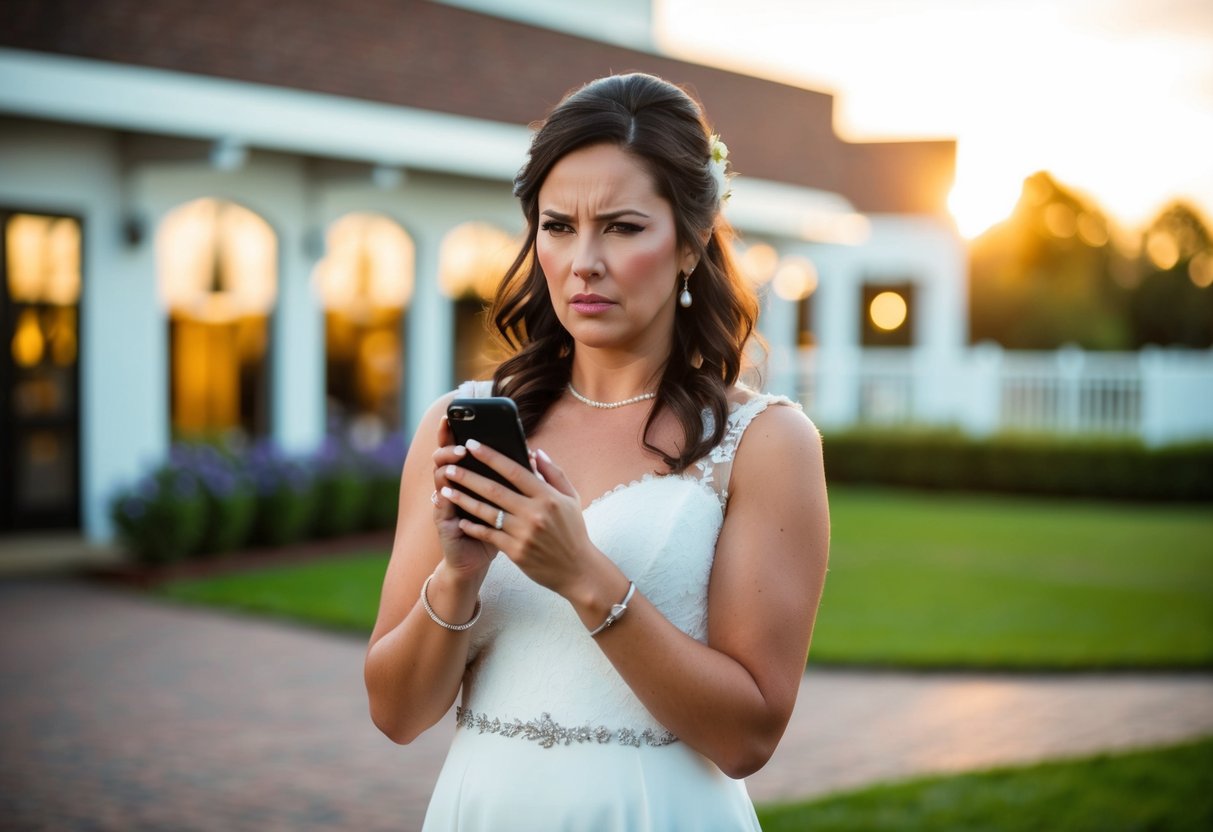
As you weigh your options, consider the impact on your guests and finances. You may have contracts with vendors that come with cancellation policies, which can add to the stress of the situation.
By knowing your rights and what to expect, you can navigate this delicate process more easily.
The decision may be hard, but prioritizing your happiness should always come first. Stick with us as we explore the different aspects of canceling a wedding, so you feel empowered to make the right decision for your future.
Understanding Wedding Cancellation

Cancelling a wedding is a significant choice that comes with various factors. You may face emotional struggles, practical considerations, and timing issues. Here’s a closer look at what you need to consider when faced with the decision to cancel your wedding.
Reasons for Cancellation
Several reasons can lead to the decision to cancel a wedding. Common factors include relationship issues, financial problems, or personal circumstances such as health concerns.
- Relationship Concerns: Sometimes, couples realize that they are not ready for marriage.
- Financial Issues: Unexpected expenses may make it hard to go through with the plans.
- Family Matters: Family deaths or serious illnesses can also influence your decision.
Each reason holds its weight and can weigh heavily on you as you think about this emotional decision.
Emotional Impact of Cancelling a Wedding
Cancelling a wedding can stir up many feelings. You may experience sadness, relief, guilt, or even a sense of freedom.
- Sadness: You might grieve the loss of what could have been.
- Relief: If issues were causing stress, letting go can sometimes feel like a weight lifted.
- Guilt: You may worry about disappointing friends or family.
Your emotional state plays a big role in how you handle the situation. It’s essential to allow yourself time to process these feelings and seek support from loved ones.
Timing of the Cancellation
Timing is critical when it comes to cancelling a wedding. The closer the cancellation is to the date, the more complicated it can become.
- Early Cancellation: You can notify guests and vendors easily, minimizing disruption.
- Last-Minute Cancellation: Cancelling just days or hours before can lead to significant disappointment for everyone involved.
Understanding when to cancel can help you navigate this challenging situation more gracefully, ensuring that your emotional needs and those of your guests are considered.
Communication and Notifications

When canceling your wedding, clear and timely communication is crucial. You want to ease the disappointment for everyone involved while also notifying them of the changes as soon as possible. Let’s look at how to communicate your decision and handle guest notifications.
How to Communicate Your Decision
The way you share the news matters a lot. Start with family and close friends. They’re likely to be the most supportive and can help you spread the word.
When you’ve notified your top circle, consider a personal phone call or a thoughtful text message to let other guests know.
Be honest and direct during your conversations. Express your feelings, clearly stating that the wedding won’t take place. Keeping a calm tone will make the situation easier for both you and the listener.
Always be prepared for questions, and, if possible, offer additional support or resources to help them cope with the situation.
Notifying Guests and Handling RSVPs
After sharing the news with close family and friends, it’s time to notify other guests.
Create a list of all those invited. It’s best to inform them as soon as possible. If your wedding is less than four weeks away, people may be too busy with their plans to respond immediately.
Send a formal message that clearly states the wedding is canceled. This could be through email or a group message.
Make sure to address RSVPs carefully. If some have already confirmed, kindly ask them to disregard their previous response. Offering a sincere apology for any inconvenience can also ease the disappointment of your guests.
Keeping your communication friendly will help everyone process the change more comfortably.
Financial and Logistical Considerations

Cancelling a wedding comes with important financial and logistical impacts. Understanding how these factors play a role can help you navigate the situation better.
Impact on Finances and Contracts
When you decide to cancel, it’s vital to review all signed contracts. Wedding venues and vendors often require deposits, which may or may not be refundable.
Here are key points to consider:
- Non-Refundable Deposits: Most contracts have non-refundable clauses. Read the fine print.
- Payment Timelines: Check if you need to make any upcoming payments.
- Financial Implications: Cancellations can lead to significant losses. You might lose money already spent.
Consider consulting with a financial advisor for tailored advice.
Dealing with Venues and Vendors
Once you announce the cancellation, communicate promptly with all vendors and the venue. Each vendor may have different policies regarding cancellations.
Important steps include:
- Notify All Parties: Inform everyone involved as soon as possible.
- Cancel Services: Make sure to cancel any services you won’t be using, including catering and photography.
- Document Everything: Keep records of all communications and cancellations.
This helps in case you need to negotiate refunds or changes to contracts.
Insurance and Refunds
If you purchased wedding insurance, check your policy. Insurance can cover some costs related to cancellations.
Take these steps for refunds:
- Review Your Policy: Insurance policies may cover venue cancellations or vendor non-fulfillment.
- Submit Claims: If applicable, file claims as soon as you cancel.
- Return Gifts and Cancel Travel Plans: If you’ve received gifts, check with guests about returning them. Also, cancel any travel plans associated with the wedding.
Being proactive can help reduce your financial losses during this difficult time.
Alternative Options

If you find that canceling your wedding is the best choice, there are other paths you can consider. These alternatives may help you navigate this transition with less stress.
Considering Elopement
Elopement is a popular choice for couples looking to simplify their wedding plans. Instead of a large wedding, you can choose to get married in a small, intimate setting.
This option allows you to focus on what truly matters—the love between you and your partner.
You can select a meaningful location, whether it’s a beach, a quiet park, or even your backyard. With fewer guests, you can avoid the wedding planning stress that comes with larger events.
You’ll still get to wear your beautiful wedding dress and exchange engagement rings, creating a memorable experience without the fuss.
Postponement vs. Cancellation
Deciding between postponement and cancellation can be tough. If you think that you might want to have a wedding later, consider postponing instead of canceling. This way, you can reschedule your date without losing all your plans.
Postponing gives you more time to adjust any details and reduce stress. You might even see it as an opportunity to make changes to your original plans, like a different venue or guest list.
On the other hand, if you feel that a wedding is no longer what you want, cancellation might be the right choice. Just be sure to communicate with your vendors and take care of canceling any arrangements you’ve made.