
How Late Is Too Late to Invite Someone to Your Wedding? Understanding Timing and Etiquette
Planning a wedding is exciting, but timing can be tricky, especially when it comes to invitations. You might wonder how late is too late to invite someone to your wedding.
Generally, you should send invitations at least six to eight weeks before the big day to give your guests enough time to plan and respond.

Sending invitations late can lead to awkwardness and fewer guests at your celebration. You want to ensure that everyone you care about can be part of your special day. Knowing the right timeframe can help you avoid common wedding planning pitfalls and maintain good etiquette.
As you navigate through your wedding preparations, keep in mind that everyone has busy lives. The earlier you can send those invitations, the better your chances are of having your loved ones celebrate with you.
Understanding Wedding Invitation Etiquette
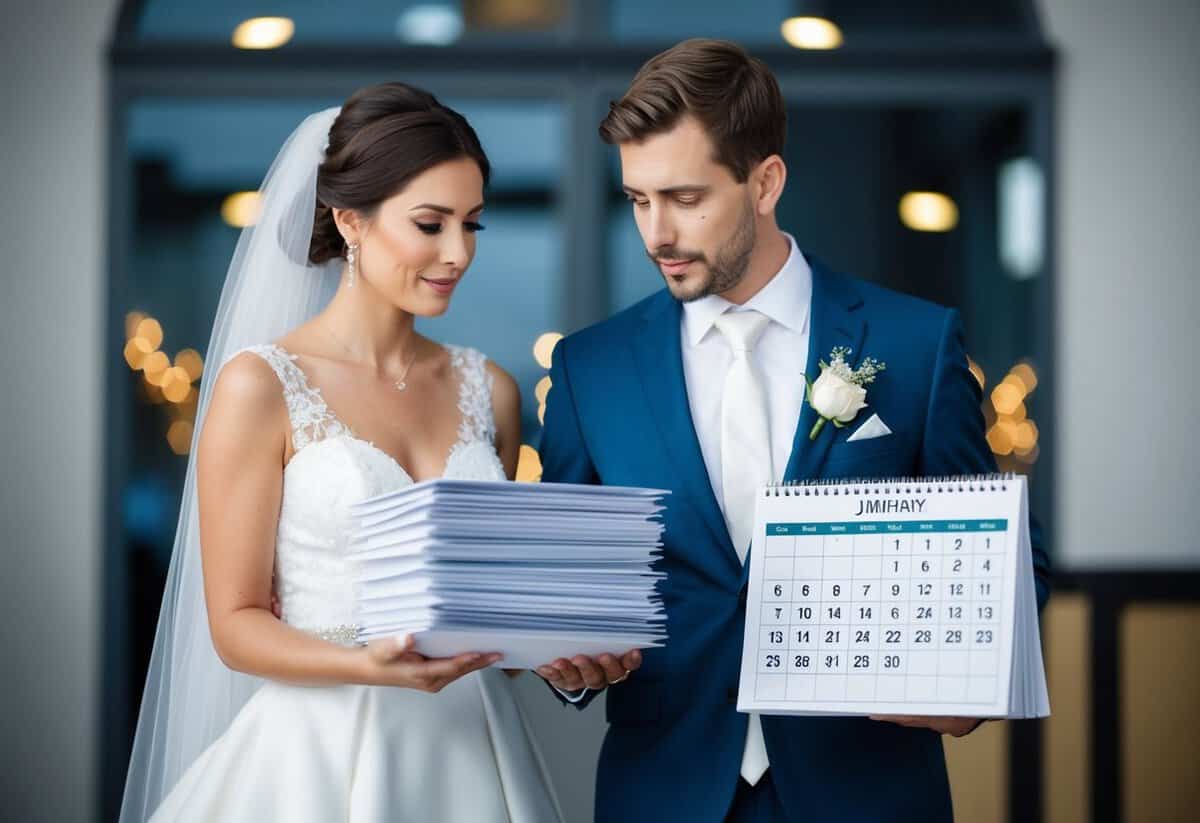
Wedding invitation etiquette is important to ensure that your guests feel informed and respected. Timing and proper communication can make a big difference in the planning of your big day.
Timeline for Sending Invitations
You should aim to send out your wedding invitations six to eight weeks before the wedding date. This timeframe gives your guests enough time to adjust their schedules and make travel plans if necessary. Sending them too late can lead to stress for both you and your guests.
If you have a destination wedding or a large number of out-of-town guests, sending invitations three months in advance is a good idea. This allows for travel arrangements and accommodations. Don’t forget to include an RSVP date, typically two to three weeks before the wedding, so you can finalize your guest list.
The Role of Save-the-Dates
Save-the-dates act as a heads-up for your guests. You should send these out six to eight months before the wedding. This is especially helpful for guests who need to plan travel or take time off work.
Including crucial details like the wedding date and location can help people mark their calendars early. Save-the-dates are particularly useful if your wedding occurs during a busy season or if many guests are traveling from afar. Remember, they are not a substitute for formal invitations, which still need to be sent out as per the timeline mentioned above.
Managing Late Wedding Invitations
Sending late wedding invitations can feel stressful, but you can navigate this situation smoothly with the right approach. Understanding the circumstances for late invitations and creating a B-list strategy can help you make the most of the situation.
Circumstances for Late Invitations
Sometimes plans change, and you may find yourself needing to send out late invitations. Common reasons include unexpected venue changes, budget adjustments, or last-minute guest list decisions.
If you realize it’s too late to send traditional invitations, consider alternative methods. Email or text messages can work well for last-minute wedding invitations. Just keep your guests informed; a quick message goes a long way.
Remember to apologize for the short notice when you reach out. A sincere tone shows you value their presence and understand the inconvenience. This can ease any tension surrounding logistics.
Creating a B-List Strategy
A B-list strategy is useful for managing late invitations effectively. This approach involves compiling a second list of potential guests you want to invite, should space or budget allow.
When planning your B-list, consider inviting those closest to you—friends or family who may appreciate the chance to attend. Aim to send these invitations only if you have not filled your primary list.
Make sure these invitations go out as soon as possible, ideally at least a month before your wedding day. This allows guests to adjust their plans. Clear communication is important. Let them know they are a wonderful addition, making your day even more special.
Addressing Destination and Last-Minute Weddings
Planning a wedding can come with unique challenges, especially for destination weddings and last-minute invites. Understanding how to navigate these situations is essential for ensuring your special day goes smoothly.
Specifics for Destination Weddings
For a destination wedding, timing is crucial. You should send out your wedding invitations at least 8 to 10 weeks in advance. This allows guests enough time to arrange travel and accommodations.
Consider sending save-the-dates even earlier, around 6 months prior, to give your guests a heads-up. Make sure your invitations are clear about the location and date.
Personal messages can make a difference. When inviting friends, explain why you chose that destination. This can help them feel special and more inclined to attend.
Handling a Quick Turnaround
Sometimes, you might face a situation where you need to invite guests at the last minute. This can be tricky, but it’s doable.
For last-minute invites, choose personal methods of communication. A phone call or text is often better than a mass email. This shows that you value their presence.
Keep your invites warm and friendly. Just say, “I’d love for you to celebrate with us, even if it’s last minute.”
If you’re adding guests who weren’t on the original list, be mindful. Some may feel overlooked, so a simple explanation can help ease any feelings.
Extending Invitations Digitally

In today’s digital age, inviting guests to your wedding can be done efficiently and effectively online. Digital methods allow you to reach out quickly and keep everyone informed about the big day.
Utilizing Wedding Websites
Creating a wedding website is a great way to share details with your guests. You can include everything from your love story to the event schedule. Most importantly, add a section for RSVPs so you can track who is attending.
These websites allow you to share information about accommodations, gift registries, and any changes in plans. A wedding website acts as a central hub for your guests, making it easy for them to find everything they need. Plus, it showcases your personality as a couple!
Digital Invitations and RSVPs
Digital invitations are a modern alternative to traditional paper invites. You can send e-invites through email or social media.
Websites like Paperless Post or Evite offer elegant designs for you to choose from.
Make sure your digital invite clearly states the date, time, and location of your wedding. Include an RSVP link for guests to respond easily.
This saves time and fits wedding guest etiquette by streamlining the process. If you have a wedding planner, they can help you with this digital transition to ensure everything is coordinated well.