
How Late Is Too Late to Start a Wedding? Timing Tips for Your Big Day
Planning a wedding involves many details, and one important aspect is the ceremony start time. Choosing when to begin can set the tone for the entire day.
Generally, the latest recommended time for a wedding ceremony is around 6 p.m., especially for evening weddings, to ensure a pleasant experience for you and your guests.
If you’re considering a later start, think about factors like sunset and how it affects your wedding timeline. An earlier ceremony means better lighting for photos and more time for your cocktail hour and reception.
You want to create a smooth flow from your ceremony to celebrations, allowing everyone to relax and enjoy themselves.
Arriving late can also be a concern. Guests expect the ceremony to start on time, and waiting too long can make things uncomfortable. It’s best to give your guests a clear idea of when things will kick off so everyone can celebrate together.
Determining the Ideal Wedding Timeline
Creating the right wedding timeline is essential for a smooth ceremony. Your ceremony start time and how you coordinate with your wedding planner are both critical elements that can affect your big day.
Setting Your Ceremony Start Time
Choosing when to start your ceremony is key. Most evening weddings begin around 5:00 PM to 6:00 PM. This timing allows for beautiful lighting for photographs and keeps guest comfort in mind.
Consider your venue’s sunset time. You want to plan the ceremony at least an hour before sunset. This gives you enough light for both the ceremony and early photos.
Think about guest travel time as well. If your venue is far, a slightly earlier start may be better. This can help guests avoid rushing and enjoy the day more.
Additionally, factor in other events like cocktail hours and receptions. A well-crafted timeline can minimize stress and enhance everyone’s experience.
Coordinating With Your Wedding Planner
Your wedding planner is an essential partner in creating your timeline. They help ensure everything runs smoothly and on time. Share your vision so they can provide tailored advice.
Communicate your ceremony start time with them early on. They can then plan vendor arrivals, setup, and rehearsals accordingly. If you are working with a photographer, confirm their schedule for capturing key moments.
Ask your planner about potential pitfalls in timing. They often have insights on how to avoid delays or chaos on your big day.
Invitations and Guest Information
Giving your guests clear information about your wedding is essential. Properly timed save-the-dates and invitations help ensure everyone knows the details and can plan accordingly. Effective communication can set the tone for your special day and reduce any stress related to travel and accommodation.
The Role of Save-the-Dates and Invitations
Save-the-dates are a thoughtful way to inform guests about your wedding date ahead of formal invitations. They should be sent out at least six months before the wedding. This allows guests to mark their calendars and begin making travel arrangements.
Your wedding invitation should follow, ideally sent out 8-10 weeks before the event. It should include details like the location, time, and any specific dress codes. Don’t forget to include an RSVP with a deadline for guests to respond.
Communicating Expected Arrival Times
When you send out invitations, it’s a good idea to mention when guests should arrive. This is especially important for weddings that have specific ceremonies, especially if you want guests seated before the program begins.
Consider adding notes like:
- Ceremony starts at 4 PM; guests should arrive by 3:30 PM.
- If there are multiple events (like a reception), provide separate times for each.
Clear instructions will help ensure your wedding day runs smoothly and that all your loved ones can celebrate with you right on time.
Types of Ceremonies and Their Timing
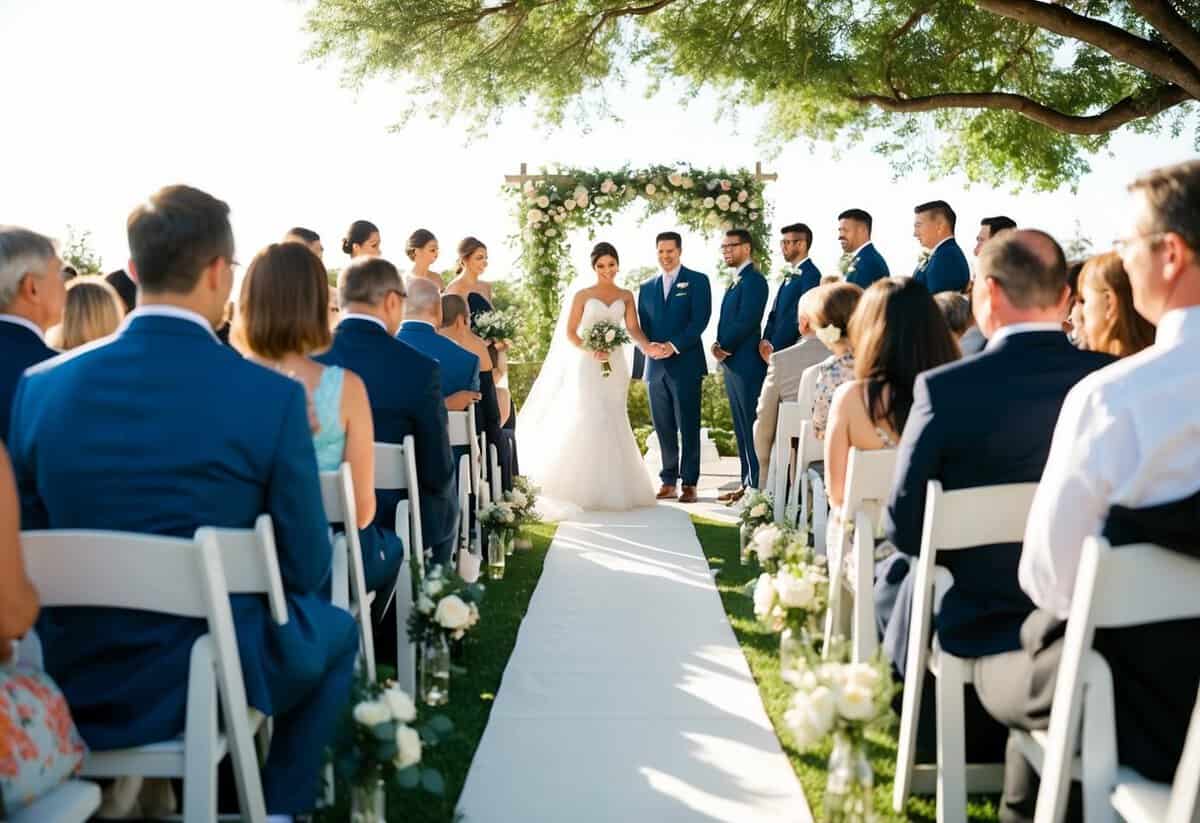
The timing of your wedding ceremony can vary greatly based on the type of ceremony you choose. Understanding the specifics of religious versus civil ceremonies, the differences between afternoon and evening weddings, and the unique aspects of destination weddings can help ensure everything flows smoothly.
The Dynamics of Religious and Civil Ceremonies
When planning your ceremony, consider the type of service you’re hosting. Religious ceremonies often have set times based on various traditions. Many prefer daytime weddings, usually starting between 1 PM and 3 PM. These times fit well within typical worship schedules.
Civil ceremonies, on the other hand, provide more flexibility with timing. You can choose a start time that works best for you and your guests. Keep in mind that venues may have restrictions or suggested times based on their schedules.
Afternoon vs Evening Weddings
Many couples gravitate towards afternoon weddings, typically starting between 1 PM and 3 PM. This time allows for natural light, which is great for photography. It also gives guests the opportunity to celebrate throughout the day, leading into an evening reception.
Evening weddings offer a romantic atmosphere but should usually start no later than 6 PM. This timing helps avoid inconvenience for guests. Too late may lead to a rushed experience, especially as sunset approaches. Consider your venue and guest experience carefully when selecting your time.
Destination Wedding Considerations
Destination weddings often require additional planning regarding timing. Think about travel and logistics. When setting your start time, consider the arrival of guests traveling from different locations.
Often, couples may opt for a later ceremony to accommodate travel. However, aim for a time that allows for enough daylight, especially if you’re planning an outdoor wedding. Balance the excitement of a destination wedding with the practical details of timing to ensure everyone enjoys the celebration.
Guest Experience and Etiquette
Arriving on time for a wedding is vital for a smooth guest experience. It ensures you don’t miss important moments while also respecting the couple’s plans. Timeliness also involves understanding the flow of events and being courteous during the celebration.
Importance of Arriving On Time
When you arrive on time, you show respect for the couple and their special day. Most ceremonies start promptly at the designated time. Arriving 15-30 minutes early is ideal to find your seat and settle in.
Being late can disrupt the flow of the ceremony. Wedding professionals, like the officiant and musicians, depend on everyone being present. Make sure to plan your travel ahead of time. Consider traffic and parking options.
Navigating Cocktail Hour and Wedding Activities
After the ceremony, cocktail hour often begins. This is a great time to socialize, enjoy refreshments, and take part in photo opportunities. It’s important to arrive on time to fully experience this social gathering.
During the reception, there may be planned activities like toasts, dances, or games. Missing these can make you feel out of the loop.
To make the most of your time, check with the couple or their wedding planner about the schedule. This way, you can engage fully in the celebration.
Understanding Wedding Gift Etiquette
If you can’t attend a wedding, you should still send a gift. Sending the gift within a year of the event is customary, but sooner is better. A thoughtful gift shows appreciation for being included in their lives.
Gifts can vary, but they typically align with the couple’s registry. It’s wise to check their list. Even if you’re late to the event, a gift reflects your good wishes. Always include a card expressing your joy for their union, as personal touches make gifts special.