
How Late is Too Late to Start a Wedding? Tips for Planning Your Big Day on a Tight Timeline
Choosing the right time to start your wedding ceremony can set the tone for your entire day. A good rule of thumb is to schedule your ceremony no later than 6 p.m., which allows for ample time for your wedding day timeline to flow smoothly.
Starting too late might rush your plans and affect your guests’ experience, especially if they have to travel.
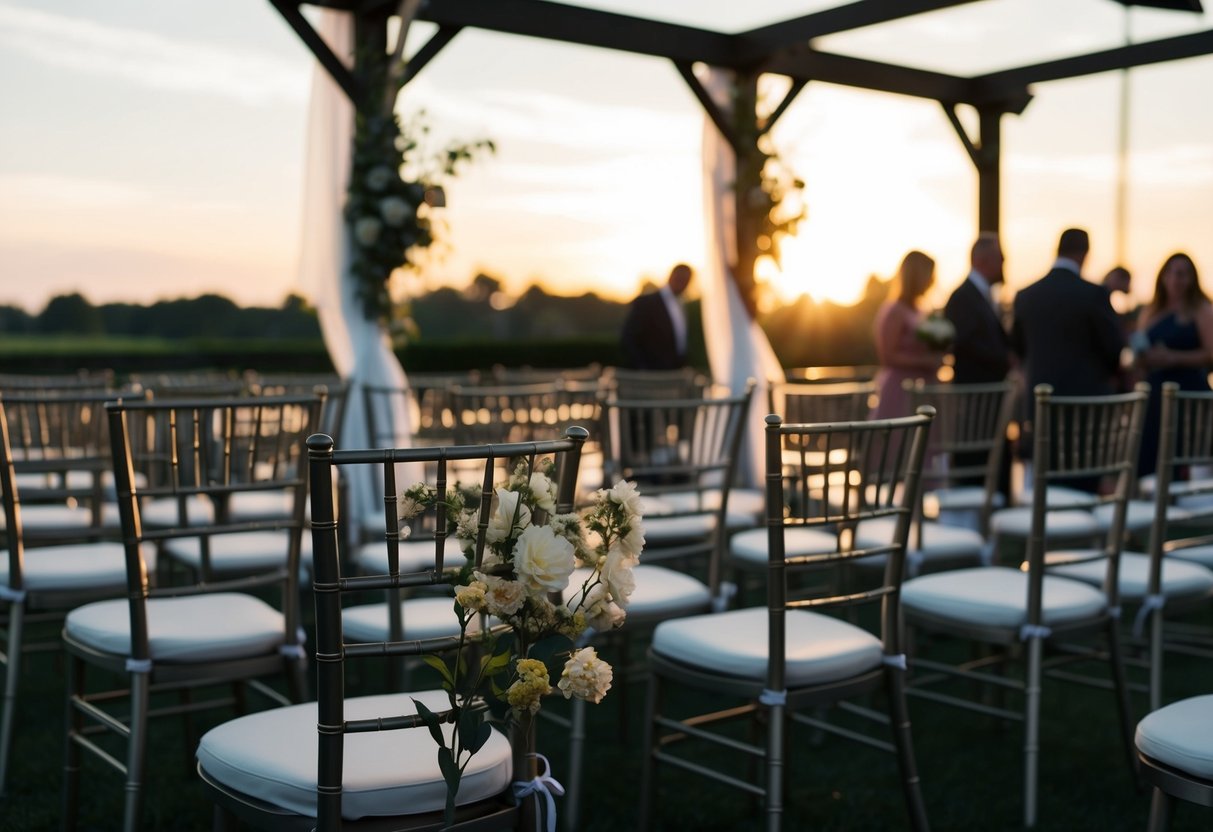
As you plan your wedding, think about how the start time will influence everything from the flow of events to the lighting for your photos. It’s essential to find a balance that works for you and your guests.
Early evening ceremonies often offer a beautiful backdrop while still providing enough time for a fun reception afterward.
Understanding the ideal ceremony start time helps avoid common pitfalls. Whether you’re dreaming of a sunset backdrop or planning a late-night celebration, keeping this timing in check will allow you to enjoy every moment of your special day.
Determining Your Wedding Timeline
Creating a wedding timeline is essential for ensuring a smooth and enjoyable day. A well-structured timeline helps you coordinate the ceremony, reception, and all the activities in between.
Here’s what to consider for your special day.
Selecting the Ceremony Start Time
Choosing the right ceremony start time is crucial. For afternoon weddings, a start time between 3 PM and 5 PM usually works well. Evening weddings often begin around 5 PM or 6 PM. Remember, the sun sets earlier in fall and winter.
Consider your venue and how much natural light you want during the ceremony. Photographers often recommend starting 1.5 to 2 hours before sunset for optimal lighting. This can help capture beautiful moments without harsh shadows.
Considering the Type of Ceremony
Your ceremony type also influences the start time. A traditional church wedding might follow a specific schedule, while a relaxed outdoor ceremony could allow for greater flexibility.
If you have a longer ceremony, factor in extra time for guests to mingle afterward.
For a wedding that involves cultural or religious rites, understand how long these may take. Planning for this will prevent any rushed feelings.
Knowing your ceremony’s unique elements can lead you to a start time that feels just right.
Balancing the Day’s Activities
Your wedding day includes various activities beyond the ceremony. Hair and makeup can take several hours, so plan accordingly.
It’s wise to start preparations early, perhaps by 10 AM for an afternoon ceremony.
Create a timeline that includes moments like the first look, family photos, and travel time. Share this schedule with your wedding party to ensure everyone is on the same page.
Flexibility is key; allow some room in your timeline for unexpected delays to keep the day enjoyable.
Etiquette and Expectations
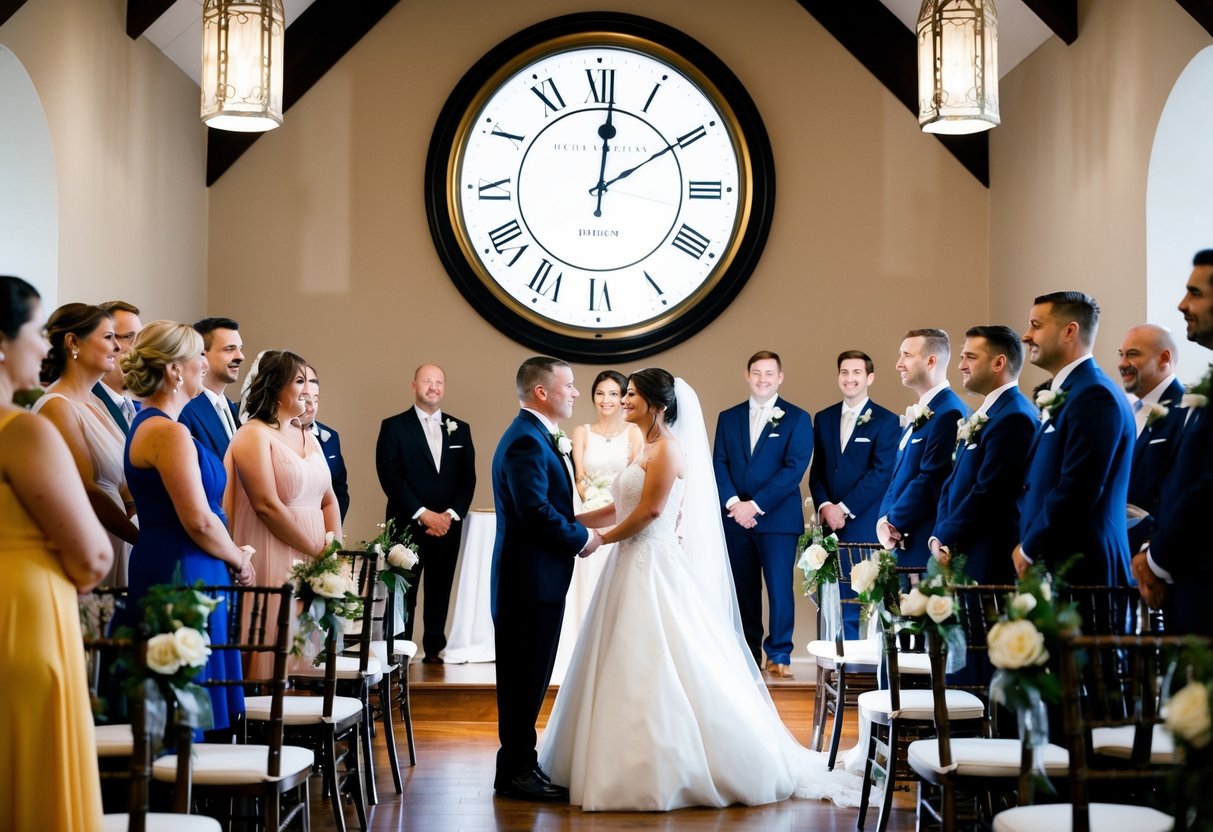
Understanding etiquette and expectations around wedding timing is crucial for a smooth event. You want to ensure your guests feel comfortable and respected. Timing affects not just the flow of the day but also your guests’ experiences from arrival to the ceremony itself.
Guest Experience and Arrival Times
Your guests expect to arrive on time for your ceremony. Late arrivals can disrupt the service and impact others’ experience.
It’s common courtesy for guests to arrive at least 15 minutes early.
Tip: If your ceremony starts at 4 p.m., consider stating 3:45 p.m. on the invitation to ensure guests are punctual.
Also, think about parking and travel time. If some guests are coming from far away, clear instructions can help prevent delays.
Make sure guests know about any road closures or construction that could make getting to your wedding harder. Doing this shows thoughtfulness and consideration.
Save-the-Date and RSVP Considerations
When sending out your save-the-date cards, it’s important to mention the ceremony time clearly. This helps guests plan their travel and accommodations well in advance.
In your RSVP, encourage guests to respond promptly. This helps you finalize your headcount and arrangements on time.
Consider offering multiple ways to RSVP, like online or by mail. This can make it easier for everyone.
Prompt responses help ensure you can start your ceremony at the intended time, keeping the day on track.
Cultural and Religious Ceremony Norms
Different cultures and religions have various norms regarding wedding timings. For example, some ceremonies may start as soon as guests arrive, while others may have specific timing rules related to beliefs.
If you are planning a religious or civil ceremony, research any relevant traditions. Discuss this with your officiant.
Make sure your guests are aware of these practices, especially if they influence timing.
Communicating these details through invitations or your wedding website can help set clear expectations. When everyone understands the schedule, they can participate in your special day with fewer surprises.
Communication with Guests

Clear communication with your guests is essential for a smooth wedding experience. Providing detailed information about the wedding will help ensure that everyone arrives on time and is prepared for your special day.
Wedding Invitations and Information
Sending your wedding invitations well in advance is important. This gives guests time to save the date and plan their attendance.
Ideally, you should send invitations at least 6-8 weeks before the wedding date.
Include all essential details in the invitation. Mention the wedding date, time, and location clearly. If your wedding has specific attire requirements or a theme, let your guests know.
Consider using online invitation options or wedding websites. These can provide updates about any changes and allow you to communicate details easily.
This way, your guests always have access to the latest information.
Destination Wedding Special Notices
If you’re having a destination wedding, you need to include some extra details. Make sure to inform your guests about travel arrangements and accommodation options. Also, provide recommendations for hotels that cater to varying budgets.
You should also share key logistics, like transport from the hotel to the ceremony. Include any details about planned events or local attractions so guests can explore.
Lastly, set up a group chat or email thread for guests traveling from afar. This can help them coordinate and feel more connected leading up to your big day.