
How Late Should a Bride Be? Tips for Timing Your Walk Down the Aisle
It’s a big day for you, and every moment counts. Arriving 20 to 30 minutes late is generally not acceptable, as it can disrupt the wedding ceremony and upset your guests. The best approach is to plan to arrive at least 15 minutes before the scheduled start time. This gives you a buffer to deal with any last-minute issues.
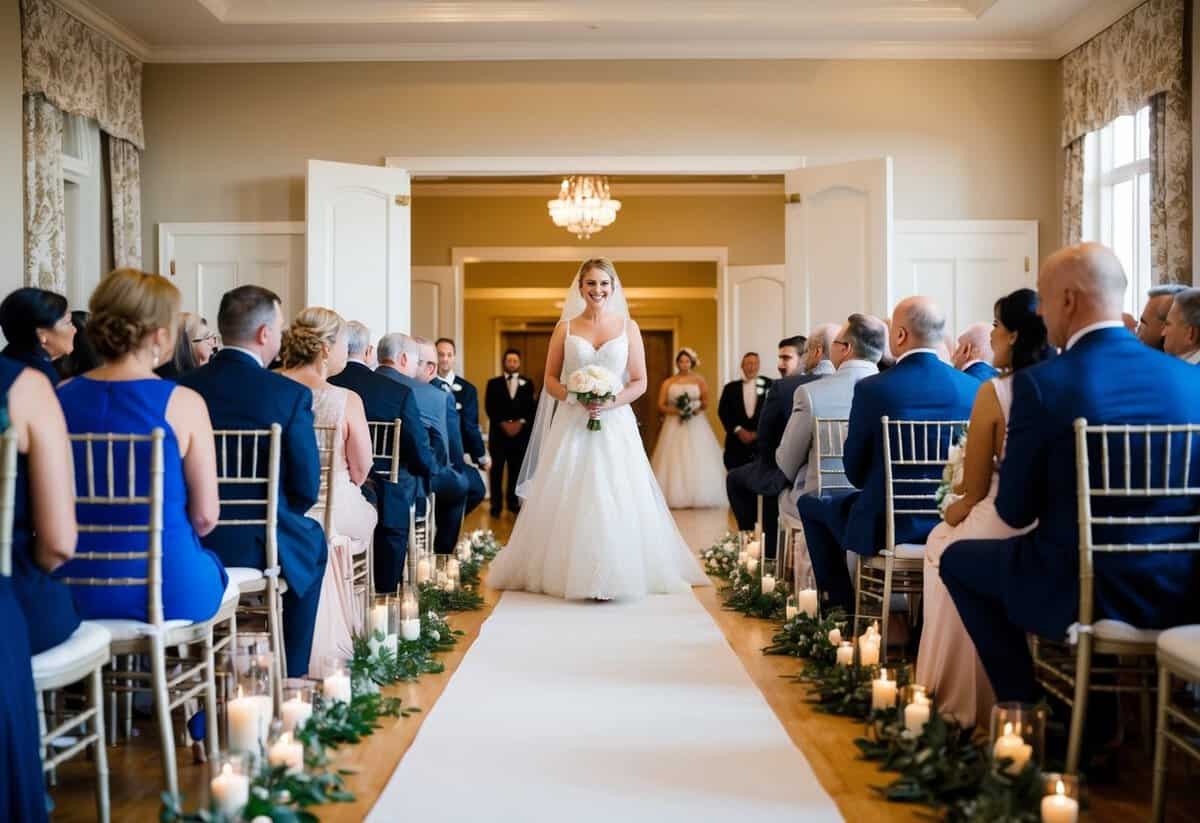
Your wedding timeline is crucial for a smooth event. You’ll want to account for time spent on hair, makeup, and travel, so your day flows without a hitch.
While it’s common for brides to have a little wiggle room, being significantly late can throw off the entire schedule for you and the groom.
Keeping your wedding day on track means respecting the timeline. By planning ahead and sticking to your schedule, you can enjoy every moment of your special day without unnecessary stress.
Understanding Wedding Day Schedules
A well-planned wedding day schedule is key to a smooth ceremony. Knowing the importance of your ceremony start time and the role of your wedding planner can help ensure everything goes as planned.
Importance of Ceremony Start Time
The ceremony start time sets the tone for your special day. It’s essential to choose a time that works best for you, your guests, and your vendors.
Consider factors such as travel time and potential traffic when planning.
A late start can lead to stress, especially if you have a packed wedding day timeline. Aim for a start time that allows for buffer periods. You want to ensure that everyone arrives on time without feeling rushed.
If your ceremony is in the evening, try not to schedule it too late. This helps avoid inconveniencing guests and allows for better lighting for photography. Remember, you’ll want to capture all those special moments beautifully!
Role of the Wedding Planner
Your wedding planner plays a vital role in ensuring everything runs smoothly. They help create a detailed timeline that includes all important tasks and timings.
From coordinating vendors to managing logistics, a wedding planner takes care of the behind-the-scenes details. This allows you to focus on enjoying your day. They can also help remind you about crucial pre-ceremony activities, like hair and makeup.
Trusting your planner to manage the schedule can reduce stress. They’ll ensure that everyone knows what time to arrive and where they need to be. This teamwork helps the day flow seamlessly, so you can cherish every moment.
Pre-Ceremony Preparations for the Bride
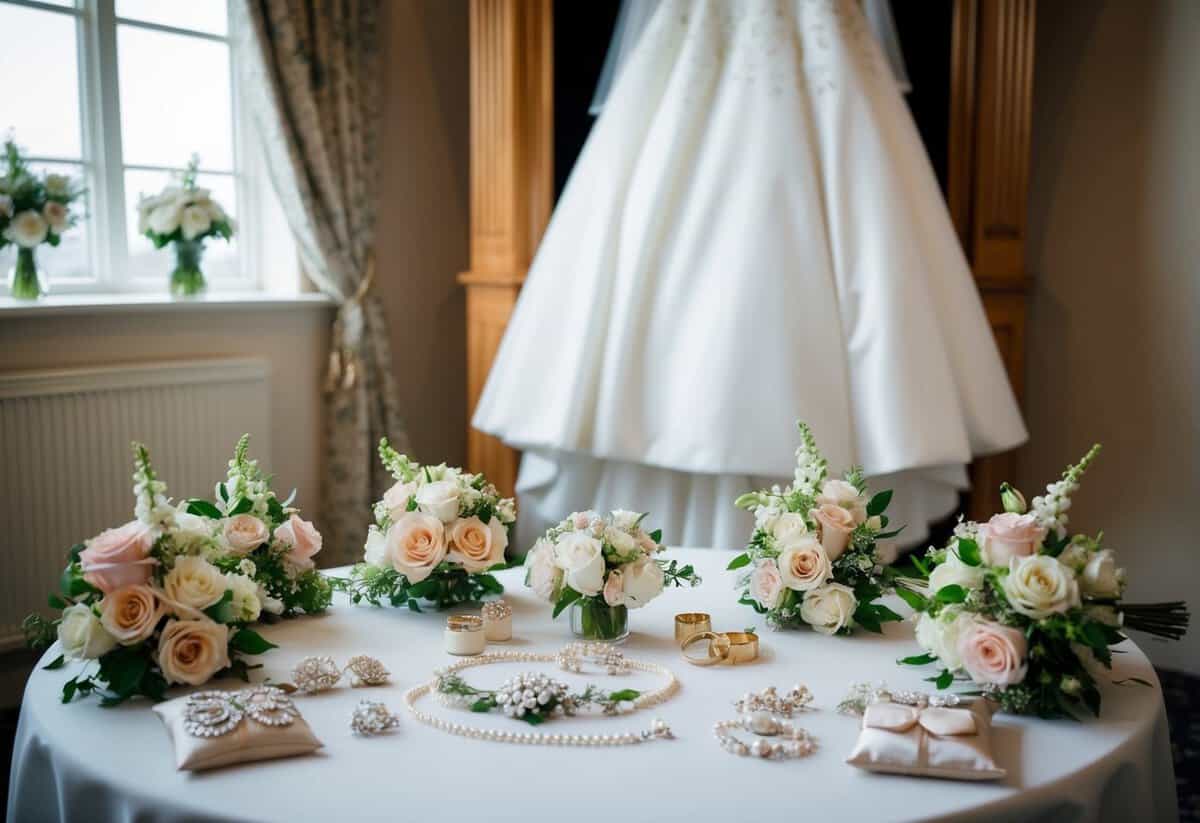
Getting ready for your big day involves careful planning to ensure a smooth experience. Focus on timing for hair and makeup, and how you coordinate with your bridal party. This will help you feel calm and prepared as you approach the ceremony.
Hair and Makeup Timings
Start your hair and makeup at least two to three hours before the ceremony. This gives you enough time to look your best without feeling rushed. If you have a large bridal party, you might need even more time.
Consider scheduling professional stylists who can work efficiently. Communicate your desired look in advance. Bring along images or ideas to avoid confusion. It’s also smart to plan a break for snacks and hydration during this time.
If you’re doing a first look with your partner, ensure you’re ready at least an hour before that time. This allows for beautiful photos without the pressure of last-minute preparations.
Coordination with Bridal Party
Your bridal party plays a big role in your pre-ceremony timings. Coordinate when everyone should start getting ready. It helps if bridesmaids can arrive early to assist with any last-minute needs.
Set clear expectations for hair and makeup appointments. Share a timeline so everyone knows where they need to be and when. This reduces stress on the day and keeps everyone informed.
You might also want to schedule some group photos with your bridal party after you’re all ready. This can be a fun moment to share before the wedding ceremony. Plan for these moments to help create a relaxed, joyful atmosphere.
Arrival Etiquette and Considerations
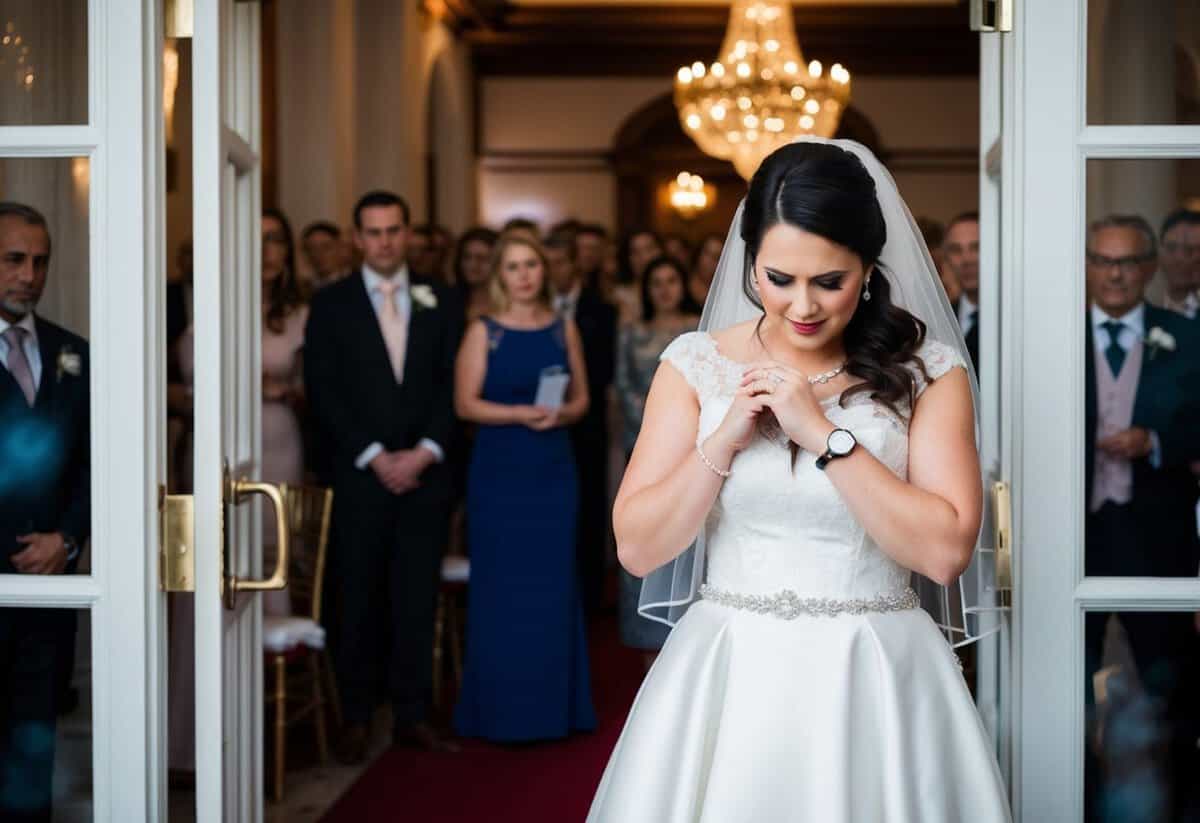
Arriving on time for a wedding is not just about the bride; it affects everyone involved. Understanding parking and seating arrangements, as well as how to communicate any delays, ensures a smooth experience for all.
Navigating Parking and Seating
When you arrive at the wedding venue, parking can be a challenge. It’s wise to familiarize yourself with the location ahead of time. Aim to arrive 15 to 30 minutes early. This gives you time to find a spot without rushing.
Look for signs or ask staff for parking directions. Once parked, head inside and find your designated seating area comfortably. If you need help, don’t hesitate to ask the ushers. They are there to guide you to the right place.
Communicating Delays to the Wedding Coordinator
If you find yourself running late, it’s important to notify someone in charge right away. Look for the wedding coordinator or another designated person upon arrival. They can help manage the situation discreetly.
Let them know how late you are, and they can make any necessary adjustments. This keeps everything organized and minimizes disruptions. Remember, good communication helps ensure that everyone enjoys the celebration!
Post-Ceremony Activities
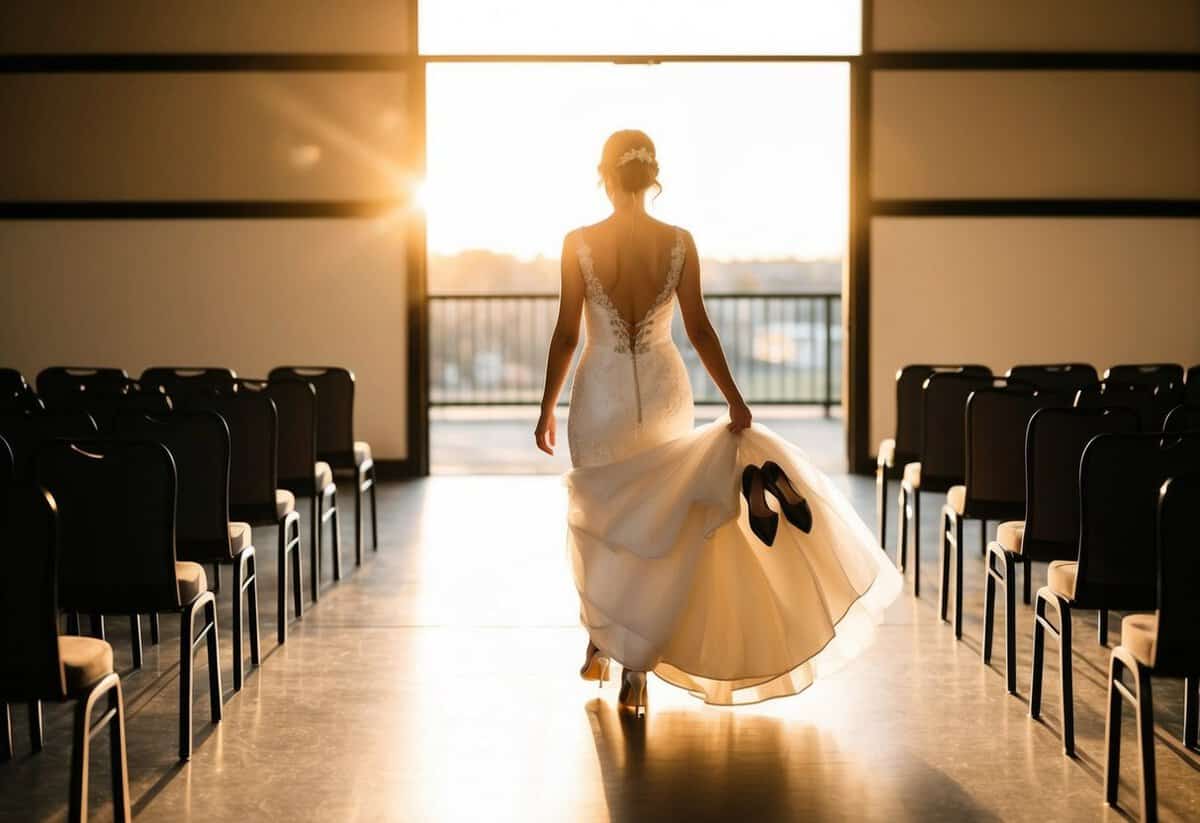
After the ceremony, it’s important to keep the momentum going. The time right after the wedding can be filled with joy and celebration. This section will cover how to organize your reception and manage the flow of events to ensure everything goes smoothly.
Organizing the Reception
Once the ceremony ends, you might want to have a cocktail hour for your guests. This is a perfect way for everyone to mingle while you and your partner take some final photos.
Consider having a timed schedule for key moments. For example, during the cocktail hour, set aside about 60 minutes where guests can enjoy drinks and light snacks.
Afterward, you can transition into the wedding breakfast or dinner. Make sure your catering staff knows when to serve food. This way, no one is left waiting too long, and the party can stay lively.
Managing the Flow of Events
Managing the flow of events at your reception is crucial. You can start with your grand entrance as a couple. This signals the start of the festivities for everyone.
Next, plan for key activities like the first dance, toasts, and cake cutting. You can create a simple timeline or checklist to share with your wedding coordinator. This helps ensure everyone knows what to expect.
Keep in mind the duration of each part of the reception. For example, make sure to limit the speeches to about five minutes each to keep the energy high. This way, your guests can fully enjoy the celebration without feeling rushed or bored.