
How Long Are You Supposed to Stay at a Wedding? A Guide to Wedding Etiquette
Attending a wedding is a joyful occasion, but it can be a bit tricky to know how long you’re supposed to stay. As a wedding guest, you need to follow certain etiquette guidelines to show respect for the couple and their special day. Generally, you should plan to stay for the entire reception, which typically lasts around 4 to 6 hours.
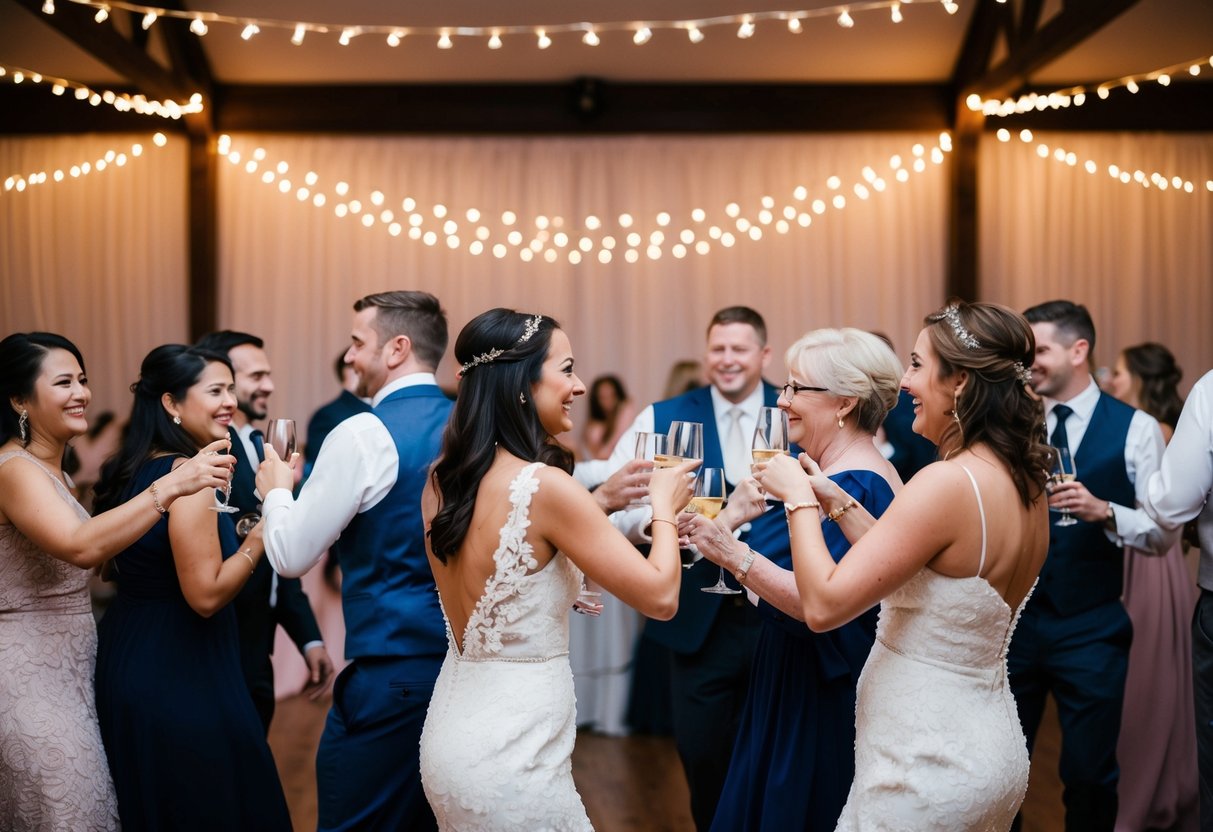
If you have to leave early, it’s best to inform the couple ahead of time. Staying until the key moments, like the cake cutting or the couple’s send-off, shows your support and appreciation for their celebration. Your presence at a wedding means a lot, and respecting the time spent together can help create lasting memories.
Understanding Wedding Invitations
Wedding invitations are a key part of the celebration. They provide essential information about the event, including the date, time, location, and any dress code. It’s important to pay attention to these details, as they guide your preparations for the big day.
Decoding the Dress Code
Dress codes can vary from casual to formal, so it’s essential to understand what is expected. Invitations often state dress codes like “black tie,” “cocktail,” or “casual.”
- Black Tie: This means you should wear formal evening attire. For men, a tuxedo is required. Women can choose a formal gown.
- Cocktail: This allows for stylish yet less formal attire. Men can wear a suit and tie, while women might opt for a dress or elegant outfit.
- Casual: While it’s less formal, you should still look neat. For men, dress pants and a collared shirt work well. Women can wear a nice sundress.
Always refer to the invitation for any specific details.
The Importance of RSVPing on Time
RSVPing is crucial for planning. It helps the couple know how many guests to expect. Failing to respond can create problems for the couple, especially in catering and seating arrangements.
When you receive the invitation, take note of the RSVP deadline. This date is important!
- How to RSVP: Follow the instructions given. If there’s an online link or email, use it. If it’s a traditional response card, fill it out and send it back promptly.
- Plus-Ones: If you’re allowed to bring a guest, make sure to indicate their name on the RSVP. It’s a nice gesture to let the couple know who will be joining you.
Navigating Plus-One Protocol
The “plus-one” can sometimes be confusing. Not everyone receives an invitation that includes a guest. It’s essential to understand the couple’s wishes.
- When You Can Bring a Plus-One: Typically, close friends or relationships are invited to bring a guest. This will usually be indicated on the invitation.
- If You’re Not Sure: If your invitation does not specify a plus-one, it’s best to check with the couple or the person who invited you. Respect their decision.
- Bring Someone Fun: If you have a plus-one, consider inviting someone who can enjoy the celebration with you. It’s a chance to make great memories together!
Ceremony and Reception Timelines
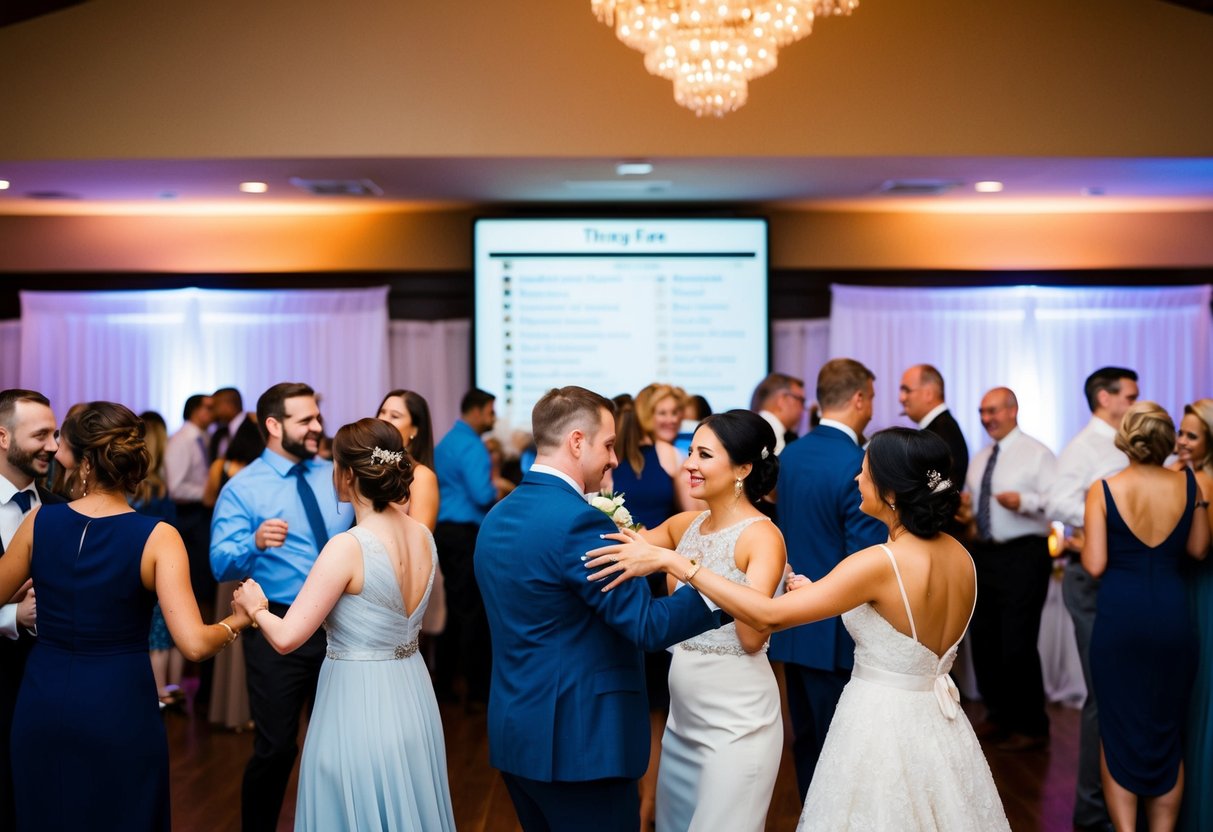
Understanding the timelines for your wedding ceremony and reception can help you know how long to stay. Each part of the day has its own rhythm, and being aware of the schedule can make your experience enjoyable.
Arrival and Ceremony Expectations
Arriving at the wedding venue on time is crucial. Guests should plan to get there about 15 to 30 minutes before the ceremony starts. This allows you to find a seat and settle in before the bride walks down the aisle.
The wedding ceremony typically lasts about 20 to 30 minutes. This includes the processional, vows, and any readings or music. If you’re close to the bride or groom, you’ll want to stay for the entire ceremony to support them.
Navigating the Cocktail Hour
After the ceremony, many weddings include a cocktail hour. This usually lasts about one hour and allows guests to mingle and enjoy drinks and appetizers.
You can use this time to chat with other guests and take photos. Make sure to find out where the cocktail hour will be held so you won’t miss it. Plus, this is a great opportunity to relax before the main reception begins.
Reception Highlights and Duration
The reception tends to start about an hour after the ceremony. You can expect it to last around four to five hours. Key events during this time include the grand entrance, first dance, dinner service, and speeches.
Depending on your role, you might be expected to stay for the entire reception. This is especially true if you are close to the couple. If you need to leave early, just be sure to say goodbye to the couple before you go.
Key Wedding Moments and Guest Participation
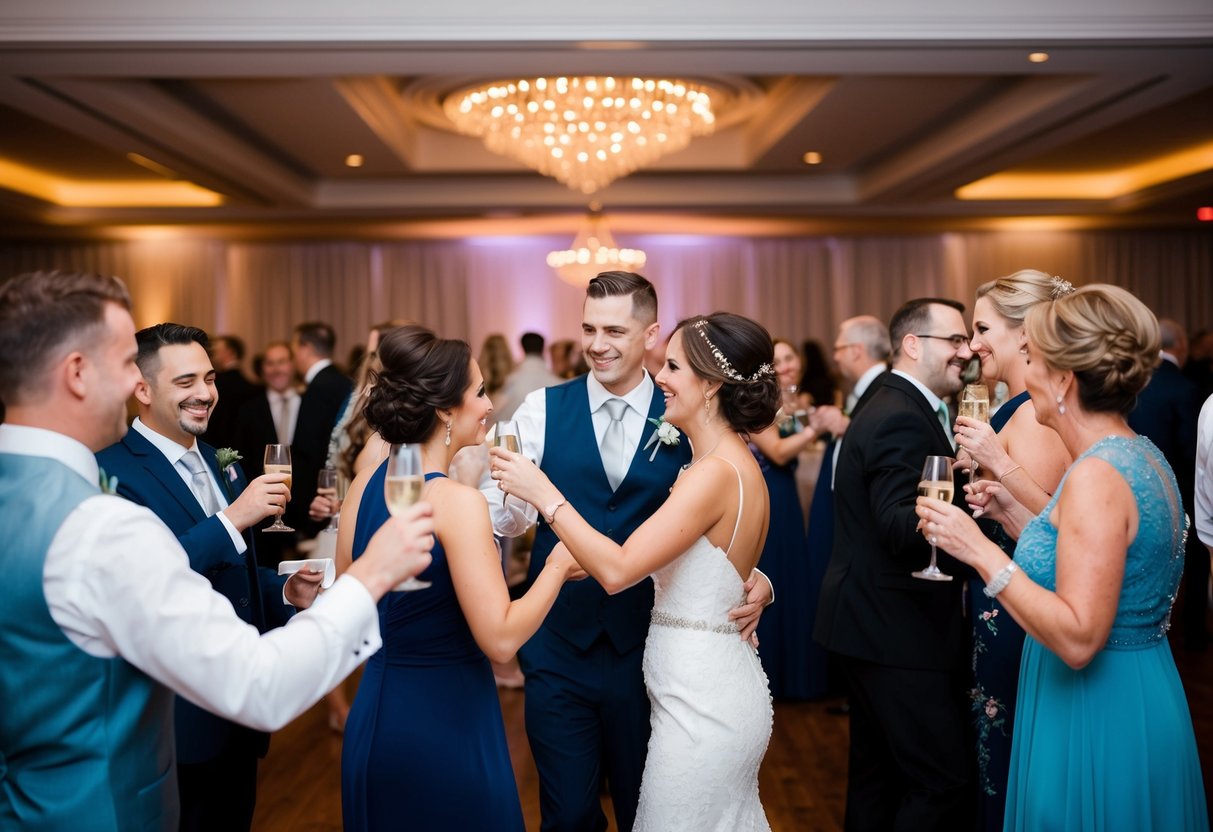
Being present at key moments of a wedding adds to the celebration, creating memories for both you and the couple. Participating actively in these moments is an essential part of being a good guest.
Being an Active Participant
When the couple has their first dance, make sure to enjoy this beautiful moment. Show your support by clapping and celebrating their love. If you’re close friends or family, consider joining them on the dance floor later.
During the cake cutting, stay close to capture the smiles and laughs. This tradition represents unity, so don’t miss the chance to cheer them on! You might even get a piece of cake soon after.
If there’s a bouquet toss, get ready to catch! This fun moment invites single guests to participate actively. Being engaged not only makes the event more enjoyable but also strengthens your connection to the couple.
Common Courtesies During Special Moments
During toasts, it’s respectful to remain quiet and attentive. This is a special time for family and friends to share their love and joy for the couple. Keep your phone away to avoid distractions and show appreciation for the speakers.
For important moments, like the bouquet toss, make sure to stand where you have a clear view. Being ready to join in shows your excitement for the couple’s celebration.
Also, during key moments, consider your position. Avoid blocking anyone’s view. Respectful participation enhances the experience for all. Just remember, your involvement contributes to the happy atmosphere.
Post-Wedding Engagement and Etiquette
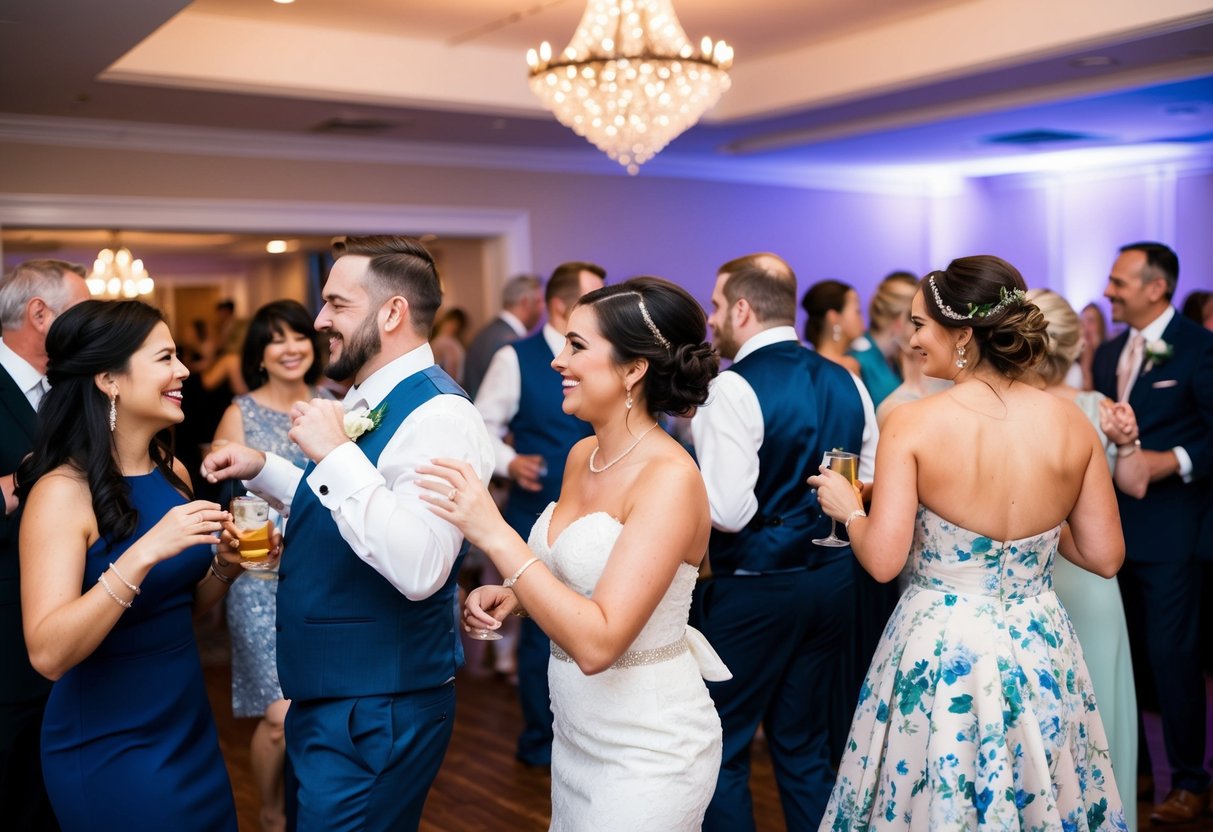
Staying at a wedding involves more than just attending the main event. You might face decisions about joining the after-party or knowing when it’s appropriate to leave early. Both choices can affect how you enjoy the celebration.
Deciding to Stay for the After-Party
After the formal festivities, many couples host an after-party. This is often a more casual setting where guests can relax and celebrate together. If you choose to stay, consider how long you can manage.
You might enjoy this time with close friends or family. It can be a great opportunity to engage with others who share your joy.
However, ensure you remain mindful of the couple’s wishes. If they have mentioned a specific end time, respect that so everyone can have a fun and memorable night.
Guidelines for an Early Exit
Sometimes, you may need to leave a wedding early due to personal commitments or fatigue. If you need to go, here’s how to do it politely.
First, let the couple know beforehand or find a way to inform them before you leave. A quick thank you and a warm goodbye can go a long way.
Try to leave between key moments, like before the cake cutting or during a slower song. This helps minimize disruption.
If there’s a wedding registry, contributing to their gifts shows your appreciation, even if you can’t stay until the end.