
How Long Before a Wedding Dress Turned Yellow? Tips for Preservation and Care
If you’ve ever wondered how long it takes for a wedding dress to turn yellow, you’re not alone. Many brides worry about the condition of their wedding dress after the big day. A wedding gown can start to yellow within a few hours if you don’t clean or store it properly.
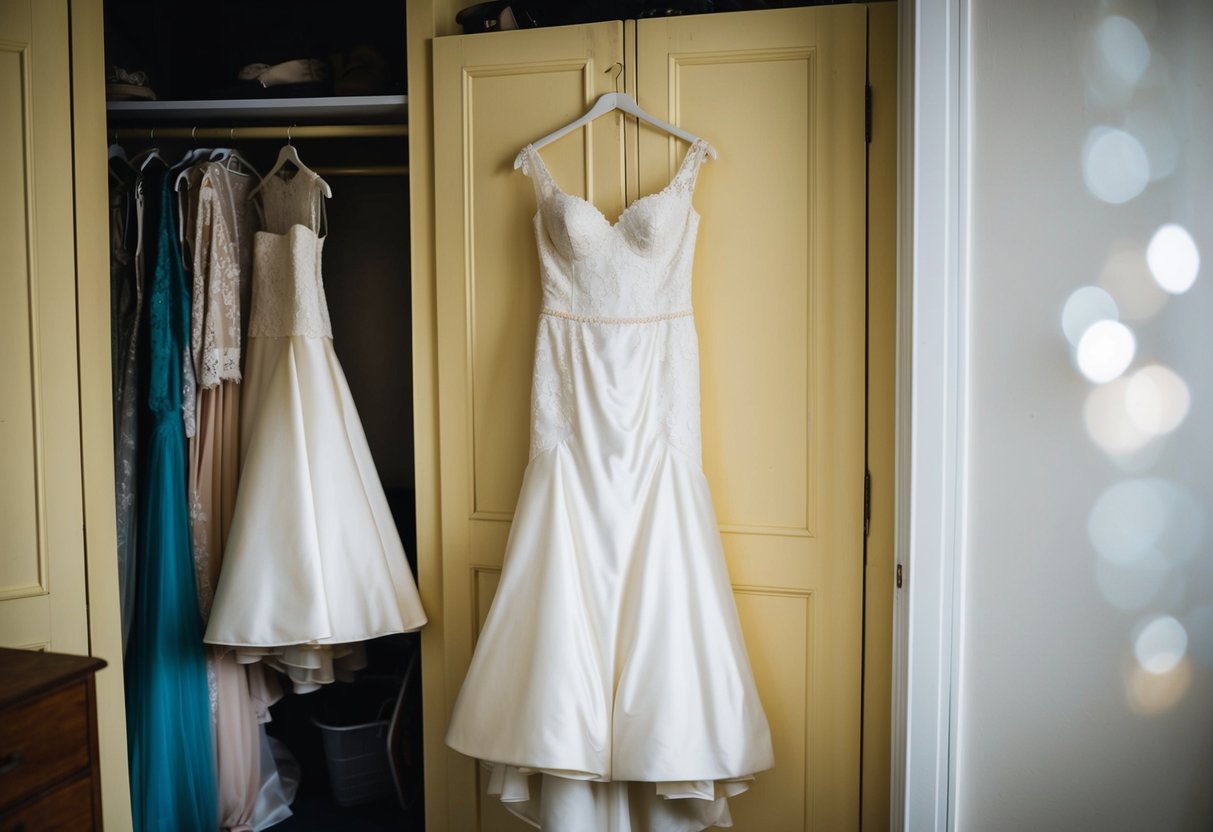
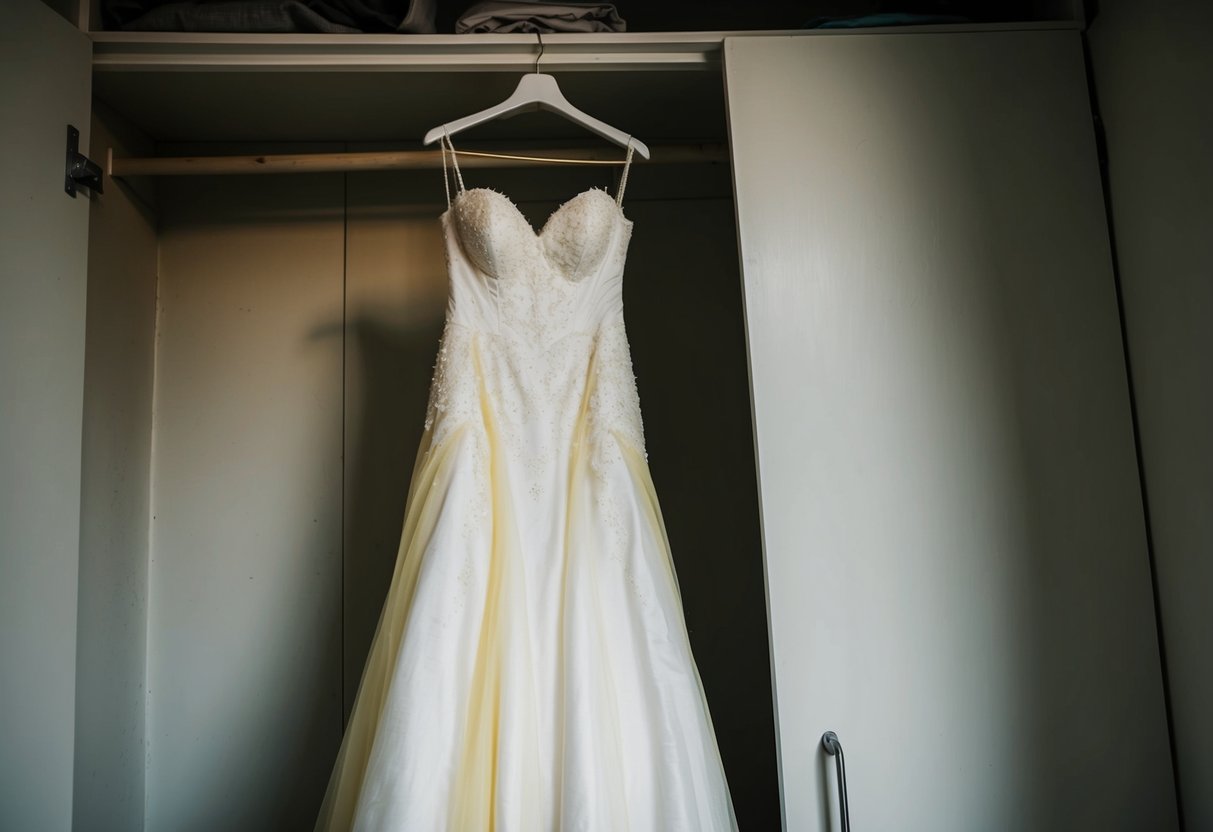
The factors that contribute to a yellowed wedding dress are often related to the materials and how they are cared for. Over time, fabrics can degrade due to environmental factors and improper storage, leading to unwanted discoloration. Understanding these aspects can help you protect your dress and keep it looking fresh.
In this article, we’ll explore the reasons behind wedding dress yellowing, how to prevent it, and what to do if your gown has already changed color. With the right care, you can maintain the beauty of your dress for years to come.
Understanding the Causes of Yellowing
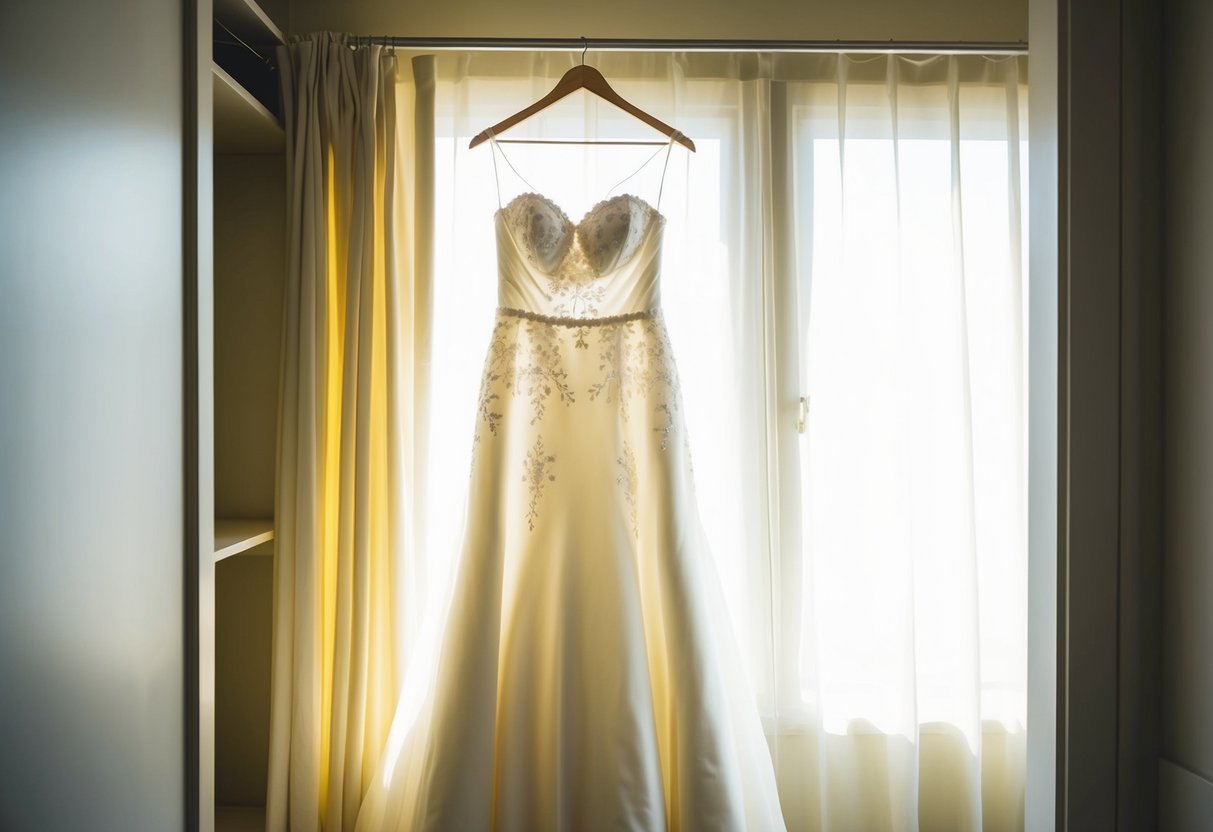
Yellowing in wedding dresses happens due to various factors. Knowing these causes helps you take action to keep your gown looking fresh and bright.
Chemical Factors and Fiber Degradation
Chemical factors play a significant role in the yellowing of wedding dresses. One common reason is chemical decomposition. This occurs when certain fibers break down over time due to exposure to light and heat.
Another key factor is phenolic yellowing. This type of yellowing happens when your dress comes into contact with substances like perfumes, oils, or sweat. These chemicals can react with the fibers, leading to discoloration.
Some fabrics are more susceptible to degradation. For example, natural fibers like silk and cotton may yellow faster than synthetic ones. To protect your dress, always check the care label for specific cleaning instructions, and avoid using harsh chemicals.
Environmental Pollutants and Contaminants
Environmental pollutants and contaminants also contribute to the yellowing of your wedding dress. Your gown is exposed to dust, smoke, and other pollutants in the air, which can settle on its surface. Over time, these substances can cause the fabric to appear dull and yellow.
Moisture is another concern. When stored in damp conditions, dresses can develop mold or mildew, which causes staining and yellowing.
Always store your gown in a cool, dry place, preferably in a breathable bag, to avoid these issues.
Finally, chemical additives from cleaning products can lead to discoloration. Always choose gentle, non-toxic cleaning solutions if your dress needs a wash. Taking proactive steps helps maintain your dress’s beauty for years to come.
Preventive Measures for Wedding Gowns
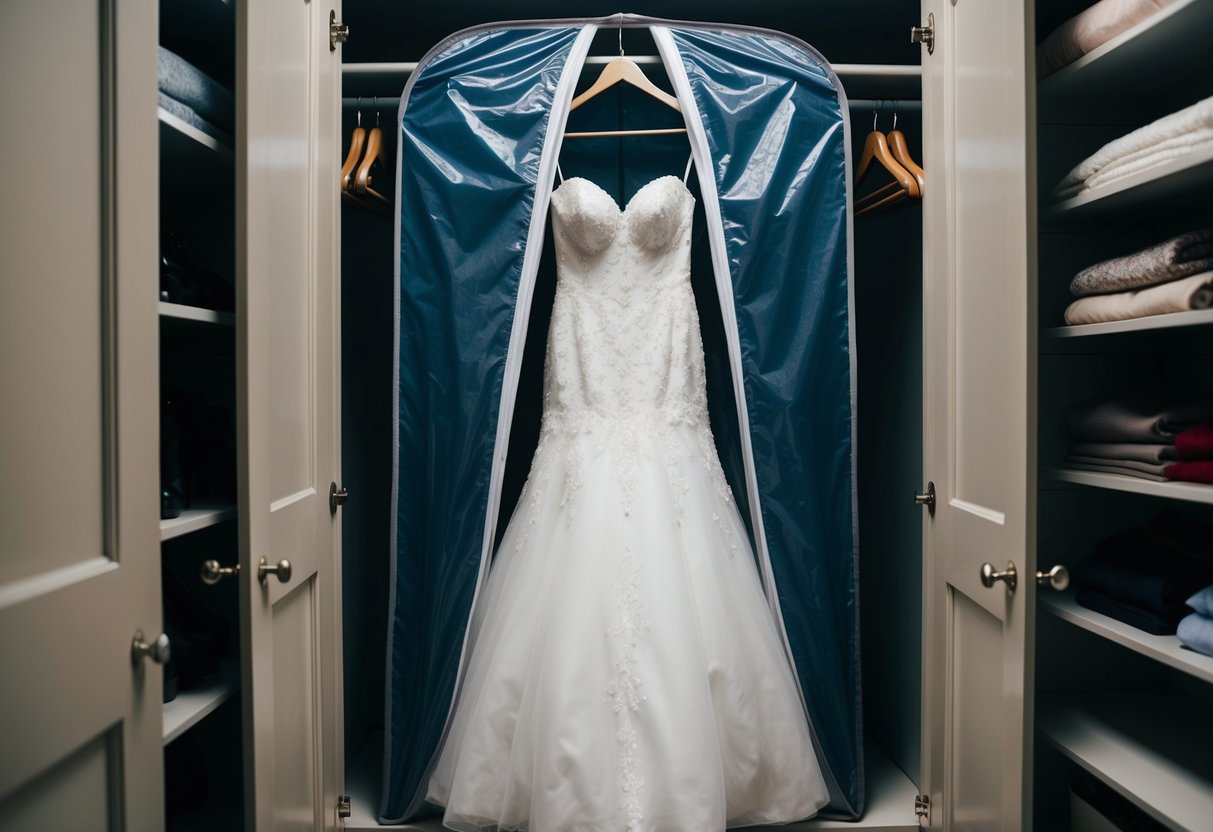
To keep your wedding gown looking pristine, it’s important to use proper storage techniques and minimize exposure to damaging elements like sunlight and humidity. These steps can help you avoid yellowing and preserve the integrity of your beautiful dress.
Storage and Handling Best Practices
When storing your wedding dress, handling it with care is key. Start by laying your gown flat and avoiding hanging it, as this can stretch the fabric.
Use acid-free tissue paper to gently stuff the bodice and sleeves. This prevents creasing and helps maintain its shape.
Make sure to place your gown in a breathable cloth bag. Avoid using plastic covers, as they trap moisture and can create a breeding ground for mold and mildew.
Store the gown in a cool, dry place that is away from direct sunlight. Frequent checks for any signs of wear will also help keep your gown safe.
Avoiding Direct Sunlight and Humidity
Direct sunlight can cause your wedding dress to yellow and fade over time. To prevent this, always keep your gown in a dark space when it’s not being worn. If you display your gown, ensure it is in a UV-protected display case.
High humidity can also damage your gown, especially if it’s made of synthetic materials.
To reduce humidity, consider using a dehumidifier in your storage area. This helps to keep the fabric dry and reduces the risk of yellowing, mold, and mildew growth. By taking these steps, you can enjoy your wedding dress for years to come.
Wedding Dress Cleaning Techniques
Keeping your wedding dress clean is essential for preserving its beauty. You have two main options for cleaning: professional services and at-home methods. Each has its own benefits and considerations.
Professional Cleaning Versus DIY
When it comes to cleaning your wedding dress, choosing professional cleaning can be a safe option. Experts use special techniques, like SystemK4, that are gentle on delicate fabrics. They can effectively remove stains and prevent yellowing.
If you’re considering DIY methods, spot cleaning can be effective for minor stains. Be careful with your choice of cleaning agents, as harsh chemicals may damage the fabric. Always test in a hidden area first.
If your dress has significant yellowing or tough stains, professional cleaning may be the best route. You can trust them to handle intricate fabrics like lace or chiffon without harming them.
Choosing Between Dry and Wet Cleaning
Deciding between dry and wet cleaning involves understanding your dress’s fabric.
Dry cleaning is often safer for silk or heavily embellished gowns. This method uses solvents instead of water, which helps preserve shape and texture.
Wet cleaning, on the other hand, is suitable for sturdier fabrics. This method uses water and specialized detergents to remove dirt and stains effectively. It can be done at home but requires caution.
Always check the dress label for specific cleaning instructions. If in doubt, consult a professional cleaner to avoid accidental damage. They can recommend the best method based on the fabric type and condition.
Restoration Solutions for Yellowed Gowns
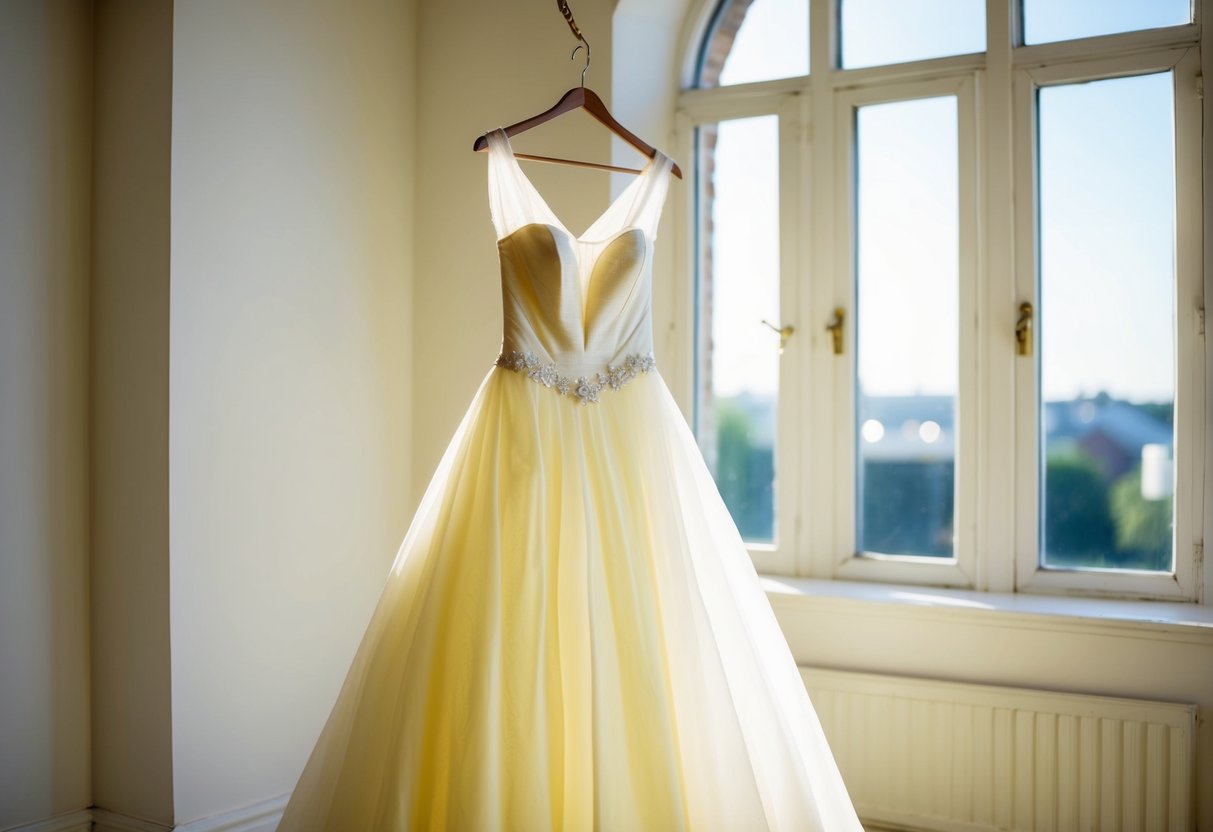
If your wedding dress has yellowed over time, there are effective ways to restore its beauty. Assessing the fabric and the extent of yellowing is crucial. Seeking professional restoration services can also ensure your dress receives the best care possible.
Assessing the Fabric and Severity of Yellowing
Before starting any restoration, examine the fabric of your gown. Common materials include silk, satin, and lace, each requiring special handling.
Delicate fabrics need extra caution, while sturdier ones may withstand more aggressive cleaning methods.
Next, evaluate the severity of the yellowing. Light yellowing may respond well to simple cleaning methods, such as gentle washing. However, deeper staining could require professional attention. Take note of any damage, such as tears or fraying, which might complicate the restoration process.
Keeping your gown in a cool, dry place helps prevent further yellowing of fabric. It’s essential to avoid exposure to direct sunlight, which can worsen discoloration. A proper assessment helps determine the best plan for restoration.
Professional Restoration Services
Enlisting wedding dress restoration services is often your best option. Expert restorationists use techniques tailored to the specific fabric of your gown.
They often combine wet cleaning, dry cleaning, and spot cleaning to effectively address stains.
Most professionals start with a thorough inspection to identify the type of fabric and the extent of yellowing. They then apply special agents that safely target yellowing while preserving your gown’s integrity.
For example, some services offer a wedding gown restoration kit that includes everything needed for at-home care, but professional services usually yield better results.
By choosing a trusted service, you ensure your treasured gown will be handled with care. This can also contribute to long-term preservation of your dress, allowing you to keep those cherished memories alive for years to come.