
How Long Before a Wedding Should You Start Planning? Essential Tips for a Stress-Free Experience
Starting to plan your wedding can feel overwhelming, especially with all the details to consider. Most couples should begin planning their wedding about 12 to 18 months before the big day. This timeframe allows you to secure your preferred venue, hire vendors, and design a celebration that reflects your style.
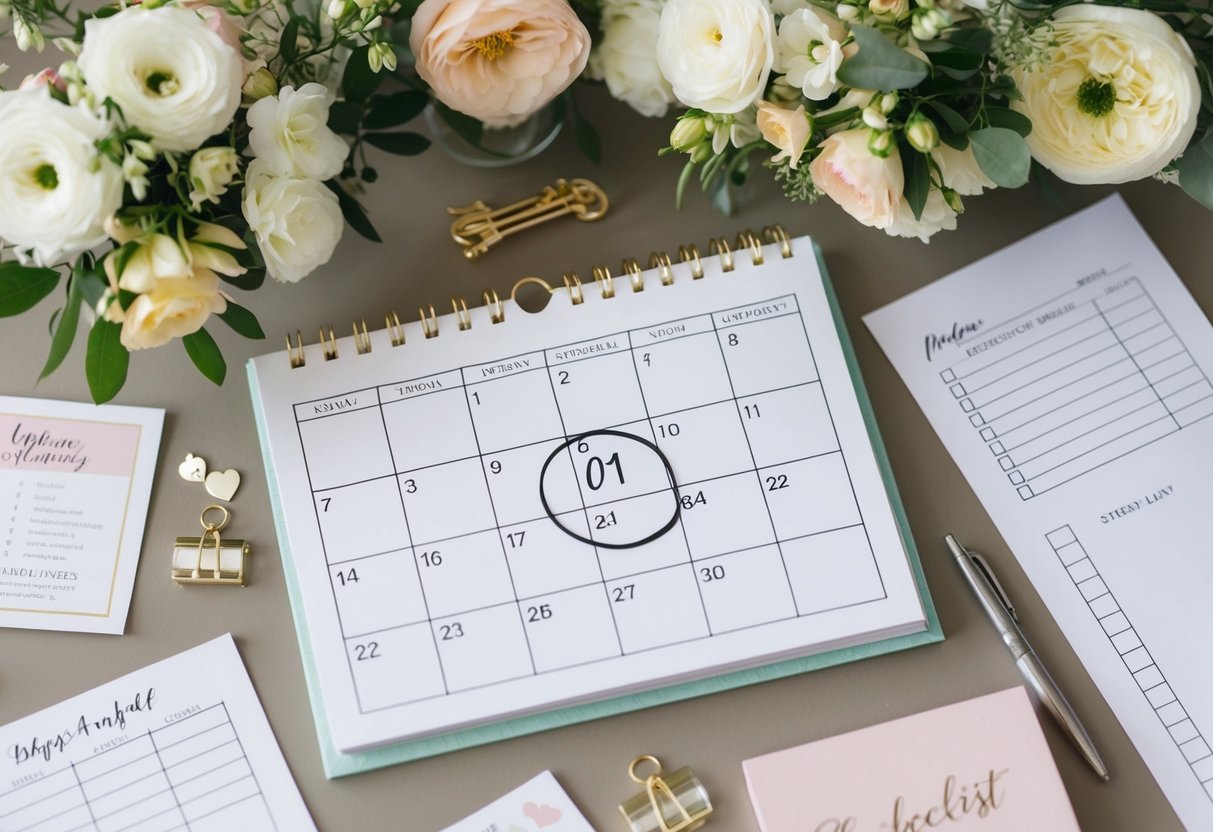
After your engagement, take a moment to enjoy this exciting time before diving into the wedding planning process. It’s important not to rush; waiting a few weeks can help you gather your thoughts and set priorities.
You can break down the various tasks over the months, making the entire process smoother and less stressful.
Understanding how long it usually takes to plan a wedding will help you stay organized and focused. With the right plan in place, you’ll be well on your way to creating a memorable celebration that you and your loved ones will cherish.
Setting Your Wedding Timeline
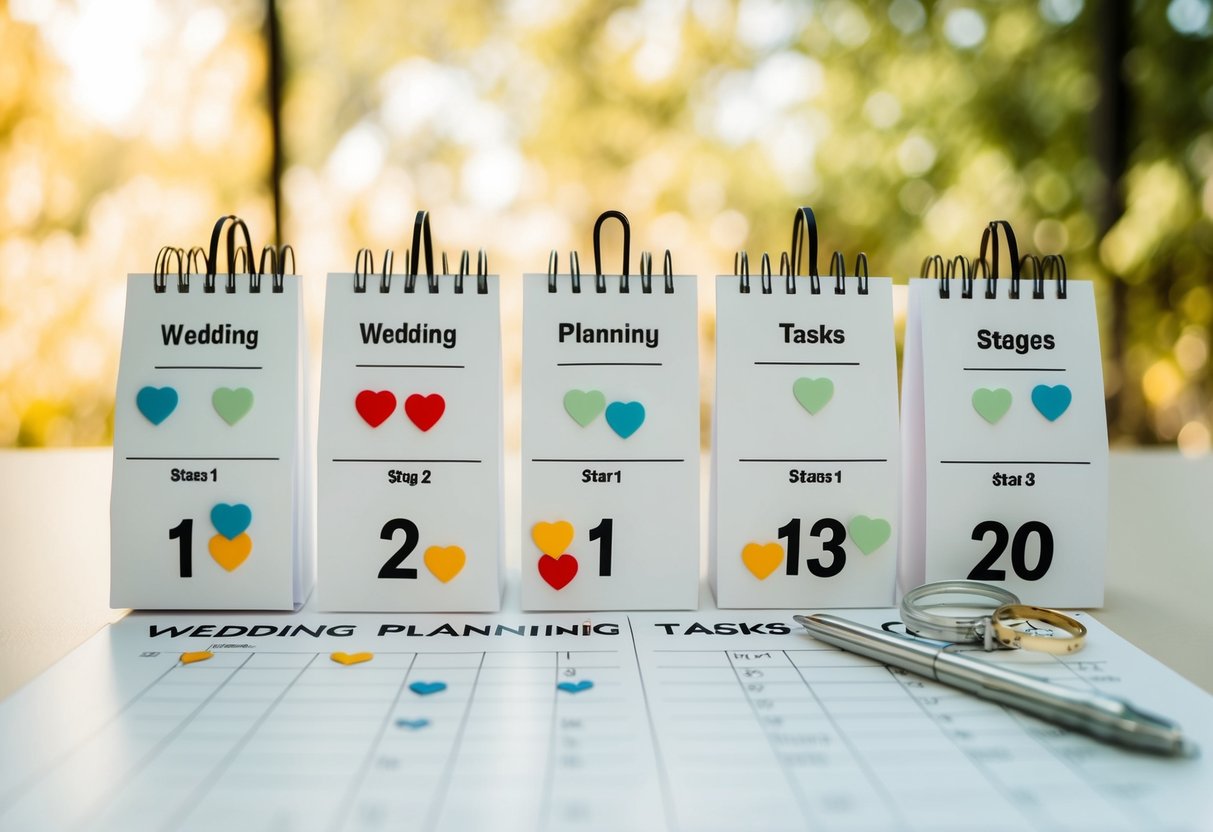
Establishing a timeline is crucial for a smooth wedding planning process. Knowing how long you have before your big day allows you to plan efficiently and avoid any last-minute stress. Let’s break down the important aspects of setting your wedding timeline.
The Ideal Engagement Length
Most couples find that planning a wedding takes about 12 months. This duration gives you enough time to choose the wedding date, find a venue, and make important decisions without rushing.
If you’re considering a destination wedding, you might want to extend your engagement to 14-18 months. This allows for more time to arrange travel details and communicate with guests about planning a trip.
Remember, planning your wedding should be enjoyable. A longer engagement can give you the space to fully enjoy the planning process while keeping stress at bay.
Major Milestones in Planning
There are key milestones to track in your wedding planning timeline. Start by setting a date. Once you have your wedding date, book your venue as soon as possible. Ideally, this should happen 9-12 months in advance.
Next, consider sending out save the dates around 6-8 months before your wedding. This extra notice is especially important for destination weddings as it helps guests plan their travel.
You will also want to book vendors like photographers, caterers, and florists about 6-10 months before the event. This ensures you secure your top choices and get the services you desire.
Factors Affecting Your Timeline
Your wedding timeline can be influenced by several factors. The size and complexity of your wedding play a big role. Larger weddings typically require more time for planning.
Seasonality is also a factor. If you plan a wedding during peak seasons (like spring or summer), book your venue and vendors earlier.
Additionally, your personal schedule matters. If you have work commitments or other obligations, you may need to adjust your timeline. Flexibility is key to ensuring a smooth planning experience while balancing your life.
Assembling Your Dream Team

Building the right team for your wedding is essential. You’ll need a wedding planner to help you navigate planning and to secure your venue. Additionally, getting the right vendors is crucial for a successful day.
Choosing a Wedding Planner
Hiring a wedding planner can make a big difference in your planning experience. A good planner will save you time and stress. They can help you find vendors, manage your budget, and create a timeline.
Look for someone whose style matches yours. Ask for recommendations and read reviews. Once you find a few candidates, interview them. Discuss your vision and see how they plan to bring it to life. A great planner will listen and offer suggestions that align with your preferences.
Booking the Venue
Choosing and booking your wedding venue is one of the first tasks. It sets the tone for your whole day. Start your search early, as popular venues can book up quickly.
Consider the size, location, and style of the venue. Make a list of what you want, including outdoor versus indoor options. Visit potential venues to get a feel for each space. Once you find the right one, secure your date with a deposit to avoid losing it.
Vendors and Services
Your vendors play a huge role in making your day special. Key vendors you’ll need include photographers, caterers, florists, and musicians. It’s best to start looking for them early.
Ask your wedding planner for recommendations. They usually have a list of trusted vendors. When meeting vendors, check their portfolios and read contracts carefully. This ensures everyone knows what to expect. Don’t forget to communicate your vision clearly. This helps your vendors deliver exactly what you’re dreaming of.
The Intricacies of the Guest Experience
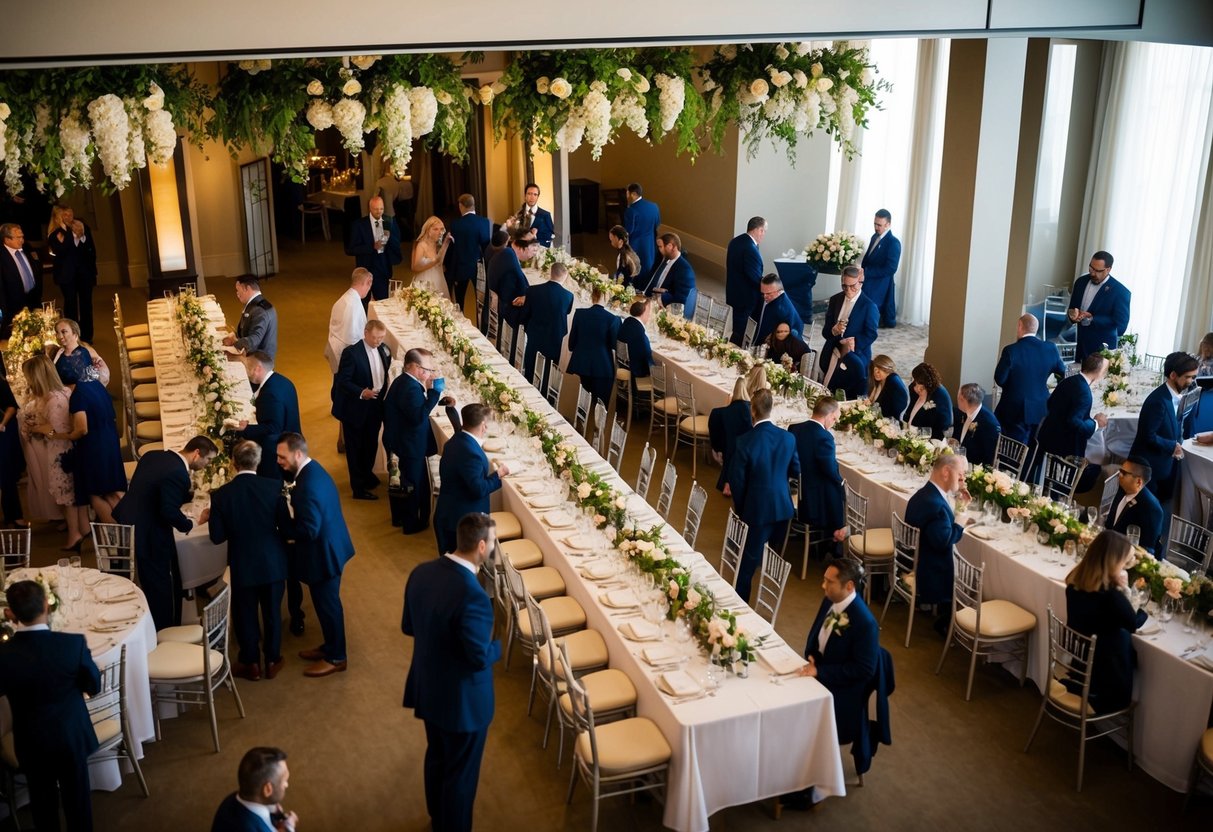
Creating a memorable guest experience at your wedding starts long before the event. You need to think about your guest list, sending out save-the-date cards, and planning the rehearsal dinner. Each part is essential to ensure your loved ones have a wonderful time.
Crafting the Guest List
Start with an outline of those you want to invite. Consider family, close friends, and anyone important in your life.
It’s helpful to categorize your guests into groups. For example, you might have family, childhood friends, and work colleagues.
Tip: Use a spreadsheet to track names, addresses, and RSVP statuses.
Understanding your venue’s capacity will help narrow down your list too. This way, you won’t overwhelm yourself or exceed limits.
Invitations and Save-The-Dates
Once your guest list is ready, think about sending out save-the-date cards. These are vital for informing guests about your wedding date ahead of time.
Aim to send these cards at least 6-8 months in advance. This gives guests ample time to make travel and accommodation plans.
When it’s time for the official invitations, include all essential ceremony details. Make sure to list the venue, time, and dress code if applicable.
Consider the design and theme of your wedding for invitations. This helps set the tone for your special day.
Planning the Rehearsal Dinner
The rehearsal dinner is a great chance to connect with close family and friends before the big day. Schedule it for the night before the wedding.
Keep the guest list smaller, focusing on immediate family and wedding party members. This allows for a more intimate atmosphere.
Choose a location that reflects your style, whether it’s a favorite restaurant or a backyard gathering. Discuss food options that cater to everyone’s tastes.
Don’t forget to include some fun activities or toasts. This interaction can strengthen bonds and make everyone feel included before the ceremony.
Finalizing Details and Wardrobe Choices
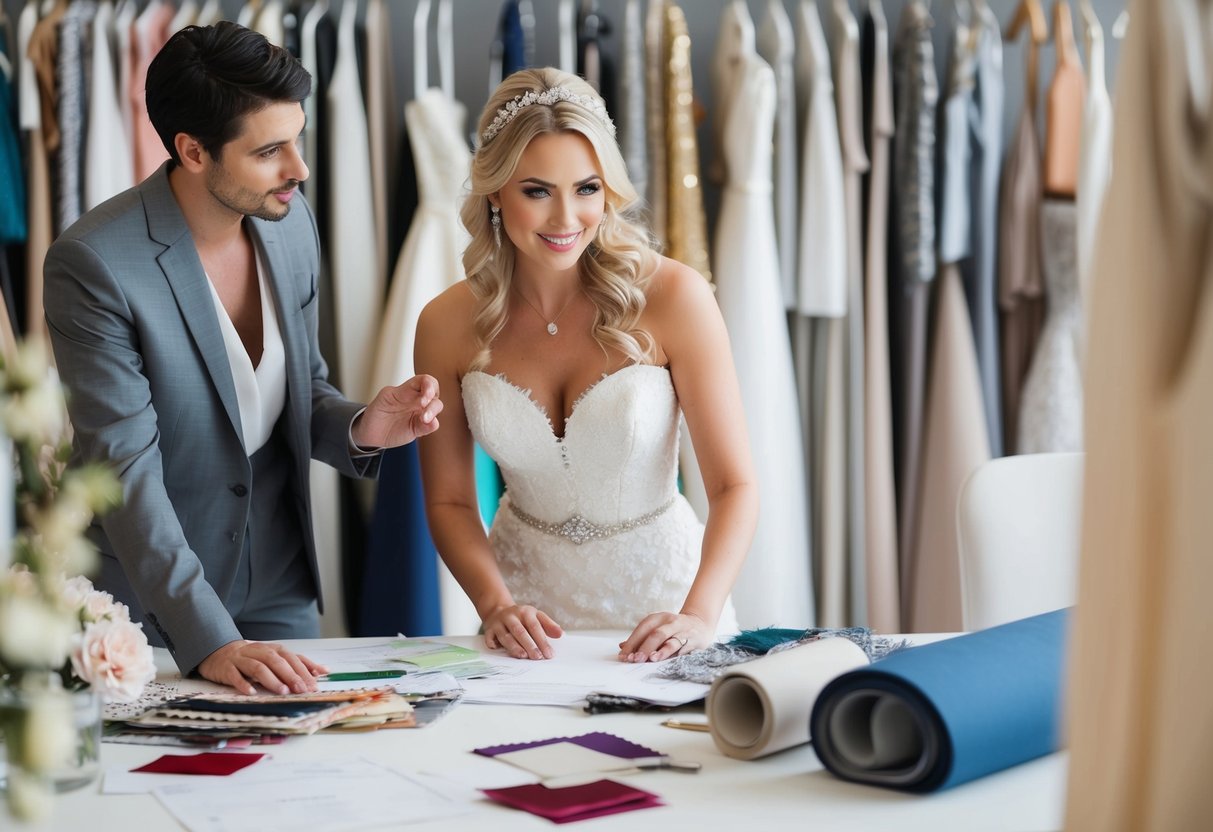
As your wedding day approaches, finalizing your details and wardrobe is essential. This includes selecting your attire, scheduling fittings, and ensuring you have all necessary documents, such as your marriage license. Let’s dive into each aspect.
Selecting Attire and Accessories
Choosing your wedding attire is one of the most exciting parts of planning. Start with your wedding dress; it sets the tone for your entire celebration. Look for styles that reflect your personality.
Consider the following:
- Bridesmaid Dresses: Coordinate outfits that match your theme and feel comfortable for your friends.
- Accessories: Don’t forget about shoes, jewelry, and veils. Each piece should complement your dress and overall look.
Giving yourself enough time for selections helps you avoid last-minute stress.
Wardrobe Fittings and Alterations
After selecting your dress, schedule your fittings. Aim for your first fitting about two to three months before the wedding.
Key steps include:
- Initial Fitting: This checks the overall fit and allows adjustments to be made.
- Alterations: You might need multiple visits for hem adjustments or other changes.
Keep your bridesmaids in mind too. Their dresses may need similar attention, so plan collectively for fittings. Don’t forget to break in your wedding shoes!
Obtaining the Marriage License
A crucial part of wedding planning is obtaining your marriage license. Each state has its own requirements, so you should check what yours entails.
Here’s a quick checklist:
- When to Apply: Aim to get it at least one month before your wedding. But, check if your state has a waiting period.
- Documents Needed: Typically, you will need identification and possibly proof of residency.
This step guarantees that your wedding day goes smoothly legally. Make sure to have the license ready well ahead of time, so there are no last-minute worries!