
How Long Before the Wedding Should You Write Vows? A Guide to Perfecting Your Promise
Writing your wedding vows is an important step in preparing for your big day. Start writing your vows at least three months before the wedding. This gives you enough time to reflect on your relationship and what you want to say without feeling rushed.

As you craft your vows, think about the commitment you are making and what it means to you. Writing your own vows allows you to express your feelings in a personal way, making the moment even more special during the ceremony. With a little time and effort, you can create vows that truly capture your love and commitment.
Understanding the Significance of Wedding Vows

Wedding vows are more than just words; they are promises that you make to your partner during the wedding ceremony. These vows express your love and commitment, setting the tone for your marriage. Knowing their importance helps you prepare for one of the most meaningful moments of your life.
The Role of Vows in a Wedding Ceremony
Vows play a crucial part in any wedding ceremony. They are often seen as the heart of the event. When you exchange vows, you are making promises to support and cherish your partner.
In this moment, you share your commitment to each other. This can range from traditional vows, which often include religious sentiments, to romantic ones that emphasize love and partnership. Some couples even choose to include humor in their vows, making the moment memorable and unique.
Your vows reflect your relationship’s depth and the journey you plan to take together. They serve as a reminder of your promise on tough days ahead.
Traditional vs. Personal Vows
The choice between traditional and personal vows is significant. Traditional vows often follow established phrases and rituals. They can have religious meanings and connect your marriage to time-honored customs.
On the other hand, personal vows allow you to express your own feelings and commitments. You might include specific promises that are meaningful for your relationship. Writing your vows can be emotional and rewarding, providing a chance to share your love story.
Whether you lean towards traditional or personal vows, both have their importance. They highlight your commitment to each other, making your wedding ceremony truly special.
Planning and Writing Your Vows
When planning and writing your wedding vows, consider the format, tone, and personal elements that reflect your relationship. This process allows you to express your love in a meaningful way.
Deciding on the Vow Format and Tone
First, think about the format of your vows. Do you want them to be traditional or modern? Will you write them out in a vow book or memorize them? Each option has its own charm.
The tone is equally important. You might choose a lighthearted and fun tone or a more serious and romantic style. Think about your relationship dynamics and what feels right for both of you. It’s okay to blend different styles too. For example, a mix of humor and heartfelt sincerity can showcase your love story beautifully.
Incorporating Personal Stories and Touches
Adding personal stories makes your vows special. Reflect on moments that define your relationship. This could be your first date, a shared adventure, or even simple everyday moments that mean a lot. Use these stories to illustrate your love.
Include personal touches, such as nicknames or shared interests, to make your vows more intimate. For instance, mentioning a favorite song can resonate deeply. These details will remind both of you of your love story. They provide a glimpse into what makes your relationship unique, creating an emotional connection during the ceremony.
Looking at Vow Examples for Inspiration
Searching for vow examples can spark great ideas. Look for templates that resonate with you. There are many online resources offering both traditional and modern vows.
Consider what makes certain vows powerful or moving. Pay attention to the language and emotions expressed. You can mix and match phrases or ideas from various examples to create something truly your own.
As you explore, remember that authenticity matters. Your vows should reflect your genuine feelings and commitment. Taking inspiration from others while personalizing your words ensures your vows resonate with your heart.
Timing Your Vow Writing Process

Knowing when to start writing your vows can make a big difference in how they turn out. You want to allow yourself enough time to reflect on your relationship and craft meaningful words without feeling rushed. Here are two important aspects to consider.
Ideal Timeframes for Vow Preparation
Begin your vow writing process two to three months before your wedding day. This timeframe is ideal because it gives you room to think deeply about what you want to say. Start with a rough draft of your vows to capture your thoughts and feelings.
Aim for a word count of around 150 to 200 words for your vows. This length is usually just right—long enough to express your thoughts but short enough to keep your audience engaged. As you revise, remember to reflect your personality and relationship in a way that resonates with your partner and guests.
Make notes about specific moments in your relationship that inspire you. This can guide your writing and ensure the vows feel personal.
Last-Minute Tips for Vow Writing
If you find yourself nearing the wedding day without finished vows, here are some quick tips. First, avoid writing your vows just days before the ceremony. This can add unnecessary stress. Instead, try to carve out time to focus on them even if it’s last minute.
When tackling those final edits, keep the vows simple and direct. Short vows can be powerful too. Clear and heartfelt expressions of love often leave a lasting impression.
Practice reading your vows aloud as you finalize them. This will help you adjust any awkward phrases and ensure the timing is right for your wedding day. Trust your instincts, and remember that the sincerity of your words matters most.
Finalizing and Practicing Vows Before the Wedding
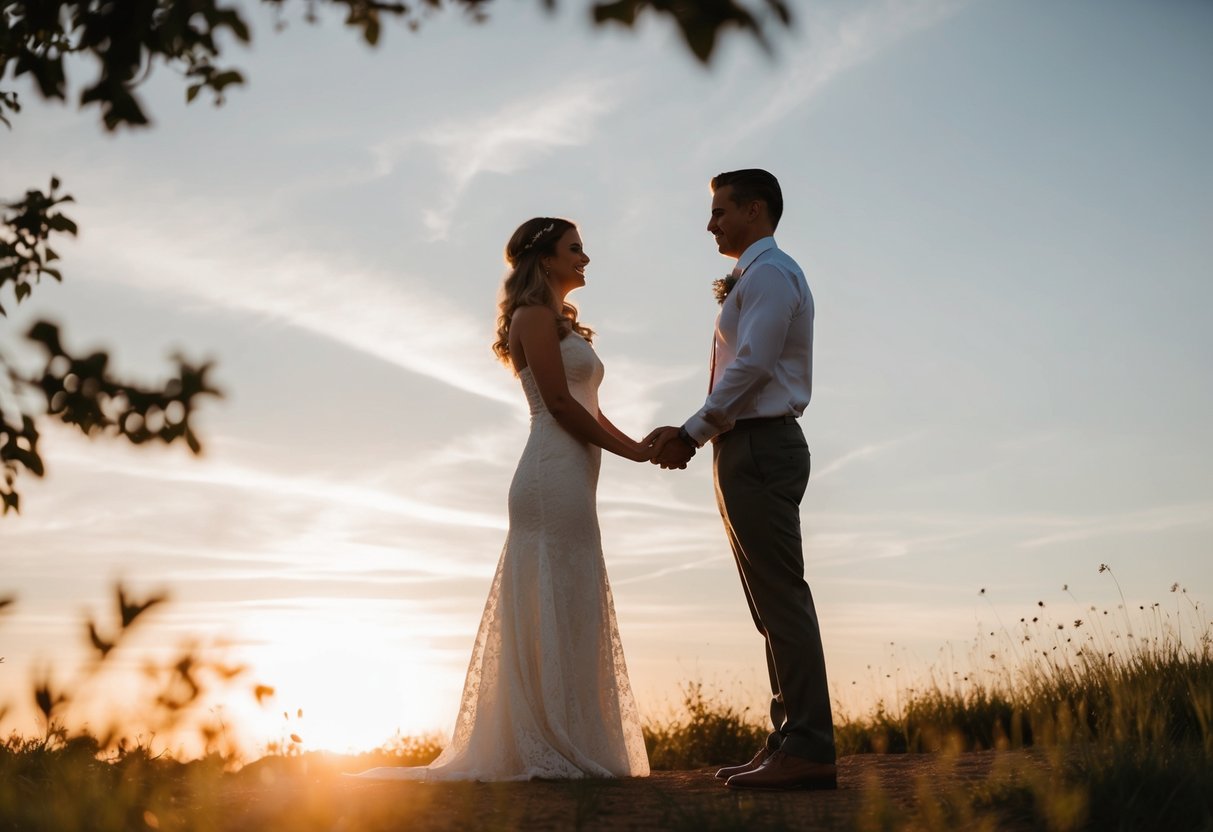
Writing your vows is an important step in preparing for your wedding day. It connects you to your future together and reflects your love and support. Once your vows are written, it’s essential to practice them to ensure a smooth exchange during the ceremony.
Rehearsing and Memorization Techniques
To deliver your vows confidently, practice is key. Start by reading your vows aloud several times. This helps you become familiar with the words. You might also consider recording yourself and listening to it multiple times.
Rehearsing in front of a mirror can help you see your expressions and gestures. If you prefer, share your vows with a trusted friend or family member. They can provide constructive feedback.
Breaking your vows into smaller sections can make memorization easier. Focus on one part at a time rather than the entire text. This method reduces stress and promotes a natural delivery on the wedding day.
Coordinating with Your Wedding Officiant
Talking with your wedding officiant about your vows is important. They can provide guidance on the vow exchange, ensuring everything flows smoothly.
Make sure to share your vows with them beforehand.
Ask if there are any specific traditions or requirements for your ceremony. Familiarizing your officiant with your personalized wedding vows can help them weave them into the service seamlessly.
If you’re planning an elopement or a smaller ceremony, communicate your vision clearly. This will allow your officiant to support you in making your day special.
Coordination plays a critical role in creating a memorable and meaningful moment.