
How Long Between Ceremony and Wedding Breakfast? Tips for Planning Your Day
The time between your wedding ceremony and the wedding breakfast is a crucial part of your special day. Typically, you should allow for a break of 1 to 2 hours between these events. This gives you and your guests time to relax, take photos, and celebrate the newlyweds before moving on to the main meal.
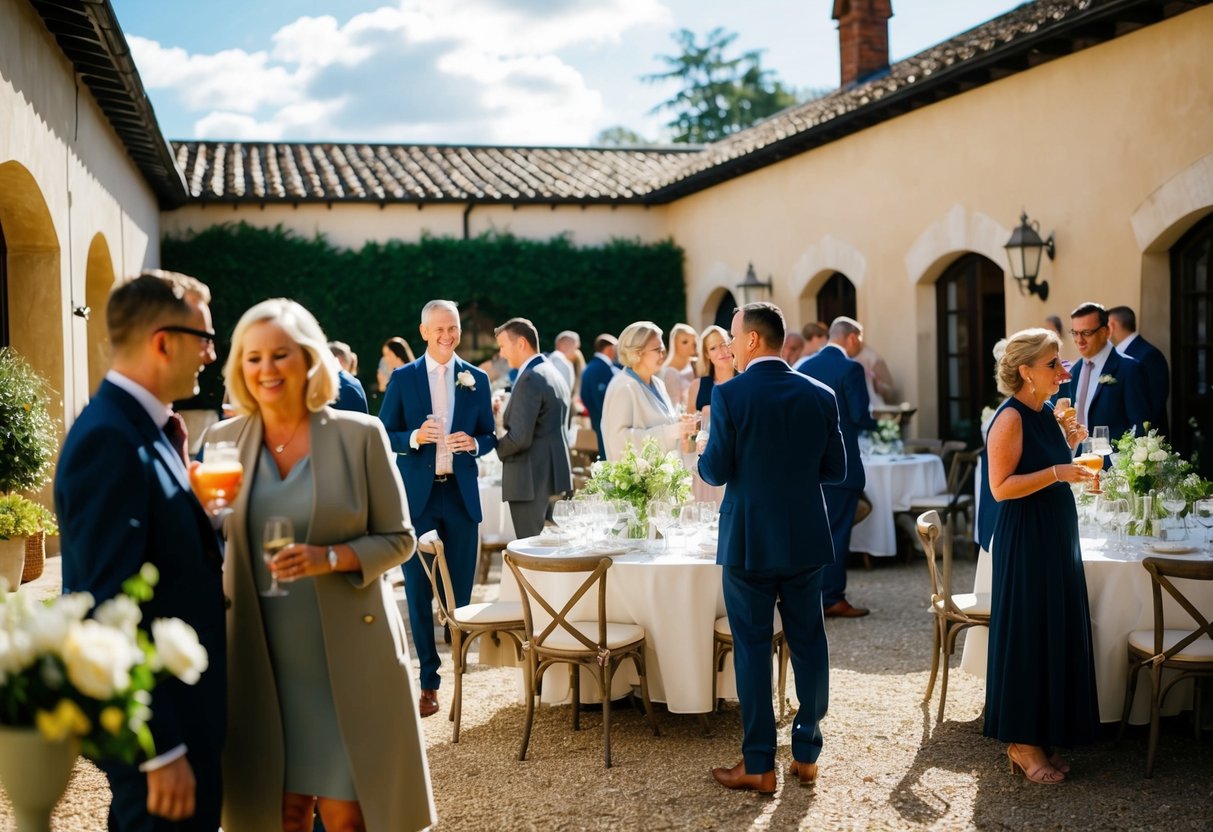
During this time, you can create engaging activities for your guests, like cocktails or light snacks. This not only keeps everyone entertained but also sets a joyful tone for the rest of the celebration. With careful planning, this timeline can make your wedding day flow smoothly, letting you enjoy every moment.
Planning Your Wedding Day Schedule
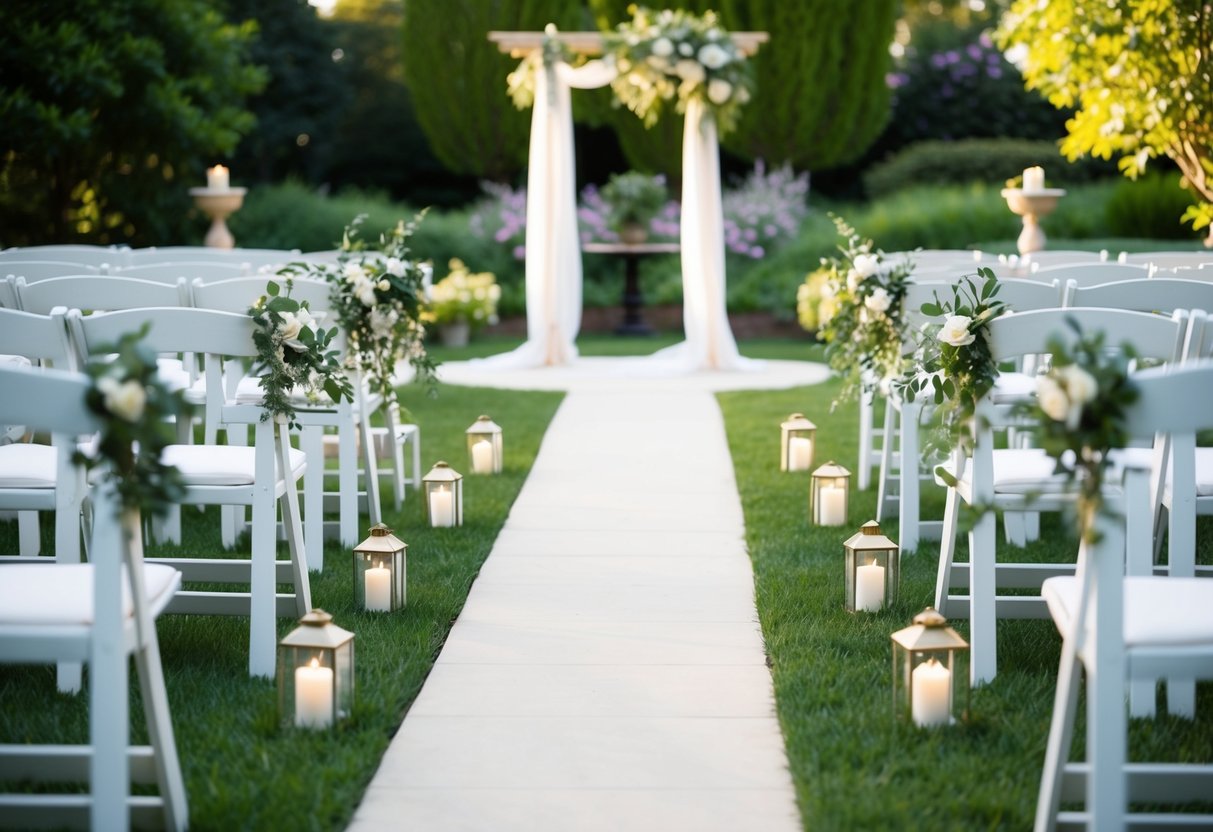
Creating a detailed wedding day schedule is crucial for a smooth event. By managing your time wisely, you can ensure that every part of the day flows seamlessly. This includes setting the right ceremony time, allocating time for getting ready, and organizing your wedding party effectively.
Setting the Ceremony Time
Choosing the right time for your ceremony is key. Most weddings take place in the afternoon, typically between 1 PM and 3 PM. This allows guests time to arrive and keeps the day running on schedule.
Consider your venue’s lighting. An outdoor wedding may benefit from natural light, so an earlier afternoon ceremony might be best. If you’re having a church ceremony, check with your officiant for available times.
Also, think about how long your ceremony will last. A traditional ceremony usually runs 20 to 30 minutes. Adding this time into your schedule helps define when the wedding breakfast can begin.
Allocating Time for Getting Ready
Getting ready is a fun part of the wedding day, but it’s important to plan it correctly. You’ll want to allow enough time for hair, makeup, and getting dressed.
Typically, hair and makeup can take 3 to 5 hours for the bridal party. Plan for the bride to finish last, as you may want to do a “first look” photo session before the ceremony.
Don’t forget to account for travel time to the ceremony venue. Have your bridal prep team arrive early and ensure everyone is ready on time. Create a checklist to keep track of tasks, and designate someone to help keep everyone on schedule.
Organizing the Wedding Party
Your wedding party plays a big role in your day. Make sure you communicate clearly with them about what to expect. You’ll want them ready for family photos right after the ceremony.
Create a detailed timeline that includes when and where they need to be. This helps everyone stay on track.
Coordinate with your photographer to ensure they know your schedule. A clear plan helps avoid any last-minute chaos and keeps the day enjoyable for you and your loved ones.
Ceremony to Reception Transition
After the wedding ceremony, transitioning to the reception is important for maintaining the day’s flow. This period can involve serving drinks, taking group photos, and organizing seating, all while ensuring your guests feel welcomed and entertained.
Cocktail Hour and Canapés
A cocktail hour is a wonderful way to keep your wedding guests entertained after the ceremony. This often happens while you and your wedding party take photos. During this time, serve a variety of drinks and tasty canapés.
Suggestions for Canapés:
- Mini quiches
- Stuffed mushrooms
- Shrimp cocktail
This allows your guests to mingle, relax, and enjoy some appetizers before the main meal. It’s important to have enough seating and standing tables to ensure comfort. Guests will appreciate a lively atmosphere, and it gives them a chance to chat while you complete your photos.
Photography and Group Photos
Taking group photos is a crucial part of the wedding day. After the ceremony, you will want to gather family and friends for these special moments. Designate a specific person to help organize the group shots to save time and avoid confusion.
Creating a list of must-have photos in advance will help you stay on track. Make sure to capture both formal portraits and candid moments. Keep your guests informed about where to go post-ceremony so they are ready for the photoshoot.
Seating Guests and Receiving Line
As guests transition to the reception, you should have a plan for seating them. Consider using a seating chart to guide them to their tables easily. This helps reduce confusion and keeps the event organized.
A receiving line can be another nice touch. Here, you and your partner greet guests as they enter the reception area. This personal interaction shows your appreciation for their presence. Make sure to keep it moving to avoid long wait times. Guests will love feeling acknowledged as they enjoy the festivities!
Designing Your Wedding Celebration
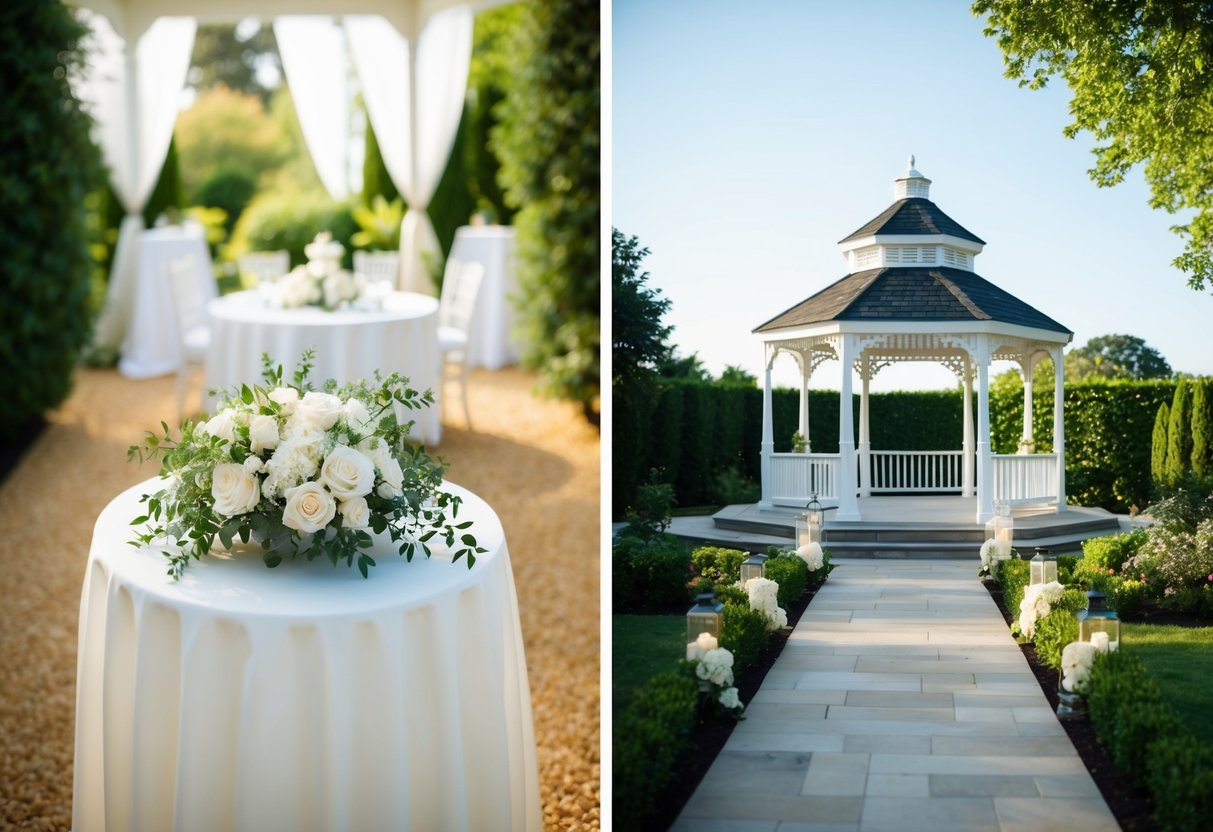
Creating a memorable wedding celebration involves careful planning, especially regarding the reception. Your choice of venue, personal touches, and entertainment are vital to setting the right atmosphere and ensuring your guests have a wonderful time.
Selecting the Reception Venue
Choosing the right reception venue is crucial for your wedding celebration. Consider factors such as capacity, location, and style. Is it large enough for all your guests? Does it reflect your theme? Outdoor venues can provide beautiful backdrops, while indoor spaces can be decorated to match your vision.
Make sure to schedule a visit. This allows you to visualize your layout and access important facilities like restrooms and catering kitchens. Don’t forget to check availability for your chosen date. Booking early can help you secure your ideal location.
Personalizing the Evening Reception
Your evening reception should truly reflect you as a couple. Consider adding personal touches like custom centerpieces that tell your story or incorporating family traditions into the festivities. You might also want to create a photo wall featuring memories that guests can enjoy.
Food and drink options are equally important. Customize your menu to include favorite dishes or family recipes, and don’t overlook the significance of a signature cocktail. These details make your celebration feel unique and meaningful.
Entertainment and First Dance
Entertainment sets the tone for your evening reception. A live band or DJ can energize the atmosphere, so choose one that matches your style. Consider including activities like photo booths or lawn games to keep guests engaged during downtime.
Your first dance is a special moment you’ll remember forever. Choose a song that has significance for both of you, and consider taking dance lessons for added confidence. This not only makes the moment memorable but also encourages guests to join in and start the dance floor fun!
Culinary Delights and Wedding Breakfast
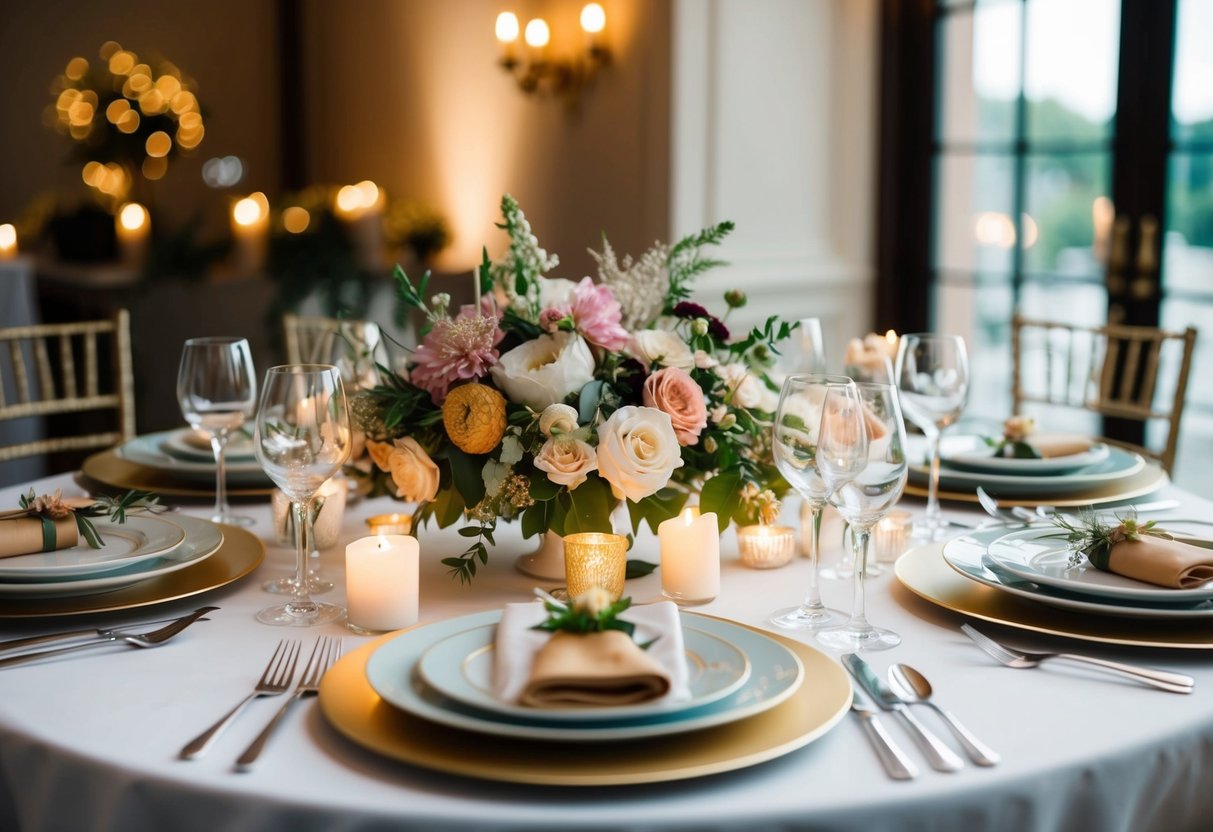
When planning a wedding breakfast, it’s essential to consider your culinary choices, catering needs, and dietary requirements. This meal sets the tone for the celebration and ensures that your guests feel welcomed and cared for.
Working with Caterers
Choosing the right caterer is crucial to your wedding breakfast experience. Look for caterers who specialize in weddings and have good reviews. Schedule a tasting session to sample the dishes, ensuring they match your expectations.
Discuss your vision for the menu with the caterer. Consider whether you want a formal sit-down meal or a more relaxed buffet style. Don’t forget about timing—typically, the wedding breakfast follows the ceremony by about two to three hours. This allows for photos and mingling among guests.
Dietary Requirements and Menu Choices
Your guest list may include various dietary needs. Make a list of common restrictions like vegetarian, vegan, gluten-free, or nut allergies. Discuss these with your caterer to create a menu that accommodates everyone.
Consider offering a couple of main course options along with several side dishes. You might want to present a welcome drink or appetizers before the meal begins. This way, everyone has something to enjoy while the main dishes are served.
Cake Ceremony and Evening Food
The cake often becomes a highlight of the wedding breakfast. Plan to have the cutting of the cake at the end of the meal. This moment can be an exciting photo opportunity for you and your bridal party.
After the wedding breakfast, you can consider offering some evening food. This is especially important if your celebration goes late into the night. Small bites like sliders, canapés, or a late-night snack table can keep the energy up for dancing and celebrations. Remember, fueling your guests adds to the fun!