
How Long Do British Weddings Last? A Guide to Typical Timelines and Traditions
When planning a wedding in the UK, one question that often arises is how long the celebrations will last. The average British wedding day lasts about 7 to 10 hours, which gives you plenty of time for all the special moments you’ll want to enjoy. From the ceremony to the reception, the day is packed with various activities that create lasting memories.
Different parts of the wedding day can vary significantly in length. For instance, most wedding ceremonies typically last around 30 minutes, but this can differ based on the type of ceremony you choose. If you’re considering a religious service, it may take longer, while a registry office wedding can be quite brief, sometimes just lasting about 10 minutes.
Understanding the timeline of your wedding will help you plan better and ensure everything runs smoothly. Knowing how long each part of your day will take can help you manage your time, making sure you enjoy every special moment without feeling rushed.
Ceremony Overview
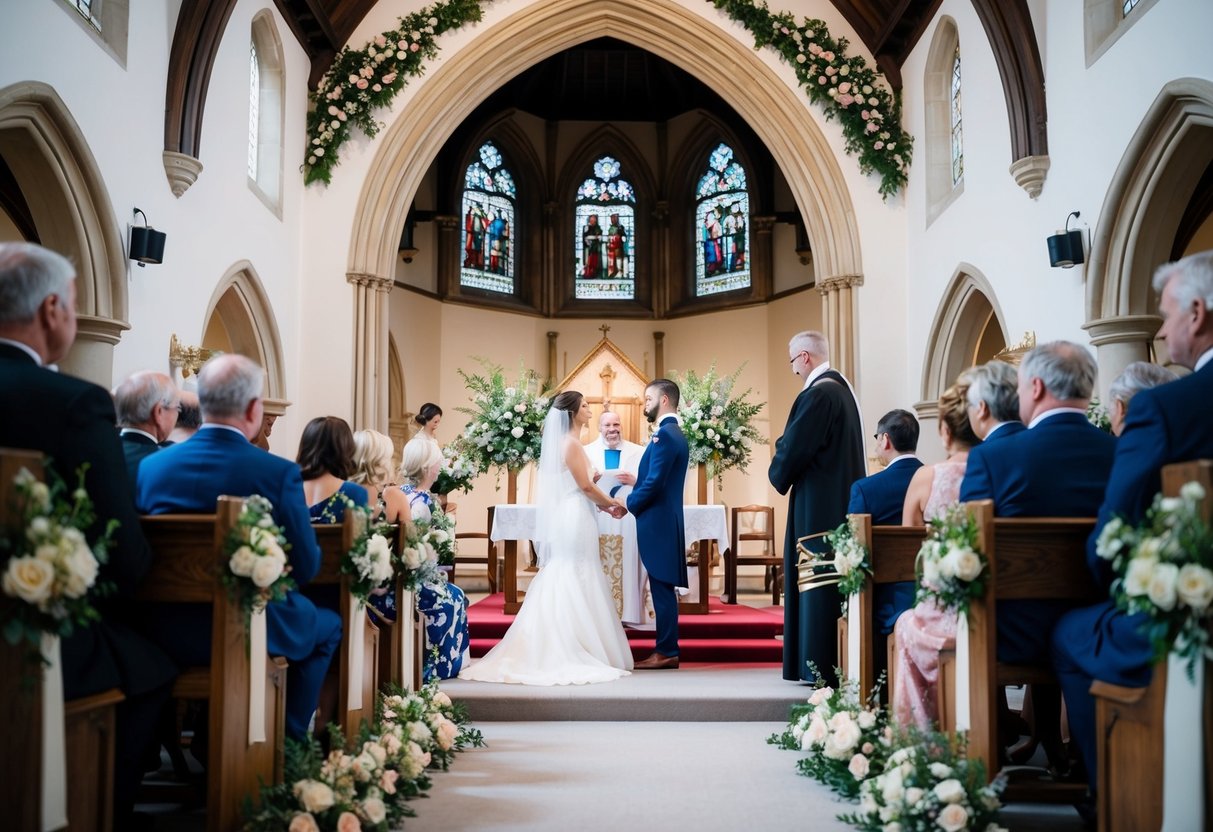
When planning your wedding, the ceremony is a key part of your special day. Different types of ceremonies have their own unique lengths and traditions. Here are some details about various types of weddings in Britain.
Church of England Weddings
A Church of England wedding ceremony typically lasts between 45 to 60 minutes. This time includes various components such as prayers, hymns, and the exchange of vows. The couple will often have the opportunity to choose readings and music, making the ceremony personal.
It’s common for a minister to bless the couple during the service, which adds a special touch. Guests usually enjoy a mix of traditional elements, including a sermon, reflecting the church’s customs.
The setting often enhances the experience, as many Church of England venues are rich in history and beauty.
Catholic Wedding Ceremony
Catholic wedding ceremonies usually take about 60 minutes. This length allows for several important rituals, including the Liturgy of the Word, where scripture is read, and the exchange of vows.
Couples may also include a Nuptial Mass, which combines the wedding with a full mass, adding extra time and richness to the ceremony.
During the ceremony, significant moments such as lighting a unity candle, taking part in communion, and receiving blessings from a priest create a deep spiritual experience.
It’s essential to discuss your preferences with the priest ahead of time to make sure your ceremony reflects your faith and personal style.
Other Religious Ceremonies
The length of other religious ceremonies can vary. For instance, a Jewish wedding typically lasts between 30 to 45 minutes. It includes key traditions like the breaking of the glass and the circling of the groom.
Muslim weddings, known as Nikah, also last about 30 to 45 minutes, focusing on the marriage contract.
Each of these ceremonies reflects time-honored customs specific to the faith, ensuring a meaningful experience for everyone involved. Planning ahead will help you include the traditions that matter most to you and your families.
Wedding Day Timeline
Planning your wedding day timeline is essential for a smooth and enjoyable experience. Each key moment plays a part in making your wedding special, from the grand entrance to the golden hour. Understanding these milestones helps ensure you and your guests can savor your big day.
Grand Entrance
Your grand entrance sets the tone for the celebration. This is the moment everyone has been waiting for, and it’s a great opportunity to make a memorable statement. Typically, this occurs right after the ceremony.
Traditionally, the bride often makes her entrance last, allowing the groom to greet her. You may want to choose a special song that reflects your personality or the theme of your wedding.
Tips for a smooth entrance:
- Practice: Walk down the aisle a few times before the big day.
- Timing: Ensure the entry happens when guests are settled, avoiding distractions.
First Dance and Parent Dance
The first dance marks the start of the wedding reception’s festivities. It’s an intimate moment that showcases your love. As the newlyweds, you’ll probably want to choose a song that means something special to both of you.
Following your first dance, many couples include parent dances. Typically, the bride dances with her father, while the groom dances with his mother. These dances often bring out emotion and joy, creating a beautiful atmosphere.
What to remember:
- Song Selection: Choose music that resonates with you and your family.
- Choreography: If you plan to dance, consider a few lessons beforehand for extra confidence.
Cake Cutting
Cake cutting is a classic wedding tradition that symbolizes your new life together. This moment usually occurs after dinner but before dessert is served. It’s a fantastic photo opportunity for you and your guests.
When it’s time to cut the cake, ensure everyone can see. Traditionally, you’ll feed each other a slice as a fun way to celebrate your union.
Key considerations:
- Cake choice: Pick a cake flavor that you both enjoy.
- Serving: Decide if you want to serve the cake yourself or have a dedicated person.
Golden Hour Moments
Golden hour refers to the time shortly before sunset when the lighting is soft and warm. This is the perfect time to capture stunning photos of you as a couple.
Many photographers recommend setting aside time during the golden hour for these portraits. The beautiful natural light adds a magical touch to your wedding album.
Helpful tips:
- Timing: Check the sunset time for your wedding day.
- Communicate: Let your photographer know you’d like to schedule this special time.
Reception Celebrations
After the wedding ceremony, the reception is your chance to celebrate with family and friends. This part of the day is filled with joy, laughter, and various traditions that make your wedding unique.
Cocktail Hour
The cocktail hour usually takes place right after the ceremony. It’s a time for guests to mingle and enjoy drinks and small bites while the wedding party takes photos. This hour sets a relaxed vibe for the rest of the evening.
You might serve a mix of signature cocktails and non-alcoholic options to satisfy everyone. Some popular choices include classic favorites like gin and tonic or a refreshing lemonade. You can even include a themed drink that represents your love story.
During this time, light music or a small band often enhances the atmosphere, making it a fun start to the celebrations.
Wedding Traditions
British weddings are rich in traditions that often make the reception more special. One common custom is the first dance, where you and your partner take the floor together, symbolizing your new life.
Another popular tradition is the cake cutting. Couples typically slice a tier of the wedding cake together, which represents unity. It’s also a memorable photo opportunity!
Guests may also participate in games or fun activities, like the garter toss or the bouquet toss. These traditions help display the joy of the occasion and keep everyone engaged throughout the night.
Key Players and Logistics
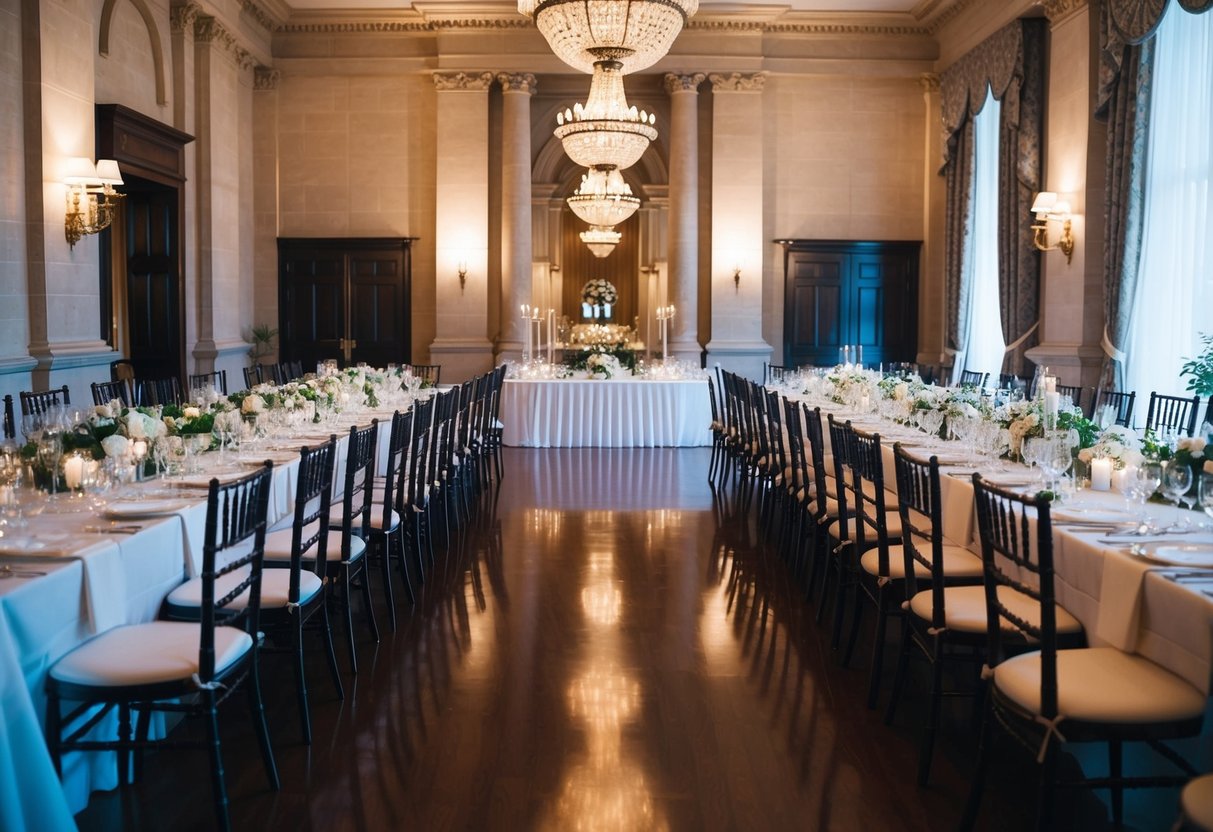
When planning a wedding, knowing the key players and managing logistics is essential. This includes coordinating with professionals and ensuring your guests are well taken care of. You’ll want everything to run smoothly while creating a memorable experience.
Wedding Photographer
Choosing the right wedding photographer is crucial. They capture the special moments of your day. Look for someone who understands your style. Consider checking their portfolio to see past work.
When you decide on a photographer, discuss key details like the schedule, locations, and special shots you want. Make a list of family members for group photos to ensure no one is missed.
Staying in touch with your photographer helps give them insight into your day, ensuring they know when and where the best moments will occur.
Be clear about your expectations and confirm the delivery timeline for your photos. This will help you enjoy your day while leaving the details to them.
Venue and Guest Management
Selecting the right venue impacts your wedding’s atmosphere and logistics.
Consider capacity, location, and accessibility for your guests. You should visit multiple venues to find one that fits your theme and budget.
Once you have a venue, focus on guest management. Create a clear guest list and send out invitations early. Then, keep track of RSVPs to estimate how many seats and meals you’ll need.
Plan for seating arrangements to help guests socialize comfortably. Ensure the venue has enough space for your ceremony and reception. Also, think about parking options and accommodations for out-of-town guests.
By managing these details effectively, you can help your wedding day run smoothly.