
How Long Do Couples Wait to Get Engaged? Understanding the Timing Behind Proposals
In today’s world, many couples wonder about the right timing for engagement. On average, couples date for about 2 to 2.5 years before getting engaged. This period allows you to build a strong relationship and understand each other deeply, which can make your commitment even more meaningful.

As you navigate the dating scene, you might find that some couples pop the question fairly quickly, while others take their time. Factors like personal values, family expectations, and life goals play a big role in how long couples wait. Knowing the average timeline can help you set realistic expectations for your own relationship.
Every couple is unique, and your journey may differ from the norm. Whether you’re in a brand-new relationship or one that has blossomed over several years, understanding engagement timelines can bring clarity and reassurance to your commitment.
Understanding the Timeline of a Relationship
The timeline of a relationship helps you navigate the important phases. Understanding these phases, like moving from dating to a serious relationship, can clarify your commitment level and strengthen your bond.
From Dating to a Serious Relationship
Many couples start dating without any serious intentions. During this stage, you get to know each other’s interests and lifestyles. Casual dates often focus on fun activities, allowing you to enjoy each other’s company.
As feelings deepen, the relationship may shift into something more serious. This is often when discussions about commitment begin. You may start to see each other more regularly and include each other in family events.
This stage is important for establishing trust and communication. It’s essential to be open about your feelings and expectations. Moving in together often comes next, as it shows a higher level of commitment.
The Significance of the Honeymoon Phase
The honeymoon phase is that magical time when everything feels perfect. You may experience love at first sight, where everything seems exciting and new. During this phase, couples typically spend a lot of time together and focus on each other.
Emotions run high, and you may feel infatuated with your partner. This period usually lasts a few months but varies from couple to couple. It’s essential to enjoy this time, as it lays the foundation for a long-term relationship.
As the honeymoon phase fades, reality sets in. You might face challenges that test your commitment. Recognizing this shift is essential in building a stable and loving partnership.
Factors Influencing Engagement Timing
Several key factors can impact how long couples wait to get engaged. Understanding these influences can help you navigate this important decision in your relationship.
Assessing Financial Readiness
One of the biggest factors in deciding on engagement is financial readiness. Couples often want to ensure they are stable before taking this step. This includes paying off debt, saving for a future, and planning for wedding costs.
According to relationship experts, many American couples prefer waiting until they have a solid financial foundation. This helps avoid stress later in their marriage. Creating a budget can help you assess your financial situation. Consider factors like income, expenses, and savings goals as you plan your future together.
Emotional Readiness and Finding ‘The One’
Emotional readiness is crucial when deciding to get engaged. Many people want to feel secure in their relationship before making such a commitment. This may mean waiting longer if you or your partner have doubts.
Finding “the one” often influences the timing of engagement. As you build trust and communicate openly, you will both feel more comfortable taking the next step. Relationship experts suggest focusing on key elements like love, respect, and compatibility to ensure you’re ready for this commitment.
Cultural and Societal Expectations
Cultural and societal expectations can also shape when couples decide to get engaged. In some cultures, there is pressure to marry by a certain age. This can lead to couples feeling rushed, even if they aren’t fully prepared.
In other cases, you may find that societal norms encourage longer engagements, allowing couples to enjoy their time together. Reflecting on these influences can help you find the right balance between your needs and external pressures.
Engagement Traditions and Trends
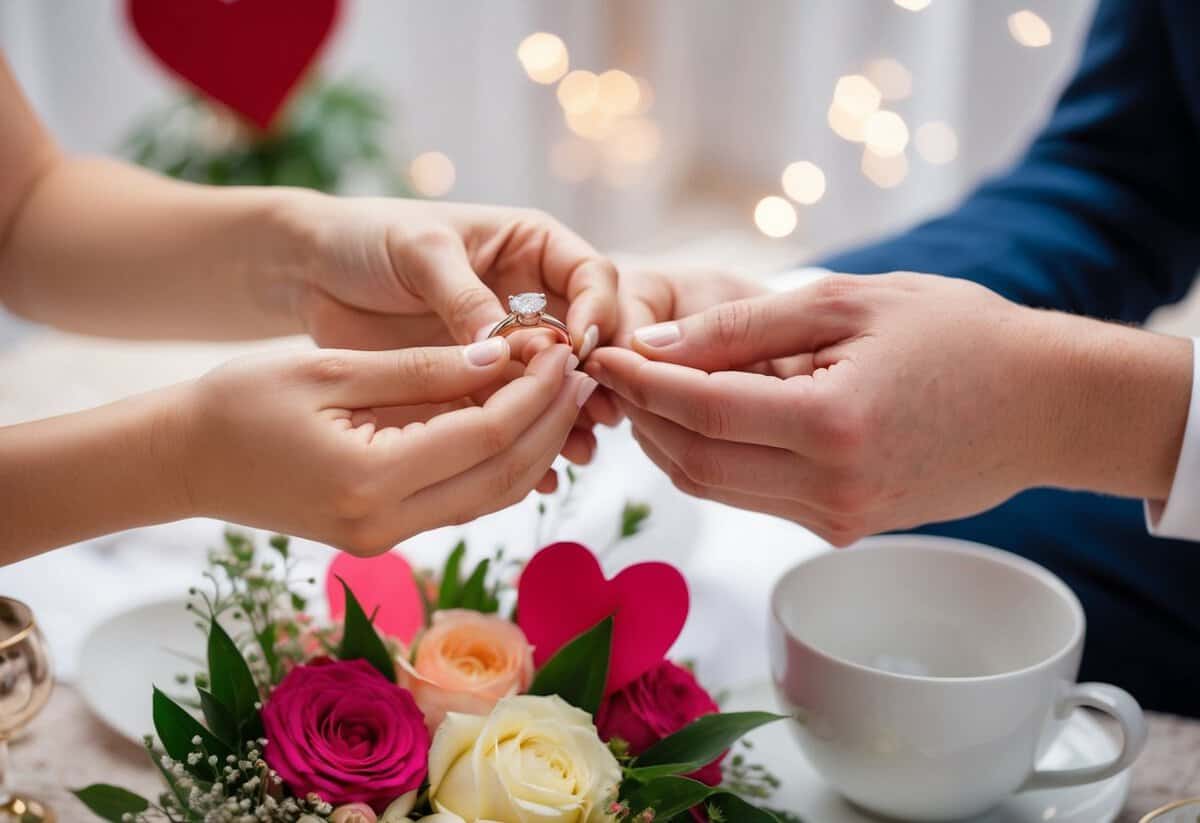
Engagement traditions have evolved over time. Understanding when and how people propose can guide you as you think about your own journey. Let’s look at some popular times for proposals, patterns among millennial couples, and how to choose the perfect engagement ring.
Popular Times for Proposing
Many couples choose meaningful times for their proposals. Holidays, like Christmas and Valentine’s Day, are popular for popping the question. Around 40% of proposals happen during the holiday season, making it a special time to celebrate love.
Another favored time is during engagement seasons, specifically fall and winter. The cool weather and beautiful scenery often inspire romantic moments. You might notice more proposals around Thanksgiving, when friends and family gather. This setting can make your proposal even more memorable.
Millennial Engagement Patterns
Millennial couples often have different engagement trends compared to previous generations. Typically, they date for about 13 to 18 months before getting engaged. Many prioritize personal development and career goals before planning for marriage.
Statistically, around 70% of couples wait at least two years before tying the knot. As a result, the engagement length can vary widely, with many couples choosing to be engaged for 6 months to 1 year. This allows time to plan a meaningful wedding while enjoying the excitement of being engaged.
Choosing the Right Engagement Ring
Finding the ideal engagement ring is an important step in the proposal process. You’ll want to consider your partner’s style and preferences. Start by looking at their jewelry collection to get a sense of what they like.
Popular choices include classic diamond rings, but unique styles like colored stones are also trending. You can also decide between different cuts such as round, princess, or cushion. It’s wise to stay within your budget while selecting a ring that represents your love.
Don’t forget to involve your partner if you think they’d prefer to help choose. This can ensure the ring is perfect and suits their taste. An engagement ring should be a reflection of your relationship, making the proposal even more special.
Planning for the Future
Planning for the future after an engagement is essential. It involves good communication and setting clear goals. You want to make sure you and your partner are on the same page and ready to move forward together.
Pre-Wedding Communication and Planning
Before diving into wedding planning, have important conversations with your partner. Talk about your vision for the wedding, including themes, guest lists, and budget. These discussions help you both understand each other’s expectations.
Consider setting a timeline. Decide whether you want a short engagement of a few months or a longer engagement lasting over a year. Having a clear idea of the average engagement length in your circle can help in planning.
Also, think about any DIY projects you want to include. Will you make your own decorations or invitations? Establish roles so that responsibilities are clear, making the planning process smoother and more enjoyable.
Life After the Engagement: What’s Next?
After you get engaged, embrace the excitement but focus on what’s next. You’ll need to plan the wedding while keeping your future goals in mind.
Start by discussing how you’ll manage finances together. Ensure that both of you are comfortable with spending and saving for your future.
You might also want to explore apartment hunting or finding a home together. This can be a great way to bond and set the stage for your life after the wedding.
Remember, regular check-ins are important to keep communication open. Discuss what your different roles will be in your life together post-engagement, so you’re both prepared for what’s ahead.