
How Long Do Guests Stay at a Wedding? Understanding Wedding Attendance Trends
Attending a wedding is a special experience, filled with joy as you celebrate love and commitment. You might wonder, guests typically stay for the entire wedding reception, which lasts around 4 to 6 hours. This time allows you to enjoy the ceremony, partake in delicious food, and dance the night away with other loved ones.
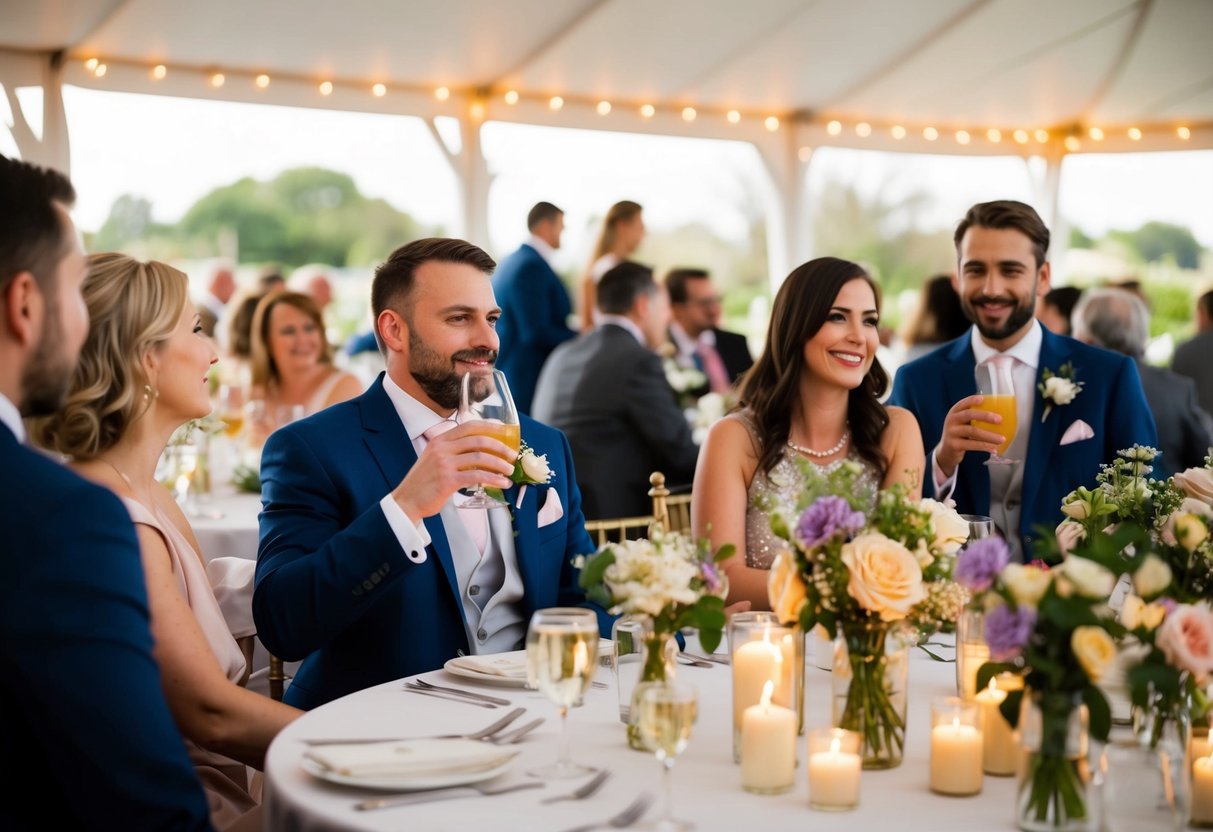
Depending on the couple and the event’s schedule, some guests may want to arrive early or stay late. This can include attending pre-wedding events or lingering after the reception ends. The aim is to share these memorable moments, making it worthwhile to stay until the cake is cut and the final song plays.
If you’re heading to a destination wedding, you might find that guests typically stay for at least three nights. This gives you the chance to enjoy not just the ceremony and reception but also the local sights and activities. Whether you’re celebrating locally or traveling to a beautiful spot, being present for the full event enhances the memorable experience.
Understanding Wedding Timelines
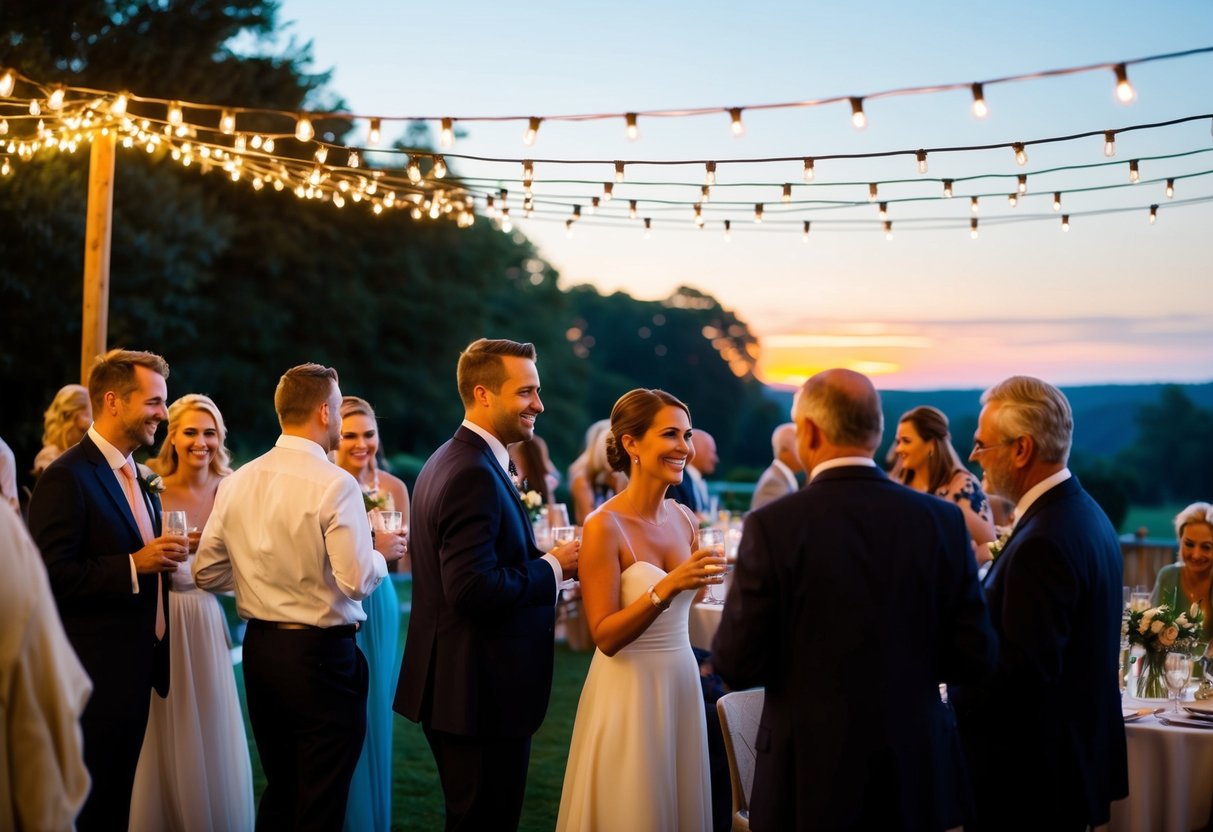
Knowing the schedule for a wedding can help guests feel prepared and comfortable. You’ll find that understanding both the ceremony and reception timelines is key to enjoying the day.
Ceremony Schedule
The wedding ceremony is often the focal point of the day. Typically, ceremonies last around 30 minutes to 1 hour. It usually starts with guests arriving, followed by the processional, vows, and the announcement of the couple.
Make sure to arrive early to grab a good seat. Most weddings have a specific order. For example:
- Guest Arrival: Usually 30 minutes before.
- Processional: 10 minutes for the entrance of the wedding party.
- Ceremony: 20-30 minutes for the officiant, vows, and ring exchange.
- Recessional: 5-10 minutes for the couple to exit.
Timeliness is key during the ceremony, as it sets the stage for the celebrations to follow.
Reception Order of Events
The reception is where the fun really begins. This part can last from 4 to 6 hours, depending on what you plan. It typically includes various activities to celebrate the couple.
Here is a common order of events for a wedding reception:
- Cocktail Hour: About 1 hour for mingling and drinks.
- Dinner: Often 1-2 hours, which may include speeches.
- First Dance: A special moment for the couple to share.
- Dancing: Usually the longest part, lasting several hours.
- Cake Cutting: Often occurs after dinner.
Understanding this timeline helps you enjoy the celebration fully while knowing when special moments will happen.
Guests’ Role at the Wedding
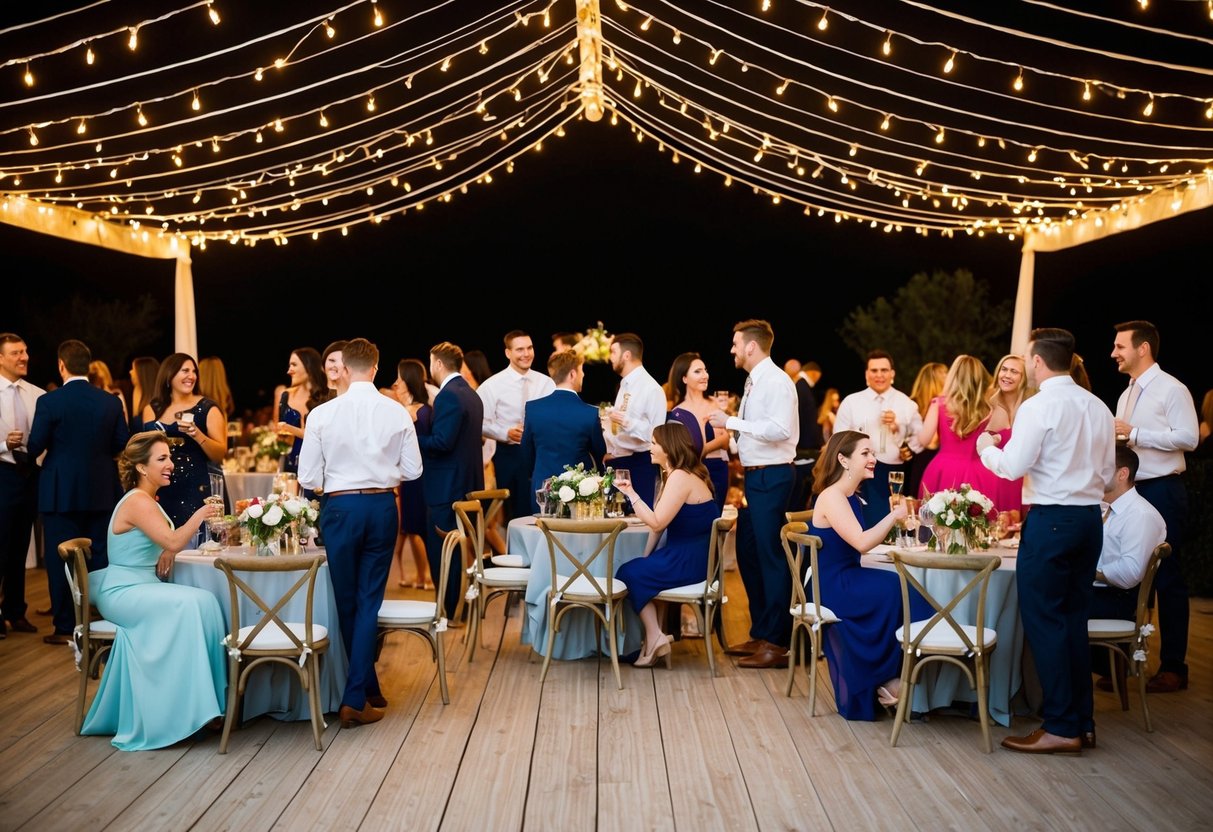
As a wedding guest, you play an important part in the celebration. Your actions can enhance the occasion for the couple and all other guests. Understanding wedding etiquette helps you contribute positively to the event.
Arrival and Ceremony Etiquette
Arriving on time shows respect for the couple and other guests. Aim to be at the venue at least 15 minutes early. This allows you to find your seat and settle in before the ceremony begins.
If it’s an unplugged wedding, remember to put away your phone and cameras during the ceremony. These customs help maintain the focus on the couple.
During the ceremony, participate by being attentive and quiet. Cheering or talking can disturb the moment. Engaging respectfully makes the experience memorable for everyone.
Reception Participation
After the ceremony, you’ll head to the reception, which is usually a joyful time. Here, you can enjoy food, mingle, and celebrate with the couple.
Take part in traditional activities like the first dance and toasts. These moments are special and create lasting memories.
Don’t forget about the cake cutting! This is a fun time where you can capture beautiful pictures. If there’s dancing, join in and have fun! Your participation makes the celebration lively and inclusive.
Significance of RSVP
RSVP is a crucial part of wedding etiquette. When you receive your invitation, respond as soon as possible. This helps the couple plan the event effectively.
Allotting numbers for meals and seating requires accurate guest counts. If you can’t attend, it’s still polite to inform the couple.
Ignoring the RSVP can lead to stress for the hosts. Etiquette experts agree that a prompt response is simply the right thing to do. Your consideration ensures a smoother celebration for everyone involved.
Celebration and Traditions
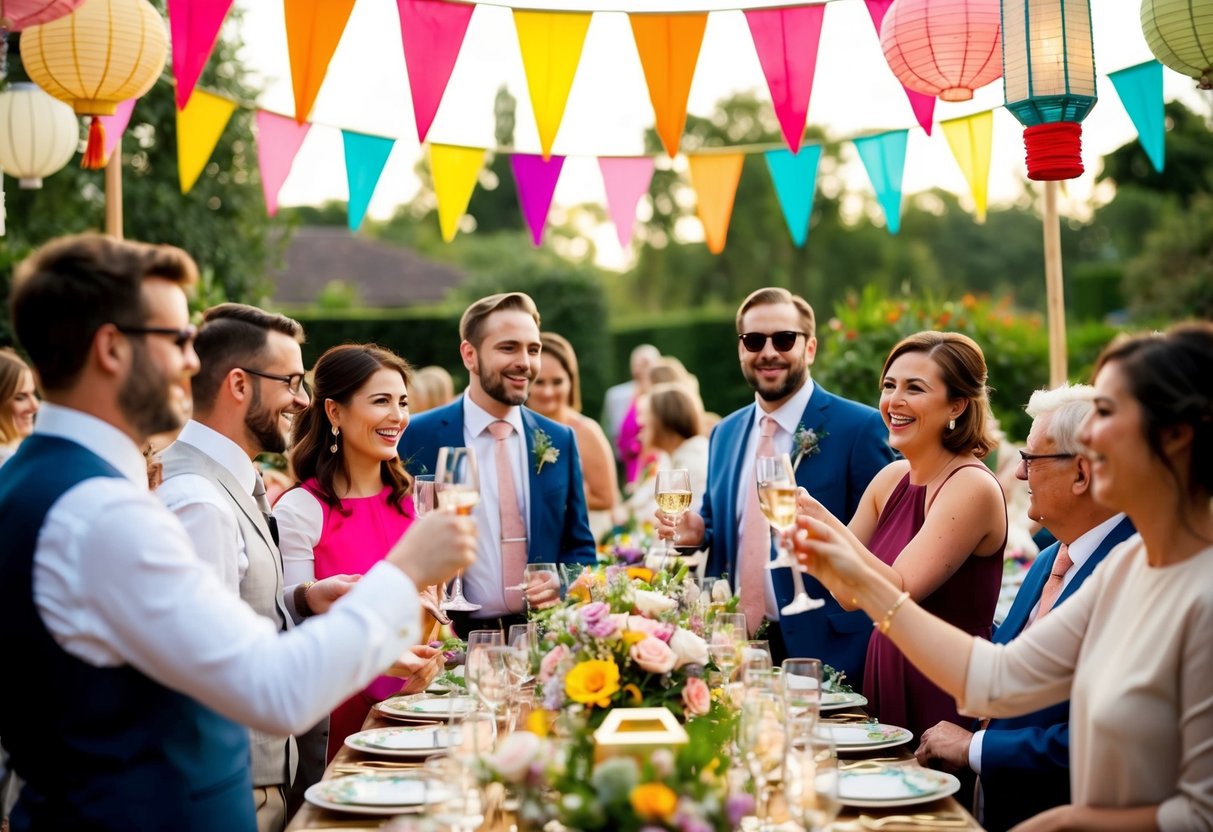
Weddings are filled with joyful moments and cherished traditions. From the cocktail hour to the grand exit, each part of the celebration is designed to create lasting memories.
Cocktail Hour and Dinner
During the cocktail hour, you get to mingle with other guests while enjoying appetizers and drinks. This is a great time to connect with friends and family, especially if you haven’t seen them in a while.
Afterward, dinner is typically served as guests take their seats. This part of the evening is often filled with laughter and conversations, as the wedding party takes a moment to relax. You might also hear speeches that share touching stories about the couple.
Dancing and Activities
Once dinner is over, the real fun begins. The dance floor opens up for everyone to join in. Often, the couple will start the dancing with their “first dance,” followed by the wedding party joining in.
Traditional activities like the bouquet toss and garter toss happen during this time. It’s customary for the DJ or band to keep the energy high, encouraging guests to let loose and enjoy themselves.
The Grand Exit
As the celebration comes to a close, the grand exit is a highlight. Guests often line up to cheer for the couple as they leave. This moment can include fun elements like sparklers or confetti.
You might want a photographer there to capture this special send-off. It’s one of the last chances to celebrate together, making it a memorable end to a wonderful event.
Planning Your Visit
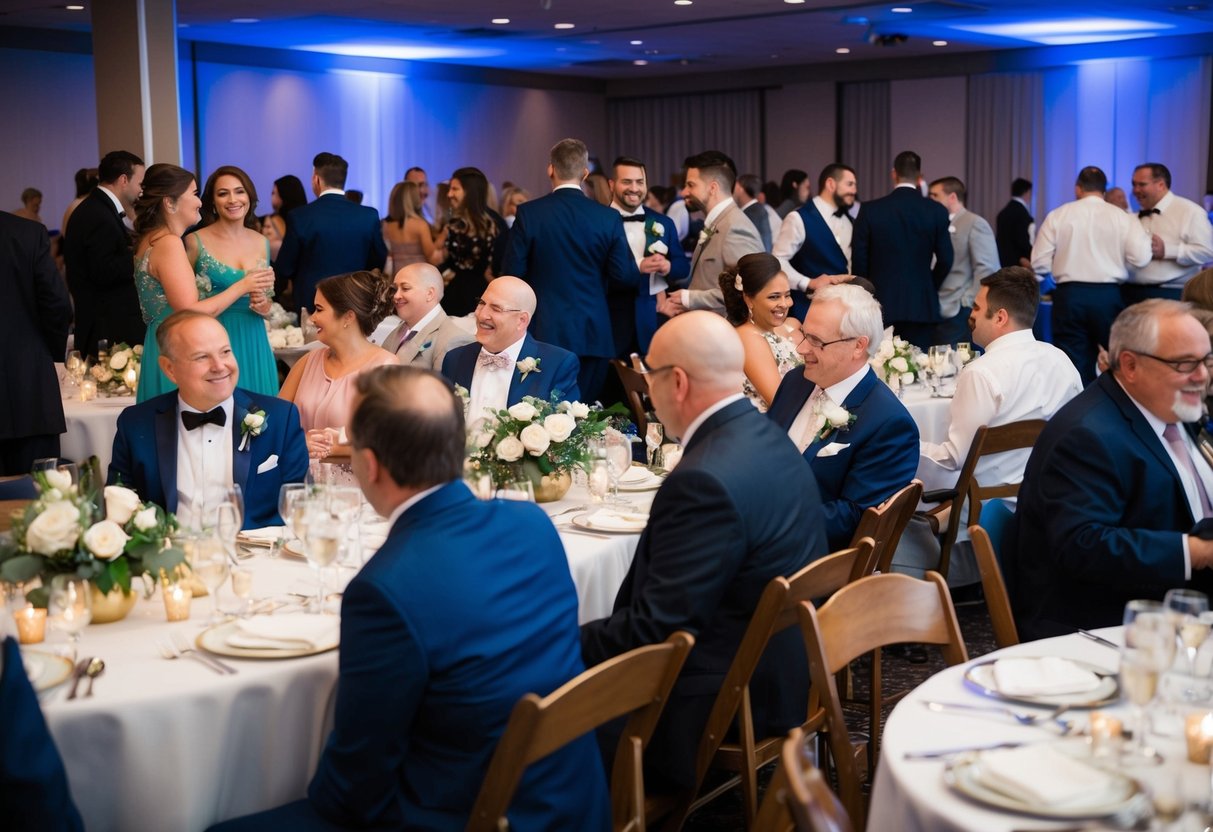
When attending a wedding, having a clear plan can make the experience enjoyable and stress-free. It’s important to understand expectations, follow the dress code, and know how to say your goodbyes appropriately.
Wedding Invitations and Expectations
Your wedding invitation is your guide. It often includes details about the ceremony, reception, and any special events. Pay close attention to the RSVP request. This helps the couple manage their guest list effectively.
If the invitation mentions a plus-one, you can bring a guest. Make sure you inform the couple how many will attend. This helps with seating arrangements and catering.
Be on the lookout for any specific instructions, like dress codes or themes. Knowing what to expect will help you feel comfortable and prepared.
Dressing According to Code
Weddings often have a dress code, which can vary based on the location and formality of the event. Generally, the invitation will indicate this.
Here are common dress codes:
- Black Tie: Formal evening wear.
- Cocktail Attire: Dressy but not overly formal.
- Casual: Nice dress or slacks and a nice top.
Following the dress code shows respect for the couple’s wishes. It also helps you fit in with other guests, increasing your comfort throughout the event. Remember to arrive early, allowing you to settle in before the ceremony begins.
The Courtesy of Goodbyes
Saying goodbye to the hosts is a thoughtful gesture. It shows appreciation for their efforts in planning the celebration.
As the night winds down, find a moment to thank the couple. Compliment them on the event and share a memory or two.
If you can’t say goodbye in person, consider sending a message later. This thoughtful follow-up reinforces your gratitude.
Making an exit is important. Do so politely and gracefully, ensuring you leave on a positive note. These simple acts of courtesy will enhance the experience for everyone involved.