
How Long Do People Date Before Second Marriage? Understanding the Timing and Dynamics
One important question often arises when considering a second marriage: how long should you date before taking the plunge again? Research suggests that dating for at least a year can help build a strong relationship foundation. Going up to two years may reduce the chances of divorce by about 20%. This time allows you to learn more about each other and ensures that both partners are ready for this significant commitment.

Factors like your past experiences and age can play a big role in how long you should date. Many people find that they need time to heal and reflect before starting a new relationship. Those in their 60s, for instance, may focus on shared values and life goals more than younger couples.
Exploring what works best for you is key. By taking the time to date thoughtfully, you increase the likelihood of a happier and healthier second marriage. Understanding these elements can guide you on this journey and help set the stage for a lasting partnership.
Understanding Second Marriages

Entering a second marriage can be both exciting and challenging. It often involves navigating unique dynamics and personal growth. Understanding these aspects can help you build a stronger foundation for your new relationship.
The Dynamics of Remarriage
Remarriage usually involves more than just two people. It may include children from previous relationships, creating a blended family. You must consider family dynamics carefully. Open communication is vital to ensure everyone feels included.
When establishing new roles and boundaries, it’s essential to address any existing relationships. Each family member may have different feelings about the new marriage. Take the time to listen to concerns and share emotions. This can foster a trusting environment.
Creating traditions and routines together can also help unite the family. Consider planning regular family activities that everyone can enjoy. This reinforces bonds and makes everyone feel valued in the new family structure.
Role of Personal Growth in Second Marriages
Personal growth plays a critical role in second marriages. Reflecting on past experiences can help you understand what worked and what didn’t. Recognizing patterns in your previous relationship can guide you toward healthier choices.
You should focus on your emotional well-being. Developing self-awareness can improve how you communicate with your partner and family. This journey often includes seeking support through counseling or workshops.
Your new relationship can thrive if you build a solid foundation of respect and trust. Share your expectations and goals with your partner. This mutual understanding helps align your paths and prevents misunderstandings down the road.
Investing in personal growth will benefit not just you, but your entire blended family. Embrace the journey, and watch your new relationship flourish.
How Long to Date Before Remarrying
When considering remarriage, dating for the right amount of time is crucial. You want to ensure that you and your partner know each other well enough to build a strong foundation. The dating timeline can vary, influenced by different factors in your lives.
Dating Timeline in Second Marriages
The average relationship length before a second marriage is typically around two years. This time allows you to get to know each other better, understand each other’s needs, and navigate challenges together.
Dating for at least one to two years can also give you insight into your partner’s habits and personality traits. It’s important to move beyond the initial honeymoon phase and see how both of you handle conflicts and stress.
While a year might be the minimum, longer dating often leads to stronger relationships. Research shows that dating for two years can reduce divorce rates significantly. Taking this time helps you develop a more profound connection, often leading to a healthier marriage.
Factors Affecting Relationship Length
Several factors affect how long you may want to date before remarrying.
- Previous Experiences: Your past relationships can shape your readiness for a new commitment. You may need time to heal from your previous marriage.
- Children: If you or your partner have kids, integrating families may require additional time for everyone to adjust.
- Personal Readiness: Assess if you feel emotionally ready for a new marriage. Trust your instincts about when it feels right.
Additionally, cohabitating before marriage can provide valuable insights into daily life together. Each relationship is unique, so take the time needed to build a healthy foundation.
Building a Strong Foundation
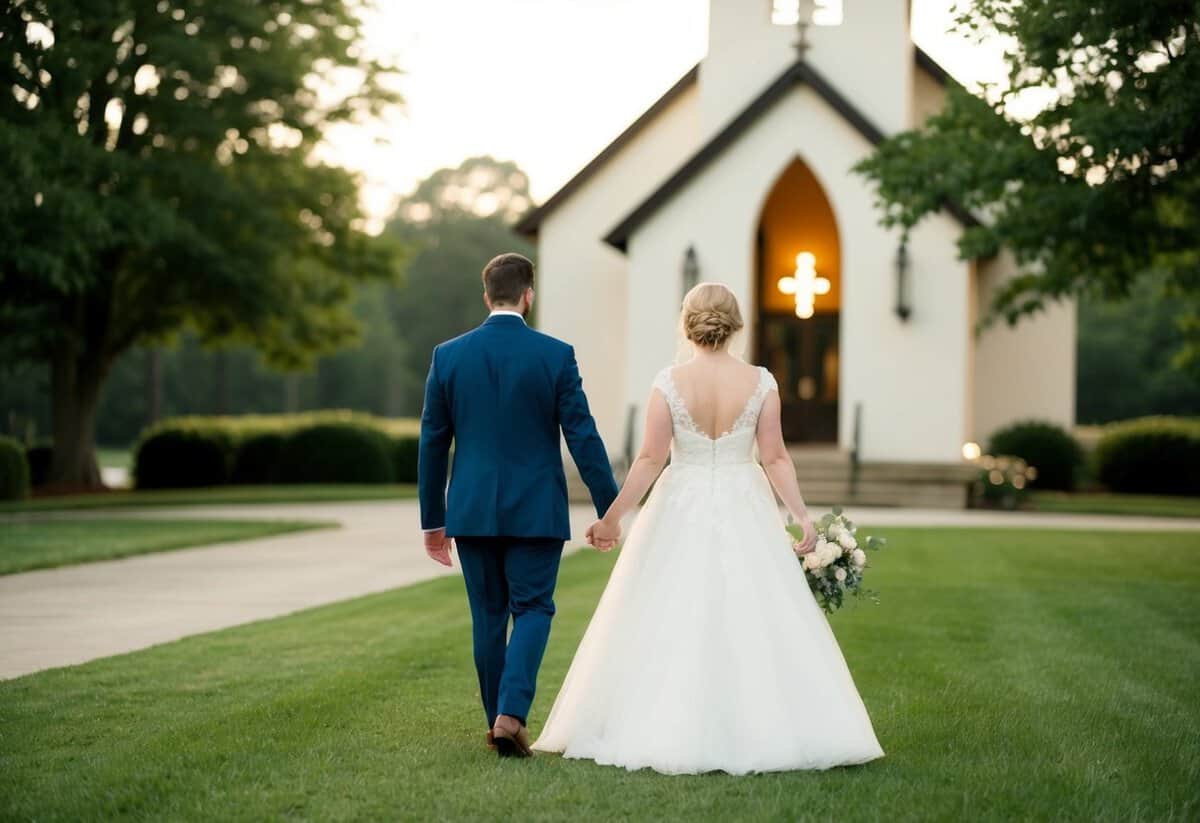
Creating a solid base for your second marriage is crucial. Focus on building communication and trust, as well as seeking help through premarital counseling to handle conflicts better. These elements can make your relationship stronger and healthier.
Communication and Trust
Effective communication is the heart of any relationship. You should share your thoughts and feelings openly with your partner. This honesty builds trust and deepens your connection.
Consider making a list of topics you both feel comfortable discussing. This could include family, finances, and past experiences. Addressing these areas can help prevent misunderstandings later.
If trust issues arise, tackle them head-on. Be honest about your expectations and past experiences. This creates a safer space where both of you feel valued and heard. By strengthening your communication skills, you pave the way for a healthier relationship ahead.
Premarital Counseling and Conflict Resolution
Premarital counseling offers valuable tools for navigating differences effectively. A trained counselor helps you recognize relationship patterns and improve conflict resolution skills.
During counseling, you can discuss important topics like finances, parenting, and future goals. This makes sure you’re aligned before saying “I do” again.
Additionally, learning how to handle conflicts is key. Focus on listening actively, avoiding blame, and using “I” statements. For example, instead of saying, “You never listen,” try, “I feel unheard when you interrupt.” This simple shift can change the tone of discussions significantly.
Counseling provides support and guidance as you prepare for your next chapter together.
Practical Aspects of Dating Before a Second Marriage

When you consider dating again, there are important aspects to keep in mind. This includes how you will blend families, your co-parenting arrangements, and setting clear expectations.
Cohabitation and Blending Families
Cohabitation can be a big step before remarriage. Living together helps you learn how to manage daily life as a couple. You can see how well you share responsibilities, handle finances, and spend time with kids.
When blending families, communication is essential. Both you and your partner should discuss parenting styles and family dynamics. It’s crucial to consider how your children will adjust. Each child may react differently to changes in their living situation. Having regular family meetings can help everyone voice their feelings and build unity.
Co-parenting and Expectations
Co-parenting can be challenging yet rewarding. When you date someone with kids, it’s vital to understand your role.
Discuss how you will both handle parenting duties. Clear communication about discipline and routines helps avoid conflicts.
Set realistic expectations regarding your relationship timeline. Many couples date for around two years before marrying again. This time allows you to understand each other’s parenting styles and family needs.
Be open about your thoughts on family integration and support each other in the co-parenting journey. Building a united front can create a more stable environment for everyone involved.