
How Long Do You Give Guests for Destination Wedding? Tips for Planning Travel and Accommodation
Planning a destination wedding involves many exciting details. One of the most important is how long to give guests to RSVP. For a destination wedding, it’s best to send invitations 3 to 4 months in advance and ask for RSVPs at least 1 to 2 weeks before the event. This timeline allows your guests enough time to make travel arrangements and finalize their plans.
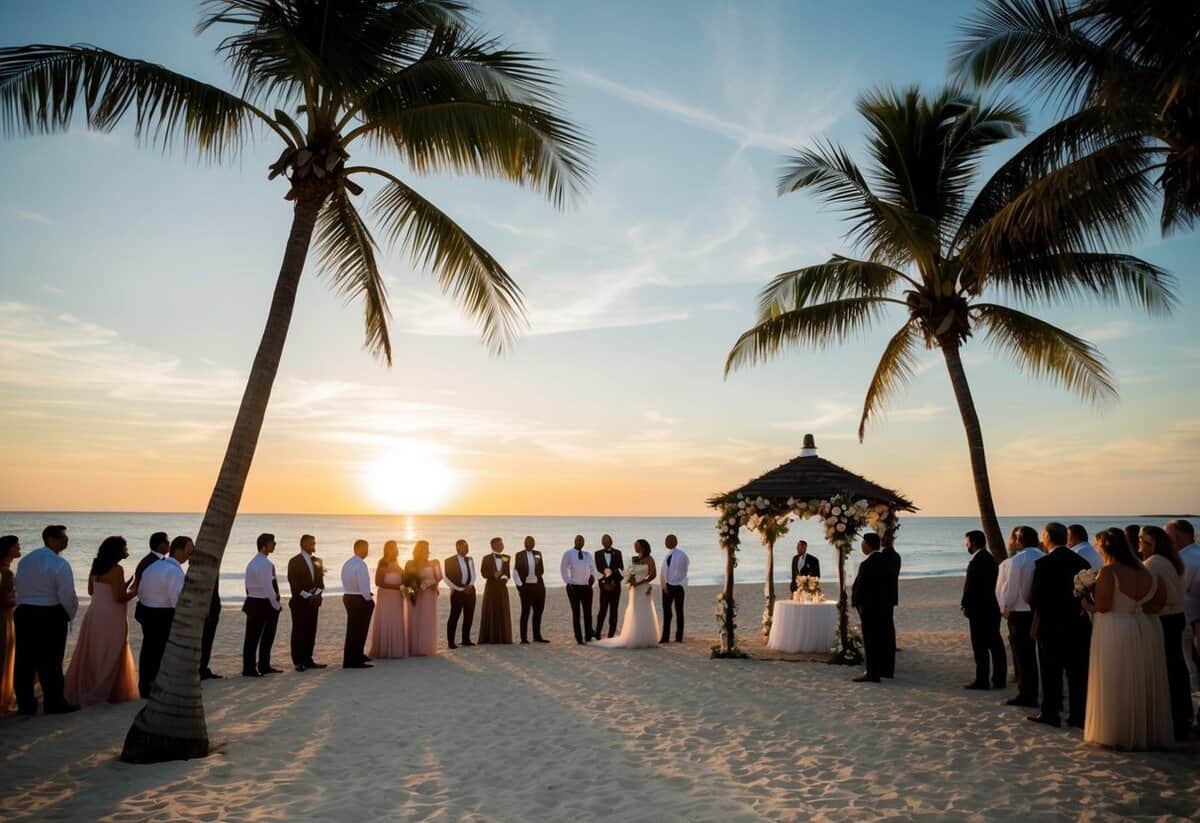
You want your loved ones to join you on your special day without feeling rushed. Providing ample notice not only helps them secure accommodations but also accommodates their schedules, so everyone can celebrate together.
In this post, you’ll find tips to manage your guest list and ensure your wedding plans go smoothly. This way, you can focus on enjoying your celebration.
Setting Your Destination Wedding Date

Choosing your destination wedding date is an important step. It affects your guests’ ability to attend, so think carefully.
Start by considering the time of year. Popular seasons may fill up quickly. For pleasant weather, many couples choose spring or fall.
Next, think about your guests. Keep in mind that they will need to make travel arrangements. Aim to give them enough notice, ideally 3 to 4 months before the event. This allows them to book flights and accommodations.
You may also want to avoid major holidays. Guests might have other plans or struggle with travel expenses during busy times. Instead, look for dates that are easier for everyone.
Don’t forget to communicate clearly. When sending invitations, include details about time off work. This helps guests plan their schedules better. Highlight important details early to help them make decisions.
Finally, consider your own schedule. Make sure you have enough time to plan every detail. This way, you can enjoy the lead-up to your special day without stress!
Creating and Sending Invitations
Invitations set the tone for your destination wedding and inform your guests about essential details. It’s important to create and send them thoughtfully, providing your guests sufficient time to plan their travel and accommodations.
Crafting the Perfect Save-the-Date
Your save-the-date cards are the first chance to excite your guests about your destination wedding. Aim to send these out 8 to 12 months before the wedding date. This gives everyone ample time to make travel arrangements.
Include key details like the wedding date, location, and a note that a formal invitation will follow. Consider choosing a design that reflects your wedding theme. This creates anticipation and helps guests mark their calendars!
If possible, use a digital option too. It can be a quick way to reach guests who might be scattered across different locations.
Designing Your Destination Wedding Invitations
When designing your destination wedding invitations, think about the key information your guests need. Include details like the venue, travel options, and accommodation recommendations.
Send your invitations 6 to 8 months in advance. This timeframe allows guests to manage their RSVPs and travel plans. Be clear about your RSVP deadline, which should be around 3 to 4 months prior to the event. This helps you finalize arrangements with vendors.
Consider using elegant yet easy-to-read fonts. Utilize colors and graphics that reflect your chosen destination. Whether you choose physical or digital wedding invitations, both should convey the same message and excitement.
Managing RSVPs Efficiently
Managing RSVPs for a destination wedding can be streamlined. Include RSVP options on your invitations, either through a response card or digital RSVP method. Digital RSVPs can be helpful for tracking responses in real-time.
Set a clear RSVP deadline to ensure you receive responses on time. You might even consider sending a friendly reminder email if you haven’t heard back from some guests. This keeps everyone on track and helps you prepare better.
Observe which guests might need additional reminders. Planning your seating chart and meal counts will be much easier with timely RSVPs, letting you focus more on enjoying your special day!
Coordinating Guest Accommodations
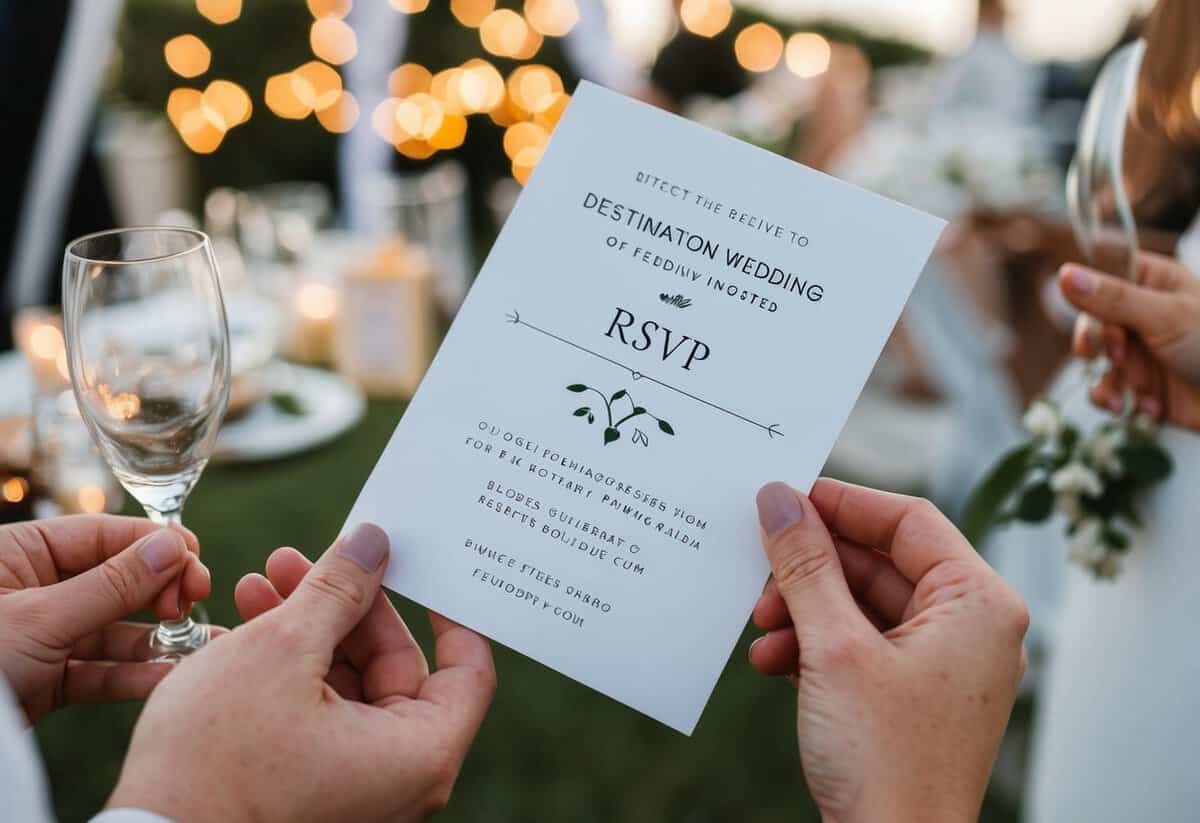
When planning a destination wedding, it’s important to ensure your guests have comfortable places to stay. Coordinating accommodations and providing transportation options can make their experience smoother and more enjoyable.
Securing Group Rates at Hotels
Start by reaching out to hotels near your venue. Many places offer group rates for wedding guests. This can help you save money while ensuring everyone stays close to the celebration.
You can negotiate with hotels for special perks, such as complimentary breakfast or shuttle services. Create a list of recommended hotels and share it with your guests. Include options like all-inclusive resorts for guests wanting a more relaxing experience.
Consider working with a travel agent to simplify this process. They can find the best rates and handle bookings, allowing you to focus on other wedding details.
Providing Transportation Options
Make traveling easy for your guests by offering clear transportation options. If your venue is in a remote area, provide information on shuttle services or car rentals.
You might also consider arranging a shuttle to take guests from their hotels to the wedding venue. This ensures everyone arrives on time. Include the schedule in your wedding itinerary.
Additionally, share information about local taxis or rideshare services. This can help guests navigate the area without stress. Clear communication will make their experience more pleasant and memorable.
Planning Wedding Events and Activities
When planning for a destination wedding, your focus should include organizing enjoyable group activities, finalizing the seating chart and catering, and detailing the wedding week itinerary. These elements help create lasting memories for you and your guests.
Organizing Group Activities
Group activities can enhance the wedding experience. Consider fun events like beach games, a wine tour, or cultural excursions that reflect the destination’s charm. Aim for a mix of relaxation and adventure to cater to everyone.
You can work with a wedding planner or coordinator to organize these activities. They can suggest local attractions and help with logistics, ensuring everything runs smoothly. Remember to send invites for these activities along with the wedding invitations. This gives guests time to plan.
Finalizing the Seating Chart and Catering
Creating a seating chart can be challenging but vital. Start by noting guests who should sit together and keep family dynamics in mind. A good seating arrangement fosters conversation and fun during meals.
For catering, select a menu that complements your wedding theme and destination. Include local cuisine to enhance the experience. Discuss options with your caterer and consider dietary restrictions. Creating a tasting session can help you finalize choices and ensure everyone enjoys the food.
Detailing the Wedding Week Itinerary
A detailed itinerary allows guests to feel informed and excited. Include important events such as welcome dinners, rehearsal schedules, and the wedding day timeline.
Let guests know about optional activities as well.
Distribute the itinerary via email or as a printed card with your invitations. Make sure it’s easy to read and highlights key times and locations.
A friendly tone can encourage guests to join in the planned activities. Being organized shows your care and thoughtfulness for their experience during your special week.