
How Long Does a 3 Course Meal Take for a Wedding? Timing Tips for Your Special Day
Planning the perfect wedding day includes many details, and one key aspect is the dining experience you provide for your guests. At your wedding reception, a three-course meal typically takes about 1.5 to 2 hours to serve. This timeframe includes guests being seated, serving the first course, and transitioning to the main course and dessert.
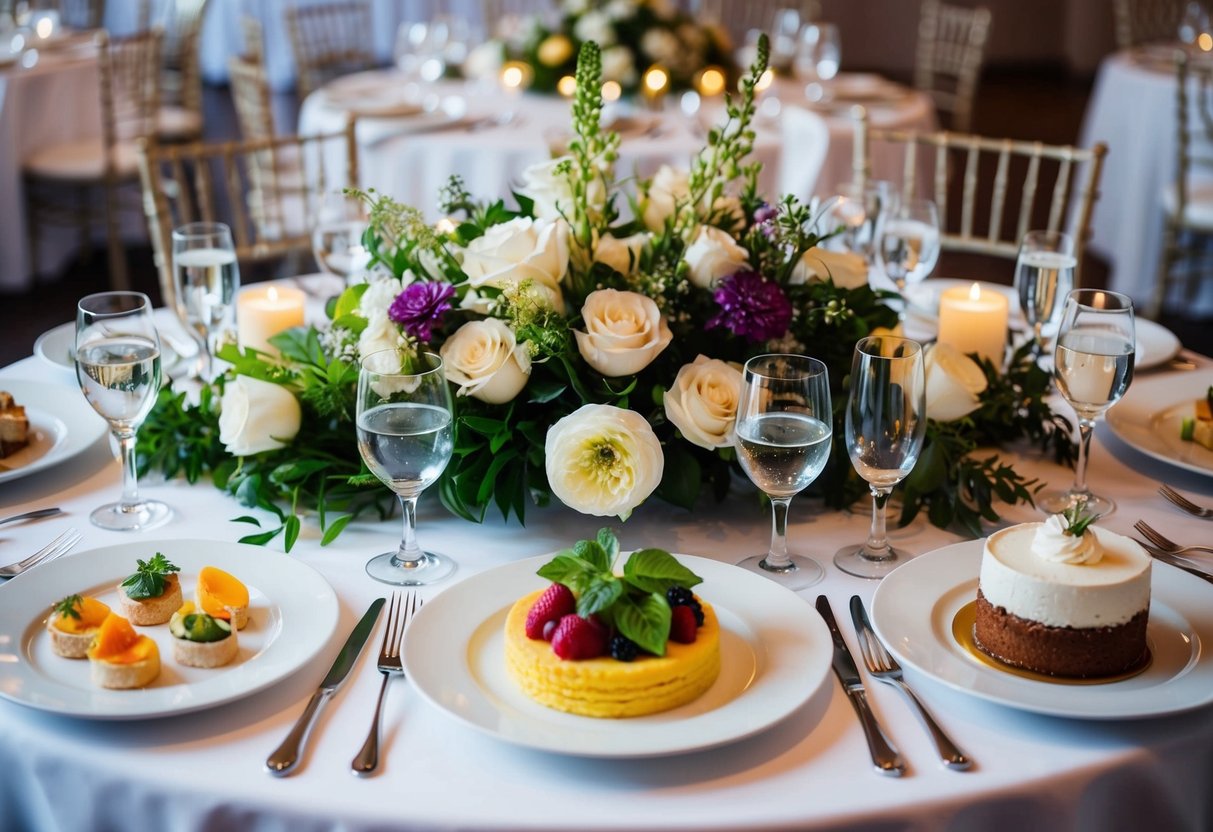
Understanding how long the meal will take can help you structure your wedding planning. You can better manage the timing of speeches, dancing, and other activities around the meal service. Knowing this can also minimize any stress on your special day, ensuring everything flows smoothly.
As you consider your menu and schedule, think about how a well-timed meal will enhance the enjoyment of your guests. Balancing great food and timing can make your wedding reception memorable for everyone involved.
Planning a Wedding Day Timeline
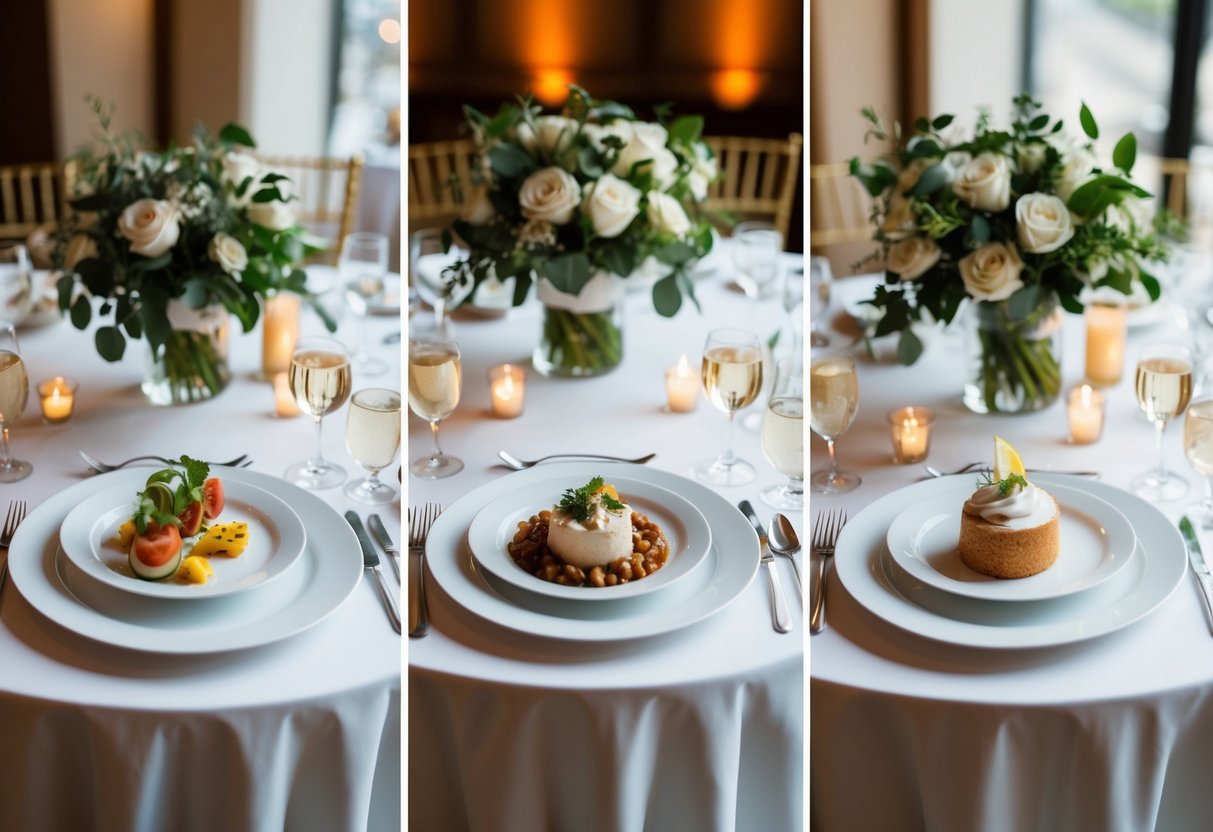
Creating an effective wedding day timeline is essential for a smooth flow of events. Key factors to consider include the transition from the ceremony to the reception, ensuring a memorable cocktail hour, and scheduling speeches and toasts.
Ceremony to Reception Transition
After your wedding ceremony, the transition to the reception is crucial. You want to allow time for guests to celebrate and mingle. Typically, aim for a 30 to 60-minute gap for photos and any last-minute details.
During this time, the venue may need a quick room turnaround if your ceremony and reception are in different spaces. Ensure your wedding planner or coordinator is on hand to manage any last-minute adjustments.
Communicate clearly with your guests about the timing. Use signage or announcements to keep everyone informed while they enjoy drinks or snacks, setting a relaxed tone for the evening ahead.
Cocktail Hour Essentials
The cocktail hour is a fun way to engage your guests while you finish up photos or catch your breath. This hour usually lasts about 60 minutes, and it’s a great time for mingling and enjoying appetizers.
Consider offering a variety of drinks, including signature cocktails that reflect your style. Providing seating can help guests feel comfortable, allowing them to relax and socialize.
Make sure the venue is prepared with enough staff to serve drinks and food efficiently. This helps keep the energy high and prevents long wait times. You can even include entertainment like live music or lawn games to enhance the atmosphere.
Scheduling Speeches and Toasts
Timing for speeches and toasts is another key aspect of your wedding timeline. Plan to begin them after your guests have enjoyed their meal, usually about 15 to 30 minutes into the reception.
Traditionally, the best man and maid of honor lead the speeches, followed by immediate family members. Keep them brief—about 2 to 5 minutes each—to maintain a joyful mood without losing the crowd’s attention.
Ask your speakers in advance to prepare their thoughts. This ensures they’re not surprised and helps to avoid any awkward pauses. Clear communication about the schedule will keep everything running smoothly, letting you enjoy your special day.
Determining the Meal Service Style
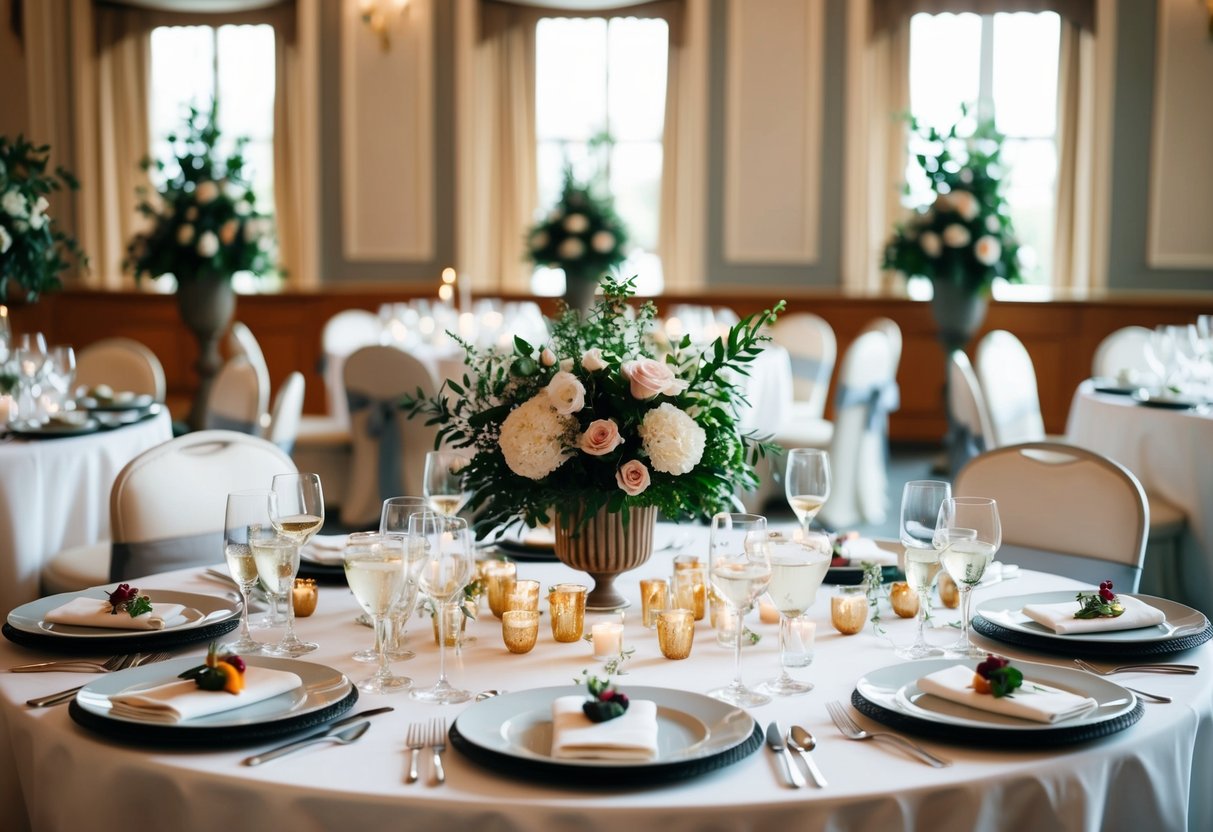
Choosing the right meal service style for your wedding can greatly affect the dining experience. While buffet dinners offer variety and flexibility, plated dinners deliver a more formal touch. Let’s explore the key aspects of each option.
Buffet Dinner Considerations
A buffet dinner allows guests to serve themselves from a wide variety of dishes. This setup can include multiple stations featuring different cuisines or themes. You can offer options like meat, seafood, and vegetarian meals to accommodate dietary restrictions.
Consider how much time guests will need to fill their plates. A buffet often requires about 20-30 minutes for everyone to get food. This style also encourages mingling and adds a relaxed atmosphere. However, be mindful that buffets may involve higher catering costs due to additional menu items.
Plated Dinner Advantages
A plated dinner provides a more structured dining experience. Each guest receives a pre-selected meal served at their table. This option ensures that everyone receives their food at the same time, which helps with timing and flow during the reception.
You can also personalize the meal choices by offering a vegetarian option. This caters to different tastes while maintaining an elegant presentation. Plated dinners typically take about 1.5 to 2 hours to serve for three courses. This allows for delightful conversation and makes it easier to accommodate dietary restrictions.
Creating an Enjoyable Dining Experience
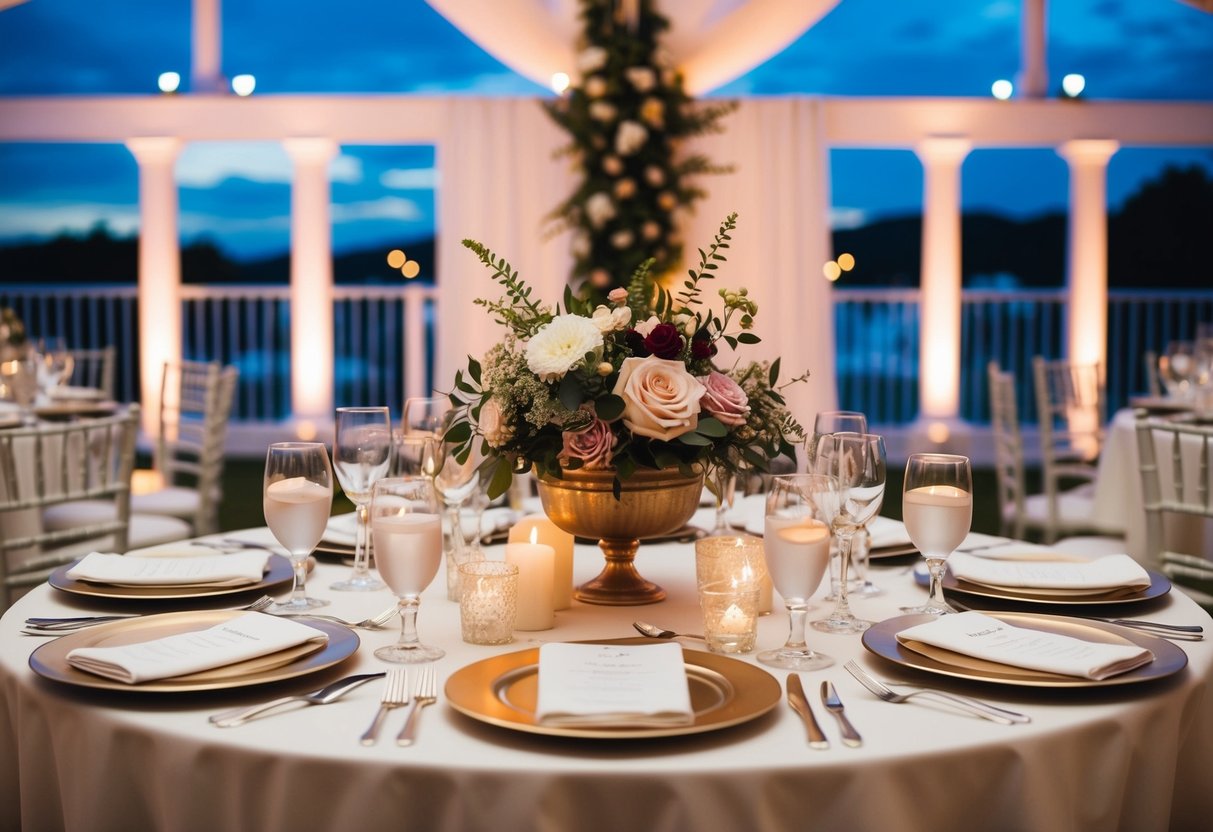
To ensure your guests have a pleasant time during your wedding meal, focus on crafting a well-thought-out menu, accommodating dietary needs, and incorporating the wedding cake seamlessly into the dining experience. Attention to these details will enhance the overall atmosphere of your celebration.
Crafting Your Menu
When designing your wedding menu, consider a mix of flavors and textures. Aim for a three-course meal that includes an appetizer, a main course, and a dessert. Popular choices include:
- Appetizers: Stuffed mushrooms, bruschetta, or a fresh salad.
- Main Courses: Chicken, beef, or a vegetarian option like stuffed peppers.
- Desserts: Besides the wedding cake, think about offering mini pastries or a fruit platter.
Include seasonal ingredients to enhance freshness and appeal. You can gather feedback from friends or family to find ideal menu items that everyone will appreciate.
Accommodating Dietary Requirements
Guests often have special dietary requirements, and it’s important to consider these when planning your menu. Common needs include vegetarian, vegan, gluten-free, or nut-free options. Here are some steps to follow:
- Ask in advance: Include a question about dietary restrictions in your RSVP.
- Label dishes: Clearly mark menu items that are vegetarian, gluten-free, or contain allergens.
- Offer alternatives: Always have at least one alternative dish available.
Accommodating dietary needs will help reduce food waste and ensure that all guests can enjoy their meals without worry.
Integrating the Wedding Cake
The wedding cake holds significant importance at your celebration. Plan the cake cutting to happen at a natural pause in the dining experience, often after the main course. Here are tips to integrate the cake smoothly:
- Select a complementary dessert: If the cake has rich flavors, consider lighter alternatives for the dessert course.
- Create a beautiful display: Present your wedding cake as part of the dining decor.
- Facilitate servings: Designate a person or catering staff to help serve the cake efficiently to avoid delays.
By thoughtfully incorporating the wedding cake, you create a memorable highlight that enhances the dining experience for everyone.
Structuring Reception Events
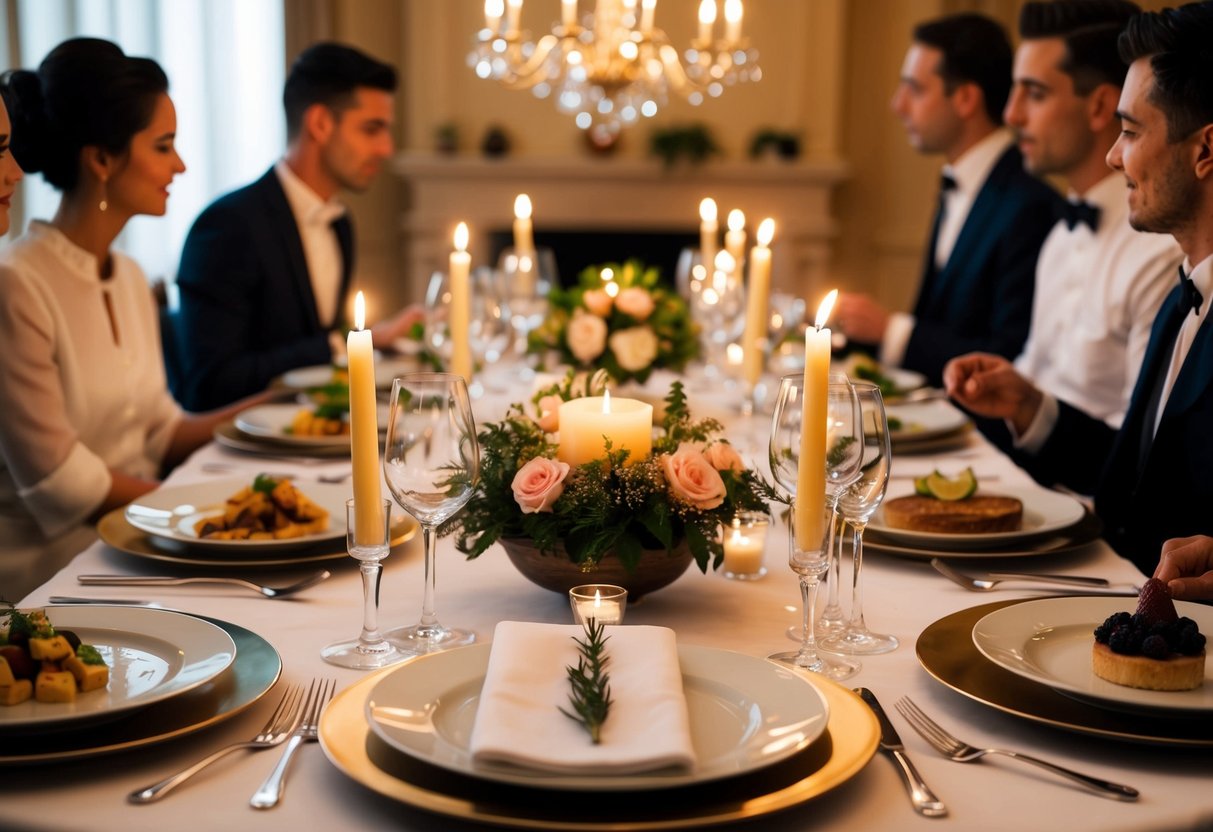
Planning the events during your wedding reception is crucial. The flow of activities helps create a memorable experience for you and your guests. Focusing on key components like the first dance and mingling will set the tone for the evening.
The Importance of the First Dance
The first dance marks a special moment for newlyweds. It’s typically one of the first official activities at the reception and usually happens shortly after dinner is served.
Choosing a song that reflects your relationship is important. You might want to practice the dance to feel more comfortable. This moment not only showcases your love but also invites guests to join in later.
After your dance, consider inviting the wedding party to join you. This can create a beautiful visual and encourage all guests to hit the dance floor. Making this a fun and engaging moment contributes to a warm and joyful atmosphere during the wedding.
Mingling and Evening Activities
Mingling is a key part of the evening reception. It allows guests to connect and share experiences.
After the dinner and first dances, guests often enjoy chatting and interacting.
You can facilitate mingling by setting up cozy sitting areas or having light appetizers. This encourages conversation and makes the space feel inviting.
Consider including fun activities like games or photo booths to keep your guests entertained. These can break the ice and create lasting memories.
A lively atmosphere invites everyone to let loose and enjoy the evening, making your reception unforgettable.