
How Long Does a Celebrant Wedding Last? Understanding the Duration and Flow of Your Ceremony
As you plan your special day, you might wonder how long a celebrant wedding lasts. Typically, a celebrant-led ceremony can last anywhere from 15 minutes to an hour, depending on how personalized you want it to be. This flexibility allows you to design a bespoke ceremony that reflects your unique love story.
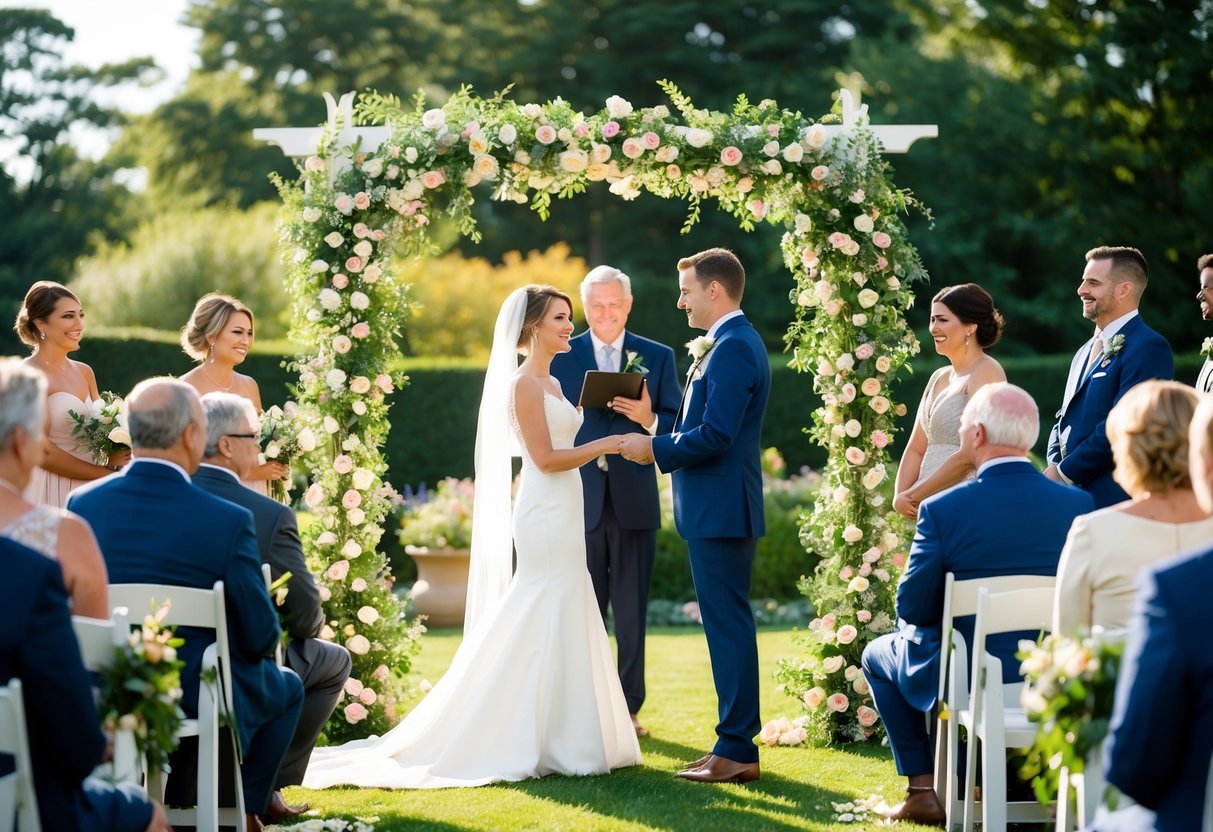
Imagine your wedding day timeline blending meaningful rituals, readings, and heartfelt vows. You have the freedom to include elements that truly resonate with you and your partner. A celebrant can help weave these details into a seamless flow, making your day not only special but also memorable for you and your guests.
Choosing a celebrant gives you the chance to create a wedding ceremony that is as individual as you are. Whether you prefer a short and sweet celebration or a more elaborate affair, the length of your ceremony should capture the essence of your relationship and the joy of your wedding day.
Understanding Celebrant Weddings
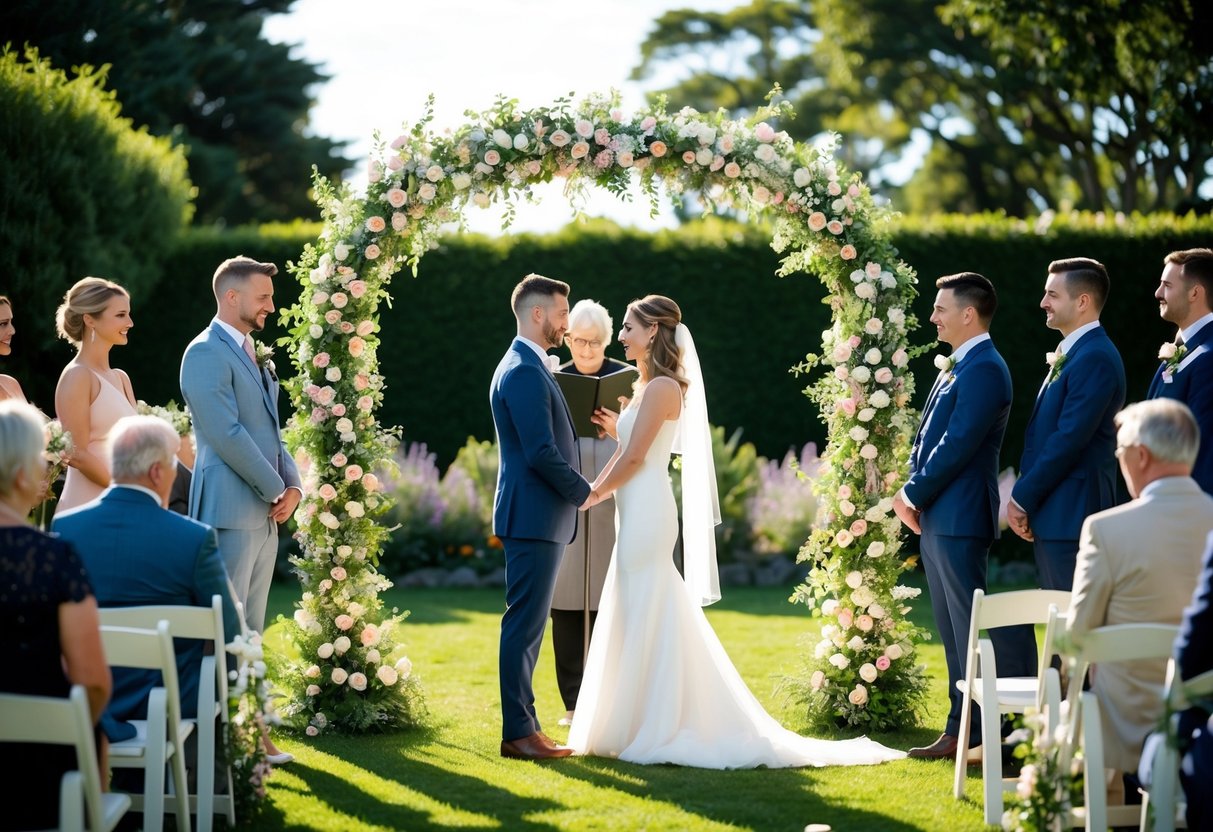
Celebrant weddings offer unique and personalized experiences compared to traditional ceremonies. This section explores the key differences, the types of celebrant ceremonies available, and the important role of the wedding officiant.
Difference Between Celebrant and Traditional Ceremonies
Celebrant ceremonies differ from traditional weddings in several ways. Traditional ceremonies often follow religious or cultural norms, while celebrant weddings can be customized to reflect your values and beliefs.
You have the freedom to choose the location and timing, making your ceremony more flexible. For example, you could have a beach wedding, or a garden ceremony. Celebrants focus on creating a meaningful experience, which can include personal vows, music, and rituals.
Traditional weddings may have strict guidelines and require a religious officiant. In contrast, your celebrant can incorporate elements that matter most to you, making the day truly yours.
Types of Celebrant Ceremonies
There are various types of celebrant ceremonies that cater to your preferences. Some popular options include:
-
Secular Ceremony: This is a non-religious ceremony that focuses on love and commitment rather than religious aspects. It can be tailored to include personal stories or traditions.
-
Civil Wedding Ceremony: Often held in a legal setting, this type of ceremony meets legal requirements. You might still personalize it with unique vows or readings.
-
Symbolic Ceremony: This ceremony holds no legal weight but can include rituals like handfasting or unity candles. It allows those who have already legally married to celebrate with family and friends.
You can work closely with your celebrant to choose the type of ceremony that reflects your love story.
Role of a Wedding Officiant
The wedding officiant has a crucial role in your celebrant ceremony. They guide you through the entire process of planning the ceremony. From crafting personalized vows to coordinating the schedule, they ensure everything goes smoothly.
Your officiant can help create a unique script that includes key moments, such as readings or rituals, making your ceremony special. They also handle the legal aspects, ensuring all paperwork is completed correctly, especially in civil ceremonies.
Having a skilled wedding officiant allows you to relax and enjoy your day, knowing that every detail is taken care of. Your celebrant is there to support you, helping to create a memorable experience that you and your guests will cherish.
Key Elements of a Celebrant Ceremony
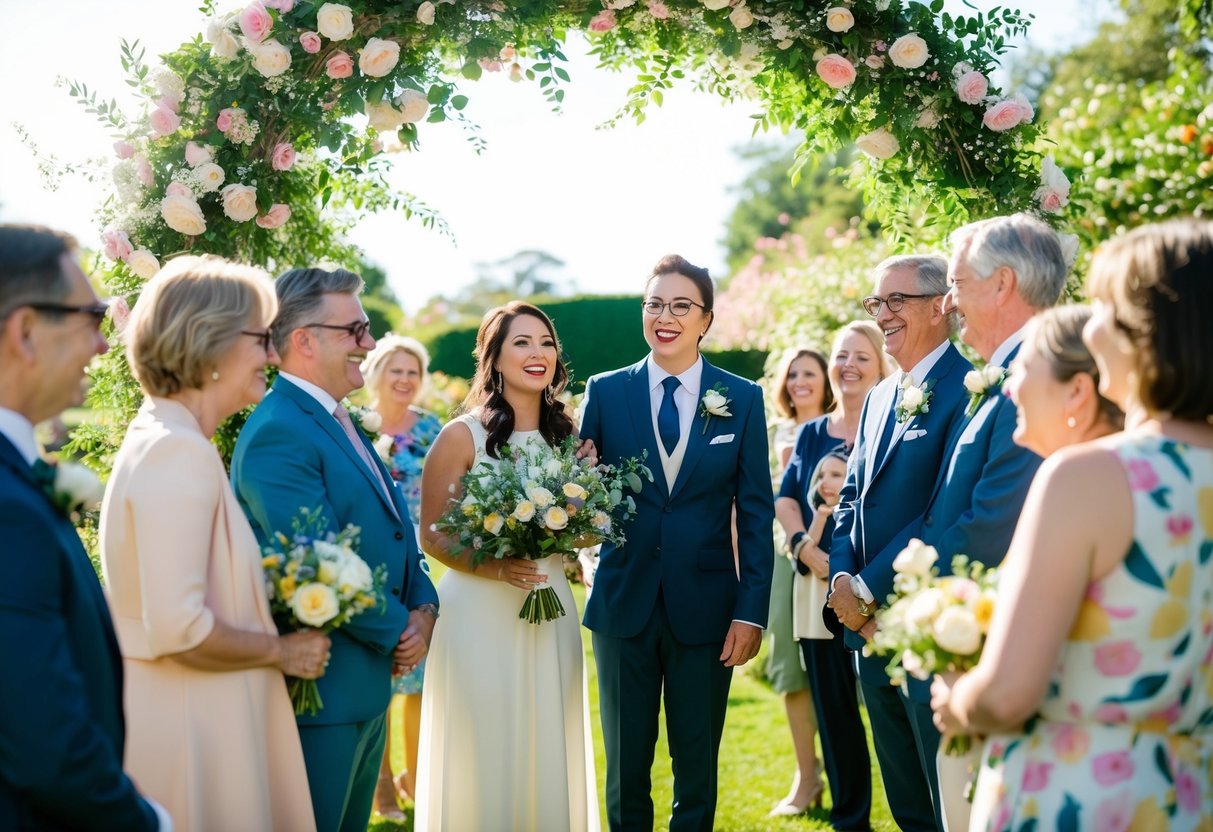
A celebrant ceremony is designed to be unique and personal, allowing you to include elements that reflect your love story and values. Here are some key components that can make your ceremony special.
Exchange of Vows and Rings
The exchange of vows is a central part of your wedding ceremony. It is your moment to express your love and commitment to each other. You can write your own vows or choose traditional ones that resonate with you.
During this part, you will also exchange rings. This symbolizes your commitment and love. Your guests will witness this heartfelt moment, which often builds an emotional connection that enhances the ceremony.
Incorporating Cultural and Spiritual Elements
If you have specific cultural traditions or spiritual beliefs, you can incorporate them into your ceremony. This may include readings from sacred texts or rituals like a unity candle lighting.
Incorporating such elements makes your ceremony more meaningful. It honors your heritage and can also involve family traditions that add depth to the occasion.
Unique Additions to Personalize Your Ceremony
You have the freedom to make your wedding ceremony truly yours. Consider adding personalized elements like a unity ceremony that reflects your bond.
Guest participation, such as having friends read poetry or share a special memory, can enhance the experience. Unique touches make your ceremony memorable and help create lasting connections with loved ones.
Role of Family and Friends
Family and friends play an important role in your celebrant ceremony. They can contribute through readings, music, or even just their presence. You could invite a close friend to perform a song or recite a meaningful quote.
Including them in this way makes it a shared experience. Their involvement brings warmth and enhances the sense of community during this significant moment in your life.
Ceremony Timeline
When planning your wedding ceremony, understanding the timeline can help make everything smooth and enjoyable. This section covers the average duration, the order of events, and important milestones that guide you and your guests through the ceremony.
Average Duration and Flow
A celebrant wedding ceremony typically lasts between 20 to 30 minutes. This timeframe allows for several key elements. Your ceremony might start with a warm welcome from the celebrant, followed by a brief love story about your relationship. The flow usually includes readings, the exchange of vows, and the ring exchange.
Depending on personal touches, like a sand ceremony or handfasting, the timeline may extend. It’s essential to communicate with your celebrant about any additional elements you want. Planning ahead will help keep everything on schedule.
Guest Arrival and Seating
Guests usually arrive 30 minutes before the ceremony begins. This time allows them to find their seats and get settled. Your celebrant might guide the seating arrangements to avoid confusion.
Consider providing clear signage for guests, showing where to sit and directing them to the ceremony area. If you plan to have any special seating for family or friends, make that clear ahead of time. This arrangement helps create a comfortable atmosphere as you prepare to exchange your vows.
Significant Ceremony Milestones
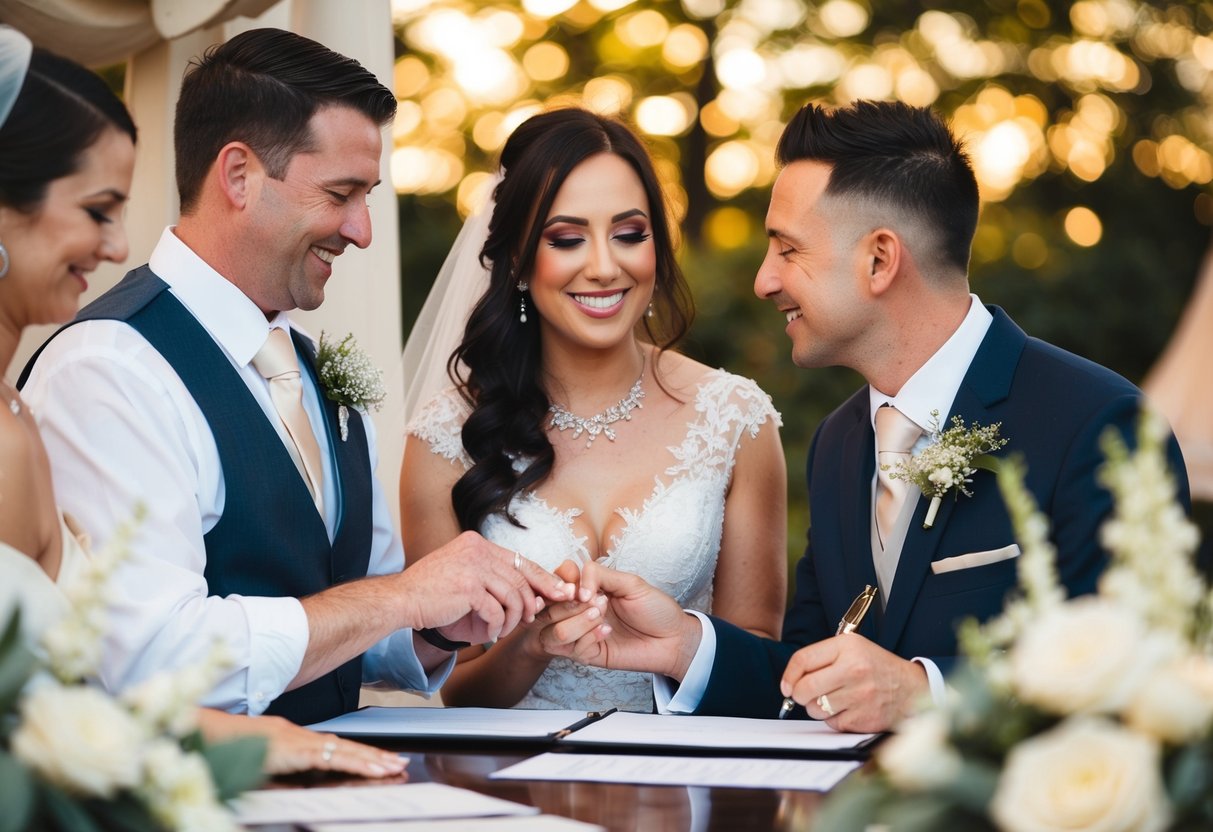
Key milestones in your ceremony can include several important moments. The signing of the register is a notable part where you formally complete your marriage paperwork. This usually happens after the vows and ring exchange, making it a memorable highlight.
Another milestone could be any unique rituals, like a sand ceremony. In a sand ceremony, you blend different colored sands to symbolize your union. These personal touches not only add meaning but also help create special memories for you and your guests during your wedding day.