
How Long Does a Celebrant Wedding Take? Understanding the Timeline for Your Special Day
When planning your special day, you might wonder how long a celebrant wedding takes. Most celebrant weddings typically last between 30 to 50 minutes, similar to a traditional church wedding. This duration includes the key moments of your ceremony, allowing everyone to feel the unique atmosphere you’ve created.
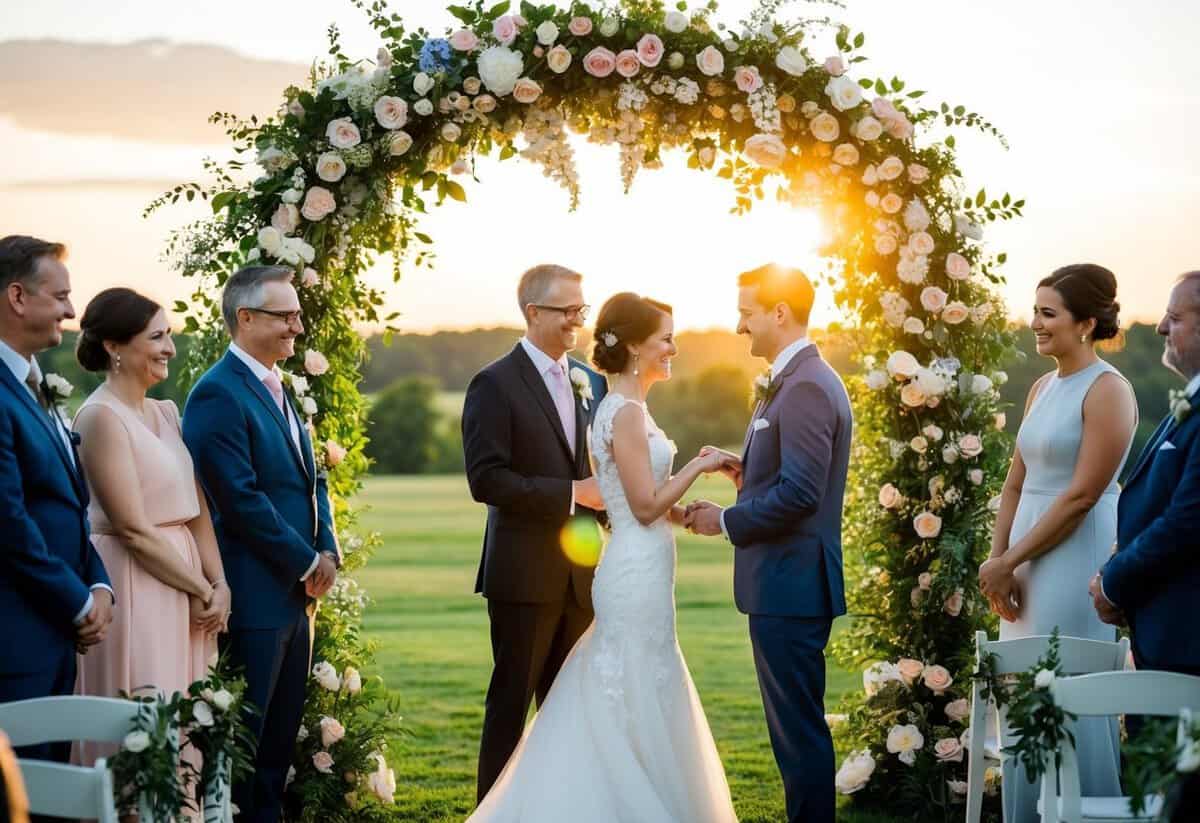
The beauty of a celebrant wedding is that it reflects your personality and preferences. You can customize the ceremony to include personal stories, readings, and rituals. This flexibility helps you make your ceremony memorable while ensuring it fits your timeline.
By understanding the length of your celebrant wedding, you can better plan your day and keep everything running smoothly. Whether you choose a brief and intimate ceremony or something more elaborate, knowing what to expect will help you enjoy every moment.
Understanding Celebrant Weddings
Celebrant weddings are unique and flexible ceremonies that focus on your preferences. They allow you to personalize important elements, making your special day truly memorable. Here’s what you need to know about the role of a wedding celebrant, the types of ceremonies they offer, and how you can customize your celebrant wedding.
Role of a Wedding Celebrant
A wedding celebrant is a trained professional who helps create and lead your ceremony. Their role is to guide you through the planning process and ensure your day reflects your values and personalities.
They write and present the ceremony script, which can include heartfelt vows you create together. Celebrants can also help with legal paperwork, making the process smoother. You can connect with your celebrant before the big day to discuss your vision and any unique elements you’d like to include.
Types of Celebrant Ceremonies
Celebrants offer different types of ceremonies based on your needs. You can choose a civil, religious, or humanist ceremony. A civil ceremony focuses on the legal aspects and often includes personal touches.
Religious celebrations may incorporate spiritual elements that resonate with your beliefs. Humanist ceremonies emphasize values such as compassion and equality. All these options allow for a meaningful experience, ensuring your wedding represents who you are as a couple.
Personalizing Your Celebrant Wedding
Personalization is a key feature of celebrant weddings. You can select specific readings, music, and rituals that hold significance for you.
Consider including family traditions or unique symbols that tell your love story. You might also want to write your own vows to express your feelings in a heartfelt way. These choices make the ceremony memorable for both you and your guests, creating a celebration that truly belongs to you.
The Wedding Ceremony Breakdown
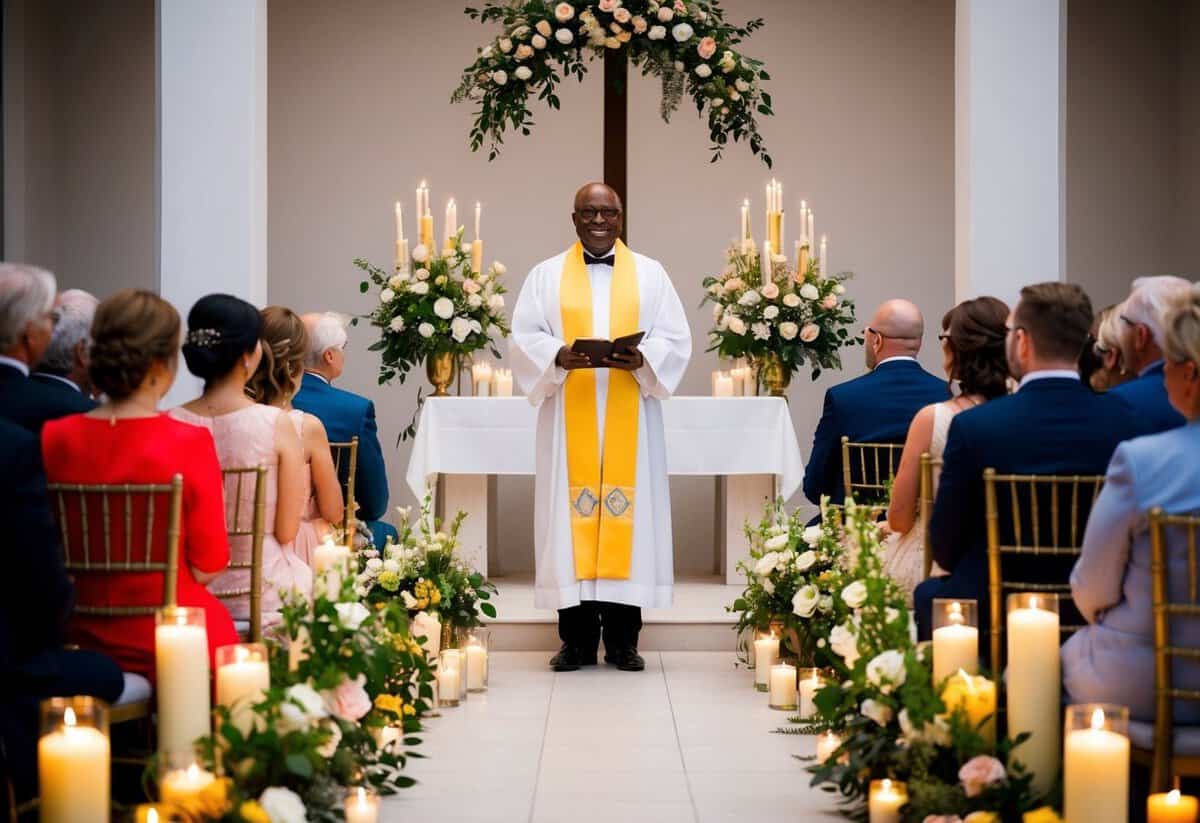
A celebrant wedding ceremony includes several key moments that contribute to the day’s significance. Each part of the ceremony plays an important role in making your wedding personal and meaningful.
The Processional
The processional marks the start of your ceremony. This is the moment when everyone takes their places. It usually begins with the entry of the wedding party, followed by the couple.
Traditionally, you might walk down the aisle with a parent or a loved one. You can choose music that reflects your style, making it a special experience for everyone.
It’s a great time for guests to smile and feel the excitement in the air as they witness this beautiful moment.
Introduction and Welcome
Once you reach the altar, the celebrant will welcome everyone. This is an opportunity to thank your guests for being a part of your special day.
The celebrant may also share a few words about love and commitment, setting the tone for the rest of the ceremony.
It’s important to create a warm atmosphere, so feel free to include personal stories or a brief reflection on your relationship.
Readings and Traditions
Incorporating readings or traditions adds a personal touch to your ceremony. You might select meaningful passages from literature, poetry, or religious texts.
Some couples choose to include a sand ceremony, where you combine different colored sands to symbolize two lives becoming one.
Handfasting is another beautiful tradition. This involves tying your hands together with ribbons to represent your union. These elements highlight your unique story and values.
Vows and Rings Exchange
The vows are a central part of the ceremony. This is where you express your love and promises to each other.
You can write your own vows or choose from traditional ones. Either way, sharing your feelings creates an emotional connection with your partner and guests.
Following this, you exchange rings. This symbolizes your commitment and love. You might say a few words while placing the rings on each other’s fingers, reinforcing the promise you’ve just made.
The Recessional
The recessional signals the end of the ceremony. After you’ve exchanged vows and rings, it’s time to celebrate!
As a couple, you’ll walk back down the aisle together, often to joyful music. This moment is filled with happiness as your family and friends cheer for you.
Consider including confetti or bubbles for a fun touch. This marks the transition between being engaged and starting your new life together as a married couple.
Celebrant Training and Qualifications
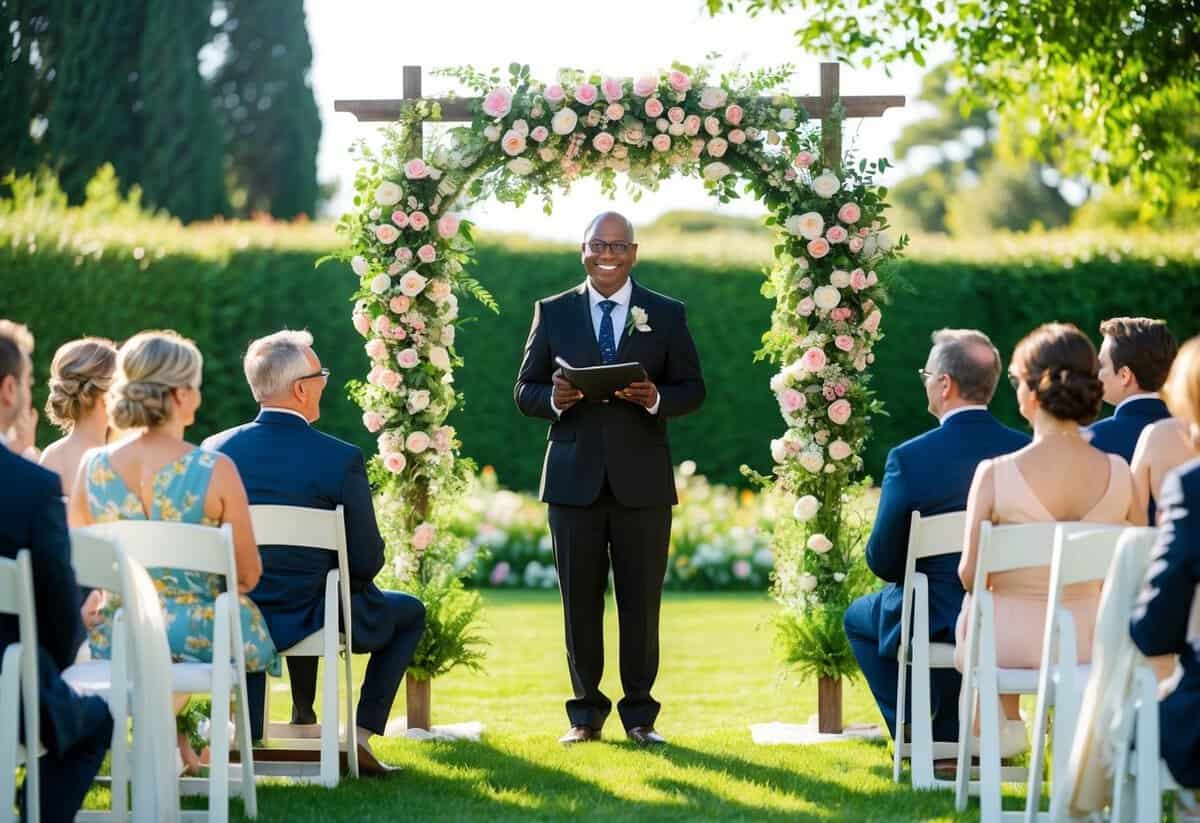
To become a celebrant, particularly a wedding celebrant, you’ll need the right training and qualifications. This ensures you have the necessary skills and knowledge to conduct ceremonies effectively and professionally.
Becoming a Celebrant
To become a celebrant, you don’t need formal qualifications. Many people start their journey through celebrant training courses. These courses are designed to provide you with the essential skills required for officiating various ceremonies.
You will learn how to write and deliver scripts, how to engage with clients, and how to manage different types of events. Taking part in training often gives you an edge in a competitive market. It also helps build your confidence and creativity, which are key for a successful celebrant.
Online and Residential Training Options
There are different paths you can take for your celebrant training. You can choose between online or residential training options.
Online celebrant training has become popular due to its flexibility. You can learn from home at your own pace.
Residential training, on the other hand, offers face-to-face interaction and hands-on experience. Many programs might last from a few days to several weeks, depending on the curriculum. Both options provide valuable insights into the celebrant role and will help you develop your unique style.
Achieving a Training Certificate
After completing your chosen training course, you may receive a training certificate. This certificate is important as it shows potential clients that you have completed a recognized program. A certificate can help boost your credibility while marketing your services.
Most celebrant training programs focus on practical skills rather than just theory. Engaging in workshops, role-plays, and mock ceremonies can help you feel more prepared. Recognition from reputable training providers enhances your professional profile in this field.
Starting and Running a Celebrant Business
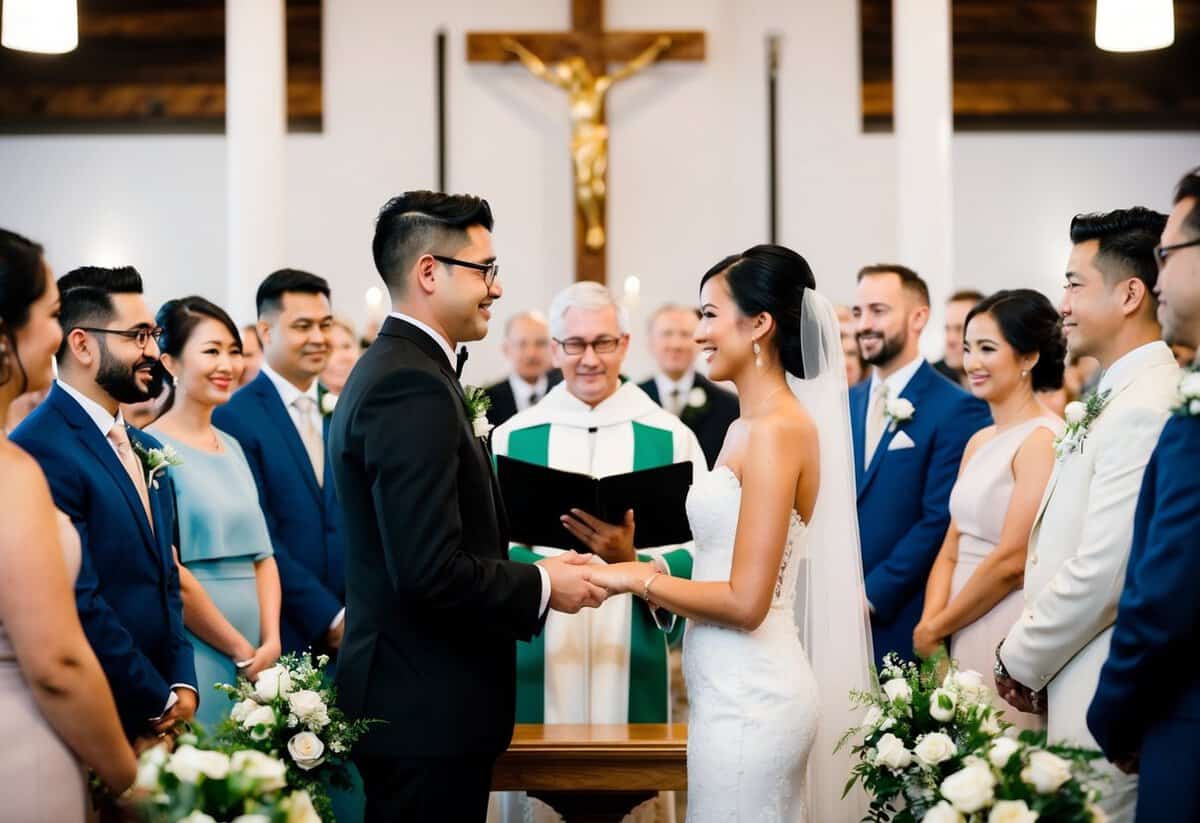
Starting your celebrant business involves several key steps. You’ll need to build a strong portfolio, market your services effectively, and understand the legal requirements in your area. By focusing on these areas, you can establish a successful celebrancy practice that caters to both weddings and other ceremonies like funerals.
Building a Portfolio
A well-rounded portfolio is essential for attracting clients. Start by showcasing the types of ceremonies you specialize in, whether they are weddings, celebrations of life, or other events.
Include high-quality photos and descriptions of your past work. If you’re just starting, consider offering your services for free or at a discounted rate to friends or family. Gather testimonials from those events to display confidence and credibility.
Be sure to regularly update your portfolio as you gain more experience. This can help potential clients see your growth and versatility as a celebrant.
Marketing Your Services
Effective marketing is crucial to growing your celebrant business. Start by creating a professional website that highlights your services, philosophy, and contact information. Use search engine optimization (SEO) strategies to help people find you online.
Utilize social media platforms to share your experiences and connect with clients. Join local wedding expos or celebrant training courses to network and promote your services.
You can also consider advertising in magazines dedicated to weddings and events. Building strong relationships with vendors like photographers and venues can lead to referrals, making it easier to attract clients.
Legal Considerations
You need to understand the legal aspects of running a celebrant business. Make sure to apply for the necessary permits and licenses specific to your location.
If you’re in Australia, you may need to register for an Australian Business Number (ABN).
When you perform ceremonies, make sure to be familiar with the legal requirements. This includes issuing marriage certificates and ensuring all documentation is completed properly.
Lastly, consider having insurance to protect yourself from potential liabilities. This will give you peace of mind as you focus on creating memorable experiences for your clients.