
How Long Does a DJ Stay at a Wedding? Essential Insights for Your Big Day
When planning your special day, you might wonder how long a DJ will stay at your wedding. Most wedding DJs typically provide their services for a minimum of four hours. This is usually enough to cover the ceremony, cocktail hour, dinner, and dancing. This timeframe ensures that you have great music throughout your reception, keeping the energy high and your guests entertained.
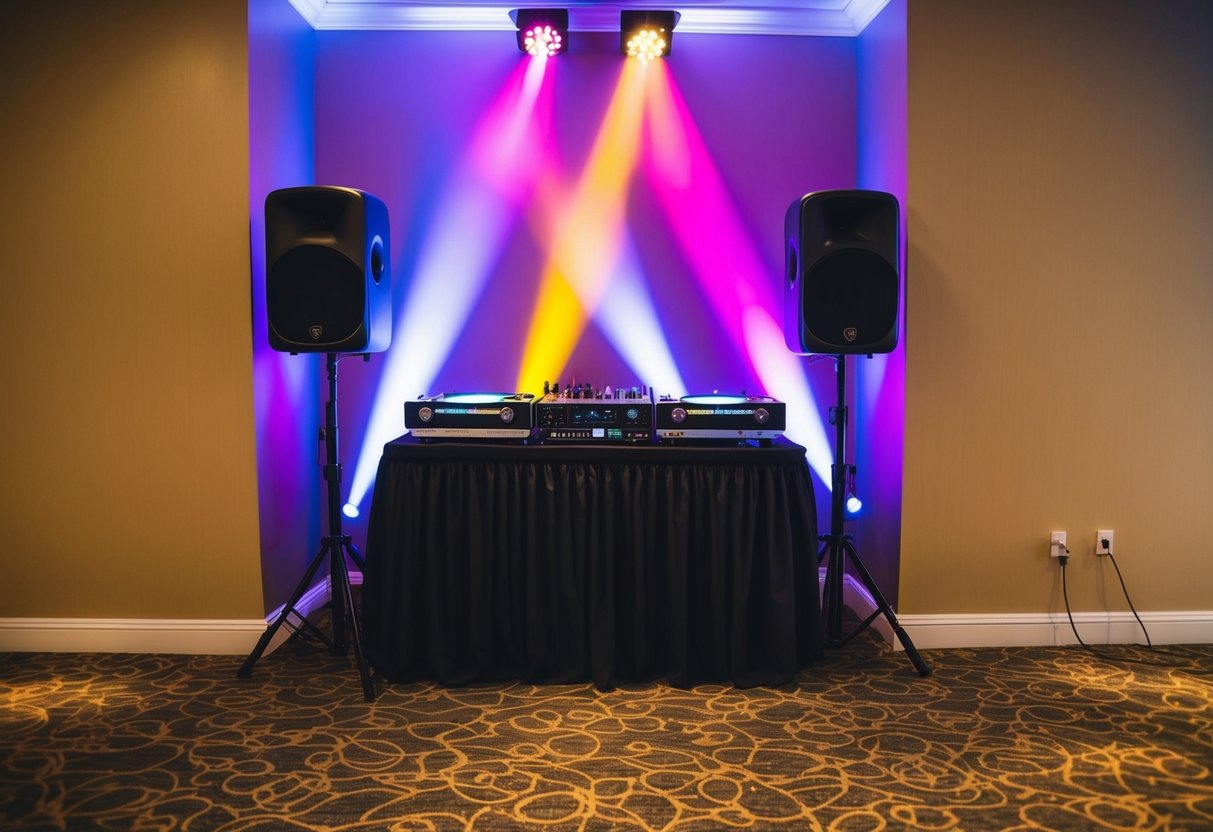
Choosing the right wedding DJ is key to a successful celebration. DJs not only play music but also help manage the flow of your event. By understanding how long they will stay and what their services include, you can better plan your wedding entertainment, ensuring everything runs smoothly.
As you consider different DJs for your wedding, remember to discuss the timeline. Some DJs offer flexibility and may be available for extended hours if needed. Being clear about your expectations can make your day even more special, allowing you and your guests to enjoy every moment together.
Understanding the Role of a DJ at a Wedding
A wedding DJ plays a vital role in creating an enjoyable atmosphere. They help set the mood, manage the timeline, and provide the perfect soundtrack for your celebration. Let’s explore how a DJ contributes to your special day.
Setting the Tone for Your Reception
From the moment guests arrive at the wedding venue, the DJ sets the tone with carefully chosen ceremony music. This can reflect your personal style and create an inviting atmosphere.
As guests transition to the cocktail hour, the DJ maintains energy with upbeat tunes. This part is essential for engaging guests and encouraging mingling. During key moments like the grand entrance, a well-timed song can elevate excitement.
When the first dance begins, the DJ plays a significant role in curating emotional moments. Your chosen song enhances the memory-making, while smooth transitions keep the reception flowing.
Crafting a Memorable Wedding Timeline
A skilled DJ helps craft an efficient wedding timeline. After the ceremony, the DJ guides the schedule, ensuring everything runs smoothly from toasts to the cake cutting.
During the reception, the DJ keeps track of each event. Whether it’s the bouquet toss or opening the dance floor, they will let guests know what’s happening next.
Selecting the right time for each moment allows you to enjoy your day without worry. A well-planned timeline creates an enjoyable experience for both you and your guests.
Comparing DJs and Live Bands
When choosing between a DJ and a live band, there are noteworthy differences. A DJ offers versatility, providing a vast range of genres to fit your tastes. They can adapt the music to suit the crowd’s energy, keeping everyone on the dance floor.
On the other hand, a live band provides a unique atmosphere and a personal touch that some couples adore. However, bands may have a limited song selection and may not play all your favorite tracks.
You should weigh the benefits of each option based on your wedding style, budget, and what will get your guests dancing. Make sure to consider what fits best with your vision for the perfect day.
What to Consider When Hiring a DJ
When hiring a DJ for your wedding, it’s important to look at their credentials and understand the costs involved. Focusing on these two aspects can help you make the best choice for your special day.
Evaluating Professional DJ Credentials
Start by checking the DJ’s experience. Look for someone who specializes in wedding events, as they know how to keep the party going.
Ask for references or reviews from past clients. This can give you insight into their style and professionalism.
Find out what kind of sound equipment they use. Quality gear can greatly affect the music experience.
Also, inquire about their music genre knowledge. A skilled DJ should be able to play a variety of songs that suit your taste and that of your guests.
Lastly, request a contract detailing their services. This should include hours of playtime, setup times, and any cancellation policies.
Understanding Wedding DJ Costs
Wedding DJ costs can vary significantly. On average, you might expect to pay between $1,000 to $1,500 for a professional.
Prices can range from $500 to $2,500 based on factors like skill level and location.
Be sure to ask about overtime fees. If your reception runs long, you don’t want to be surprised by extra charges.
When discussing rates, clarify what’s included in the price. This may cover sound equipment, lighting, and even playlists.
You might also want to ask if they charge extra for special requests or specific genres.
Understanding these costs will help you budget better and find the right professional wedding DJ for your day.
Technical Aspects of DJ Services
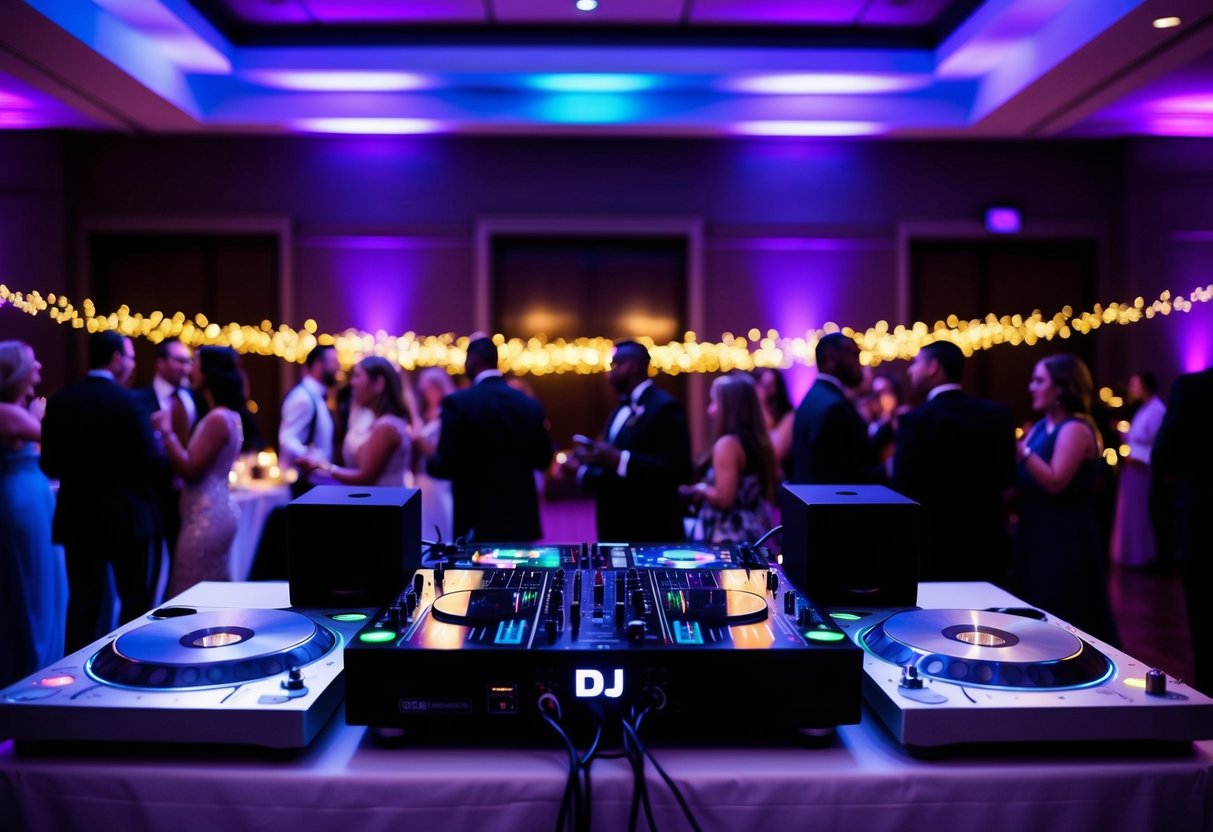
When planning your wedding, understanding the technical aspects of DJ services is essential. Good sound systems and effective lighting can enhance your celebration, creating a lively atmosphere for you and your guests.
Sound Systems and Equipment
Choosing the right sound equipment is crucial for a successful DJ set. You want clear, powerful audio that reaches every corner of the venue. Most DJs use a combination of speakers, mixers, and microphones.
Key Components of a DJ Setup:
-
Speakers: High-quality speakers are necessary for clear sound. Look for options with great bass response.
-
Mixer: This device allows the DJ to switch between songs smoothly. A good mixer enhances the flow of the music.
-
Microphones: If you plan on speeches, wireless microphones are highly recommended for convenience.
You should also consider the venue size. A larger space may require additional sound equipment to ensure everyone enjoys the music.
Lighting and Dance Floor Setup
Dance floor lighting plays a significant role in setting the mood. Dynamic lighting can elevate your celebration, encouraging guests to hit the dance floor.
Essential Lighting Features:
-
Dance Floor Lights: These include moving heads and LED lights that create exciting visuals. They help energize the atmosphere.
-
Up lighting: This adds color to the walls and adds depth to your decor. It can be adjusted to match your wedding colors.
-
Special Effects: Fog machines or bubbles can add a unique touch. They create a festive ambiance, especially during key moments like your first dance.
Ensure the DJ has experience with lighting setups to create the perfect party atmosphere that matches your style.
The Impact of a DJ on Guest Experience
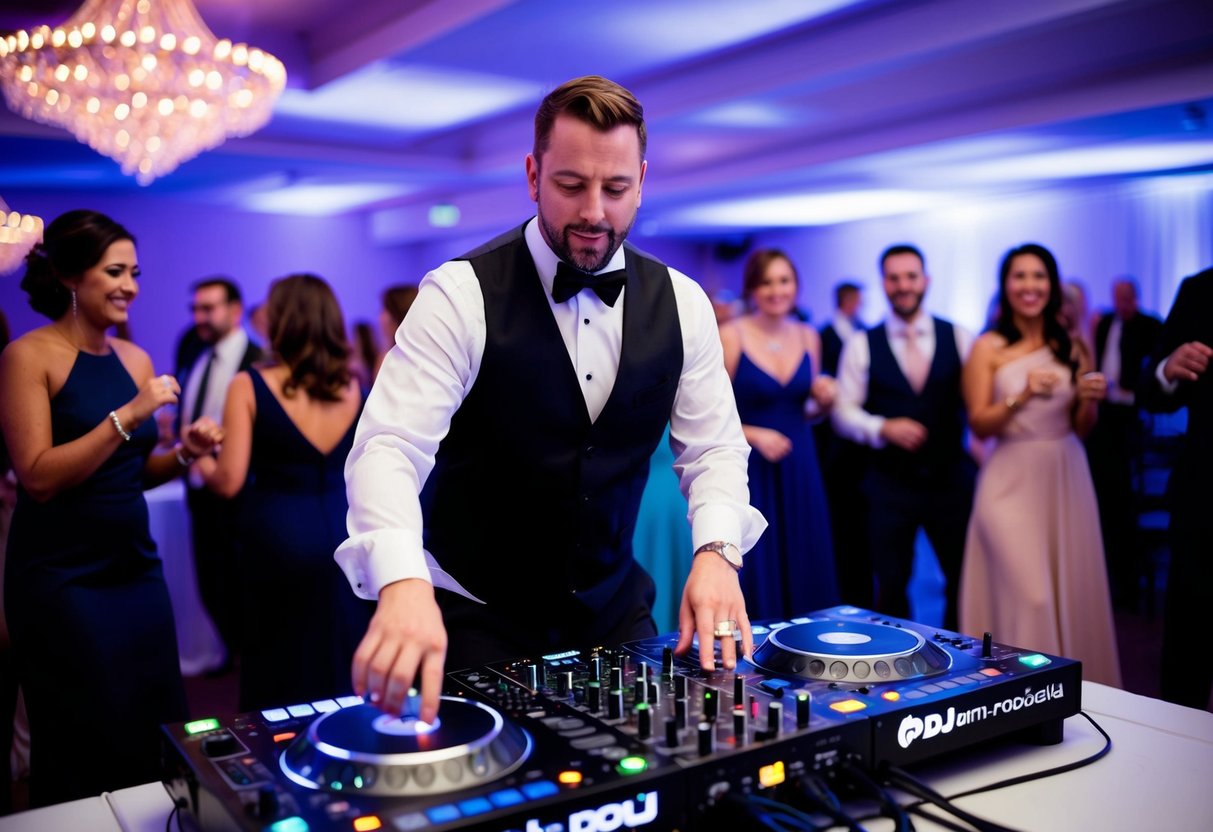
A skilled DJ plays a vital role in making your wedding reception enjoyable. The right music helps create a lively atmosphere, encouraging guests to join in on the fun. Throughout the night, you’ll see how a DJ can influence participation and set the mood.
Encouraging Dance Floor Participation
Your DJ has the power to transform your dance floor into the heart of the reception. When guests hear familiar songs, they’re more likely to dance. A good DJ reads the crowd and adjusts the music accordingly.
They might start with softer tunes during dinner to create a relaxed environment. Later, they can ramp up the energy with upbeat tracks from various music genres, ensuring everyone has a good time.
Incorporating special moments like the couple’s first dance can also encourage others to join in. Overall, an engaging DJ keeps the energy high and the dance floor filled.
Personalized Music Selection
To enhance guest experience, your DJ should know your preferences. Sharing a list of favorite songs or specific genres helps create a personalized set.
A mix of classic hits and current favorites keeps things interesting.
Your DJ can also take guest requests, further involving them in the celebration. This interaction not only sparks memories but also makes everyone feel included.
Incorporating different music genres allows for a diverse appeal, catering to the varied tastes of your attendees. The right playlists can help make your wedding reception memorable for all.