
How Long Does a Non-Religious Wedding Ceremony Last? A Quick Guide to Timings
Planning a wedding can be exciting yet sometimes overwhelming. One important detail to consider is the length of your ceremony. A non-religious wedding ceremony typically lasts between 15 to 30 minutes. This timeframe provides enough opportunity for you to create a meaningful ceremony that reflects your personal preferences without feeling rushed.
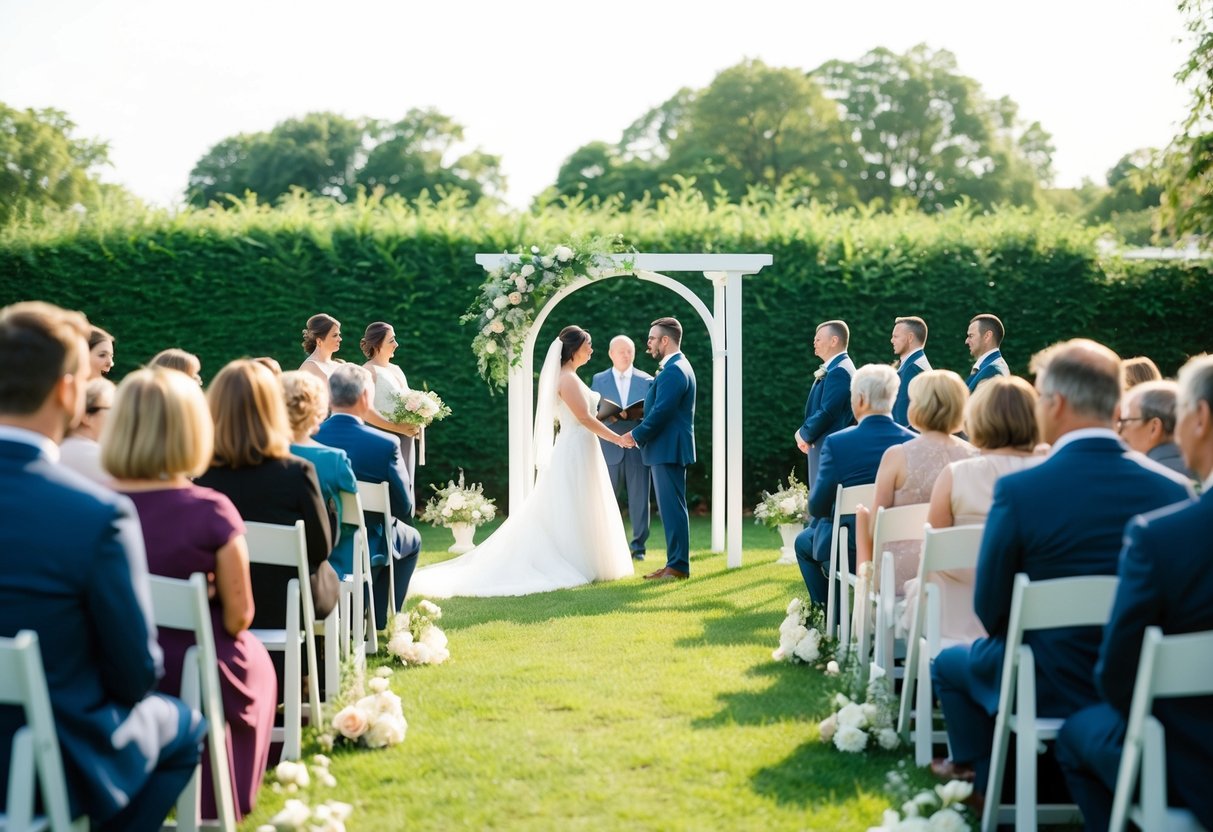
You have the freedom to customize your ceremony to fit your style. Whether it includes vows, readings, or special moments, each choice contributes to making the day unique to you and your partner. Many couples enjoy a shorter ceremony because it keeps the focus on their love story while allowing guests to stay engaged.
Understanding how long your non-religious wedding ceremony might last can help you plan better. It allows you to think about what elements you want to include and how to make each moment count. This way, you can create a beautiful and memorable experience for everyone involved.
Understanding Non-Religious Wedding Ceremonies
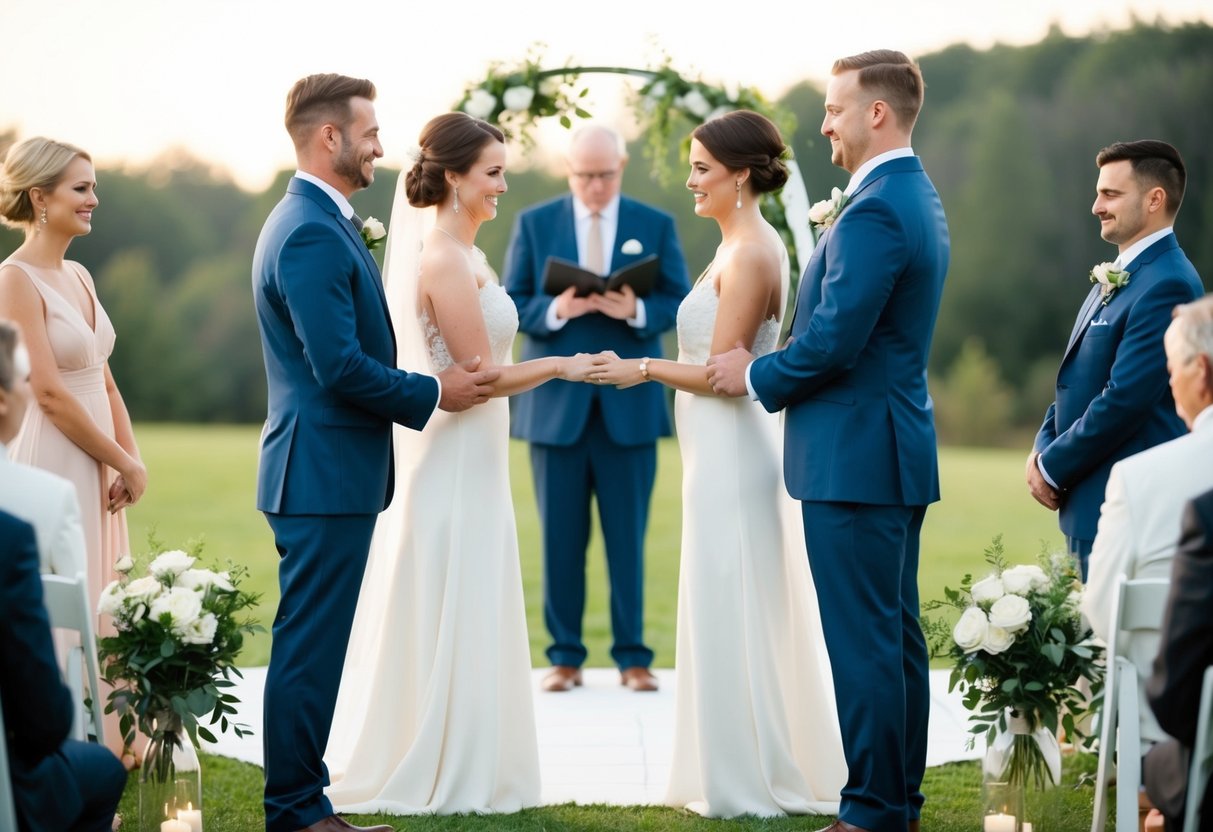
Non-religious wedding ceremonies offer a flexible and personalized way for couples to celebrate their love. You can focus on what truly matters to you without the constraints of traditional religious practices. Here are the important aspects to think about.
Defining a Non-Religious Ceremony
A non-religious ceremony focuses on the love and commitment between two individuals without incorporating religious elements or symbols. These ceremonies often include personal vows, readings, and music that reflect your relationship.
You have the freedom to design the ceremony that resonates with you. This could mean including family traditions or creating new ones. The absence of religious texts allows you to express your values and beliefs, making the ceremony uniquely yours.
Key Differences from Religious Ceremonies
The main difference between non-religious and religious ceremonies is the presence of spiritual elements. Religious ceremonies often follow specific rituals and include prayers or religious readings.
In contrast, non-religious ceremonies emphasize personal expression. You can choose the order of events and the specific elements that mean the most to you. This allows for a more intimate and personal experience, often reflecting your journey together as a couple.
The Role of a Wedding Officiant
An officiant plays a critical role in both non-religious and religious ceremonies. For a non-religious wedding, the officiant’s job is to guide you through the ceremony while respecting your choices.
You can select someone who understands your vision. This might be a close friend, a family member, or a professional officiant who specializes in non-religious weddings. Their flexibility can help create a relaxed environment that aligns with your personal style.
Couple’s Preferences and Personalization
Your preferences are crucial in a non-religious ceremony. Unlike traditional ceremonies with set practices, you can choose everything from the venue to the vows.
Consider what reflects your relationship best. You might want to incorporate meaningful readings, music that resonates with you, or rituals that represent your journey. This personalization helps create a memorable experience that everyone will cherish.
In short, non-religious ceremonies allow you to celebrate in a way that feels true to you, ensuring your special day reflects your shared love and values.
Elements of the Wedding Ceremony
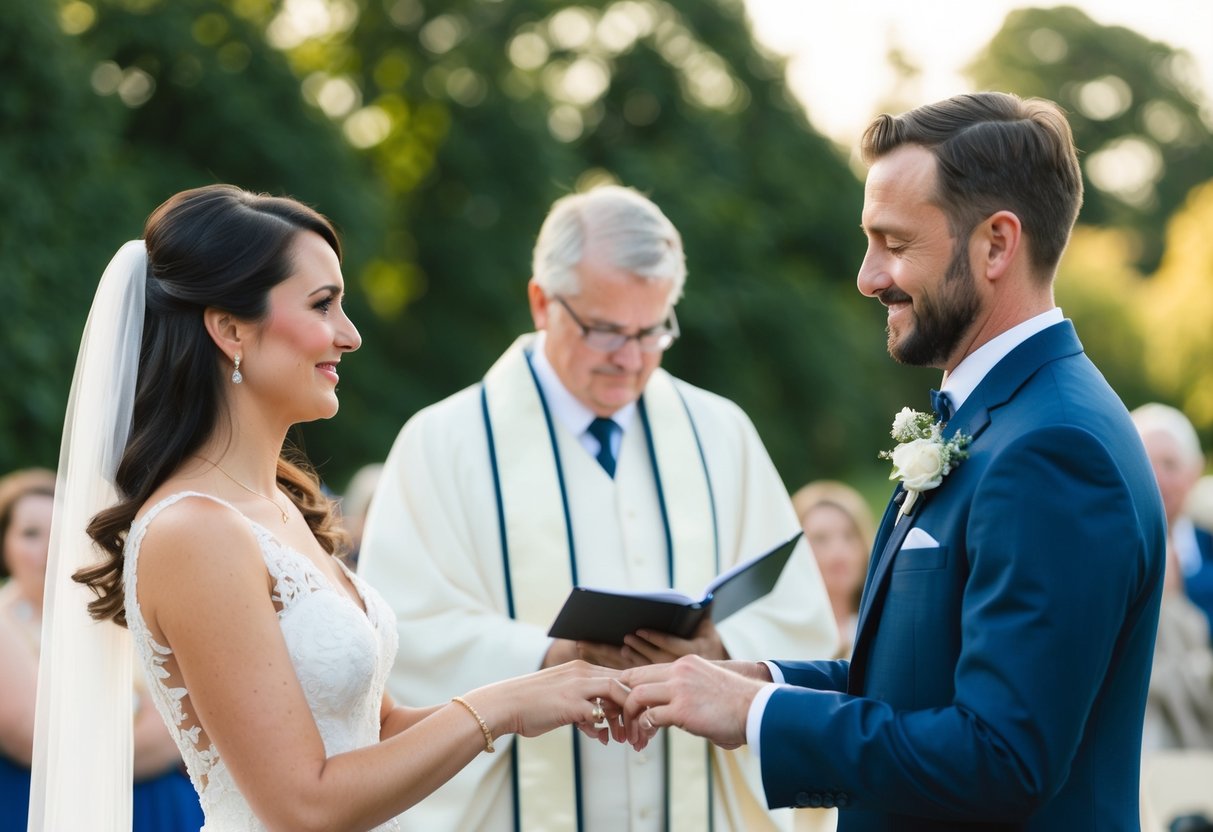
A non-religious wedding ceremony includes various meaningful elements that showcase your love and commitment. Each part plays an important role in creating a memorable experience for you and your guests.
Welcome and Introduction
The ceremony usually starts with a warm welcome. Here, the officiant greets everyone and sets a joyful tone for the event. This moment allows your guests to feel the love in the air and understand the significance of what’s about to happen.
Often, the officiant shares a few words about you as a couple. This can include how you met, what you love about each other, or how you’ve grown together. This personal touch connects everyone and makes the ceremony feel special.
Readings and Speeches
Readings can add depth and emotion to your ceremony. You might choose poems, quotes, or passages that resonate with your relationship. Friends or family members often read these aloud.
This section gives a chance for personal expression. You can select pieces that reflect your love story or speak to the values you cherish. Including meaningful words creates a reflective atmosphere.
Additionally, you may want to include a short speech. This can come from a close friend or family member who shares a heartfelt message about love and marriage.
Exchange of Vows
Exchanging vows is a pivotal moment in the ceremony. This is when you both declare your love and commitment to each other. You can choose to write personal vows or use traditional ones.
Writing your own vows adds a unique and personal touch. You might express your dreams for the future or share special memories. This moment often brings a mix of joy and emotion, capturing the essence of your relationship.
It’s important to consider the length and tone of your vows. Keep them meaningful yet concise to maintain the attention of your guests.
Ring Exchange
The ring exchange symbolizes your commitment. It’s a simple yet powerful act. As you each place a ring on the other’s finger, you represent the bond you are forming.
Rings can have special meanings, such as being passed down through generations or being custom-made just for you. The officiant will guide you through this part of the ceremony, often asking you to repeat phrases like, “With this ring, I thee wed.”
This moment can be emotional and joyful, marking a key step in your journey together.
Unity Rituals
Unity rituals celebrate your joining together as a couple. There are many options to choose from, allowing you to reflect your personalities and values.
For example, a unity candle lighting involves lighting two individual candles and then using them to light a third together. This symbolizes two lives becoming one.
A sand ceremony uses different colored sands to blend into one container. Each color represents different aspects of your lives. This creates a beautiful keepsake from your ceremony.
These rituals enhance the experience, reminding everyone of the strength of your union.
Pronouncement of Marriage
The ceremony concludes with the pronouncement of marriage. This moment is filled with excitement and anticipation as you are officially declared married.
The officiant often states something like, “I now pronounce you husband and wife,” or similar based on your preferences. Following this, you may share your first kiss as a married couple.
This is a celebratory point, marked with applause and cheers from your guests, filling the atmosphere with joy and excitement. It’s a fantastic way to conclude the ceremony and begin your new life together.
Ceremony Timeline and Duration
When planning your non-religious wedding ceremony, understanding the timeline is key. Most ceremonies last between 15 to 30 minutes, depending on your preferences and the elements you want to include.
For a standard timeline, here’s a quick look:
- Arrival of Guests: 10-15 minutes before the ceremony.
- Processional: 2-5 minutes.
- Introduction & Welcome: 2-3 minutes.
- Readings or Vows: 5-10 minutes.
- Exchange of Rings: 5 minutes.
- Recessional: 2-5 minutes.
A more intimate ceremony might be shorter. You can focus on just the essentials, like vows and ring exchanges.
If you’re thinking about a registry office wedding, these usually last around 20 minutes. They are straightforward and often require minimal decorations.
For a traditional wedding ceremony, the time can stretch to 30-60 minutes due to additional rituals or elements involved.
In contrast, a Hindu wedding ceremony can last much longer, often exceeding an hour due to various customs.
Wrapping Up the Ceremony
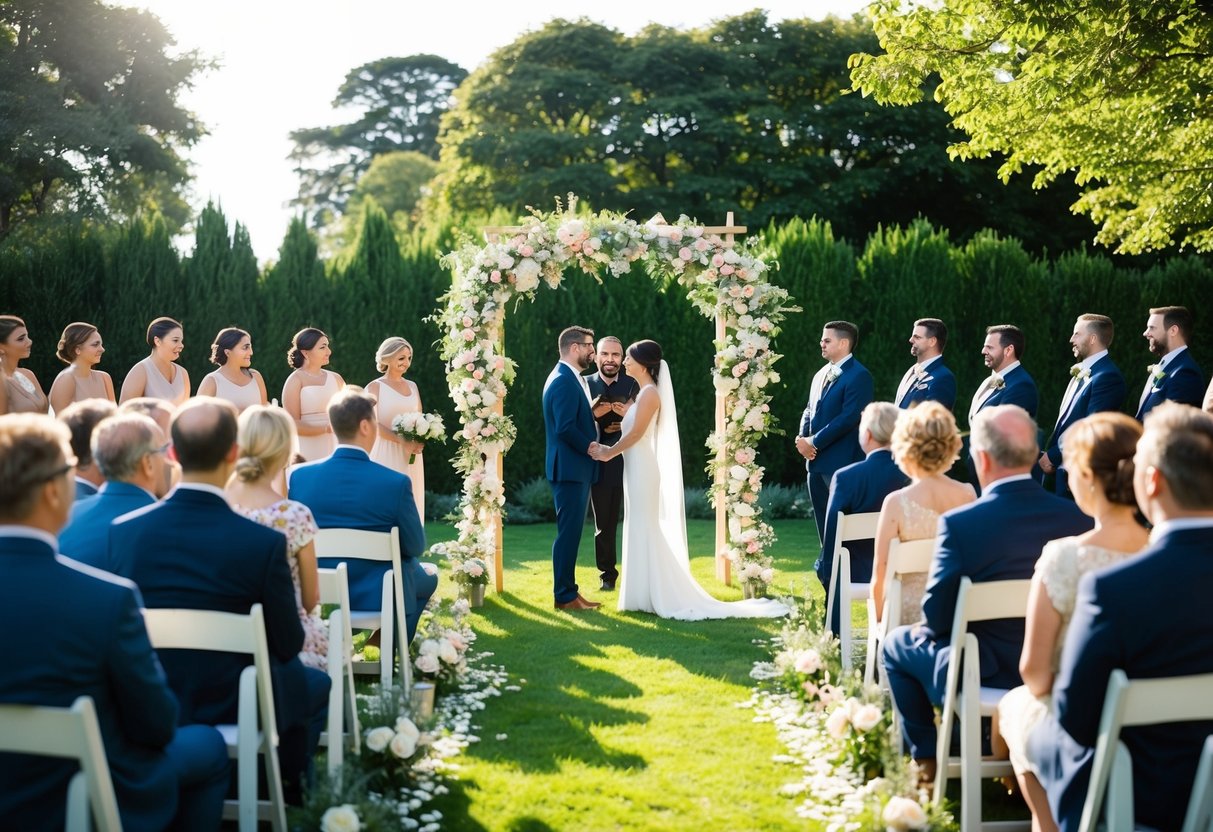
As you approach the end of your non-religious wedding ceremony, the conclusion is just as important as the beginning. You’ll want to create a memorable closing that leaves a lasting impression on you and your guests. This section focuses on two key parts: the closing remarks and the recessional.
Closing Remarks
During the closing remarks, the officiant usually thanks everyone for attending. This is your chance to express your gratitude to family and friends for their support. You can also share a few personal thoughts about your love story or what this day means to you.
Traditionally, the officiant might include a brief reflection on love and commitment. This moment sets the tone for the final pronouncement. After the remarks, you’ll typically have the officiant pronounce you married. This is often followed by your first kiss as a married couple, a sweet moment that your guests will cherish.
Feel free to personalize this part of the ceremony. Adding a special reading or quote can make the closing remarks even more meaningful.
Recessional
Once the ceremony is officially complete and the kiss happens, the recessional takes place. During the recessional, you and your partner exit the ceremony together. It usually signifies a joyful celebration for you and your guests.
Choose a lively song to play during this moment. It helps create an upbeat atmosphere as you walk down the aisle hand in hand. Guests often applaud and cheer during the recessional, making it a fun and festive way to conclude the ceremony.
You may wish to exit in a unique way, like tossing flower petals or blowing bubbles. These fun traditions add a personal touch to the event.