
How Long Does a Wedding Ceremony Last? A Guide to Timing Your Special Day
Planning your big day involves many details, and one important question often comes up: how long does a wedding ceremony last? Typically, a wedding ceremony lasts around 20 to 30 minutes, which gives you enough time to cover important elements like vows, readings, and the exchange of rings.
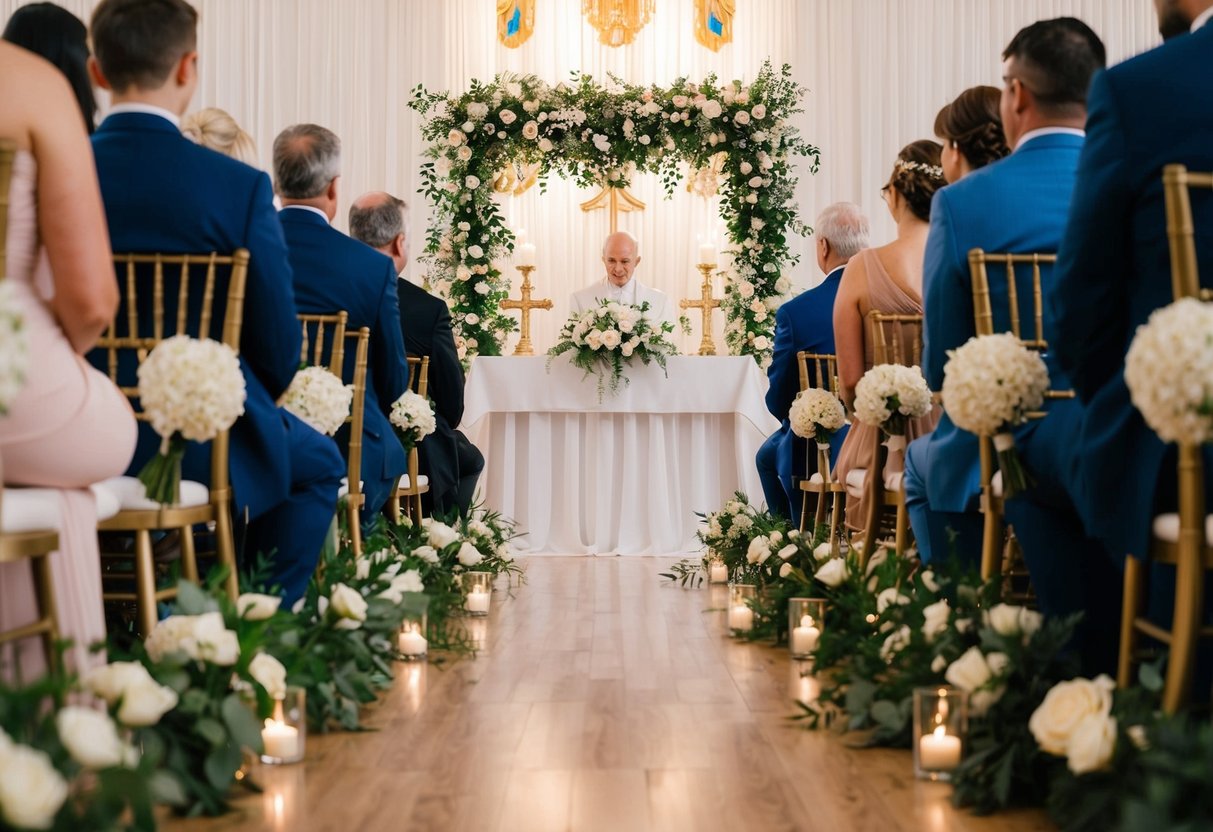
The duration of your ceremony can vary based on traditions, personal choices, and the type of ceremony you choose. Religious ceremonies may take longer, often ranging from 30 minutes to over an hour, depending on specific customs. A straightforward civil ceremony, on the other hand, might be completed in just 10 to 15 minutes.
Understanding the expected timeline can help you plan your wedding day better and ensure everything flows smoothly. Knowing how long your ceremony will be allows you to set the right expectations for your guests and make the most of each moment.
Understanding Ceremony Types
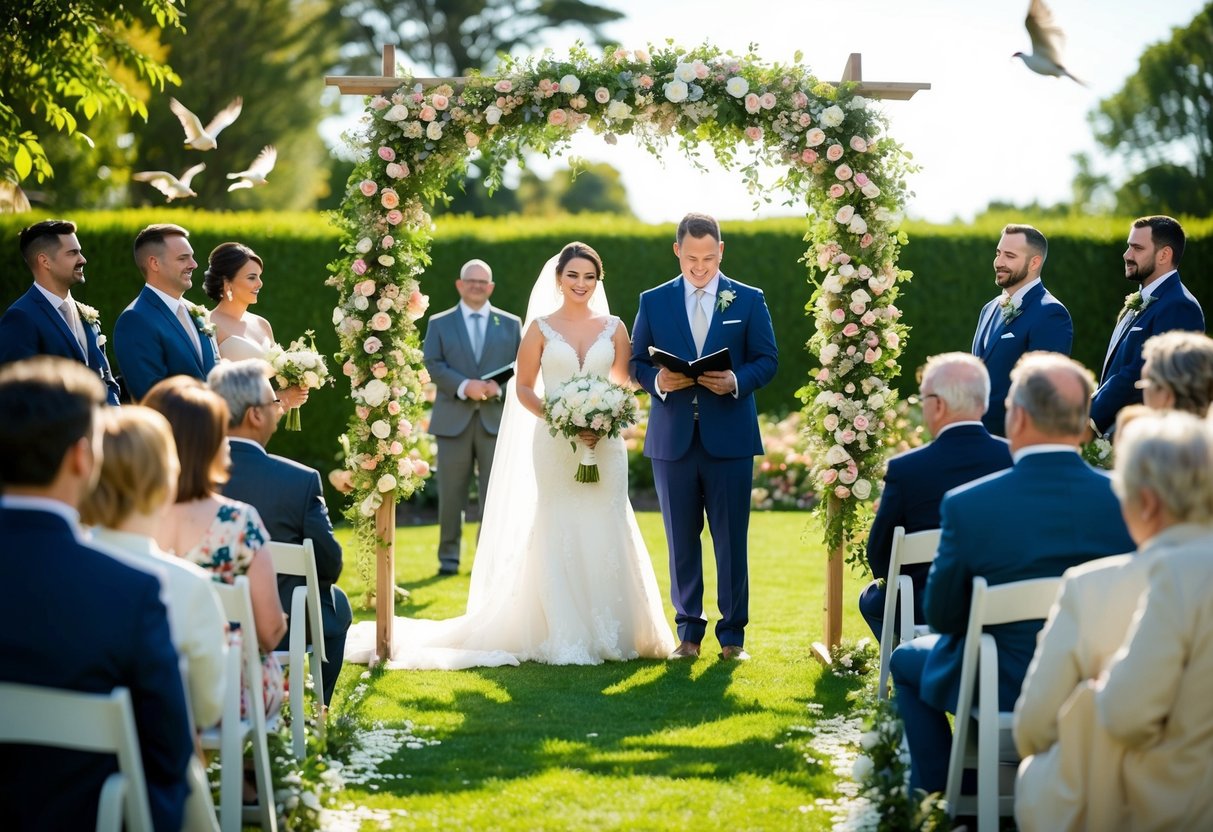
Wedding ceremonies come in different types, each with its own unique characteristics and traditions. Knowing these types can help you plan a ceremony that reflects your values and style.
Religious Ceremonies
Religious ceremonies often include various spiritual elements that are significant to you and your community. These may last from 30 minutes to over an hour, depending on the denomination and rituals involved.
In a religious ceremony, you might have an officiant leading prayers and readings from sacred texts. Many couples choose to include personalized vows that express their love and commitment. Guest participation can also play a role, such as inviting family members to light a unity candle or offer blessings. Cultural traditions, like jumping the broom or breaking a glass, can further enrich the ceremony’s spiritual significance.
Civil Ceremonies
Civil ceremonies are typically shorter and more straightforward, usually lasting around 15 to 30 minutes. These ceremonies are non-religious and often take place at a courthouse, community center, or outdoor location.
In a civil ceremony, a wedding officiant conducts the proceedings, focusing on the legal aspects of the union. Personalized vows can still be included here, allowing you to express your love in your own words. Without the constraints of religious customs, this type of ceremony provides flexibility. You might also choose to incorporate readings or short poems that hold meaning for you both.
Cultural and Secular Variations
Cultural and secular ceremonies can blend unique traditions with personal preferences. These may last anywhere from 20 minutes to an hour, depending on the rituals included.
For instance, some couples may choose to incorporate elements like a sand ceremony or a handfasting ritual. These additions not only symbolize your union but also honor your family heritage. You can personalize your ceremony to reflect your beliefs, values, and the significance of your love story. Guest participation can enhance the experience, creating joyful memories for everyone involved.
Key Elements of the Wedding Ceremony
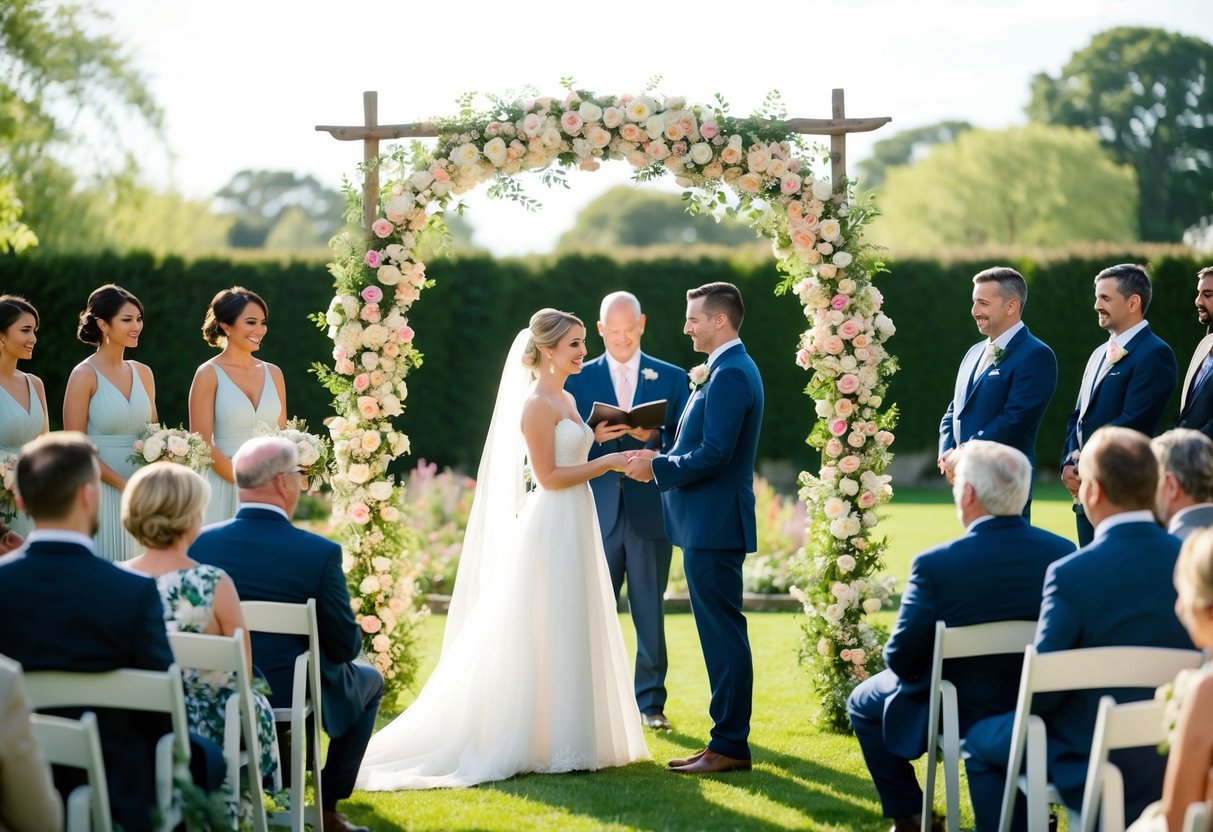
A wedding ceremony includes several important elements that create a memorable experience for you and your guests. These moments help set the tone for your special day, allowing everyone to participate in your love story.
The Processional and Recessional
The processional is a beautiful beginning to your ceremony. This is when you and your bridal party enter, often to meaningful music. You may choose to walk down the aisle solo, with a parent, or even with both. It’s a moment filled with anticipation and emotion.
Every member of the bridal party plays a crucial role. From flower girls to bridesmaids, everyone adds to the visual charm. Consider practicing this part to ensure smooth transitions and ensure everyone knows their spot.
The recessional follows the ceremony, marking your first moments as a married couple. After exchanging vows and rings, you leave the ceremony area together. This moment is celebrated with music and cheers from your guests.
Vows and Ring Exchange
Your vows are one of the most significant parts of your ceremony. This is when you express your love and commitment to each other. You can choose to write your own vows or use traditional ones.
The ring exchange happens right after the vows. You place rings on each other’s fingers as a symbol of your love and commitment. This is often accompanied by supportive words about the significance of the rings.
Remember, this moment is about you both. Whether you’re sharing personal stories or using cherished quotes, it’s essential to make this part true to your relationship.
Special Rituals and Guest Involvement
Many couples incorporate special rituals that reflect their backgrounds or values. This could include a unity ceremony, such as lighting a candle or mixing sands. These moments create deeper meaning for you and your guests.
Consider how you want to involve your guests in your ceremony. You might include readings or invite them to partake in a blessing. Guest participation can enhance the experience and make your ceremony feel personal.
Planning Your Ceremony Timeline
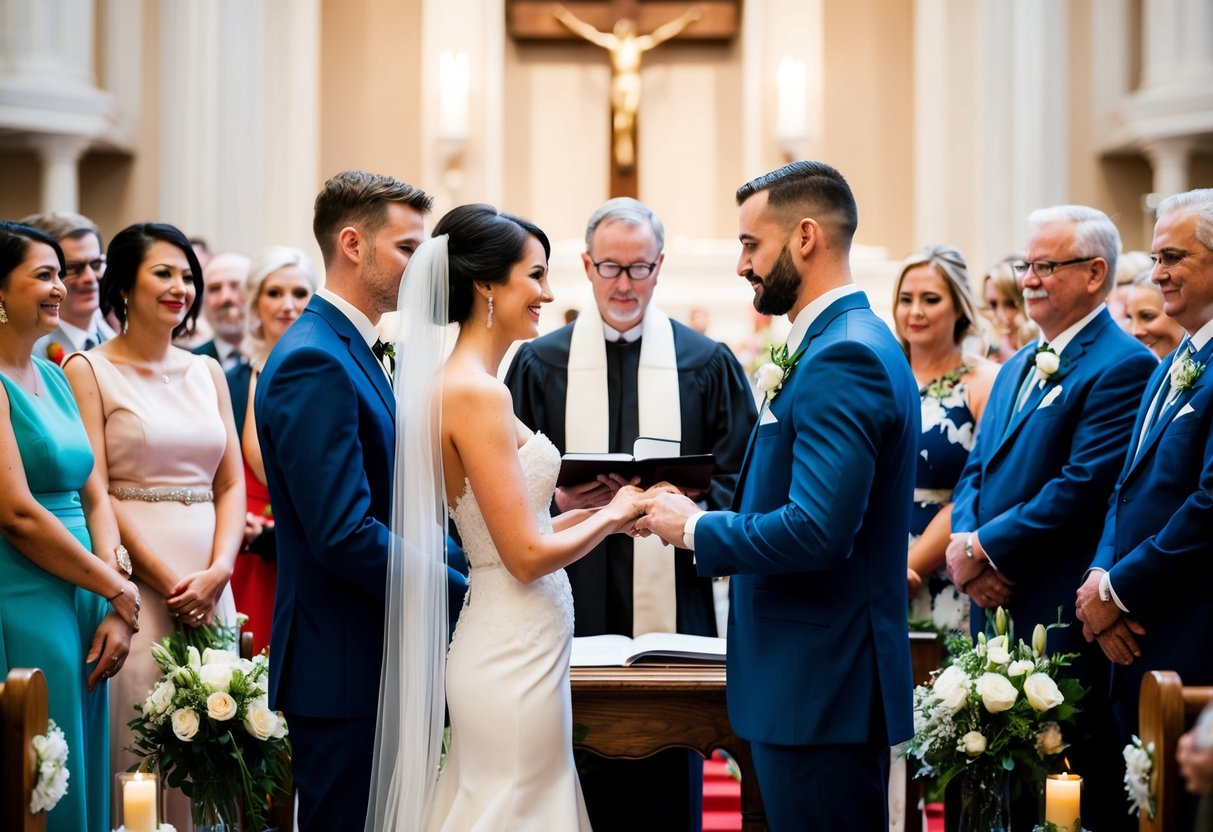
Creating a timeline for your wedding ceremony is crucial for a smooth and enjoyable experience. You’ll want to consider the length of the ceremony and any additional events that may occur before or after it.
Determining Ceremony Length
The average wedding ceremony lasts between 15 to 30 minutes. However, this can vary based on several factors. For example, religious ceremonies often take longer, sometimes up to an hour, due to traditions and rituals involved.
Think about your personal style and what you want included. Special ceremonies like unity candle lighting or sand ceremonies add meaningful touches but increase the duration. Be sure to communicate your preferred length with your officiant and the venue to keep everything on schedule.
Incorporating Pre- and Post-Ceremony Events
Including pre- and post-ceremony events can enhance the overall experience for you and your guests. Consider hosting a cocktail hour immediately following the ceremony. This can last about an hour, giving everyone time to mingle.
Also, think about your first dance and when to include it in your timeline. Will it take place right after the ceremony or during the reception? Planning these details ahead of time helps ensure everything flows well, making your day enjoyable and stress-free.
By carefully mapping out your timeline, you’ll create a beautiful and memorable ceremony that reflects your unique love story.