
How Long Does a Wedding Take to Plan? A Helpful Timeline for Couples
As you begin your exciting journey toward your big day, you might wonder, couples typically take 12 to 18 months to plan a wedding. Planning a wedding can feel overwhelming, especially when balancing all the details from choosing a venue to creating a guest list. Understanding how long the planning process usually takes can help you stay organized and reduce stress.

Engagement kicks off the planning process, setting the stage for everything that follows. Whether you envision a grand celebration or an intimate gathering, knowing the timeline allows you to make decisions without feeling rushed. Every couple’s experience is unique, and factors like the size of your wedding and the time of year can impact your planning journey.
Starting your wedding planning early can give you the space to explore options and enjoy the process. With thoughtful preparation, you can turn your vision into reality while keeping the fun alive.
Setting Your Wedding Timeline
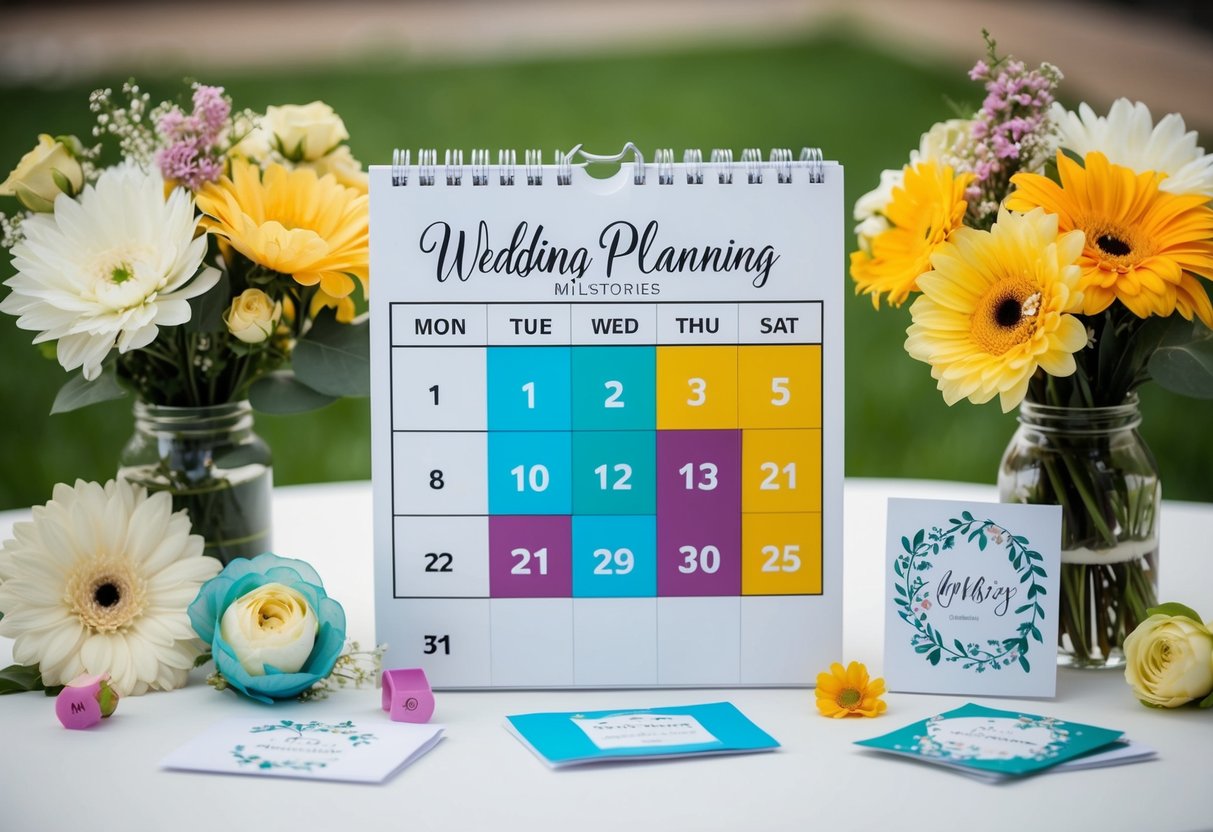
Creating a wedding timeline is essential for a smooth planning process. Establishing key milestones and deadlines will keep you organized. Understanding your planning period helps you make informed decisions. Let’s dive into the details.
Understanding the Planning Process
The wedding planning process typically starts with establishing your wedding date. This date helps shape your entire timeline. You might want a long engagement to enjoy the planning or a short engagement if you prefer to keep things quick.
Next, create a wedding planning checklist. This checklist should include major tasks like booking venues and sending save-the-dates. Each task will have its own deadline, guiding you along the way. Don’t forget to consider your lifestyle and commitments when crafting your timeline.
Important Milestones and Deadlines
Key milestones mark important times in your planning journey. These might include:
- Booking Vendors: You should aim to finalize major vendors like the venue, photographer, and caterer at least six months prior.
- Sending Save-the-Dates: Typically, you should send these out about 6-8 months before your wedding.
- Finding Your Dress: This should be completed about 6-8 months in advance to allow for fittings.
- Sending Invitations: Send these out 6-8 weeks before the wedding.
Setting deadlines for these milestones ensures you stay on track and helps manage your stress.
Determining Your Planning Period
Deciding how long you need to plan your wedding is crucial. The average time to plan a wedding is around 15 months, but it can be shorter or longer depending on your preference and needs.
With a long engagement, you have more time to explore options and make thoughtful decisions. A short engagement will require a more intense focus on completing your checklist quickly.
Consider your schedule and how much time you can dedicate each week to planning. This will guide your overall timeline. Remember to account for important legal documents, such as obtaining your marriage license.
Building Your Wedding Vision and Budget

Creating your wedding vision and setting a budget are key steps in planning your special day. A clear outline helps you stay organized, while effectively managing your finances ensures you can enjoy every moment without stress.
Creating Your Dream Wedding Outline
Start by imagining your ideal wedding vision. Think about the style, theme, and key elements that matter most to you. Are you dreaming of an intimate wedding with close friends and family, or a grand celebration with lots of guests?
Next, create a guest list. This step will guide your choices for the venue and other arrangements. Consider locations that suit your vision and how they fit into your wedding season. Once you have your list, research potential wedding venues.
Keep track of important details, including ceremony specifics and the rehearsal dinner. Making decisions early allows you to visualize your day clearly and helps streamline future planning.
Managing Finances and Expectations
Budgeting is crucial to ensure you stay on track. Start by outlining all potential expenses. Make a list that includes venue fees, catering, decorations, and attire. This will help you see where your money goes.
Be realistic about your finances and prioritize where to spend. For example, if a destination wedding is your dream, factor in travel costs for guests.
Consider your lifestyle when making these choices. You might want to allocate more funds for a photographer or a special entertainment option, while choosing a simpler venue. Adjust your budget based on what aspects are most important to you. Always leave a little cushion for unexpected expenses.
The Essentials of Wedding Planning
Planning a wedding involves several key steps that can help keep you organized and on track. You will need to gather your support team, choose the right vendors and venue, and fine-tune the details for the big day.
Assembling Your Support Team
Start by creating a guest list, which helps you figure out how many people you want to invite. It’s important to involve your family and close friends in this process. You can assign roles to your wedding party to make planning easier. A wedding planner can be an invaluable addition to your support team. They can assist you with timelines, budgets, and managing vendors. If you prefer a hands-on approach, consider involving a trusted friend or family member to help with details.
Selecting Vendors and Venues
Choosing the right venue is crucial for setting the tone of your wedding. Think about factors like location, capacity, and style. Once you have a venue in mind, start booking vendors. This includes selecting your caterer, photographer, florist, and others. Do thorough research and read reviews to find the best fit for your needs. Meet with potential vendors to discuss your vision. Don’t forget to ask about packages that may include services like arranging your wedding rings, gowns, or attire for the bridal party, like bridesmaids and groomsmen outfits.
Final Touches Before the Big Day
In the weeks leading up to your wedding, focus on the details that matter most. Double-check the wedding checklist to ensure everything is on track.
Confirm appointments with all your vendors and review contracts. Plan the logistics for the day, including transportation for you and your wedding party.
Consider hosting a bridal shower to celebrate with your close friends and family before the wedding. This event can also serve as a great opportunity to shower you with helpful gifts and tips.