
How Long Does an Average Marriage Last in the UK? Insights and Trends Explained
Many people wonder how long the average marriage lasts in the UK. Research shows that while many marriages may last around 30 years, those that do end in divorce typically last about 12 years. This statistic is important for anyone thinking about commitment or navigating their own relationship.

In recent years, the UK divorce rate has seen a decline, indicating that more couples are lasting longer together. Understanding marriage statistics for England and Wales can provide insights into this trend and the factors influencing long-term partnerships. Couples today are often cohabiting before marriage, which may help strengthen their bonds.
As you explore the topic of marriage duration, you’ll discover various influences, including age at marriage and societal changes. Whether you’re curious about the dynamics of lasting relationships or seeking advice for your own marriage, this article will provide valuable insights into what keeps couples together.
Marriage and Divorce Statistics

Understanding the statistics around marriage and divorce in the UK can provide valuable insights into relationships today. Important trends show how many marriages last and the factors leading to divorce.
Understanding UK Marriage Rates
In the UK, the average marriage lasts about 30 years, but many couples do not make it that far. In recent years, the focus has shifted to the number of marriages that end in divorce.
About 15% of couples married in 2010 divorced within their first decade. While this number is relatively low, it highlights challenges many face. Currently, opposite-sex marriages often see different trends compared to same-sex marriages.
For many couples, civil ceremonies provide a popular alternative to traditional marriages. They account for a significant number of unions, reflecting changing attitudes toward marriage.
Current Trends in Divorce Rates
The divorce rate in the UK has seen notable fluctuations. From 2004 to 2018, it dropped from 13 divorces per 1,000 marriages to just above 7.
As per recent statistics, in 2022, the median duration of marriages that ended in divorce was 12.9 years for opposite-sex couples. For same-sex couples, it varied with durations of 7.5 years for males and 6.3 years for females.
These trends suggest many marriages today are lasting longer than in the past. It’s important to remember that not all separations result in divorce, meaning many couples choose to separate without legal action.
Impact of Legal Changes on Marriages
Legal changes have significantly affected marriage and divorce in the UK. The Divorce Reform Act of 1969 made it easier for couples to end their marriages, contributing to rising divorce rates.
Since then, several reforms have aimed to streamline the process. These changes have also made civil partnerships more accessible, allowing same-sex couples to have legal recognition.
In recent years, further reforms continue to adjust the legal landscape. These changes create a more supportive environment for both marriages and civil partnerships, hoping to lower divorce rates and encourage stability.
Factors Influencing Marriage Longevity
Marriage longevity is affected by various factors. Understanding these can help you navigate your own relationship or better grasp what influences others around you. Key areas to consider include the age at which people marry, trends in cohabitation, and changing cultural views.
The Role of Age and Cohabitation
The age at which you marry plays a big part in how long your marriage might last. Research shows that marrying later often leads to more stable relationships. This is because older couples tend to be more mature and ready for commitment.
Cohabitation before marriage is also an important factor. Couples who live together prior to tying the knot tend to have a better understanding of their partner’s habits and compatibility. This experience can lead to more informed decisions about marriage, boosting the chances of long-term success.
Common Causes of Divorce
Understanding the causes of divorce can shed light on what makes marriages last. One of the leading reasons is a lack of commitment. When partners are not fully invested in each other, it can create distance.
Other common causes include financial stress and work-life imbalance. During events like COVID-19, many couples faced increased stress, leading to strained relationships. Knowing these challenges can help you address potential issues before they escalate.
Cultural Shifts and Marriage Perceptions
Cultural shifts have changed how marriage is viewed. Acceptance of second marriages and cohabiting couples has increased. This acceptance can impact how long relationships last, as individuals may feel less pressure to stay in unhappy situations.
Additionally, demographic trends show that the average age of divorce is rising. People are marrying later and often entering marriage with established careers and life goals. This shift can lead to healthier relationships as partners strive to grow together rather than apart.
Navigating Relationship Dynamics
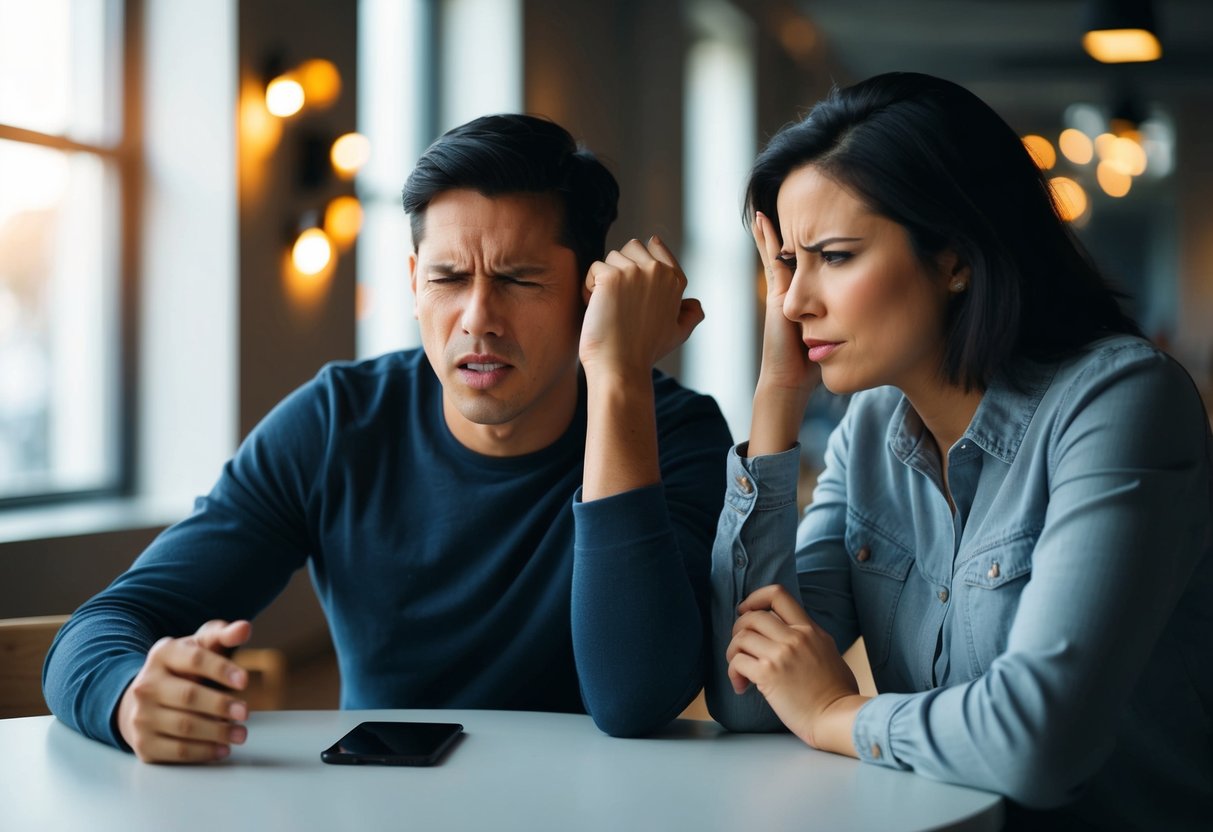
When it comes to marriage, understanding relationship dynamics is crucial. Key areas like communication, trust, and commitment play significant roles in how long a marriage lasts. These factors can help you navigate challenges and strengthen your bond.
Communicating and Trusting in Relationships
Effective communication is essential for a healthy marriage. When you express your thoughts and feelings openly, it builds trust. Trust is the foundation of any strong relationship. Without it, doubts and insecurities can grow.
Listening is just as important as speaking. Make sure you actively listen to your partner. This shows respect and understanding.
Clear communication helps prevent misunderstandings. Establishing a safe space to share feelings can deepen your emotional connection.
In romantic relationships, the way you handle conflicts matters. Approach disagreements calmly, focusing on solutions rather than blame. This fosters a sense of teamwork. Remember, strong relationships often have open lines of communication.
The Evolution of Commitment
In a marriage, commitment often evolves over time. Early on, you may feel an intense romantic connection. But as time goes on, familiarity can set in. This is where the “seven-year itch” comes into play. Many couples experience challenges around this time.
Being aware of these phases can prepare you for changes. It’s important to actively nurture your bond. Engage in activities that you both enjoy. Finding new shared interests can strengthen your commitment.
In recent years, marriage rates have varied. Many couples choose to cohabitate before tying the knot. This shift reflects changing views on commitment. Regardless of your status, maintaining a strong commitment requires consistent effort and the intention to grow together.