
How Long Does It Take to Become a Planner? Your Guide to a Rewarding Career
Becoming a planner can be an exciting journey filled with opportunities to shape communities and improve lives. It typically takes about 6 to 8 years of education and experience to become a qualified planner, depending on the specific field you choose. Your path usually begins with earning a bachelor’s degree in urban planning or a related area.
Following that, a master’s degree is often necessary, allowing you to develop more advanced skills in planning and policy.

As you advance in your planner career, gaining practical experience is just as important as your education. You’ll need to learn valuable planner skills such as communication, problem-solving, and project management. These skills will not only help you in your job but also prepare you for different roles within the planning field.
If you’re passionate about making a difference in your community, understanding the time and commitment required to become a planner will help you plan your educational and career goals effectively.
So, let’s explore what it takes to successfully navigate this path and the various options available to you.
Educational Pathways

Your journey to becoming a planner involves several important educational steps. These include obtaining an undergraduate degree, pursuing postgraduate studies, and considering certifications or specializations. Each stage prepares you for different aspects of planning work.
Undergraduate Education
To start, you will need a bachelor’s degree. Common fields of study include urban planning, architecture, environmental studies, or public policy. This foundational education takes about four years to complete.
During your undergraduate studies, you will explore important concepts such as land use, community development, and environmental impact. Most programs also offer practical experience through internships, which can be invaluable.
Choosing the right major is crucial. A degree in urban studies is helpful if you want to enter the field directly, while engineering or architecture can position you well for advanced studies.
Postgraduate Studies
After earning your bachelor’s degree, consider pursuing a master’s degree in urban planning. This advanced education takes an additional two years.
During your master’s program, you will dive deeper into planning principles and techniques. You will learn about policy analysis, urban design, and environmental sustainability. This knowledge will enhance your skills and make you a competitive candidate.
Some programs also offer specializations in areas like transportation planning or regional development. These options allow you to tailor your education to fit your career goals and interests.
Certifications and Specializations
While optional, certifications can boost your qualifications and job prospects. Various organizations offer certifications for planners, which may require you to pass an exam.
For example, achieving certification from the American Institute of Certified Planners (AICP) is recognized nationwide. It requires a master’s degree, professional experience, and passing a test.
You can also seek specializations that align with your interests, such as environmental planning or community engagement. These additional qualifications can set you apart in a competitive job market.
Essential Skills and Qualifications

To become a planner, it’s important to have a blend of core skills and advanced qualities. These abilities help you manage projects effectively and communicate well with various stakeholders. Let’s explore what you need to succeed in this role.
Core Skills for Planners
As a planner, developing core skills is crucial. Here are some essential ones to focus on:
-
Communication Skills: You must clearly convey ideas and collaborate with clients, team members, and community groups.
-
Organizational Skills: You need to juggle multiple tasks, deadlines, and details simultaneously. Keeping everything in order is key to success.
-
Time Management: Balancing various projects means managing your time wisely. Prioritizing tasks will ensure you meet all deadlines.
-
Problem-Solving Skills: Challenges will arise in planning. Quickly finding effective solutions can save you time and keep projects on track.
These skills form the foundation for a successful career in planning, allowing you to navigate various work environments effectively.
Advanced Qualities of Successful Urban Planners
To further enhance your planning career, focus on developing advanced qualities:
-
Leadership: Strong leaders guide teams and inspire confidence. You should be able to motivate others toward a shared vision.
-
Project Management: This skill combines organization with leadership. You will oversee projects from start to finish, ensuring everything runs smoothly.
-
Transportation Knowledge: Familiarity with transportation systems helps you address community needs. Understanding traffic patterns and public transit options is vital.
Working on these advanced qualities not only strengthens your skillset but also positions you as a knowledgeable and valuable planner.
Navigating the Job Market
Finding a planner job requires a strategic approach. Knowing where to look and how to present yourself is crucial for success. Here’s how you can effectively secure your desired position in planning.
Securing Planner Jobs
To secure planner jobs, start by targeting the right roles. Focus on positions like urban planner, city planner, or regional planner. Each of these roles might have different requirements but often overlap in skills.
Next, use job search platforms. Websites like LinkedIn, Indeed, and Glassdoor frequently list job openings. Set alerts for specific keywords to stay updated on new postings.
Networking can be a game-changer. Attend industry events and connect with professionals. Join local planning organizations or online forums to meet others in the field. These connections can lead to job opportunities that aren’t advertised publicly.
Optimizing Your Job Search and Resume
Optimize your job search by tailoring your resume. Highlight relevant experience and skills specific to the type of planner role you’re targeting. If you have project management experience, include that.
Use keywords related to planning in your resume to match the language in job postings. This can help your application pass through automated systems.
When writing your resume, keep it clear and concise. Focus on achievements rather than just job duties. Use bullet points for easy reading. Mention any certifications or advanced degrees, as they can significantly improve your job outlook and career advancement opportunities.
By following these tips, you’ll set yourself up for success in the planning job market.
Real-World Application and Growth
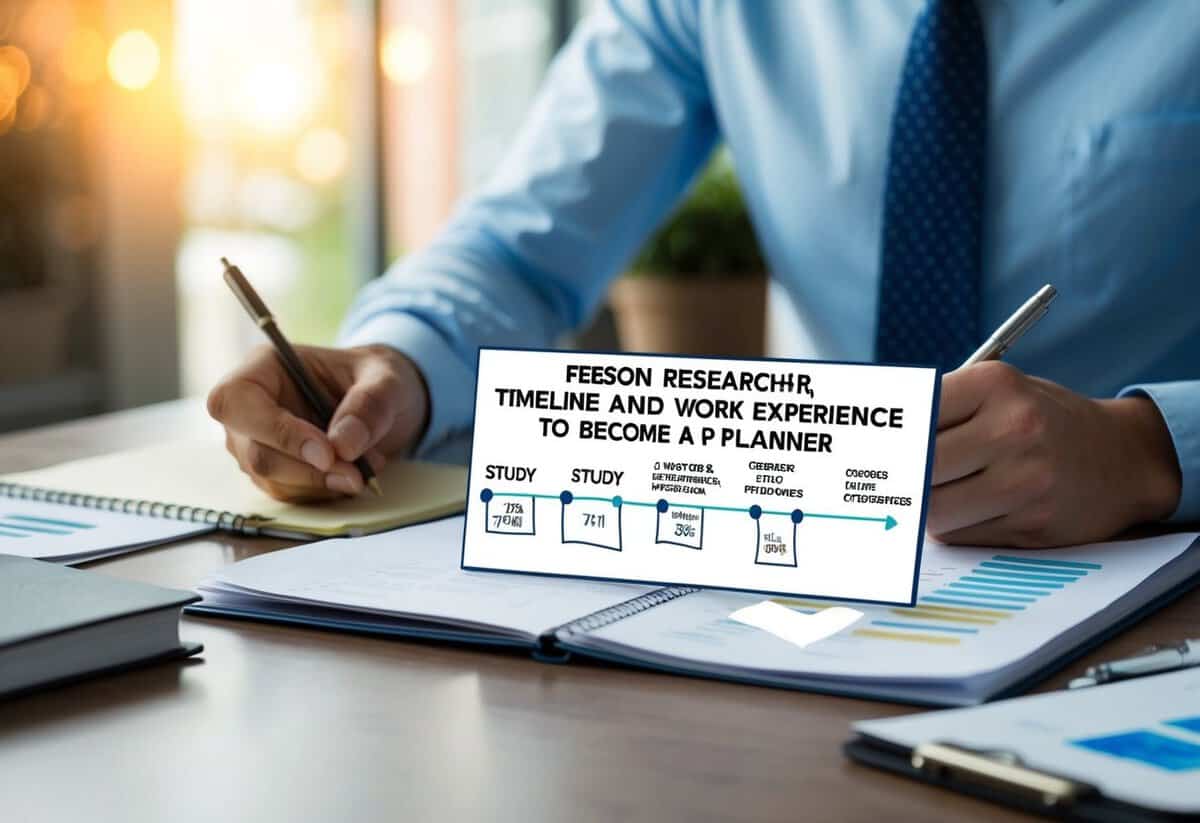
As you embark on your journey to become a planner, understanding the practical aspects of the job is crucial. This includes daily tasks and ongoing opportunities for professional growth. These elements play a significant role in shaping your career and success in urban and regional planning.
Day-to-Day Duties
In your daily work as a planner, you will handle various tasks that directly impact the community. A major focus will be on land use and infrastructure planning. You’ll analyze population growth data to make informed decisions that affect community development. This includes evaluating sites for new projects, ensuring they comply with environmental regulations.
You’ll often collaborate with local governments and stakeholders. Conducting market research and gathering public input is essential in the planning process. Through these engagements, you’ll learn about community needs and preferences.
Your work in environmental sustainability will also help ensure that planning aligns with green initiatives to build better cities for future generations.
Professional Development Opportunities
As a planner, you will find numerous chances for professional development. Many organizations offer workshops and seminars focused on sustainable urban planning and public administration skills.
Taking part in these can enhance your knowledge of the latest strategies, regulations, and technologies in the field.
You can also pursue certifications from recognized bodies to advance your career and increase your earning potential. According to the U.S. Bureau of Labor Statistics, planners earn a competitive salary, and those with specialized skills often see better opportunities.
Networking through conferences or local planning associations can further open doors. Engaging with peers allows you to stay updated on trends and share best practices in community and urban development.