
How Long Is a Normal Wedding? Understanding the Timeline for Your Big Day
When planning your big day, you might wonder how long a normal wedding lasts. Typically, a wedding ceremony lasts about 20 to 30 minutes, while the reception can go on for about four to six hours. Knowing these time frames can help you organize your schedule and keep your guests engaged throughout the event.
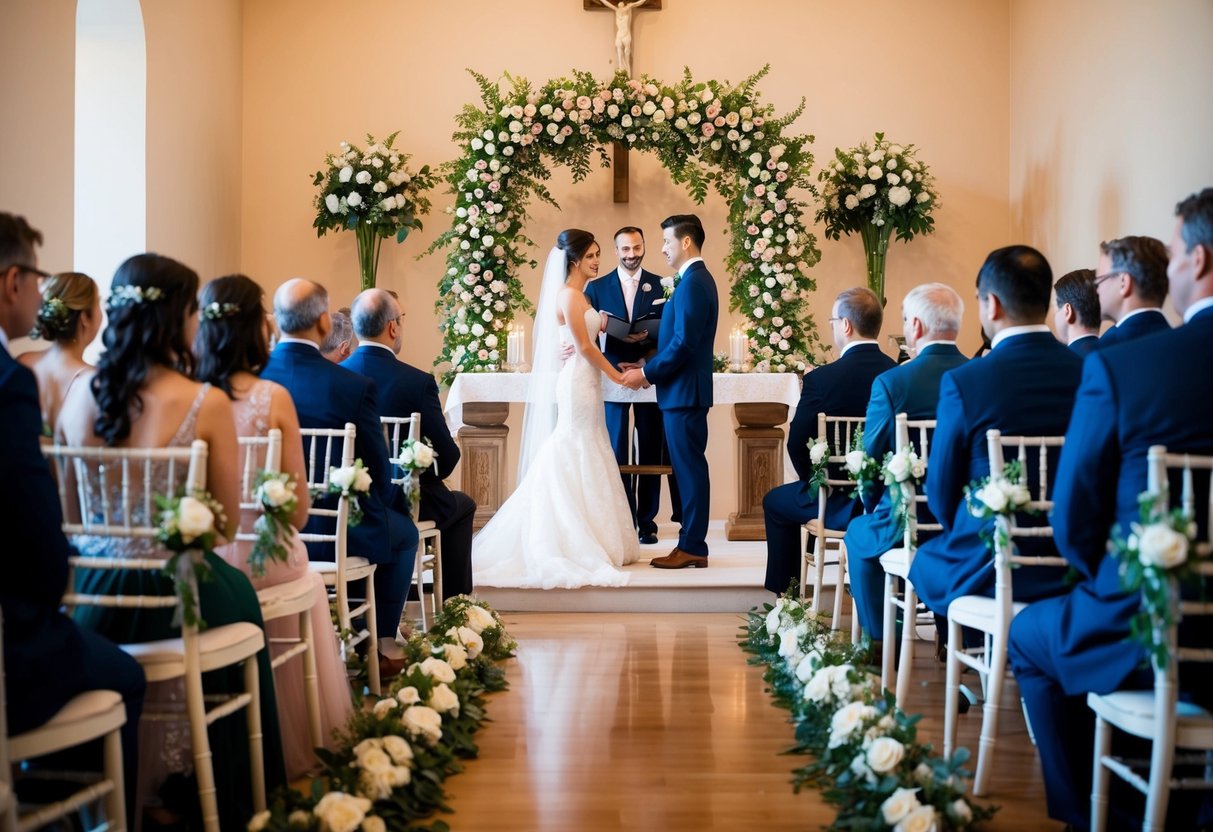
Different factors can influence the timing, including the type of ceremony and the number of activities planned during the reception. It’s important to balance fun and structure to ensure everyone enjoys the celebration. By understanding the typical flow of a wedding day, you can create a memorable experience for you and your guests.
As you dive deeper into the planning process, consider what elements matter most to you. This will help you decide how to make the most of each moment, from the heartfelt vows to the lively dance floor.
Understanding Wedding Timelines
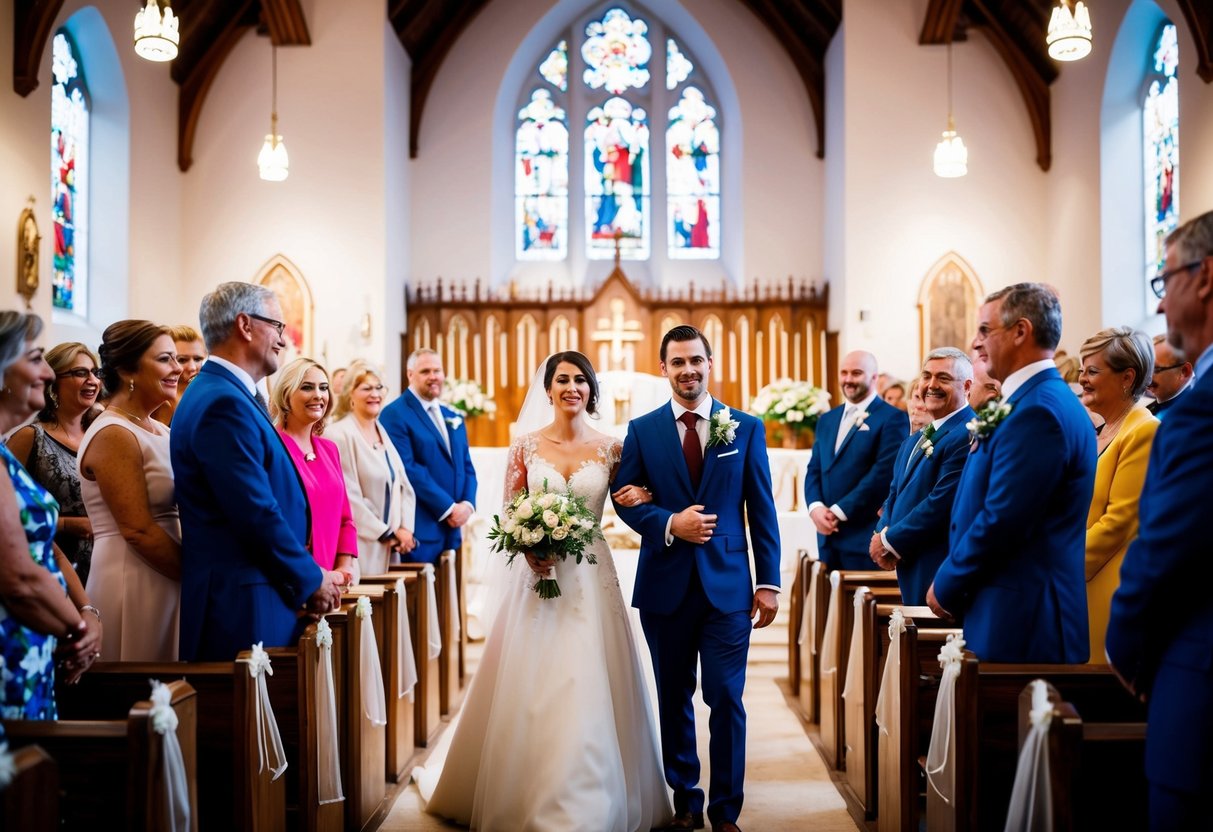
Planning a wedding requires knowing how long each part of the event will take. A clear timeline helps everything run smoothly, whether it’s your first marriage or a second one. Here’s a look at traditional time frames and some modern variations.
Traditional Time Frames
A typical wedding ceremony usually lasts about 20 to 30 minutes. This includes key moments like the processional, exchanging vows, and the recessional. After the ceremony, the reception follows, which generally lasts around 5 hours.
During the reception, you can expect 1 hour for cocktails and 4 hours for dinner and dancing. Factors like the number of guests, band or DJ choice, and dinner style can influence this timing. It’s essential to plan food and entertainment accordingly to keep everyone engaged.
Modern Variations
In recent years, many couples have created unique timelines that reflect their personalities. For instance, some now have shorter ceremonies, lasting only 15 to 20 minutes. This helps maintain a more casual vibe while staying focused on essential rituals.
Receptions may include activities like photo booths or a dessert bar, extending the event’s fun. Additionally, some couples opt for themed weddings that might shift the schedule. For example, if you choose a brunch wedding, you’ll plan for a different flow than an evening reception.
Keeping your guests entertained and engaged is key, no matter your choices.
Key Moments of a Wedding Day
A wedding day is filled with special moments that create lasting memories. From the ceremony to the reception, each part plays a significant role in the celebration. Understanding these key moments can help you better plan your special day.
Ceremony Essentials
The wedding ceremony is the heart of your day. It typically lasts around 20 to 30 minutes. Key elements include the processional, exchange of vows, and the ring exchange.
Make sure to choose meaningful readings or music to enhance the experience. A well-timed ceremony sets the tone for everything that follows.
You may want to include a unity ceremony, such as lighting a candle together, to symbolize your new life as a couple. After the ceremony, you’ll have a moment to celebrate your first moments as newlyweds.
Reception Highlights
The reception is where the party truly begins! Start the evening with a cocktail hour, lasting about an hour. Guests can enjoy drinks and appetizers while you take wedding photos.
The transition to the main event includes your grand entrance. Following that, the first dance is a memorable experience that often lasts 3 to 5 minutes.
Dinner usually follows, and can vary in length, but aim for 1 to 1.5 hours. Remember to plan out speeches and toasts to add emotional touches throughout the evening.
Post-Ceremony Activities
After the ceremony and reception, don’t miss out on some fun post-ceremony activities. These can include games, photo booths, or even a dance-off.
Around halfway through the evening, incorporate the cake-cutting ceremony to build excitement.
As the night progresses, consider adding a special late-night snack for your guests to enjoy. This keeps the energy up and your guests happy.
Planning these activities brings joy and entertainment while allowing you to celebrate with your loved ones!
Pre-Wedding Events
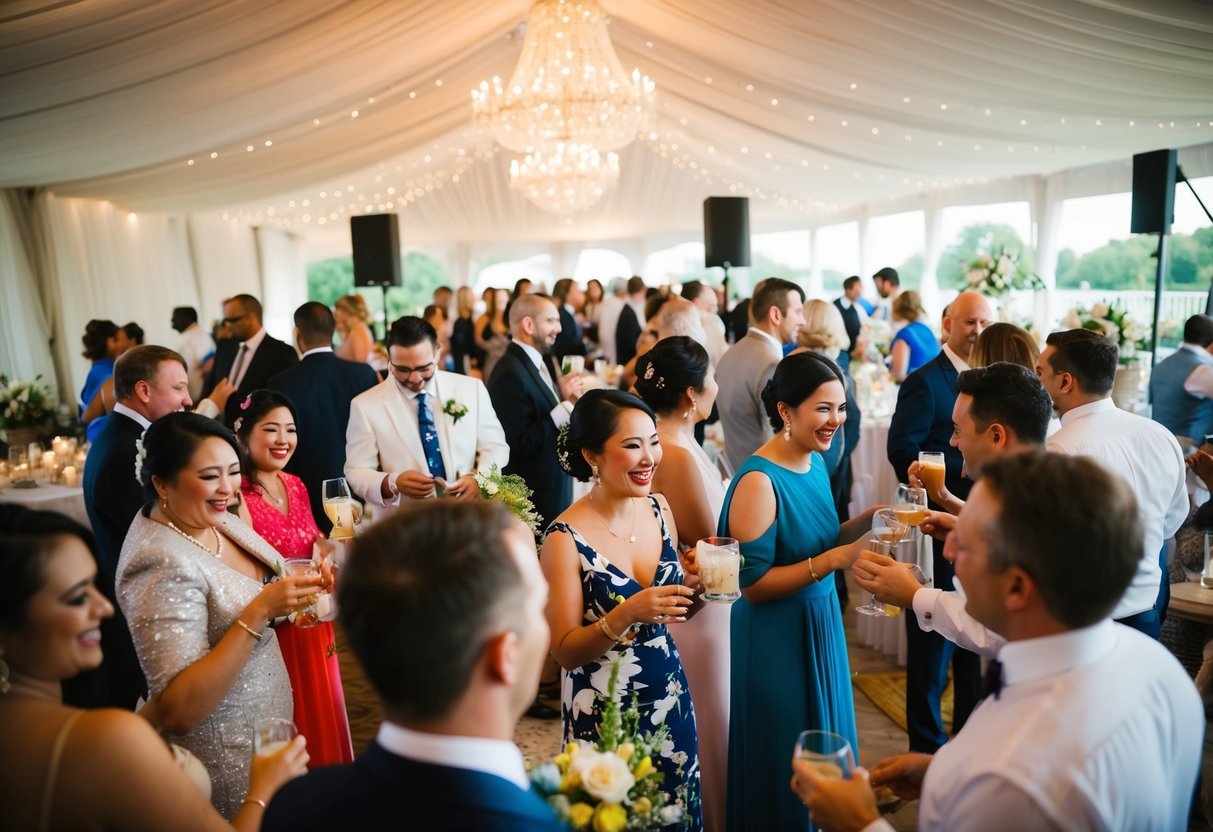
Pre-wedding events are special gatherings that allow you to celebrate your upcoming wedding with family and friends. These events create lasting memories and help build excitement for the big day. Two key types of pre-wedding events are engagement parties and rehearsal dinners.
Engagement Parties
An engagement party is often the first celebration after you get engaged. This event sets the tone for your wedding festivities. You can plan it a few weeks or months after the engagement, depending on your preferences.
Inviting close friends and family is common. This gathering can be formal or casual, with food, drinks, and maybe even some early wedding planning discussions. The focus is on celebrating your engagement and sharing your joy.
Keep the guest list manageable so you can connect with everyone. Consider fun themes or activities to enhance the atmosphere. It’s a great chance to strengthen relationships before your wedding day.
Rehearsal Dinners
A rehearsal dinner happens the night before the wedding. It’s an important time for the wedding party to come together. This dinner helps everyone feel more comfortable with their roles in the ceremony.
Usually, this event is intimate, including close family and the wedding party. It provides a chance to review the ceremony details and address any questions. Sharing stories and laughter makes the occasion memorable.
Food can range from casual barbecues to elegant sit-down dinners. During toasts, don’t forget to thank all who helped with the wedding preparations. This event helps set a festive tone for your wedding day ahead.