
How Long Is a Normal Wedding? Tips for Timing Your Special Day
Planning your special day can feel overwhelming, especially when it comes to timing. A normal wedding typically lasts around six hours in total, covering both the ceremony and the reception. This time includes approximately 20-30 minutes for the ceremony and about four to five hours for the reception, which often consists of dinner and dancing.
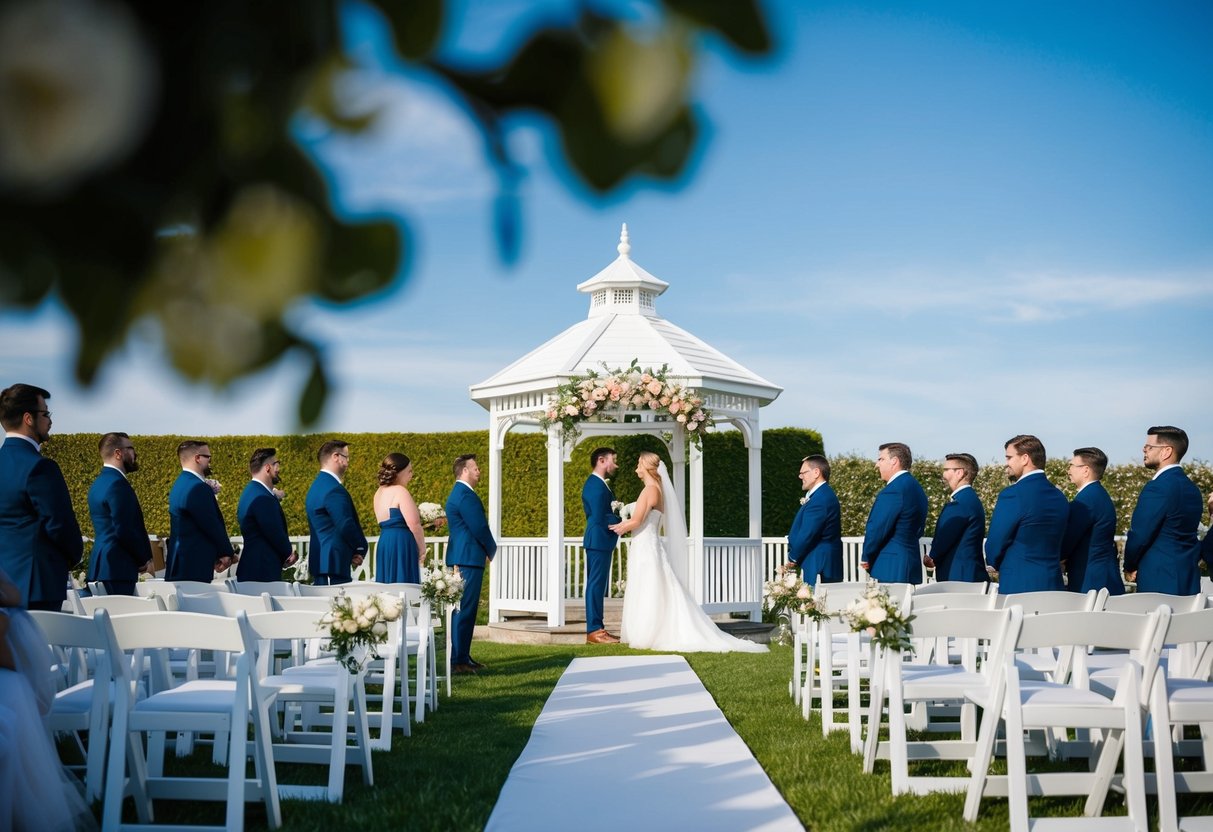
Understanding the typical timeline helps you manage your schedule better and ensures you don’t miss out on any important moments. Whether you envision a grand celebration or an intimate gathering, knowing how long your wedding will be can guide your planning choices.
Average Duration of a Wedding Ceremony
When planning your wedding, it’s essential to know how long the ceremony will last. The duration can vary based on cultural traditions and whether it’s your first or second marriage. Here’s what to consider.
Cultural Variations in Ceremony Length
The length of a wedding ceremony can differ significantly based on cultural or religious practices. For example, a traditional Western wedding usually lasts between 30 to 60 minutes. In contrast, some cultural ceremonies can extend to over an hour.
Specific rituals may be included, such as religious readings, dances, or unique unity ceremonies. These elements can add time but also make the ceremony special.
If you enjoy traditions, consider incorporating them into your ceremony timeline. Balancing the length with meaningful content ensures your ceremony feels just right for you and your guests.
Timing for First and Second Marriages
Ceremony length can also depend on whether this is your first or second marriage. Traditionally, first marriages may involve more elaborate ceremonies, often lasting closer to the hour mark.
In contrast, second marriages might be simpler and shorter, usually around 30 minutes. Couples often prioritize efficiency in their schedule, focusing on what matters most.
Important moments like vows and rings still take center stage, regardless of the marriage count. Communicating your desires with your partner will help shape the wedding timeline to suit your preferences.
Key Wedding Reception Activities
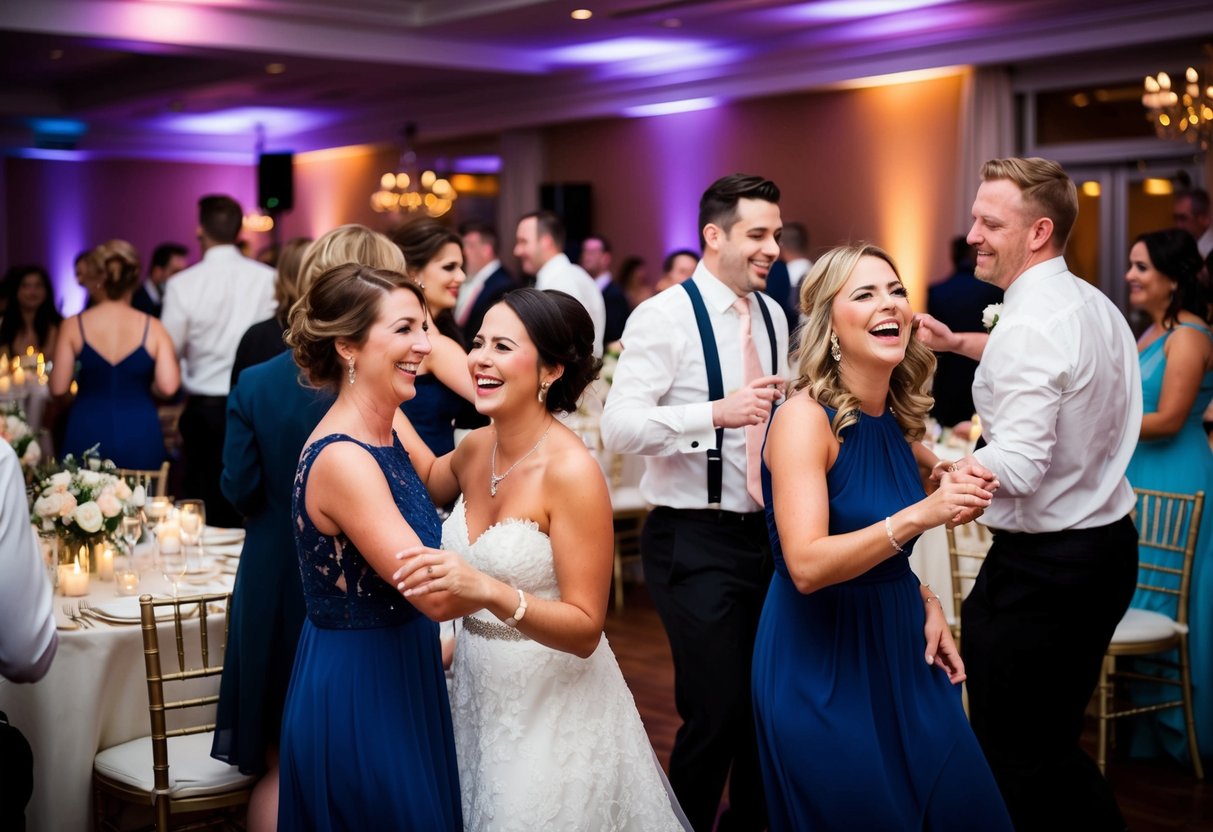
Planning your wedding reception involves key activities that set the tone for the celebration. Focusing on the cocktail hour and the first dance can enhance the experience for you and your guests, ensuring memorable moments.
Cocktail Hour Essentials
The cocktail hour usually takes place right after the ceremony. This is the perfect time for guests to mingle while you and your partner take pictures.
Key Elements of a Great Cocktail Hour:
- Signature Drinks: Consider serving a special cocktail that reflects your personality. This adds a personal touch and gives guests something unique to enjoy.
- Appetizers: Offer a variety of small bites to keep guests satisfied. Finger foods, cheese platters, or mini sliders are popular options.
- Music: A live band or a playlist enhances the atmosphere. Choose tunes that match your style—smooth jazz or upbeat pop can create the right vibe.
Cocktail hour lasts about one hour. It allows guests to relax and enjoy themselves before dinner begins.
The Significance of the First Dance
The first dance is a cherished moment during the reception. It symbolizes your love and commitment to each other.
Important Aspects of the First Dance:
- Song Choice: Pick a song that holds meaning for both of you. It doesn’t have to be a traditional love song; something unique can make it more special.
- Choreography: If you’re comfortable, consider taking dance lessons to impress your guests. Your dance can be elegant, fun, or both!
- Lighting and Setting: Enhance this moment with proper lighting and a clear dance floor. This makes the viewing experience enjoyable for everyone.
The first dance usually occurs shortly after dinner. It’s a highlight that focuses everyone’s attention on you as you celebrate your union together.
Planning Your Wedding Day Schedule
Creating a solid wedding day schedule can help ensure that everything goes smoothly. By planning carefully and considering key details, you can enjoy your special day without feeling rushed or stressed.
Building in Buffer Time for Unforeseen Events
When planning your wedding, it’s crucial to include buffer time. This means setting aside extra minutes between activities, such as the ceremony, reception, and photo sessions.
Consider these tips:
- 10-15 Minutes Extra: Add a little time between events. For example, if your ceremony is expected to last 30 minutes, plan for 45.
- Travel Time: If you’re moving locations, account for traffic or delays. Even if it’s just a short distance, extra time can save you from stress.
- Vendor Delays: Sometimes, vendors may run late. Having that buffer allows you to stay on track without feeling rushed.
Coordination with Wedding Vendors
Your schedule depends on your wedding vendors. Good communication ensures everyone is on the same page.
Here are some steps to take:
- Create a Detailed Timeline: Share a timeline that outlines when and where vendors need to be.
- Regular Updates: As the day approaches, keep in touch with your vendors. If anything changes, let them know right away.
- Rehearsal Dinner: Use this time to discuss the day’s schedule with your vendors. Make sure they understand their roles and timing.