
How Long Is a Wedding from Start to Finish? A Guide to Timeline Expectations
Planning your wedding can feel overwhelming, especially when trying to figure out how long the day will last. A typical wedding day from start to finish ranges from five to six hours, including the ceremony and reception. Knowing the timeline can help you set a comfortable pace, ensuring you and your guests enjoy every moment.
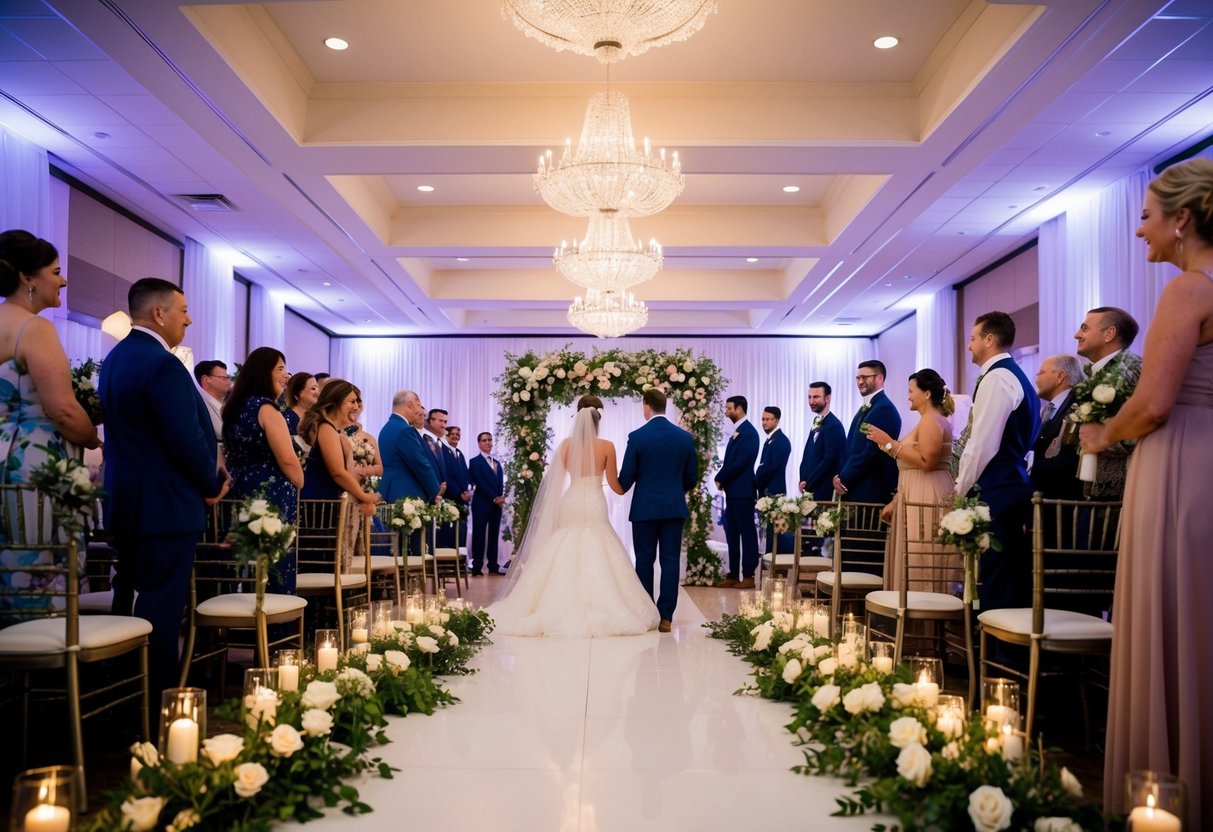
Your wedding timeline is crucial to making sure everything flows smoothly. From getting ready in the morning to the final dance of the night, understanding the schedule can ease your stress. You can allocate time for everything, ensuring you enjoy your special day without feeling rushed.
Whether you’re planning a small, intimate gathering or a grand celebration, having a clear idea of how long each part of the day will take is key. With this information, you can make informed decisions that reflect your style and preferences, creating a memorable experience for you and your loved ones.
Pre-Wedding Preparations
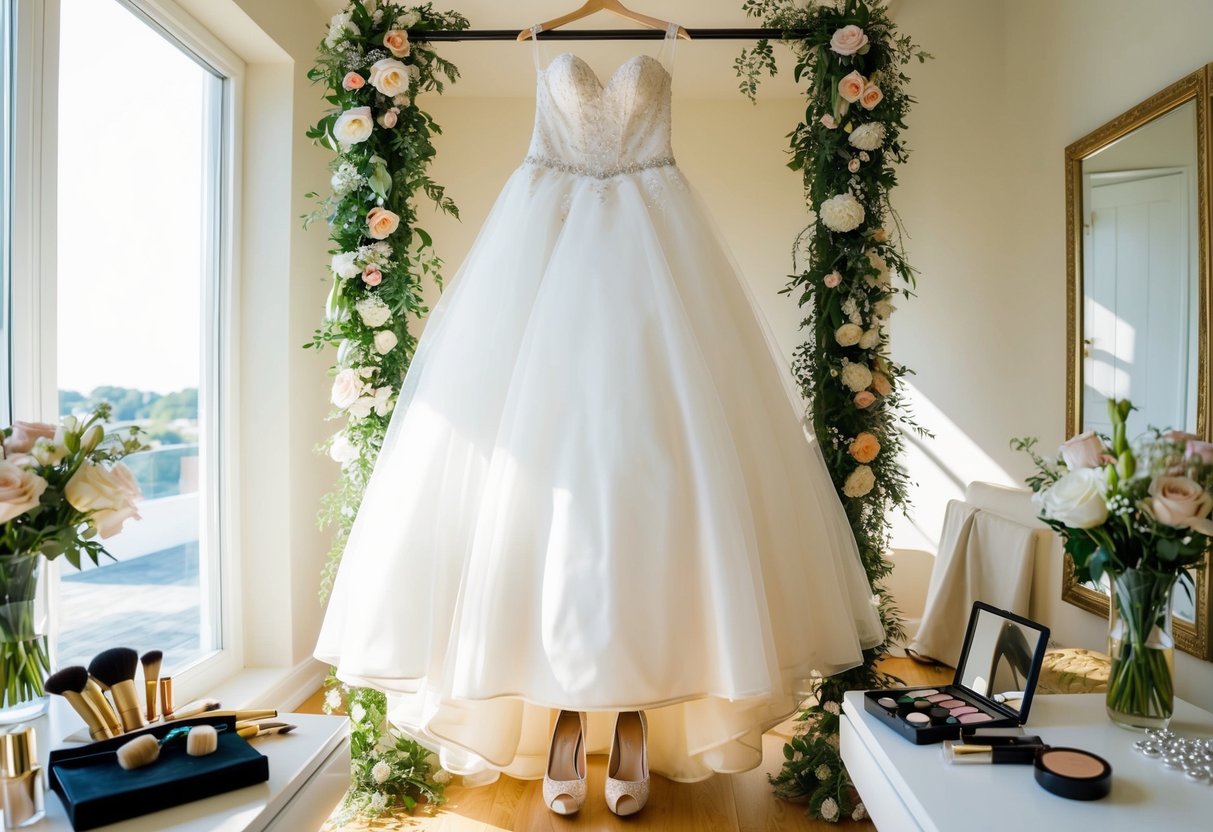
Planning is key to a smooth wedding day. It begins long before the ceremony, with important tasks that set the tone for your special event.
Getting Ready
Getting ready on your wedding day is a big moment for you and your bridal party. It’s when emotions run high, and you want everything to go perfectly. Start by scheduling hair and makeup services well in advance. If you have a wedding planner, they can help coordinate this.
Make sure you set aside enough time for everyone to get ready. A typical timeline includes around 2-3 hours for the bride and her party. Choose a comfortable space where everyone can relax and enjoy the moment.
Don’t forget about your wedding dress! Ensure it’s steamed and ready to go. You may also want to include a time for family photos in this part of the day. A good plan for this will help create lasting memories.
Ceremony Rehearsal
A ceremony rehearsal is essential to help everyone know their roles. This usually happens a day or two before the wedding. You and your wedding party should walk through the order of events.
During the rehearsal, focus on timing and placement. This helps everyone feel comfortable with their movements, from the processional to the candle lighting.
Your wedding planner can organize this well, ensuring all details are addressed. Invite your family members to join so they know what to expect, too. Having a smooth rehearsal makes the actual ceremony feel much easier and more joyful.
Ceremony Details
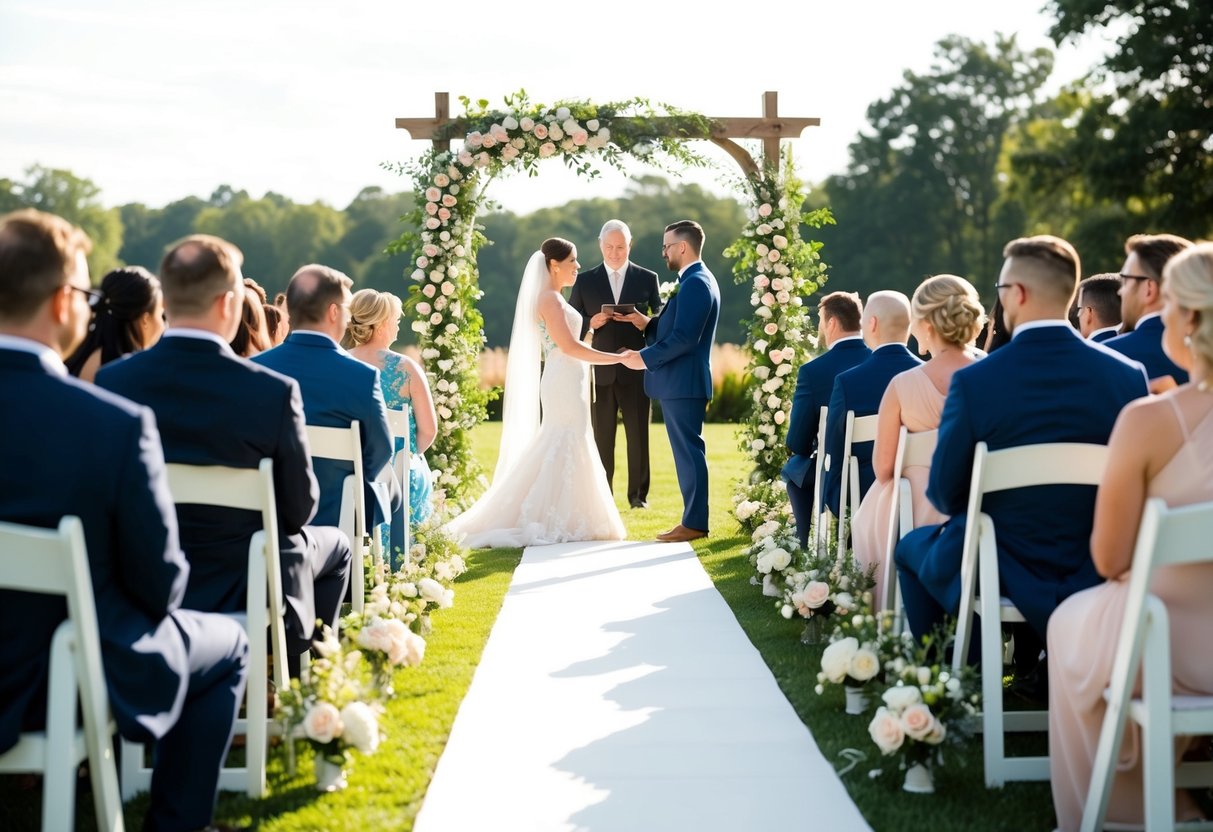
Your wedding ceremony is an essential part of the celebration. It marks the moment you and your partner commit to each other in front of loved ones. Here’s what to expect during the ceremony.
Guest Arrival and Seating
As your guests arrive at the wedding venue, they will be guided to their seats. This can take about 20-30 minutes, depending on the number of guests. Ensure that the seating arrangement is clear to make this process smooth.
You can use reserved signs for family and the wedding party. Consider having a designated area for elderly guests or those with disabilities to make everyone comfortable.
Playing soft music can help set the mood while guests settle in. A friendly greeter at the entrance can welcome everyone, creating a warm atmosphere before the ceremony begins.
The Processional
The processional is a special moment that marks the start of the ceremony. It typically takes about 3-4 minutes. The wedding party usually walks down the aisle first, followed by the couple’s parents.
The highlight is when you, the bride, walk down the aisle. This moment often features meaningful music and might include cultural traditions.
Consider hiring a wedding photographer to capture the processional. These photos often become some of the most cherished memories from the day. Taking your time during the processional allows for emotional moments between you, your partner, and your loved ones.
Exchange of Vows
During the exchange of vows, you and your partner declare your love and commitment to each other. This part of the ceremony is incredibly personal and usually lasts about 10-15 minutes.
You can choose to write your own vows or follow traditional wedding vows. You might include readings or quotes that resonate with your relationship, adding another layer of meaning.
Don’t forget the ring exchange, which symbolizes your commitment. This is often one of the most memorable parts of the ceremony, so ensure it is captured beautifully by your photographer. Creating an intimate atmosphere during this time helps deepen the connection with everyone present.
The Recessional
The recessional follows the exchange of vows and is a joyful conclusion to the ceremony. It typically lasts about 5 minutes as the couple exits first, followed by the wedding party and guests.
You may select upbeat music to celebrate your new union. This is also a great time for your wedding photographer to capture candid moments of joy among your guests.
Be sure to plan a clear exit route, especially if you’re heading to the reception immediately after the ceremony. Many couples toss petals or confetti during the recessional for added festive fun. This moment often sets the tone for the celebration that follows.
Wedding Reception
The wedding reception is where the celebration truly comes to life. It is a time for food, fun, and unforgettable moments with your loved ones. Key parts of the reception include the grand entrance, toasts, entertainment, and special traditions like the bouquet and garter toss.
Grand Entrance and Welcome Toasts
Your grand entrance sets the tone for the evening. As you and your partner walk in, consider announcing yourselves with joy and excitement. This moment is often accompanied by a special song that resonates with you.
Following the grand entrance, a welcome toast is given by a designated person, usually the best man or maid of honor. This toast welcomes guests and expresses gratitude for their presence. It’s a heartfelt way to connect with everyone.
Meal and Toasts
Dinner is a central part of your wedding reception. Many couples choose a multi-course meal, starting with appetizers or a first course. Make sure the menu reflects your taste and style. Whether it’s a sit-down dinner or a buffet, ensure there are options for all guests.
Throughout the meal, toasts make the meal even more special. Wedding party members often take turns sharing memories and well wishes. These toasts can be humorous or sentimental, adding a personal touch that enhances the dining experience.
Entertainment and Activities
The entertainment keeps the energy alive during the reception. Many couples hire a band or DJ to play music. Plan for specific dance sets, such as your first dance, and keep the vibe upbeat to encourage guests to join in.
In addition to dancing, consider including fun activities. This could be games, a photo booth, or even a slideshow. These elements engage guests and create lasting memories while allowing everyone to interact and relax.
Bouquet and Garter Toss
The bouquet toss and garter toss are cherished wedding traditions. During the bouquet toss, you invite all single women to the dance floor. As you toss the bouquet, it symbolizes good luck for the person catching it.
For the garter toss, you can invite single men. This fun moment often includes some playful banter. As you cut the cake, this can also serve as a great photo opportunity. Make sure the decor stands out to enhance these moments.
Closing the Evening
As the evening winds down, it’s important to close on a high note. This might include your last dance as a couple. Consider a song that holds special meaning for you both.
After the last dance, thank your guests for being part of this special day. If you are planning an after-party, let guests know where it will take place and what time.
Ending your wedding reception with joy ensures that everyone leaves with wonderful memories. Keep these moments personal, engaging, and fun!
Vendors and Coordination
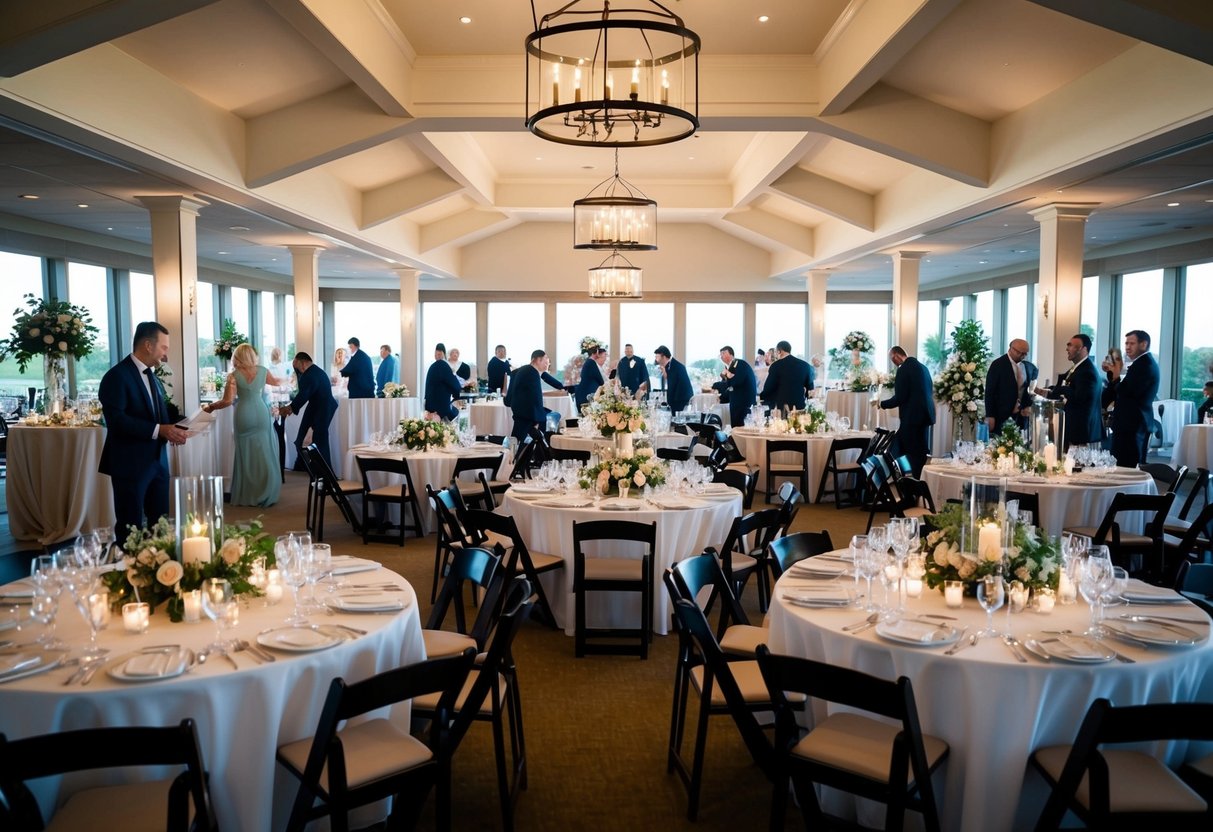
Planning your wedding involves arranging several key vendors. These include your venue, caterer, photographer, florist, and entertainment. Each plays a crucial role in making your day special.
Consider hiring a wedding planner. They help with the big picture and guide you through the planning process. This can ease your stress and save you time.
A wedding coordinator is different. They usually step in closer to the wedding day. Their job is to manage all the details on the day itself, making sure everything runs smoothly.
Here’s a quick list of vendors you might need:
- Caterer: Provides food and drinks.
- Photographer: Captures all the important moments.
- Florist: Designs your bouquets, decorations, and centerpieces.
- DJ/Band: Keeps the party going with great music.
It’s smart to book these vendors well in advance. This ensures you get your first choices. Many recommend starting this process about 12-18 months before your wedding day.
Communicating with your vendors is also key. Make sure to share your vision and any important details. This helps them understand your needs and deliver the services you expect.