
How Long Is Ordination Training? A Quick Guide to Understanding the Time Commitment
If you feel called to serve in ministry, you might wonder how long the ordination training process takes. The journey to becoming ordained can vary based on your denomination and personal path.
Generally, ordination training can take anywhere from a couple of years to several years, depending on the specific requirements and your commitment level.

Throughout this process, you will engage in discernment, spiritual growth, and hands-on experience. Each step, from attending classes to participating in internships, helps deepen your understanding of your faith and prepares you for a fulfilling ministry. Understanding how long the training may take can help you plan your journey and stay motivated as you pursue this sacred calling.
Understanding Ordination and the Path to Ministry
Ordination is an important step in your journey to becoming a minister. This process varies across different denominations and includes essential roles and educational paths. Understanding these aspects can help you navigate your journey effectively.
The Role of an Ordained Minister
As an ordained minister, your duties go beyond leading services. You become a spiritual guide, a counselor, and a community leader. Your role includes performing sacraments, such as baptisms and marriages, and providing support during life’s challenges.
Ministers also foster a sense of belonging within their parish. They often engage in community outreach and help members grow in faith. This role is vital to building a strong, supportive congregation.
Variations Across Denominations
Different denominations have unique requirements for ordination. Some may emphasize formal theological education, while others might value experience or apprenticeships more. For instance, a vicar in the Anglican tradition may have different expectations compared to a deacon in a Baptist church.
You’ll find that some religious groups offer quicker paths to ordination. Others may require years of study and practical experience. Each tradition shapes its ministers based on specific needs in their community.
The Importance of Theological Education
Theological education is often a key part of your preparation for ministry. Many denominations require you to attend a theological education institution. This education helps you understand scripture, ethics, and church history.
Courses can vary, covering topics like pastoral care, homiletics, and church administration. Your training may also involve internships, giving you hands-on experience in a parish setting. This combination of learning and practice shapes you into an effective leader in your faith community.
The Ordination Process: Steps to Becoming Ordained
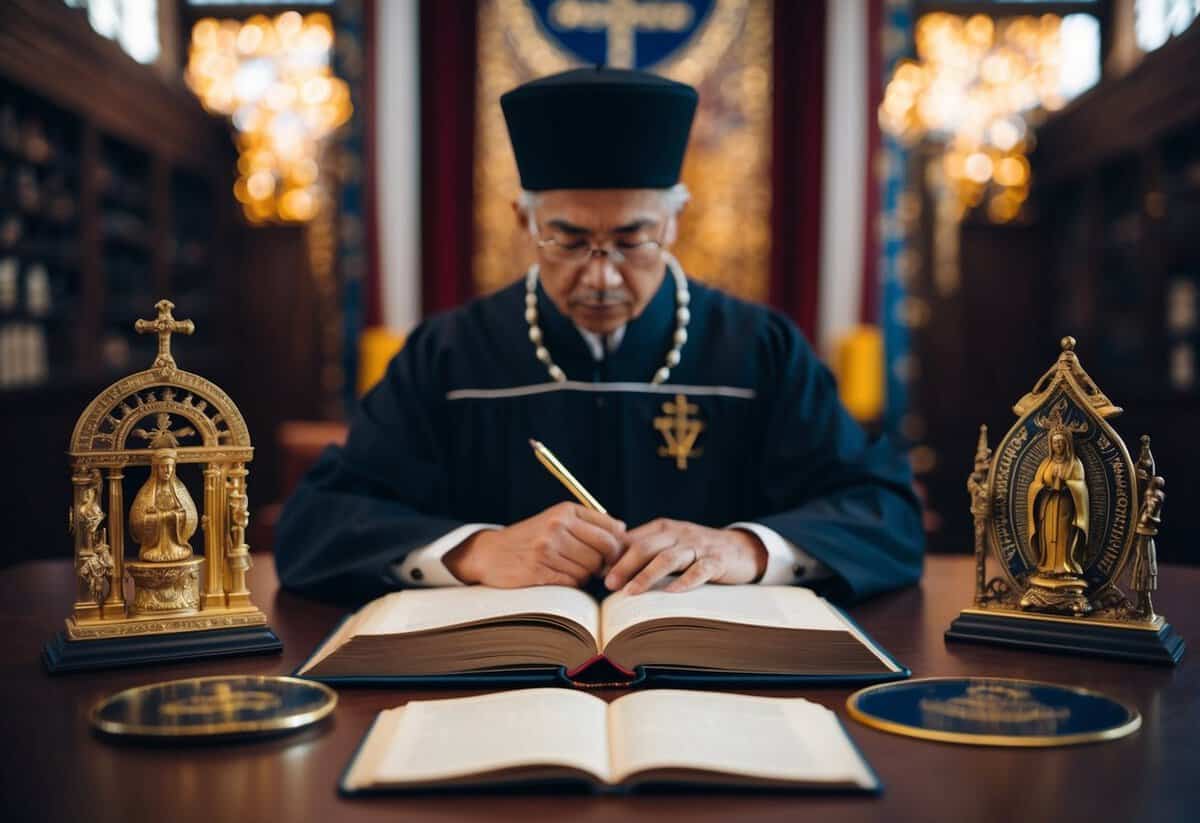
Becoming ordained involves several important steps that guide you through a meaningful journey. Each part of the process is designed to help you understand your calling and prepare for ministry.
Exploring Your Calling
The first step in ordination is exploring your calling. This is a personal journey where you reflect on your desire to serve in ministry. Take time to pray and think about your motivations.
Speak with your pastor or spiritual leader about your feelings. They can provide guidance and encouragement. This phase often includes discussions about your strengths and how they align with church needs.
Consider participating in community service or church activities. This will give you insight into the type of minister you want to be. This reflection is crucial as you make decisions about your future.
Discernment and Selection
Next, you enter the discernment process. This involves assessing your readiness for ordination and identifying which path suits you best. You may also work with a diocesan director of ordinands who can guide you in this journey.
During this phase, you will fill out an ordination application. This document provides information about your background and experience. Be honest and thorough, as it impacts your selection.
Participate in interviews and discussions with church leaders. These conversations help confirm your calling and commitment. Both you and the church will work together to decide on the best fit for your future in ministry.
Ordination Training Pathways
Once you’ve completed the discernment process, you can choose your ordination training pathway. There are typically residential and non-residential options.
Residential pathways involve attending a seminary or theological school. These programs usually require full-time study, allowing you to focus intensively on your training. You’ll engage in classes, internships, and community service.
Non-residential pathways often offer more flexibility. You might study part-time while working or volunteering. This option is great for those who want practical experience alongside their studies.
Whichever path you choose, stay committed and keep communicating with your church leaders. Their support will be vital to your successful ordination journey.
Different Training Venues and Their Offerings

When considering ordination training, you will find various venues with unique offerings. Each option provides different experiences and focuses for aspiring ministers and chaplains.
Residential Theological Colleges
Residential theological colleges like Cranmer Hall, Ridley Hall, and Trinity College offer immersive programs. These institutions typically require you to live on campus, allowing you to engage fully with your studies and community.
Training often includes a mix of academic courses and practical experience. You may study subjects like Anglican studies and pastoral care. Many colleges provide support for research degrees, ensuring you get a well-rounded education.
This setting helps you build relationships with fellow students and faculty. Residential options can be an excellent choice if you prefer structured environments and in-person interactions.
Non-Residential Course Options
Non-residential courses, such as those offered by the Eastern Region Ministry Course and South West Ministry Training Course, allow you to study while continuing to work. This flexibility suits those needing to balance job responsibilities with their training.
These programs often utilize evening, weekend, or online classes. It gives you the chance to apply your learning in real-time within your ministry context. Many courses partner with local churches, enabling practical experience alongside your studies.
You can access various topics, including theology training and clinical pastoral education. This option works well for those wanting a tailored approach to their ordination preparation.
Specialized Training for Chaplaincy
If you aim for chaplaincy, specialized training programs play a significant role. Institutions like St. Stephen’s House and Wycliffe Hall focus on clinical pastoral education, crucial for developing skills needed in hospital or military settings.
These programs often include workshops and real-world placements. You’ll learn about providing emotional and spiritual support to individuals in various circumstances.
Many institutions partner with health services or military organizations. This connection allows for hands-on experience in chaplaincy roles. Specialized training ensures you are prepared to meet the needs of those you will serve.
Life After Ordination
After you complete your ordination, your journey doesn’t end; it continues to evolve in meaningful ways. You will engage with your community, keep learning, and mark important life events for others. Here’s what life looks like after you become ordained.
The Continuation of Education and Formation
Even after being ordained, education remains important. Many pursue ongoing studies, like those offered at St. Augustine’s College of Theology. This helps deepen your knowledge and skills.
You might take extra courses or attend workshops to stay updated on theological topics. Maintaining habits of prayer and reflection also strengthens your spiritual growth.
Your learning can come from immersive community experiences as well. By interacting with fellow ministers, you can learn different approaches to ministry.
Serving the Community
As an ordained minister, serving your community is a big part of your role. You may work in a parish or diocese, where you offer guidance and support to those in need.
Conducting ceremonies, such as weddings and baptisms, is significant. These events mark important moments in people’s lives. Being a wedding officiant, for instance, allows you to participate in joyous celebrations.
Being available for counseling and community outreach can make a real difference. You help people navigate life’s challenges, creating stronger, bonded communities.
Ordained Ministry and Life Milestones
As an ordained minister, you also mark significant life milestones for others. This can range from conducting memorial services to leading confirmation ceremonies.
You may also need to write a letter of good standing when you participate in interdenominational events. This letter shows that you are a recognized member of your faith tradition.
Each of these moments allows you to celebrate joys and support others in their times of grief. This deep commitment strengthens your connection to the community and your faith.