
How Long of an Aisle Runner Do I Need? Tips for Choosing the Perfect Length for Your Wedding
Choosing the right length for your wedding aisle runner is important for creating the perfect atmosphere for your ceremony.
Aisle runners typically need to be around 75 to 100 feet long to reach from the entrance to the altar comfortably. This length ensures that you and your wedding party can make a grand entrance, adding beauty and elegance to the moment.
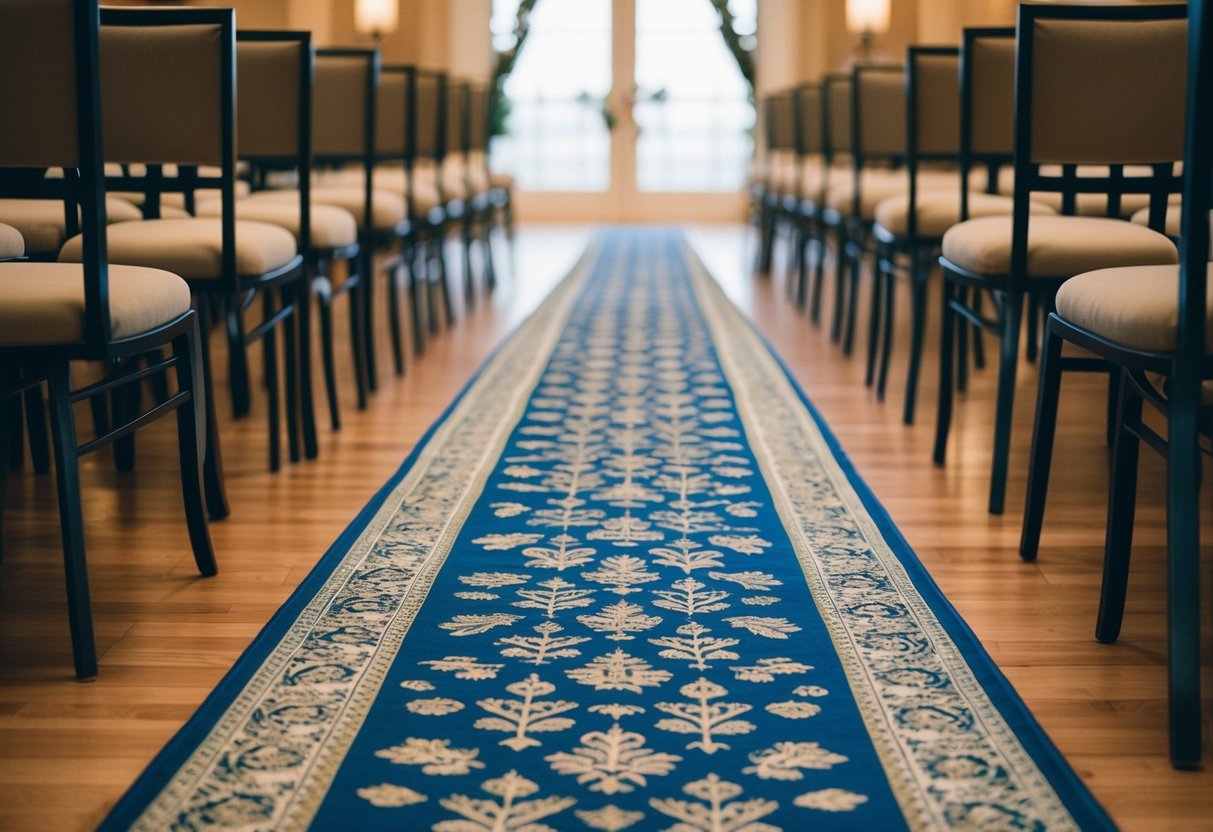
When deciding on the size, consider the layout of your venue. If there are any risers or additional features, you may want to add 5 to 10 feet to the total length.
It’s all about making sure your aisle runner enhances your wedding ceremony while providing a lovely path for you and your loved ones to walk down.
With the right length in mind, you can focus on other details like the color and texture of your runner. This will help you create a stunning backdrop for your vows and those unforgettable photos.
Determining the Right Length
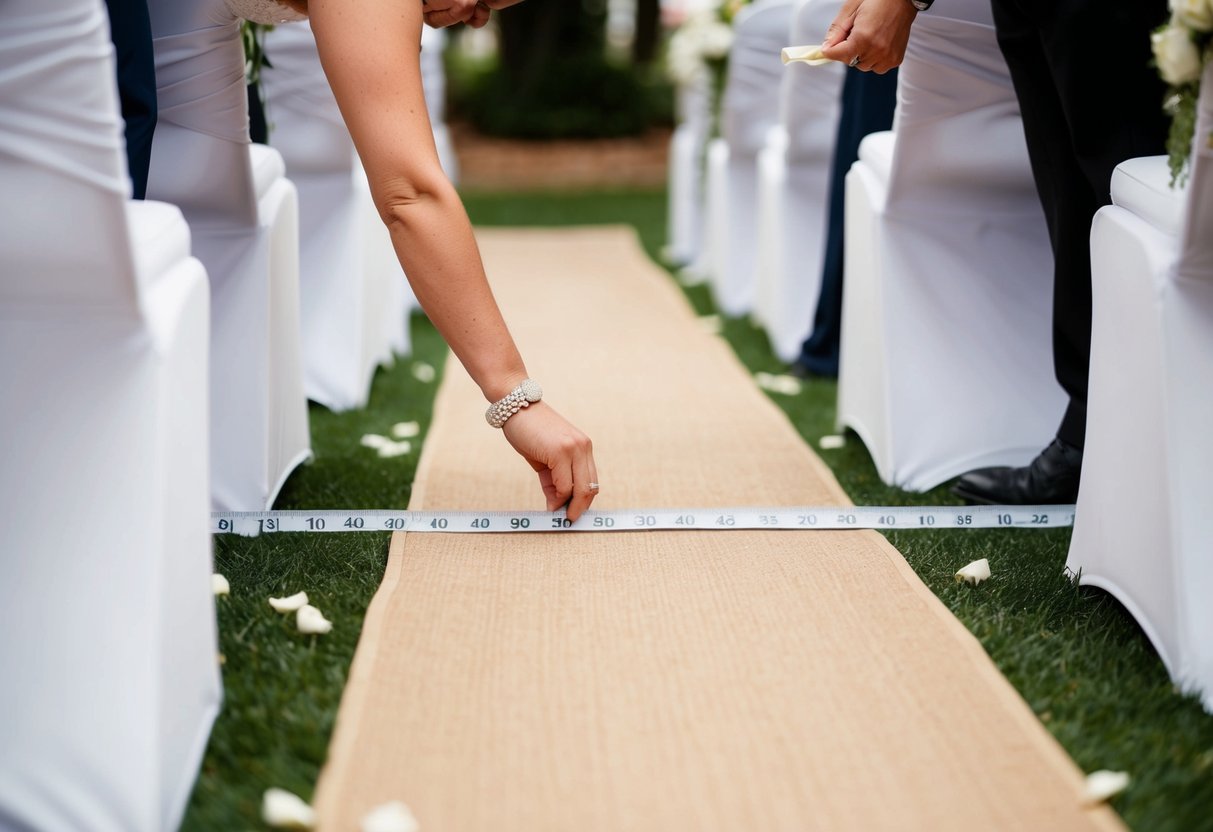
Choosing the right length for your aisle runner is important for creating a beautiful wedding atmosphere. You’ll need to consider the venue, the layout of your ceremony, and the type of processional you’ll have. Each of these factors plays a role in ensuring that your runner fits perfectly.
Venue Specifications
The venue is a major factor in deciding the length of your aisle runner. Indoor venues like traditional churches often have set dimensions to consider. Often, runners can start from the entrance and extend all the way to the front altar.
In outdoor weddings, the length may vary based on the natural layout. If your seating arrangements are spread out over a large area, you might need a longer runner to define the pathway. Measure from where guests will be seated to the altar to get an accurate length.
Ceremony Layout
The layout of your ceremony can greatly influence the size of your aisle runner. A straight aisle usually follows a simple measurement from start to finish. If you have a more complex layout, such as a circular or curved pathway, you might want a longer runner to accommodate the extra distance.
Additionally, consider the aisle width. A standard width can vary from 4 to 5 feet. If you want a more spacious feel, aim for 6 to 8 feet. This can also affect how your runner looks visually, so make sure to measure carefully against your seating arrangements.
Type of Processional
The type of processional you choose can impact how long your aisle runner should be. If you have a traditional wedding processional, where the bride walks alone or with a parent, a standard length will suffice.
However, if you include additional members, such as bridesmaids or groomsmen walking down the aisle together, you might need more length. This allows for everyone to fit comfortably on the runner. Also, if you plan for any risers or platforms, you’ll need to add extra feet to support those elements as well.
Choosing Aisle Runner Material
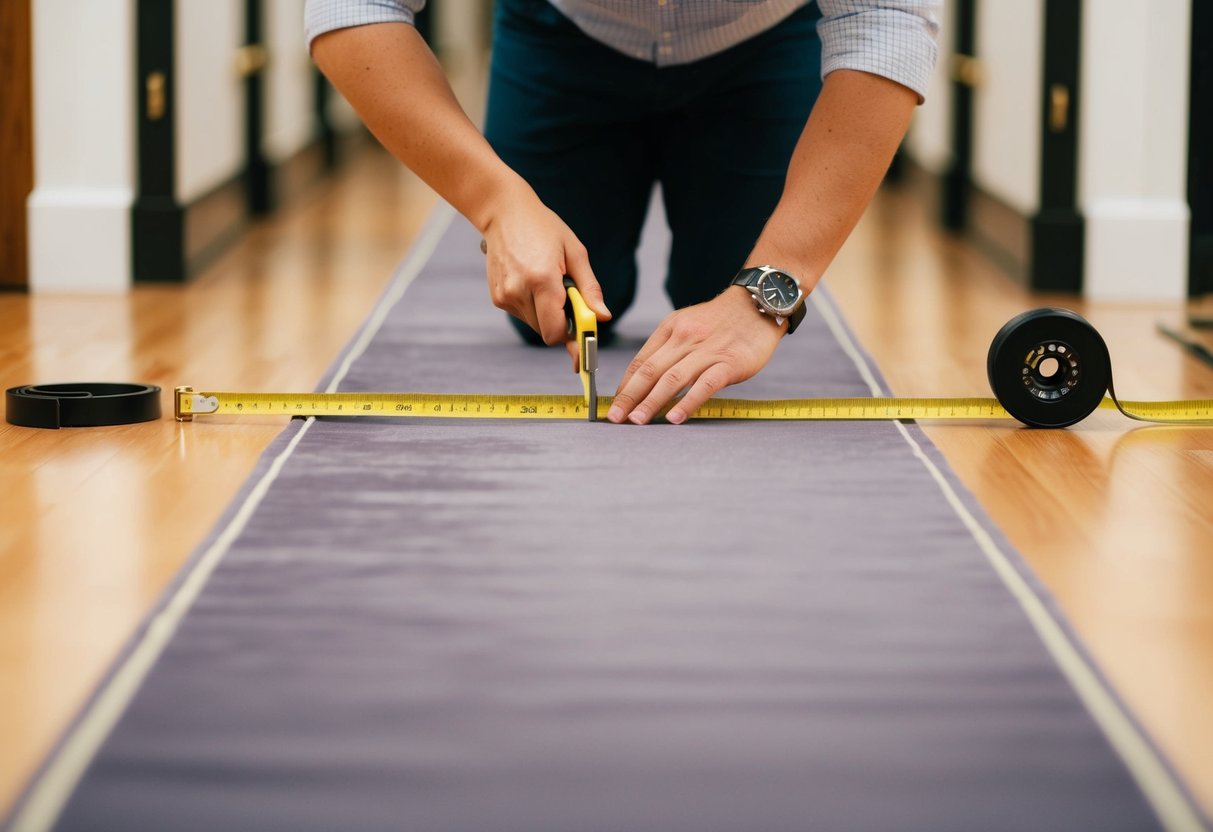
Picking the right material for your aisle runner can make a big difference at your wedding. It influences not only the look but also how well it holds up during your ceremony.
Indoor vs Outdoor Runners
When you’re deciding between indoor and outdoor aisle runners, the material is key. For indoor weddings, you might choose a softer fabric, like satin or velvet. These materials add a touch of elegance and feel great underfoot.
For outdoor venues, look for more robust options that can withstand the elements. Canvas or polyester runners are excellent choices as they are durable and resist wear from grass or gravel.
Keep in mind that outdoor runners may need extra weighting or securing, which can also influence your material choice. You want your aisle runner to complement your wedding dress while staying secure throughout your special moment.
Customization Options
Personalizing your aisle runner can make your wedding even more special. Many companies offer custom aisle runners that can feature your names, wedding date, or personal designs. This adds a unique touch that reflects your personality.
When choosing a design, consider colors and patterns that match your wedding theme. You can opt for monograms or romantic motifs that tie in with your decor.
Don’t forget about the finish as well. A polished look can make for stunning photographs. Think about how your chosen material will look as a wedding keepsake after the big day. It’s a beautiful way to remember this significant moment in your life.
Decor and Setup Considerations
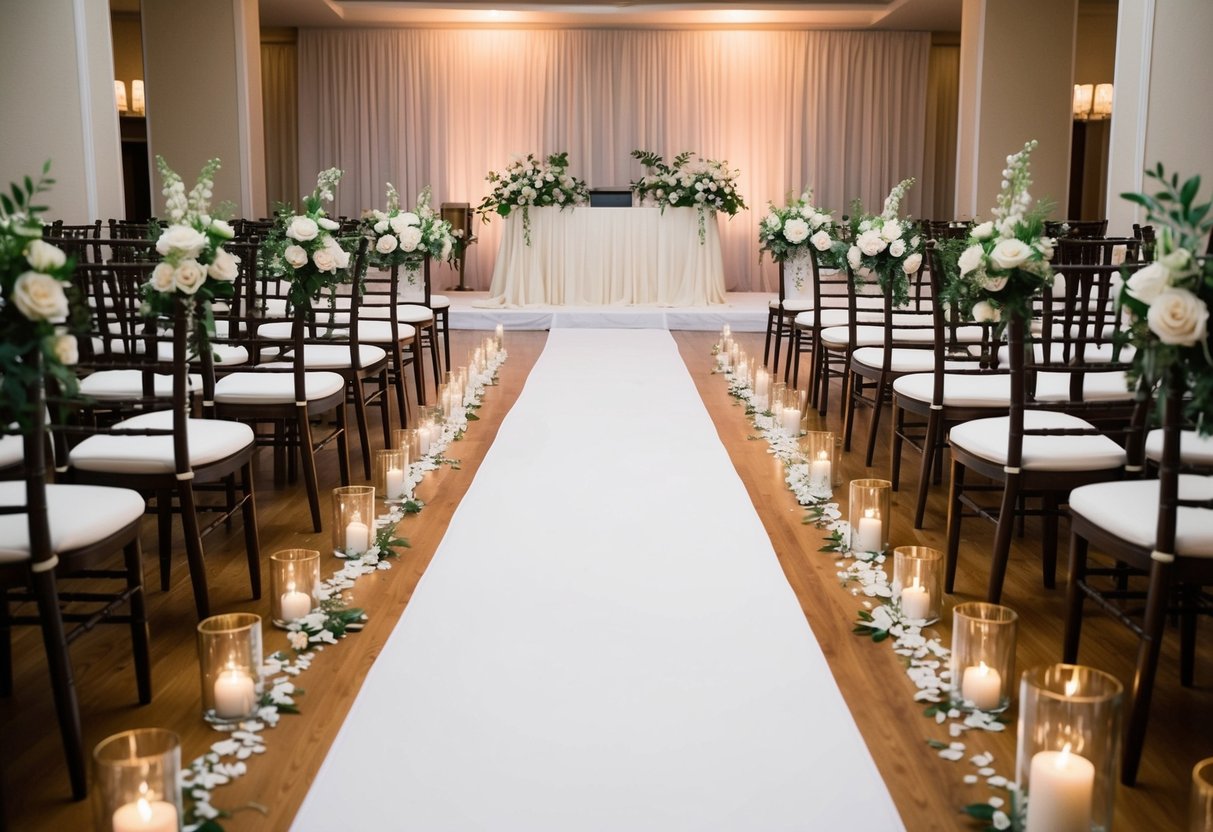
When planning your wedding, the aisle runner plays a key role in your ceremony decor. It sets the stage for the big moment and enhances the visual appeal of the aisle. Consider how it will coordinate with other decorations and the setup on your special day.
Coordinating with Wedding Decor
Aligning your aisle runner with the overall wedding theme is essential. Choose colors and designs that complement your bridal party outfits and floral arrangements.
- Colors: Select a runner that matches or contrasts beautifully with your decor.
- Textures: Consider fabrics like satin, burlap, or lace, depending on your wedding vibe.
- Aisle Decor: Use flowers, lanterns, or candles along the sides of the runner to create a stunning visual effect.
Having ushers in charge of ensuring the runner is laid out perfectly can enhance the ceremony’s look and feel. A well-coordinated runner ties everything together, making your wedding scene more cohesive.
Day-of Event Preparations
On the day of your wedding, you need a solid setup plan. Prepare a checklist to ensure everything runs smoothly.
- Runner Setup: Ensure your aisle runner is positioned correctly before guests arrive.
- Durability: Check that the material can withstand foot traffic and weather if outdoors.
- Final Touches: Allow for adjustments to the runner due to wind or guests moving around.
Involving your ushers in this process ensures the runner looks great while you make your grand entrance. Consider rehearsing the setup as part of your day-of preparations so everything is clear and stress-free.