
How Long Should a Band Play at a Wedding? Essential Tips for Your Big Day
When planning your wedding, one important detail to consider is how long the band should play. Most wedding bands typically perform for about two hours, divided into sets that can vary in length.
Choosing the right duration and timing can help create the perfect atmosphere for you and your guests.
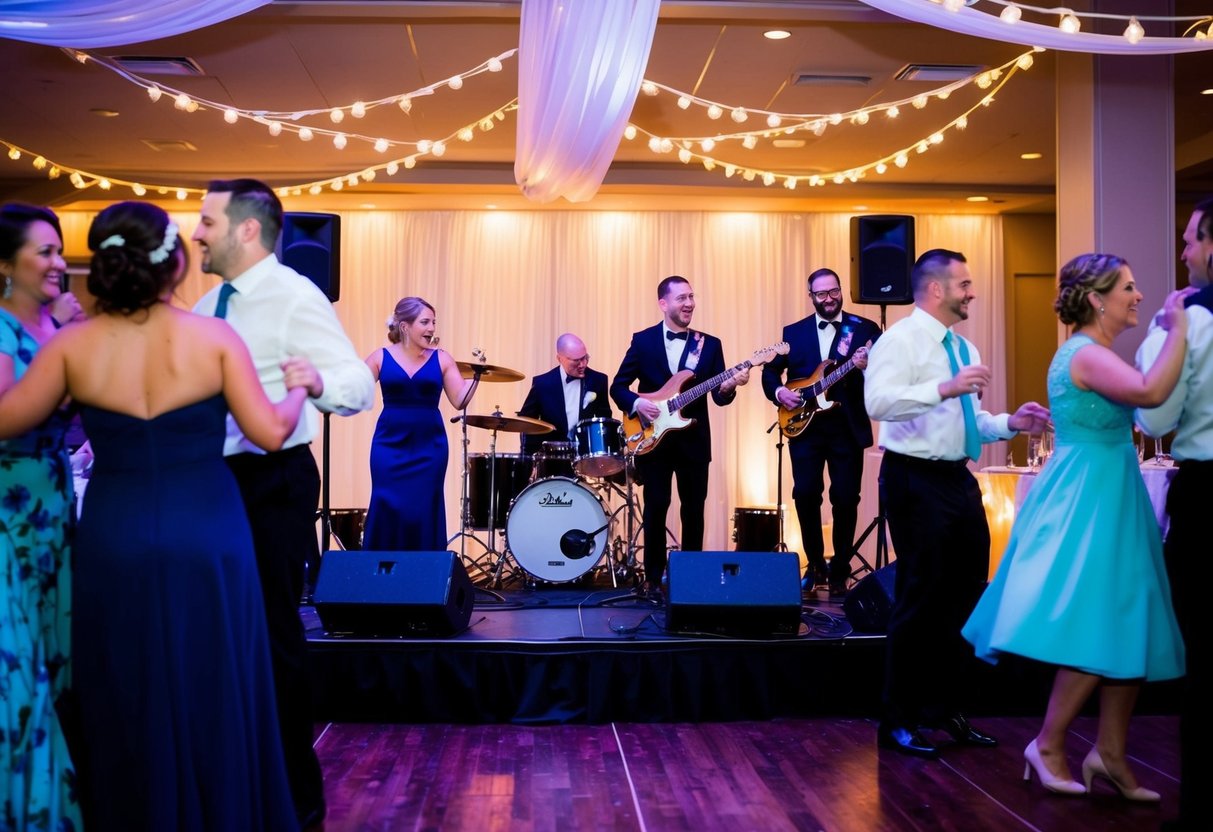
You might wonder what the best format is for the music. Common options include two sets of 60 minutes or three sets of 40 minutes. This ensures that the band keeps the energy flowing while also giving everyone a chance to mingle and enjoy the celebration.
Understanding the typical performance length can help you make informed choices to ensure your wedding is memorable. With the right music playing, your big day can be filled with fun and dancing!
Determining the Duration of Live Music at Your Wedding
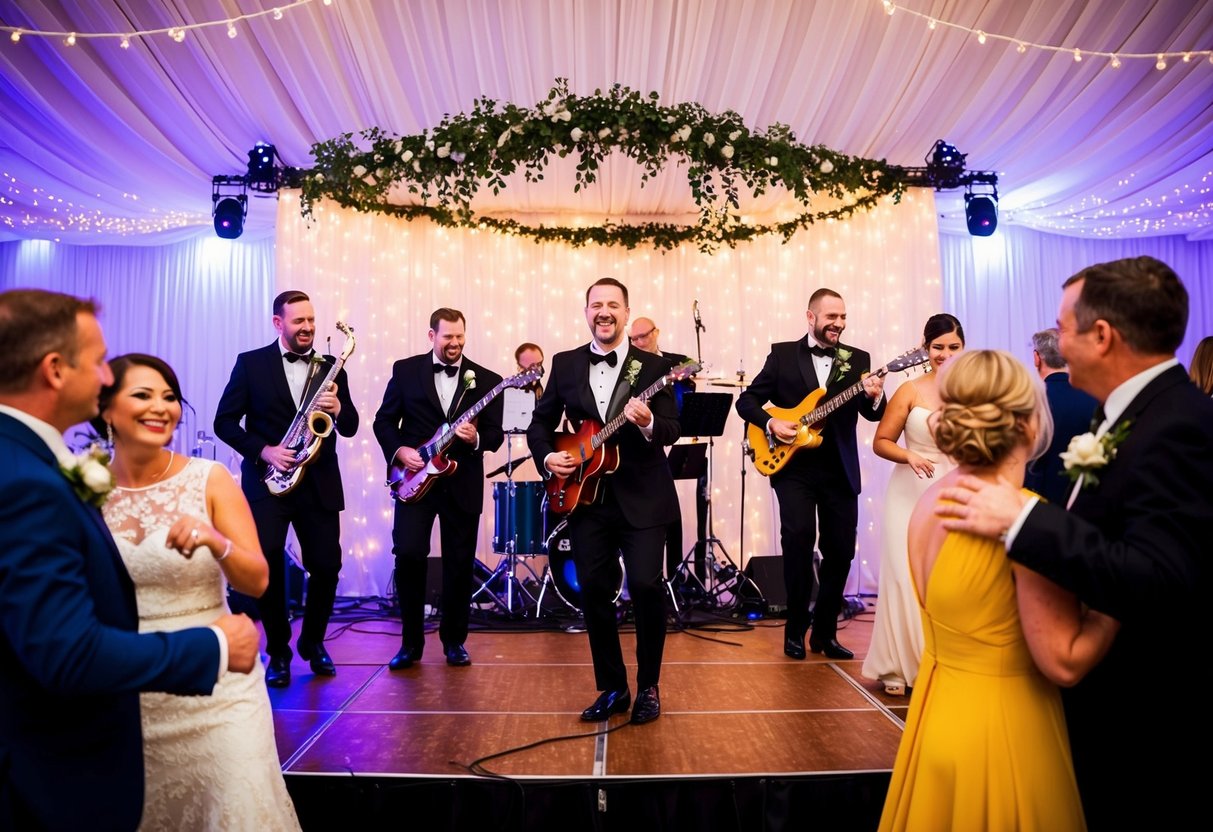
Choosing the right amount of time for live music can enhance your wedding experience. It’s important to consider your schedule and how music fits into the different parts of the day.
Understanding the Structure of the Wedding Day
Your wedding day typically includes a ceremony, wedding breakfast, cocktail hour, and evening reception. Each part offers a chance for music to elevate the atmosphere.
During the ceremony, you might want soft music as guests arrive, followed by live music for your processional and recessional.
After this, during the wedding breakfast, a quieter background music set is ideal. This creates a pleasant ambiance without overpowering conversations.
The cocktail hour is a great time for the band to play lively music as guests mingle. For the evening reception, consider having the band perform for around two hours, split into sets. You may choose two 60-minute sets or three 40-minute sets, depending on your preference and timeline.
Managing Expectations for the Wedding Band Performance
When planning the performance, communicate clearly with your band about your schedule. Let them know when you expect them to play and any special moments, like the first dance.
Also, factor in breaks. Most bands take short breaks to rest. For example, if they play two 60-minute sets, plan for 15-minute breaks in between. This keeps the mood lively without interruption.
Consider your guests’ energy levels too. If you have an older crowd, a shorter performance might work better. For a younger audience ready to dance, longer sets can keep the party going.
Being clear about your desires and your schedule helps the band tailor their performance to match your wedding vision.
Essentials of a Successful Wedding Band Experience
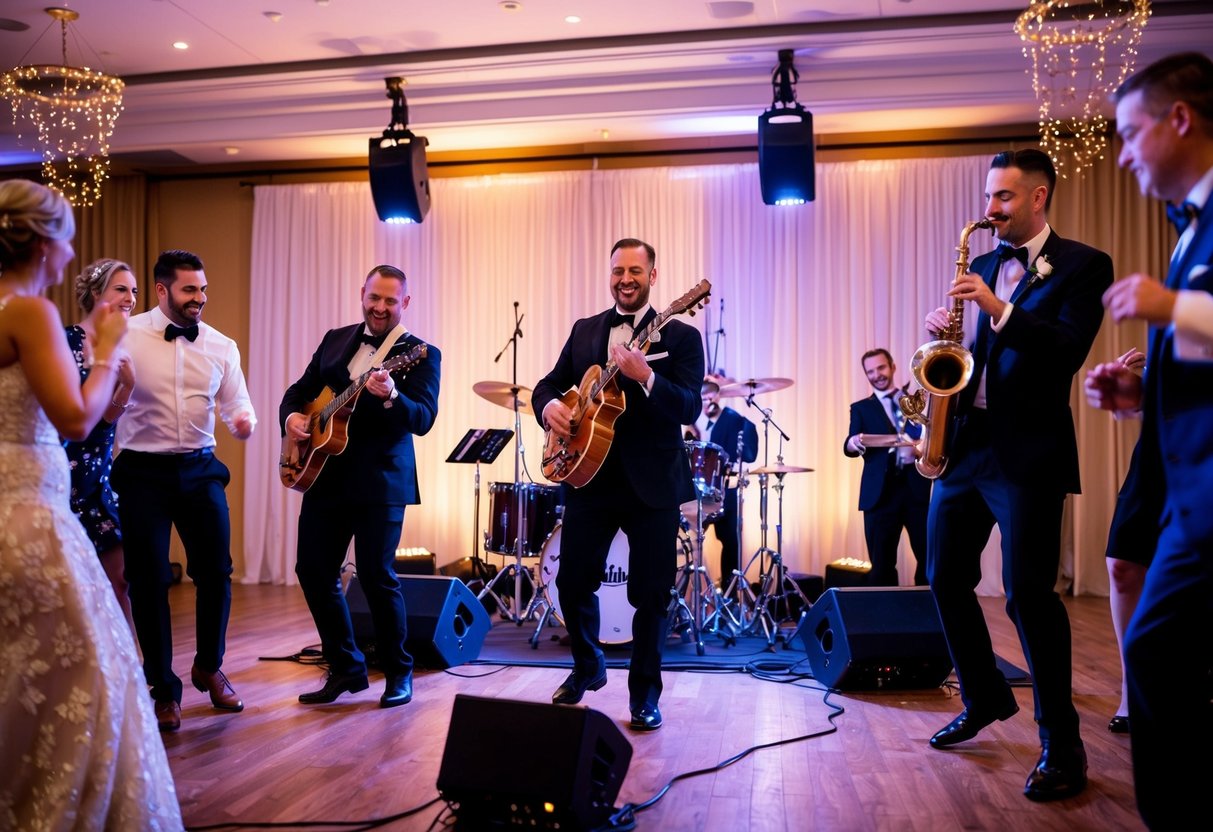
Having a great wedding band can make your special day unforgettable. Key elements, such as sound checks, setlists, and attention to noise restrictions, can strongly influence how your event unfolds. Let’s dive into what’s essential for a great experience with your wedding band.
The Significance of Sound Check
Before the music begins, a thorough sound check is vital. This is when the band sets up their equipment and tests the sound in the venue. It’s the perfect time for you to communicate any preferences, especially for your first dance.
Make sure the band arrives early to conduct their sound check. This ensures everything sounds just right and allows the band to adjust levels for a balanced performance.
A proper sound check helps remove any surprises later. You want your guests to enjoy the music without any disruptions.
Curating the Perfect Setlist
The right setlist can set the mood for your entire celebration. Your band should work with you to include a mix of classic songs, current hits, and personal favorites.
Consider how many songs the band can play in an hour to help structure the evening. Typically, expect around 15-20 songs per hour, which means you can curate highlights without overwhelming guests.
Don’t forget to discuss key moments like the first dance or any special requests. Sharing your “do not play” list is just as important.
A well-planned setlist keeps the energy up and ensures everyone enjoys the music throughout your reception.
Handling Noise Restrictions and Venue Policies
Every venue has its own noise restrictions and policies that can impact your band’s performance time. It’s essential to discuss these rules with your venue well in advance. This will help you determine how loud the band can play and when they need to finish their set.
Consider how late you want the music to continue. Some venues may require bands to wrap up early, limiting the overall experience.
Communicate these details to your band. They should have experience working within noise restrictions and can adjust their sets accordingly. Being mindful of your venue’s policies can make your wedding seamless and enjoyable for everyone.
Maximizing Wedding Entertainment
To create a memorable wedding reception, it’s essential to find the right mix of live music and DJ services. This balance not only keeps your guests entertained but also encourages them to hit the dance floor.
Balancing Live Band Performances and DJ Service
A live band can bring an exciting energy to your wedding. You might choose a wedding party band for the first few hours to perform special songs that mean a lot to you. They can play engaging sets filled with your favorite live music.
Afterward, consider adding a DJ service to keep the momentum going. A DJ can mix in a variety of wedding music and maintain a party vibe.
This combination lets you enjoy both the charm of live performances and the vast song selection from a DJ.
Creating an Unforgettable Atmosphere for Dancing
Your guests will create cherished memories on the dance floor. Set the mood with thoughtful song choices. Start with your first dance song to kick off a romantic atmosphere.
Then, switch to upbeat tracks that get everyone moving. Mixing genres can cater to diverse tastes among your wedding guests.
You can also enhance the dancing experience with lighting effects. Colored LED lights or disco balls can make a great addition.
Ensuring the dance floor is spacious and inviting will encourage more guests to join in. This will make it a fun celebration for all.