
How Long Should a Non-Religious Wedding Ceremony Be? Tips for Timing Your Special Day
When planning your non-religious wedding, one important question is, how long should your ceremony be? While there isn’t a strict rule, most non-religious weddings last between 15 to 30 minutes. This range allows enough time for meaningful moments like exchanging vows and rings without dragging on too long for your guests.
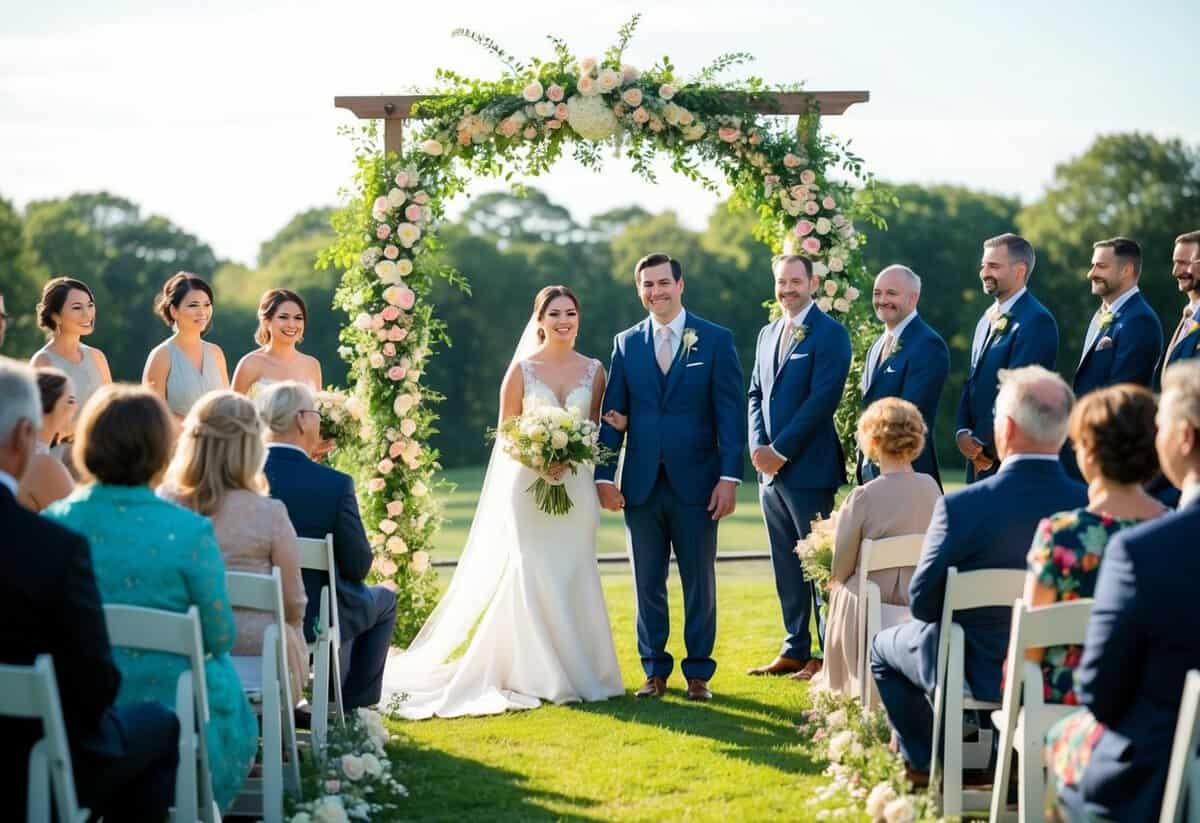
Consider the different elements you want to include. You might want a brief introduction, personal readings, or even a special song. Fitting these into a 20 to 30-minute ceremony often keeps it engaging and heartfelt, striking the right balance for you and your loved ones.
Ultimately, the length of your non-religious wedding ceremony should reflect your unique style and personality. The best part is that you have the freedom to make it as simple or elaborate as you wish, ensuring it feels just right for you.
Designing Your Ceremony Structure
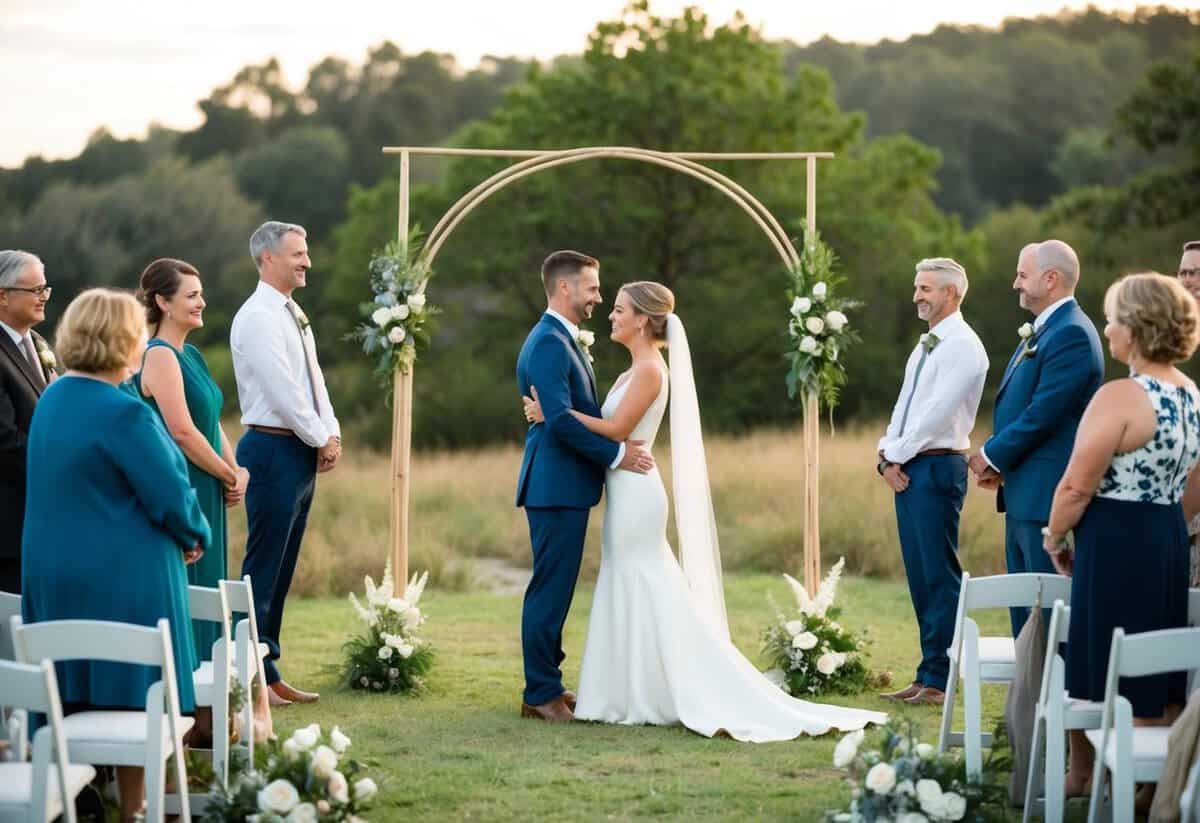
Creating a thoughtful structure for your non-religious wedding ceremony can help make the day memorable. It’s important to carefully select your officiant, draft a personalized script, and choose readings or rituals that resonate with you.
Choosing the Right Wedding Officiant
Your wedding officiant plays a key role in setting the tone for your ceremony. Look for someone who understands your vision, whether it’s a non-denominational wedding or a more personalized approach.
Consider interviewing a few officiants to find one that aligns with your values. Ask about their experience with non-religious ceremonies and discuss how they can incorporate personal vows and unique rituals.
A great officiant knows how to engage guests and create a warm atmosphere, ensuring your meaningful ceremony feels special for everyone involved.
Drafting a Personalized Wedding Script
A well-crafted wedding script is essential to reflect your love story and values. Start by discussing key elements you want to include, such as personal vows, the exchange of rings, and any unique rituals.
Be clear about the structure: introduction, readings, vows, and closing remarks. Use language that feels authentic to you and your partner. Sharing personal anecdotes or milestones can also make the ceremony more intimate.
Work closely with your officiant to ensure the script flows smoothly. This partnership allows for adjustments that keep the ceremony true to your vision while engaging your guests.
Incorporating Meaningful Readings and Rituals
Incorporating meaningful readings or rituals adds depth to your ceremony. Choose passages that resonate with your relationship. This could be a favorite poem, a quote from a cherished book, or even a personal letter.
Unity ceremonies like a sand ceremony or candle lighting can symbolize your commitment in a visual way. Discuss your ideas with your officiant to ensure they fit seamlessly into the structure of your ceremony.
When your guests witness these unique rituals, it can create a more engaging and memorable experience. Feel free to customize these elements to reflect your beliefs and relationship.
Executing the Ceremony
The execution of a non-religious wedding ceremony includes several key moments that create a memorable experience. You’ll need to consider the order of events, the unique elements that represent you as a couple, and how to keep everyone engaged.
The Procession and Welcome
The processional marks the beginning of your ceremony. Traditionally, it features the wedding party walking down the aisle. You can personalize this by choosing specific music that feels special to you.
Once everyone is in place, a welcome and introduction set the tone. Here, you might thank your guests for coming. This is a great opportunity to share a short story about your relationship or what this day means to you. It helps guests feel connected to the moment.
Exchange of Vows and Rings
Next, you will transition into the exchange of vows and rings. This part is often the emotional heart of the ceremony. You can write your own vows or use traditional lines that resonate with you both.
When it comes to the ring exchange, make sure to explain the significance of the rings. You might say something like, “These rings symbolize our love and commitment.” This moment is often punctuated by the first kiss, so be ready for that magical transition!
Unique Unity Ceremonies
Incorporating a unique unity ceremony can make your wedding stand out. Options include lighting a unity candle, a sand ceremony, or even handfasting.
Each of these rituals symbolizes the joining of your lives. For instance, in a sand ceremony, you both pour different colored sands into a single container. This visual representation of blending your lives together adds a special touch to your celebration.
The Recessional and Closing Remarks
As the ceremony comes to a close, the recessional signifies your first steps as a married couple. This is often a joyful moment, with your guests cheering and celebrating.
Before you leave, it’s important to include closing remarks. You might thank your guests for sharing this moment with you. Sharing your excitement for the future can also leave everyone feeling warm and included as they watch you embark on this journey together.
Legal Considerations
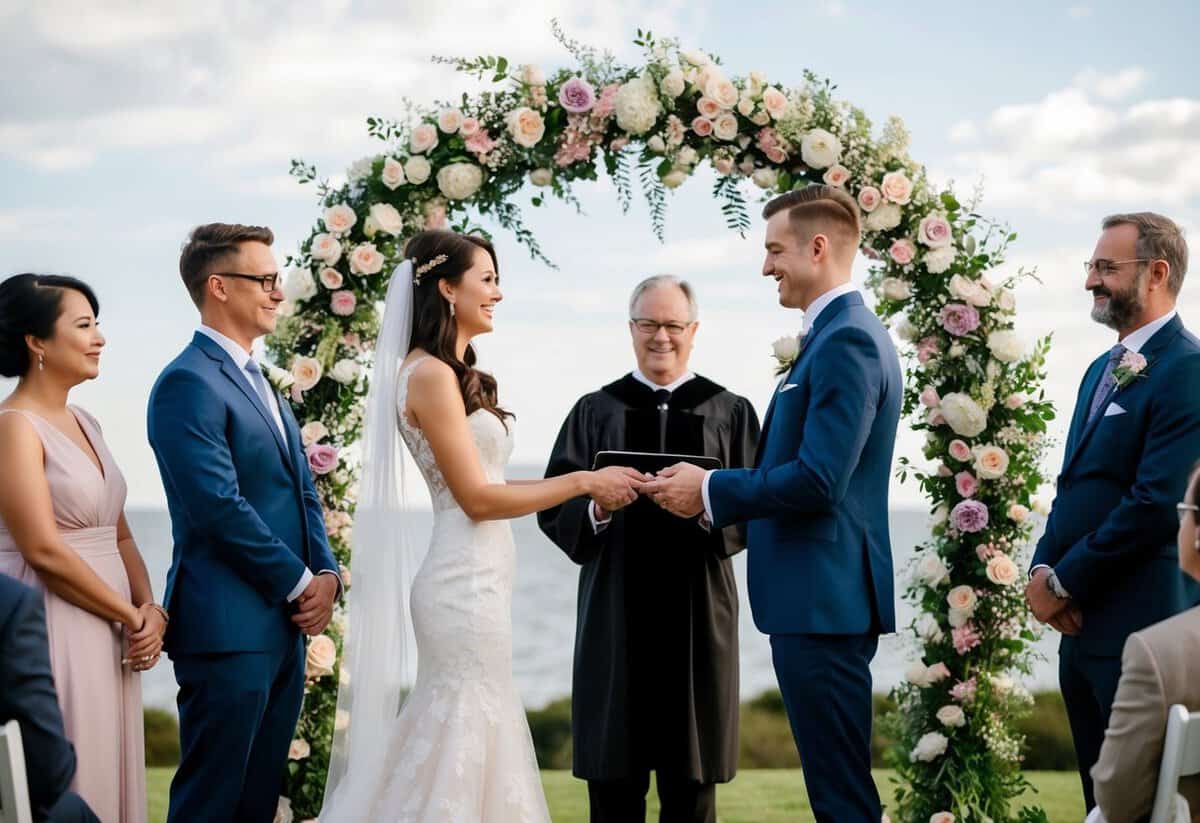
When planning a non-religious wedding ceremony, understanding legal requirements is key. Knowing about marriage licenses and your options for officiants will ensure your ceremony goes smoothly.
Understanding Marriage License Requirements
Before your ceremony, you need to obtain a marriage license. This is crucial for making your marriage legal. Requirements vary by state, so check specific regulations where you live.
Generally, both partners must be present to apply. You’ll need identification, and some states may require a waiting period after applying.
Costs for the license can differ too, often ranging from $50 to $100. Additionally, keep in mind that a wedding celebrant, whether secular or not, must sign the license after the ceremony to validate it. Make sure you discuss this in advance!
Final Thoughts on Duration
When planning your non-religious wedding ceremony, consider the ideal duration. Most ceremonies typically last between 20 to 30 minutes. This timeframe allows you to include all the important moments without losing your guests’ attention.
If you prefer a shorter ceremony, aim for about 15 minutes. This can work well if you focus on the key elements like your vows and ring exchange.
Creating a ceremony script is essential. It helps you organize your thoughts and ensures you cover all necessary points. A well-structured wedding ceremony outline will make your day smooth and enjoyable.
Here are some key components you might want to include in your script:
- Processional: The entrance of the couple and wedding party.
- Vows: Personal promises to each other.
- Ring Exchange: Symbolic act of commitment.
- Final Pronouncement: Declare you as a married couple.
Making decisions about the length of your ceremony will help create a meaningful experience. Focus on what feels right for you and your partner. Whether it’s a brief gathering or a longer celebration, ensure it reflects your love and commitment.