
How Long Should a Reception Last? Tips for Planning Your Perfect Celebration
Planning your wedding reception can be exciting, but it also comes with many questions. The ideal length for a wedding reception is typically between 4 to 5 hours. This allows guests to enjoy food, drinks, and dancing. This timeframe helps balance enjoyment without making the event feel too stretched or tiring for your guests.
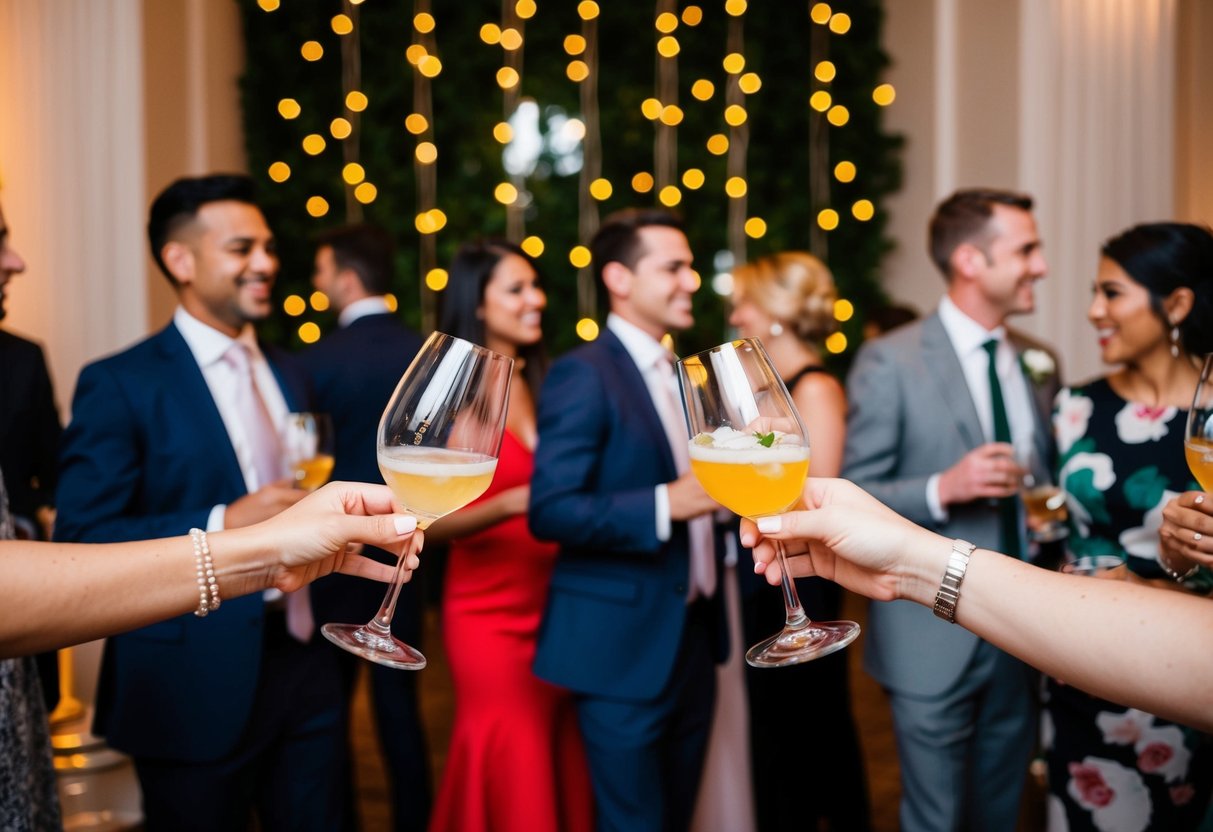
You want your special day to be memorable, and the reception is a big part of that. With a good plan, you can maximize fun and minimize stress. Keeping the reception within the suggested time also gives you a chance to plan extra activities, like a cocktail hour or an after-party, if you desire.
Finding the right reception length is about understanding your audience and your wedding style. Whether you aim for a lively celebration or a more intimate gathering, knowing how long your reception should last can help make the day run smoothly and create lasting memories for you and your guests.
Determining the Ideal Reception Duration
Choosing the right length for your wedding reception is essential for creating a joyful atmosphere. Factors like the reception timeline, cultural background, and venue restrictions can impact your decision.
Reception Timeline Basics
A standard wedding reception often runs about four to six hours. This includes time for dinner, dancing, and socializing. Many couples follow a common structure: 30-minute ceremony, hour for cocktails, and four hours for dinner and dancing. This is sometimes called the 30/5 rule, which divides your day into segments for each activity.
Another option is the 60-20-20 rule. This plan allocates 60% of the time to dinner and dancing, 20% to speeches or toasts, and 20% for cocktail hour or mingling.
Consider your guest list and activities. If you have a large guest count or unique performances, you may need more time. Balance your timeline to ensure a fun, relaxed evening for everyone.
Cultural Considerations
Cultural traditions can shape how long your reception lasts. For instance, Indian weddings might have incredibly lengthy receptions to accommodate various rituals and celebrations. This can create a festive environment with music and dance throughout the night.
Destination weddings often have shorter receptions due to travel constraints. Your guests may prefer a more compact timeline so they can enjoy other local attractions. Be mindful of cultural elements when deciding, as they can enhance the overall guest experience.
Venue Factors
Your wedding venue plays a significant role in determining reception duration. Many venues have set time limits. Some might require all festivities to end by a specific hour.
Communicate with your venue coordinator to understand these restrictions. They can help you create a smooth timeline that fits within those limits.
Also factor in logistics—like how long it takes to serve food. If your venue accommodates a large crowd, plan for delays. This ensures your guests enjoy every moment without feeling rushed.
Key Reception Events and Timing
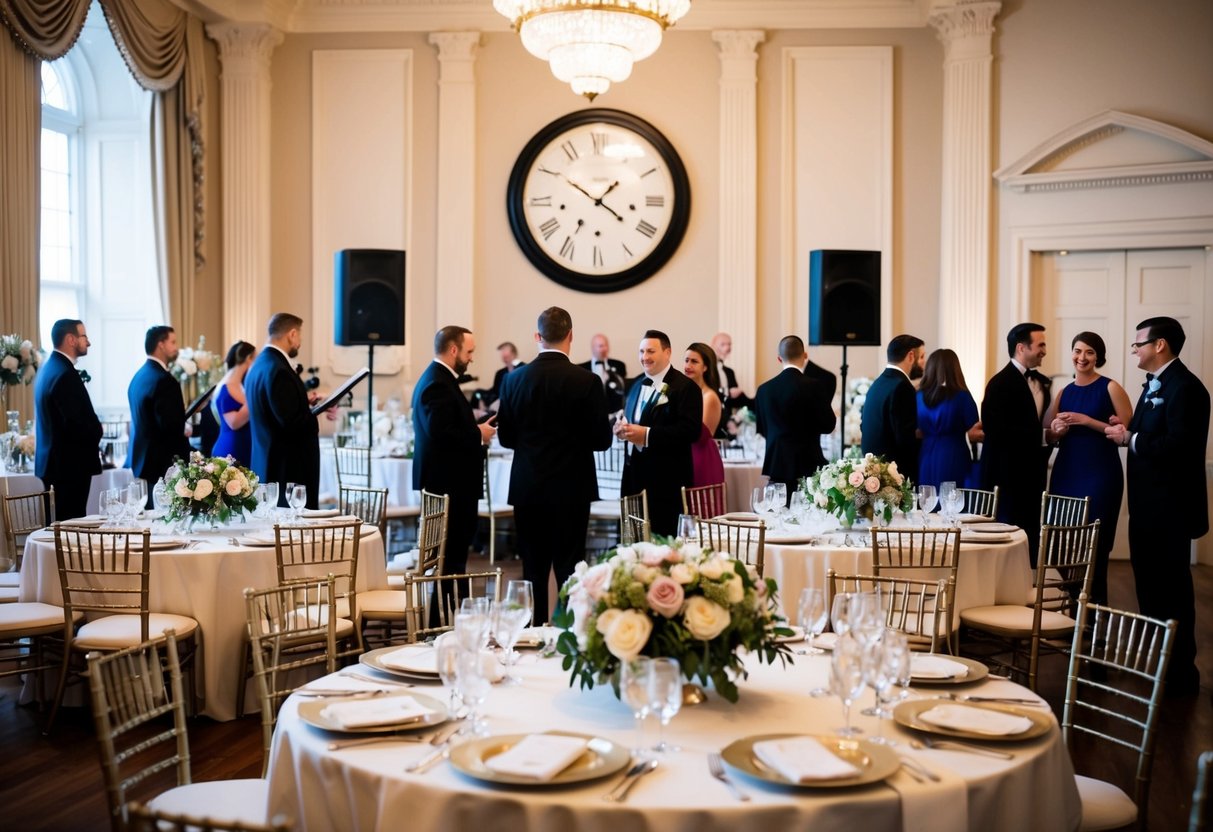
Planning your wedding reception involves timing key events to create a smooth flow. Understanding the sequence of activities will help you ensure that everything unfolds seamlessly, allowing you and your guests to enjoy the celebration fully.
Ceremony to Reception Transition
After your wedding ceremony, you’ll want to allow time for a smooth transition to the reception. This often includes a cocktail hour, typically lasting 60 to 90 minutes. During this time, guests mingle and enjoy drinks and appetizers.
Consider scheduling a photo session with your wedding party during this hour. This is a great way to capture beautiful moments while guests are entertained. Your first look, if you opt for it, can also take place during this transition to keep the excitement flowing.
Activities and Traditions
Once everyone has arrived at the reception space, the events really kick off. The grand entrance introduces you, your partner, and the wedding party.
Following this, your first dance sets the tone for the evening. This is usually moments after you are welcomed. After dancing, it’s time for toasts and speeches, often given by parents and close friends.
The next activities can include parent dances, like the father-daughter and mother-son dances. In addition, you may want to schedule fun traditional moments, such as the bouquet toss and garter toss.
Dinner and Entertainment
Dinner is a highlight of your reception. Decide if you want a buffet or a seated meal; plan for dining to last about 60-90 minutes. This is a great time for speeches and toasts to take place, while guests enjoy their meals.
After dinner, the dance floor opens. A DJ or live band can keep the energy high, with dance sets allowing everyone to join in. You may want to plan the cake cutting midway through the dance sets.
As your reception approaches its end, the last dance signifies a beautiful farewell. If you plan to make a grand exit, arrange for guests to gather and cheer as you leave.
Working with Wedding Professionals
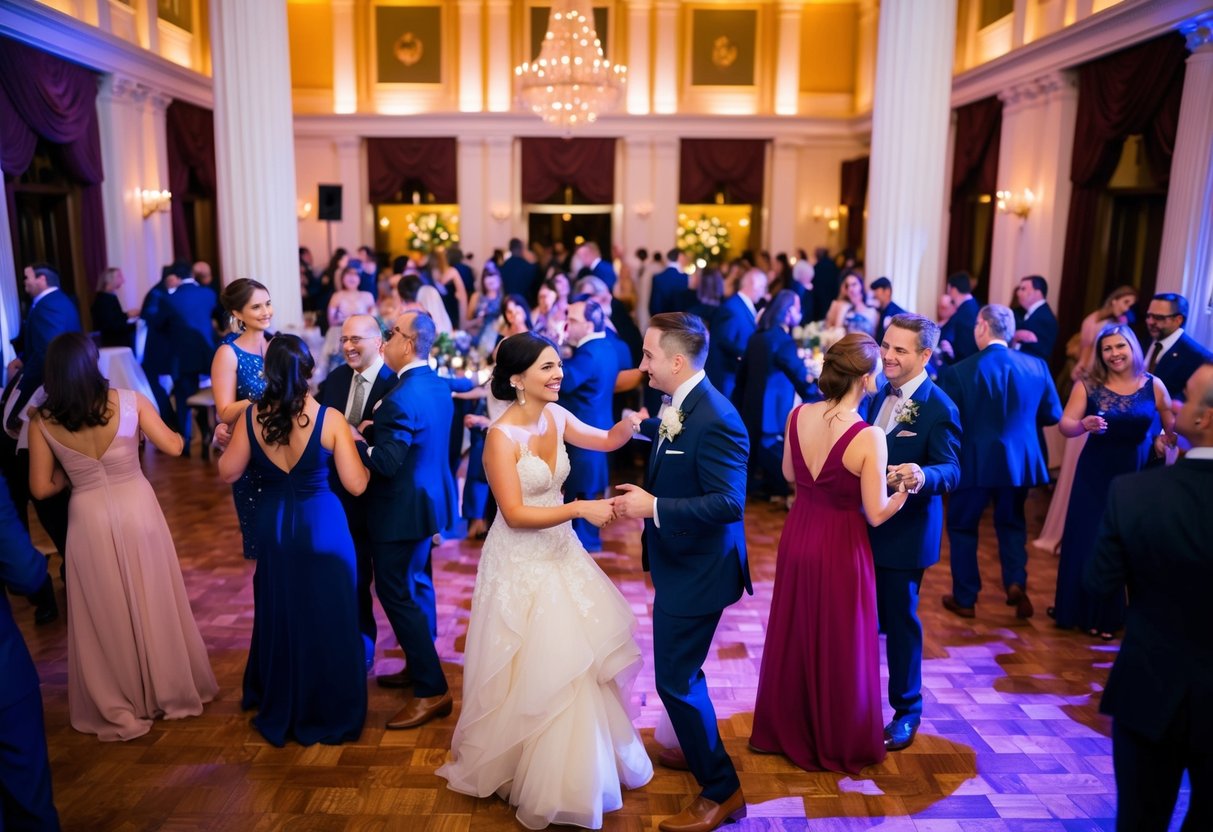
Planning your wedding reception can feel overwhelming. Working closely with wedding professionals can help ensure everything runs smoothly. Their expertise allows you to focus on enjoying your special day.
The Role of a Wedding Planner
A wedding planner is your best ally when it comes to organizing your reception. They handle all the details, from coordinating the venue to managing your wedding vendors. With their experience, they can help you craft a timeline that includes key moments like the wedding party toasts and the reception end.
When choosing a wedding planner, look for someone whose style matches your vision. They can recommend top-notch vendors, whether you need a DJ or a live band. By hiring a planner, you remove stress and can better enjoy your celebration.
Selecting Your Vendors
Choosing the right vendors is crucial to a successful wedding reception. Start by creating a list of all the services you need. This includes catering, music, and decorations.
Research potential vendors and read reviews to find the best fits for your needs. When you meet with vendors, ask them specific questions about their experience with wedding receptions. Also, discuss how they handle timing for events like speeches and dances.
Remember to review contracts carefully to avoid any surprises. Selecting vendors who communicate well with your planner will keep everything on track. A smooth flow is important to keep guests entertained and ensure your reception is a memorable experience.