
How Long Should a Wedding Breakfast Last? Tips for Timing Your Celebration
When planning your wedding day, one important aspect to consider is how long the wedding breakfast should last. This meal is often the first big celebration you share as a married couple and sets the tone for the festivities ahead. Typically, a wedding breakfast lasts between two to three hours, allowing you and your guests to enjoy delicious food and special moments together.
The length can vary depending on the number of guests and the style of dining you choose. It’s essential to keep your guests in mind and provide enough time for them to savor their meals, share toasts, and engage in conversation. A carefully planned wedding breakfast helps to create a warm and inviting atmosphere that everyone will remember.
Understanding the right timing for this meal can help smooth out the flow of your wedding day. By ensuring your wedding breakfast runs as planned, you can keep the celebration joyful and relaxed, making it a memorable experience for you and your loved ones.
Planning Your Wedding Breakfast
Planning your wedding breakfast involves understanding traditions, choosing catering options, and considering dietary requirements. Each of these aspects plays a crucial role in creating a memorable meal for you and your guests.
Wedding Breakfast Traditions
The term “wedding breakfast” can be confusing, as it doesn’t always take place in the morning. Traditionally, this meal is served after the ceremony, and it symbolizes the start of the celebrations.
Many couples follow customs like toasting the newlyweds or sharing speeches during this meal. This gathering often reflects your personalities and the overall theme of the wedding. You might want to consider formal sit-down meals or a more relaxed buffet.
Make sure to schedule enough time for this event. It typically lasts between two to three hours. Planning it right after the ceremony helps keep the momentum of the day going.
Catering Options
Choosing caterers for your wedding breakfast is a fun part of the planning. You can opt for traditional dishes or explore modern trends. You can include options like a formal plated meal, a buffet, or even food stations for a unique touch.
A popular choice is to offer a variety of courses, from appetizers to desserts. Many couples also incorporate local favorites or themed dishes that resonate with their love story.
Don’t forget to ask caterers about their experience with weddings. This ensures they understand your needs and can manage any special requests smoothly.
Dietary Considerations
When planning your wedding breakfast, it’s essential to consider dietary requirements. Your guests may have allergies or follow special diets, like vegan or gluten-free options. Including a variety of choices ensures everyone feels included.
You can create a simple list of dietary needs based on your guest list. Communicate these needs to your caterers. This way, they can prepare the right meals without any last-minute issues.
Having options like salads, vegetable dishes, and proteins can cater to various tastes. Remember, your wedding breakfast should be enjoyable for everyone, reflecting both consideration and creativity.
The Wedding Breakfast Schedule
Planning the schedule for your wedding breakfast is key to a smooth and enjoyable experience. This part of the day includes important moments like speeches and the cake cutting ceremony. Here’s how to organize these elements effectively.
Reception Kick-Off
Your wedding breakfast typically starts after the ceremony, signaling a shift to the celebration. Guests often gather in a designated area to enjoy drinks and light snacks before the main meal.
It’s a good time for casual mingling. As the meal time approaches, you can welcome everyone to the table.
A traditional wedding breakfast lasts about two to three hours. This usually includes a multi-course meal along with time for toasts and speeches. Timing is essential, so plan the start to keep your guests engaged.
Speeches and Toasts
The speeches usually occur after the main course but before dessert. This is when the best man, the father of the bride, and possibly other key people share their thoughts and stories. Traditionally, speeches last about 30 minutes total, ensuring that everyone stays entertained and attentive.
You might want to schedule three main speeches, each lasting about 5 to 10 minutes. This is a great moment for heartfelt words and humor. Make sure to prepare the speakers in advance so they’re ready to deliver their well-thought-out messages.
Cake Cutting Ceremony
Following the speeches, you will move on to the cake cutting ceremony. This is a fun and memorable part of the wedding breakfast where you cut the cake together as a couple. It usually happens about half an hour after the speeches.
Plan to have a designated area for the cake cutting, and remind your photographer to be ready to capture this moment. After cutting, you can serve the cake to your guests as dessert, making it an exciting transition to the final course. This ceremony is not just sentimental; it also brings everyone together to celebrate your new journey.
Types of Wedding Breakfasts
Choosing the right type of wedding breakfast sets the mood for your celebration. Each style offers a unique experience for you and your guests. Here are three popular options to consider.
Plated Meals
A plated meal is a classic choice for a wedding breakfast, offering a formal dining experience. Typically, this includes a three-course meal with an appetizer, main dish, and dessert. You can select the menu options ahead of time, allowing guests to choose their preferred dishes.
Plated meals often take longer to serve, as the staff delivers each dish to the tables. This can create a relaxed atmosphere, fostering conversation among guests. It’s perfect for an elegant wedding with a defined schedule.
Consider serving a lighter meal, like chicken or fish, to accommodate various dietary needs. Ensure that vegan, vegetarian, and gluten-free options are available, so everyone feels included.
Buffet Style
A buffet style wedding breakfast allows guests to serve themselves, creating a more casual and intimate vibe. You can set up a variety of dishes, making it easy for everyone to find something they love. This option works well for larger guest lists, as it helps to manage the seating and flow.
Popular buffet items include salads, various meats, and side dishes. You can even add fun food stations, like a taco bar or pasta station, to keep it interesting.
This style gives your guests the freedom to choose their portions and return for seconds. Buffets can shorten meal times and keep the celebration moving, making it ideal for a relaxed atmosphere.
Alternative Options
If you want something different, consider alternative options for your wedding breakfast. A food truck can bring a trendy and fun touch, serving burgers, gourmet tacos, or even sweet treats. This keeps the experience light-hearted and memorable.
For a brunch wedding, you might serve delicious options like eggs benedict, waffles, and even mimosas. This is perfect for a morning or early afternoon ceremony.
You could also opt for a family-style meal, where large dishes are passed around the table. This encourages interaction and sharing among guests, adding a personal touch to your celebration.
Transitioning to the Evening Reception
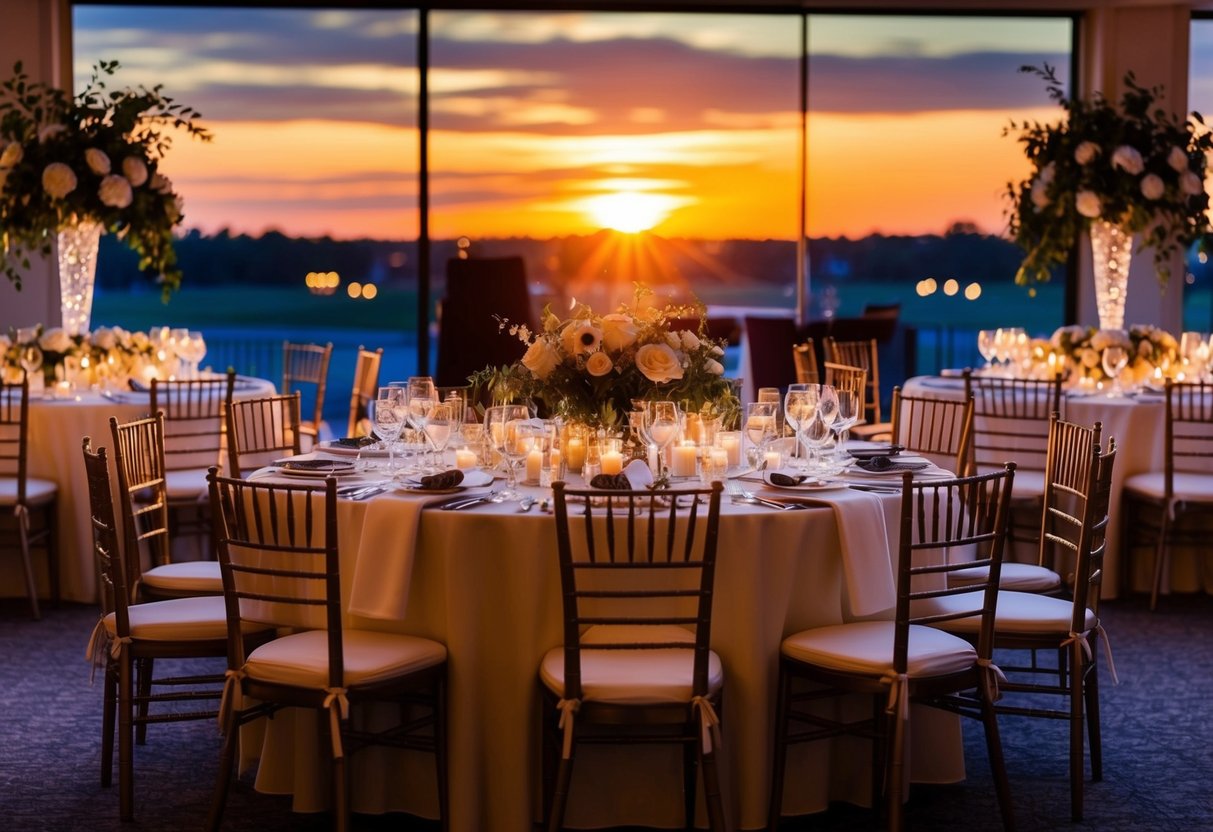
After the wedding breakfast, it’s important to manage the shift to the evening reception smoothly. This time allows for room changes and sets the stage for a fun celebration with evening guests. You’ll want to consider both the logistics of the space and activities for your guests.
Room Turnaround Considerations
When transitioning from the wedding breakfast to the evening reception, room turnaround is crucial. If the same space is used, the staff will need time to change the setup. This might involve clearing tables, rearranging seating, or even creating a dance floor area.
Plan to have around 30 to 60 minutes for this process. Coordinate with your venue to ensure the space is ready for the evening guests. Keep in mind that using this time for drinks or light snacks can keep your guests engaged.
Consider the time frame when asking your evening guests to arrive. It’s often best to have them come in after the room has been adjusted. This way, you avoid any crowding and can create a welcoming atmosphere for everyone.
Entertainment and Activities
Keeping your guests entertained during the transition is a great idea. Consider arranging a few fun activities like lawn games or photo booths. These activities can engage guests as they wait for the evening reception to start.
You may also want to plan for a first dance or special announcement right as the evening begins. This helps to create excitement and signals the start of the celebration. An evening buffet can also be a highlight, providing guests with delicious food and drinks to enjoy as they mingle.
Remember to communicate the schedule to your guests. Let them know about the exciting events and what to expect next. This keeps everyone in the loop and maintains a joyful vibe throughout the evening!