
How Long Should Dinner Be at a Wedding? Tips for a Perfect Reception Timing
When planning your wedding, one important detail is how long dinner should last. Seated meals at weddings typically take about 45 minutes to an hour. Buffets can take longer depending on the number of guests. The right dinner duration helps create a smooth flow for your wedding reception and keeps guests engaged without feeling rushed.
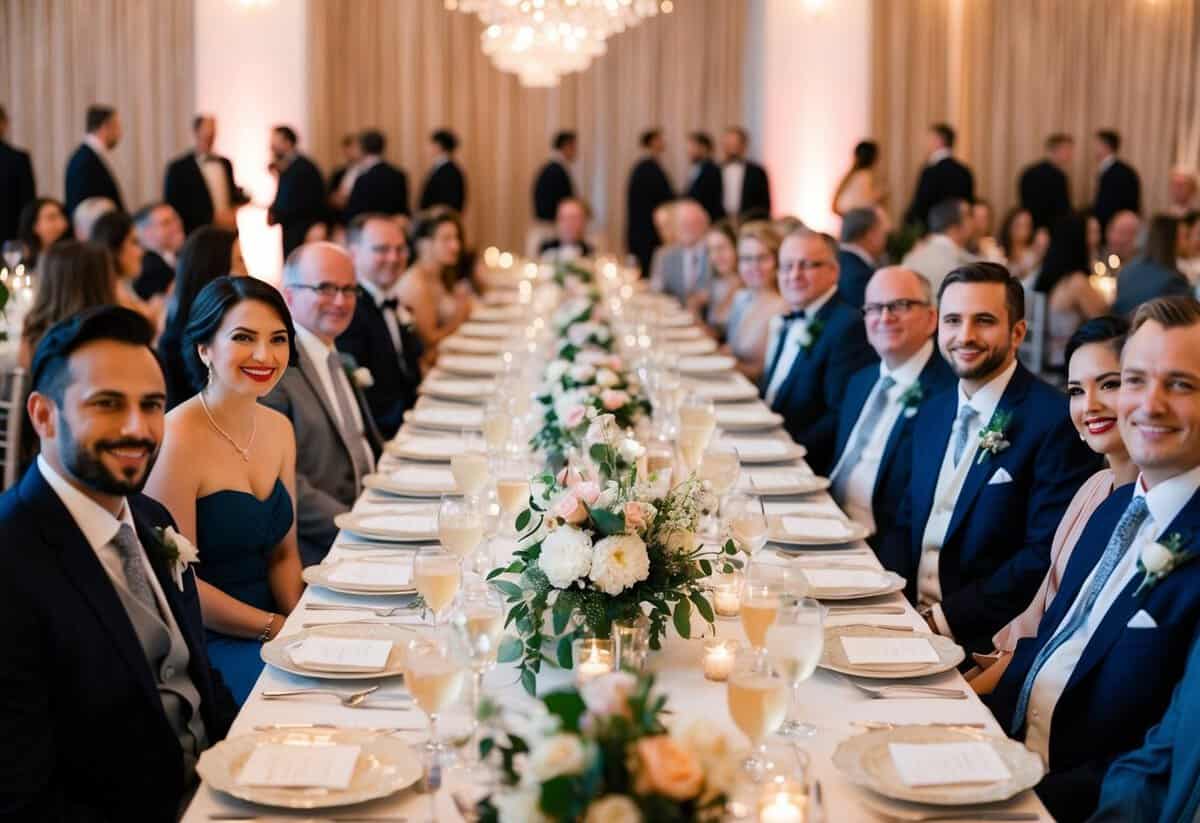
Consider factors like your meal service style and the size of your guest list. The more guests you have, the longer dinner will take, especially if you opt for a buffet. Having enough serving staff can also make a big difference in keeping the meal moving along effectively.
Balancing the dinner duration with other activities, like toasts and dancing, is vital in making your reception enjoyable. By planning appropriately, you can ensure that your wedding dinner is not just a meal but a delightful experience for you and your guests.
Planning Your Wedding Dinner Timeline
Creating a well-structured dinner timeline is key to ensuring your wedding runs smoothly. By coordinating the reception events, you can make the most of your special day and keep your guests happy.
Understanding the Reception Timeline
Your reception timeline is like a roadmap for your wedding evening. It helps you plan how long each event should take and keeps everything on track.
Start by considering the overall duration of your reception. A typical reception lasts about 5 hours. This usually includes time for cocktails, dinner, and dancing.
Be specific about each event. For example, allocate about 45 minutes to 1 hour for dinner. This allows guests to enjoy their meals without feeling rushed. Also, don’t forget to include time for speeches and toasts. Coordinating these small moments into the timeline creates an enjoyable experience for everyone.
Cocktail Hour and Guest Arrival
Cocktail hour is an important transition period for your wedding. Guests typically arrive an hour before dinner. This time is perfect for mingling and enjoying appetizers while you take photographs.
Plan your cocktail hour to last around 60 minutes. During this time, consider hiring a band or a DJ to provide music. This will create a lively atmosphere.
Make sure your food choices are varied to please different tastes. Consider adding a signature drink to help guests feel welcomed. Don’t forget to have seating available for those who prefer to sit.
The Grand Entrance and First Look
The grand entrance marks the official start of the dinner. It sets the tone for the evening ahead. Consider timing this for right after guests have finished their cocktails. This usually happens about 30 minutes into dinner.
Before the entrance, if you choose to have a first look, make sure it’s scheduled early enough in the day. This allows you to enjoy the moments before the ceremony without the stress of the timeline.
As you plan these transitions, your wedding planner can be a valuable resource. They can assist in ensuring that everything flows seamlessly, keeping your day enjoyable for you and your guests.
Dinner Service Styles and Seating Arrangements
When planning your wedding dinner, it helps to think about how the meal will be served and how your guests will be arranged. The service style you choose can greatly affect the dining experience. Additionally, proper seating arrangements can ensure that everyone enjoys their time together.
Choosing Between Plated Meals and Buffet Style
Plated meals are often seen as more formal. With this style, each guest receives their meal served directly to them. This can create a smoother flow and makes it easy to manage the timing of courses. However, plated service may require more staff and can take longer if you have many guests.
In contrast, a buffet dinner allows guests to serve themselves. This gives them the freedom to choose what they want and how much to take. Buffets can save time serving, especially for larger weddings. Just keep in mind, the line can slow down dining if you have a high guest count. Think about your wedding’s vibe and choose what enhances that atmosphere.
Family-Style Service and Food Stations
Family-style service combines elements of both plated and buffet styles. Here, guests are seated with dishes shared among them. This encourages interaction and a cozy feel. It’s ideal for smaller gatherings where guests can help themselves to various dishes passed around the table.
Food stations offer a fun twist. Different areas serve various cuisines, like pasta or tacos, letting guests mingle and explore options. This setup can energize the atmosphere. Just ensure there’s enough room for guests to flow between stations, especially if your guest list is large.
Seating Arrangements and Guest Count
Your seating arrangements play a big role in the overall experience. If your guest count is high, consider assigning seats. This helps avoid chaos at the beginning of the meal and allows for more intimate conversations at each table.
Think about creating smaller tables for better interaction. Long tables can work for larger groups, but they may make it harder for everyone to connect. Balancing your guest count with table size is key. Additionally, placing families and friends together can enhance the enjoyment of the meal and keep conversations lively. Plan wisely for a memorable wedding dinner.
Special Moments During Wedding Dinners
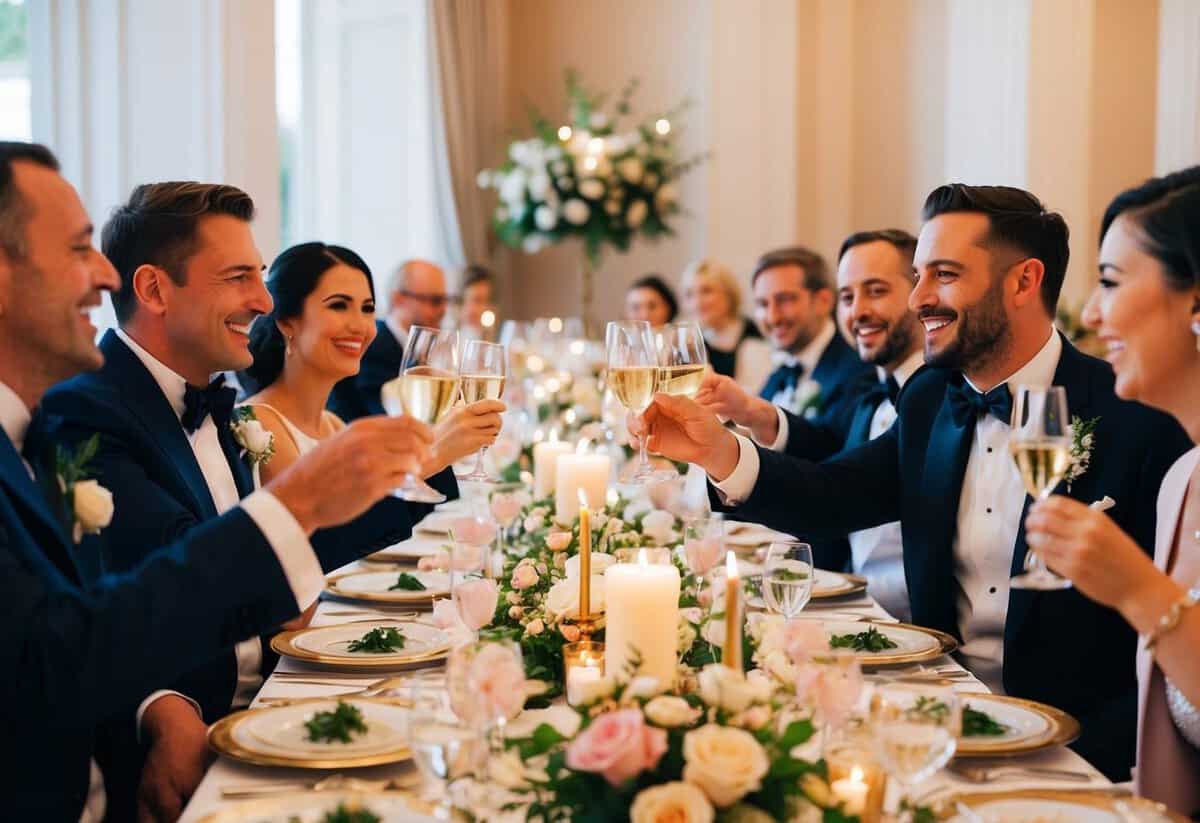
During the dinner portion of your wedding, there are several key moments that enhance the celebration. These special moments create lasting memories for you and your guests. Here are a few significant highlights that often occur during wedding dinners.
Toasts and Speeches
Toasts and speeches are heartfelt moments that add a personal touch to your dinner. Typically, the best man, maid of honor, and sometimes parents will share their thoughts.
You can expect each toast to last about 2 to 5 minutes. This is a great chance for your loved ones to express their feelings and share fun stories about you. Make sure to plan these ahead of time to keep the dinner flowing smoothly.
Consider including a toast from you and your partner as well. This is often a nice way to thank everyone for celebrating with you.
Cake Cutting and Bar Offerings
The cake cutting is an iconic moment during dinner. It symbolizes your first task as a married couple. You can set this up after the main course or just before dessert.
Guests often enjoy watching this sweet tradition. It’s ideal to have photographers ready to capture the smiles and laughs.
Keep your bar offerings in mind too. Signature cocktails can elevate the experience. Having a variety of drink options ensures everyone has something they enjoy throughout the evening.
First Dance and Dancing
The first dance is a memorable event that kicks off the dancing for the rest of the night. This moment is usually done right after dinner, which sets a joyful tone for the celebration.
Select a song that holds special meaning for both of you. This will make the moment even more special. After your first dance, invite all guests to join you on the dance floor.
Dancing can create a lively atmosphere and provide entertainment during the evening. Encourage guests to let loose, mixing slower tunes with upbeat songs. This way, everyone feels included and enjoys the celebration.
Ensuring a Memorable Wedding Dinner Experience
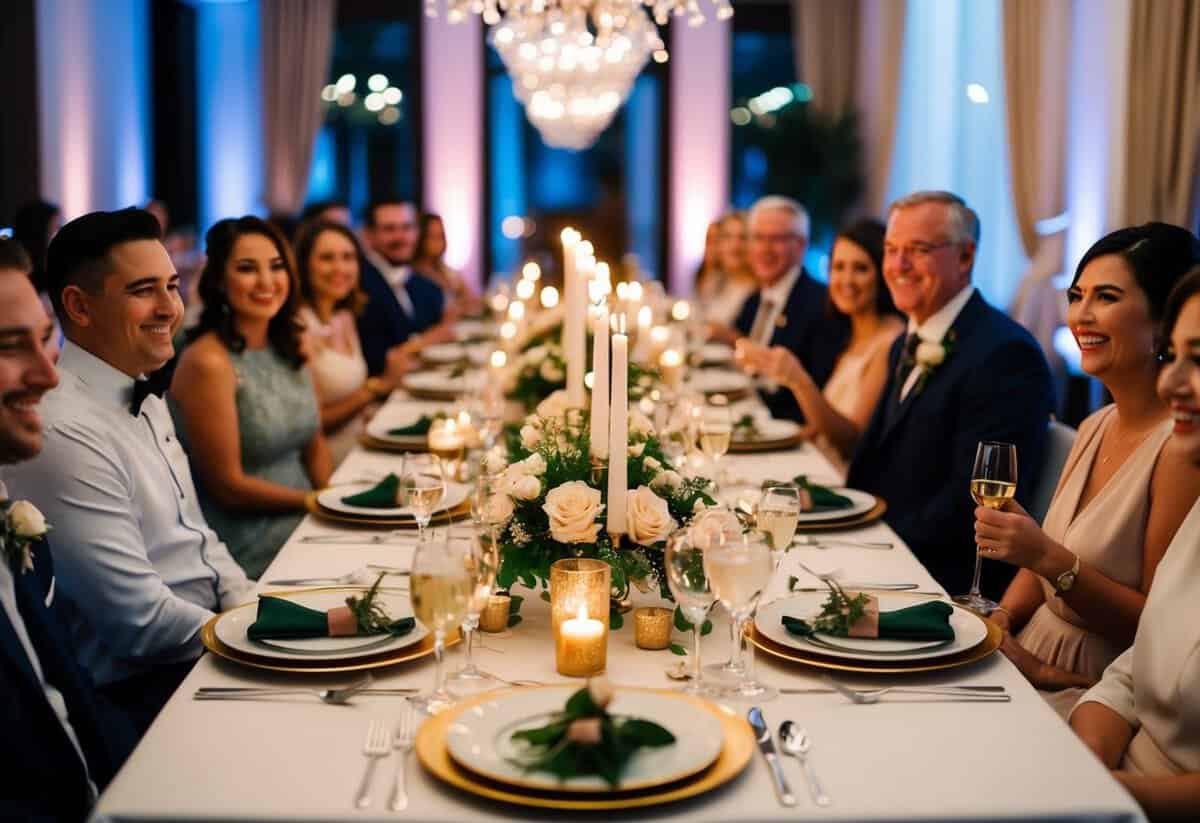
Creating a memorable wedding dinner experience is essential for you and your guests. Paying attention to details like dietary restrictions and having a clear timeline can make all the difference.
Catering to Dietary Restrictions
When planning your wedding dinner, consider your guests’ dietary needs. It’s important to include options for those who are vegetarian, vegan, or have food allergies.
Start by asking guests about their dietary restrictions in your RSVP. This way, you can prepare in advance.
A good rule of thumb is to offer at least one vegetarian dish and accommodate common allergens such as nuts or gluten. You might create a separate menu just for those with dietary needs.
By being inclusive, you ensure everyone feels welcome and can enjoy their meal. This attention to detail helps make your wedding dinner unforgettable.
Timeline for Evening and Late-Night Events
A clear timeline can keep your wedding dinner flowing smoothly. If it’s an evening wedding, plan for dinner to start about 1.5 to 2 hours after the ceremony.
Consider how the dinner fits into the overall wedding reception timeline. Guests might appreciate a brief welcome before the meal, setting a relaxed tone.
Plan time for speeches, toasts, or the last dance before the grand exit. If you have late-night events like a dessert or tea station, let your guests know when they can indulge further.
Keeping everyone informed about the timeline helps set expectations and adds to the overall enjoyment of your wedding dinner experience.