
How Long Should Food Be Served at a Wedding? Tips for a Perfect Reception
Determining how long food should be served at a wedding can be a challenge for many couples. If you’re having a seated dinner, plan for the meal to take about 45 minutes to an hour. If you choose a buffet style, expect approximately an hour to serve about 100 guests, with larger groups needing more time.
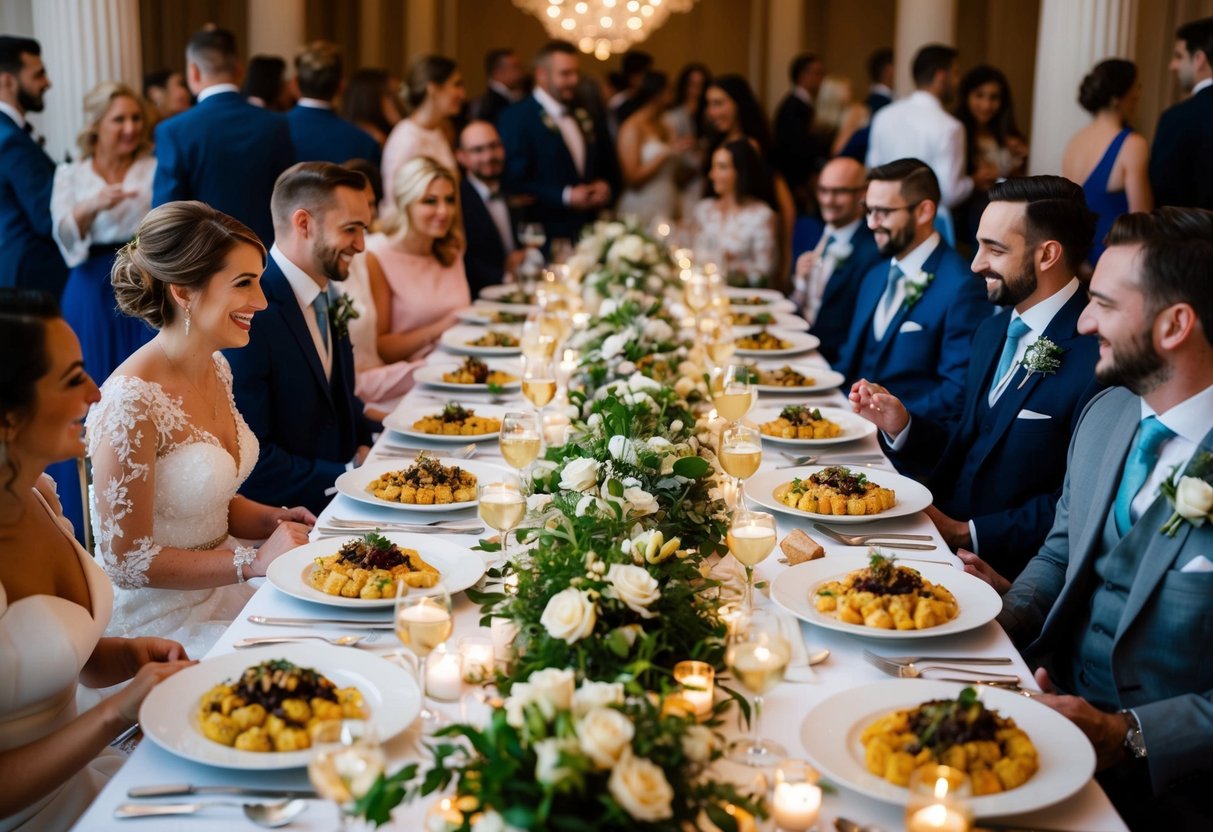
As you organize your wedding timeline, consider factors like the type of food service and the size of your guest list. It’s essential to keep your guests’ experience in mind, as a smooth dining period can enhance their enjoyment of the event. Knowing the right timing can help you create a memorable celebration that allows everyone to eat and socialize comfortably.
Determining the Duration of Meal Service
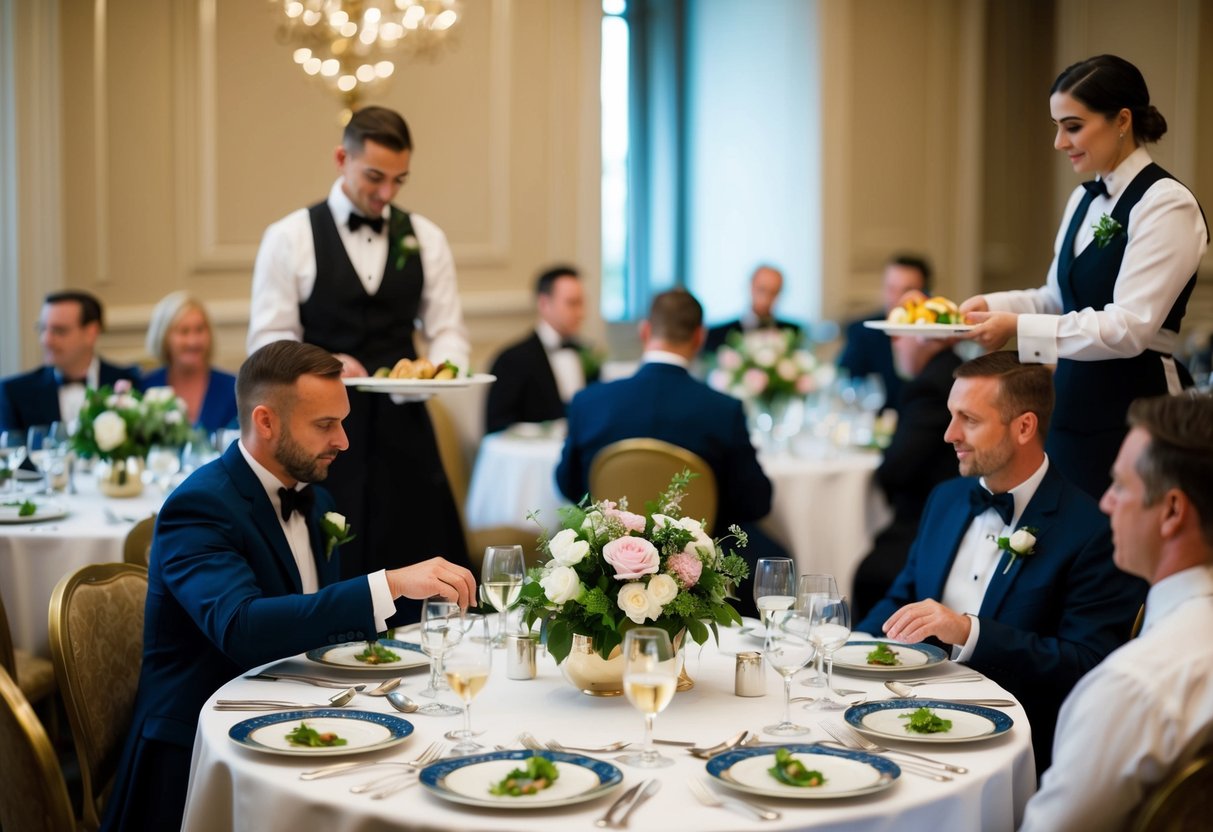
When planning your wedding, considering how long food will be served is key to creating a smooth experience for your guests. Important factors include the timing of the ceremony and reception, as well as your guest count and chosen service style.
Ceremony and Reception Timing
The timing of your ceremony and reception plays a big role in meal duration. If your ceremony starts at 3 PM and the reception begins at 5 PM, you’ll have a gap where guests may get hungry.
A traditional cocktail hour often lasts about an hour, so dinner is usually served about an hour after guests arrive. This means they could wait longer if you don’t account for the timeline.
If you choose a buffet style, guests can serve themselves as soon as food is ready. With plated meals, the meal usually takes around 1.5 to 2 hours. Make sure to plan your schedule to fit in speeches and toasts around dinner to keep everyone engaged.
Guest Count and Service Style
Your guest count significantly impacts the duration of the meal service. For smaller weddings, plated meals may flow quickly, while larger gatherings can take more time.
For a buffet dinner, allow about 1.5 hours for everyone to serve themselves. This gives guests enough time to fill their plates and socialize.
In contrast, plated meals can take longer, sometimes up to 2 hours. You need to factor in serving time and possible delays. Family-style service combines these methods and can be faster since guests share dishes on the table, promoting interaction.
Knowing your guest count helps you choose the best service style and plan your meal duration effectively.
Planning the Wedding Meal
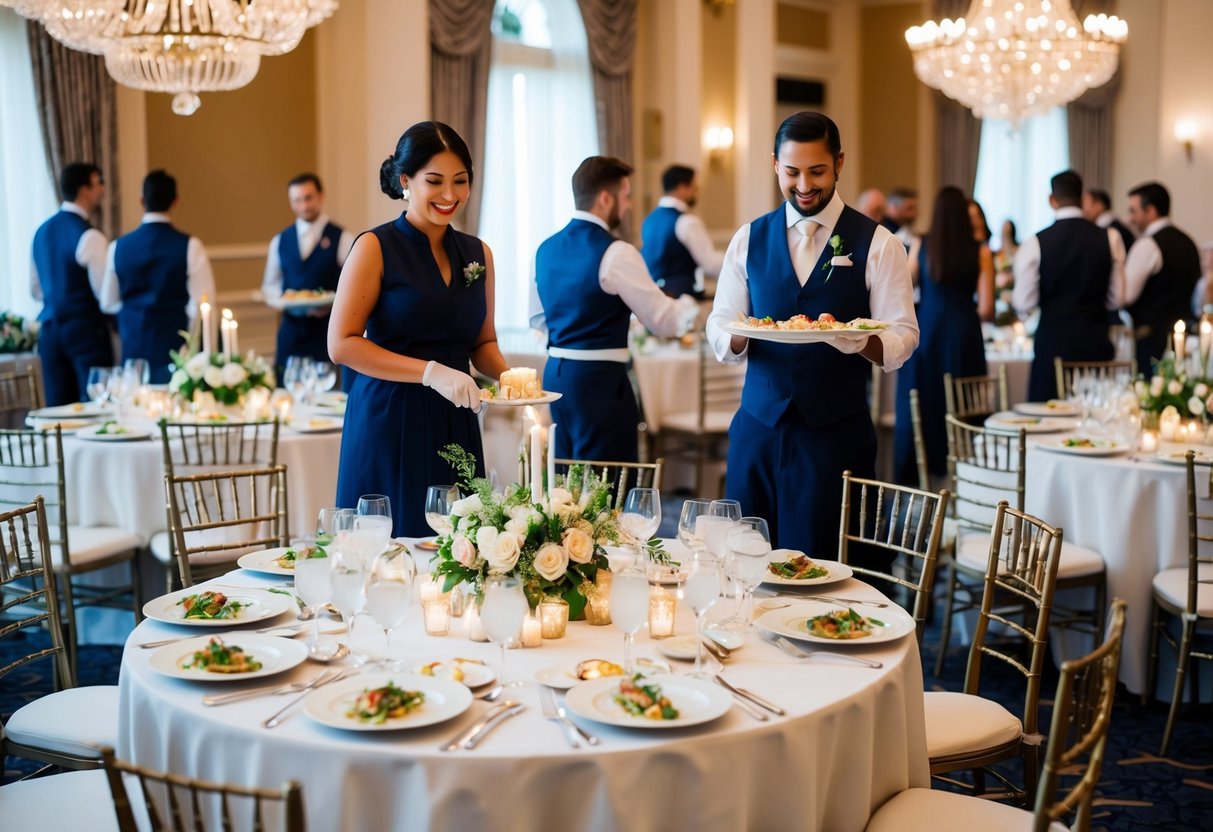
When planning your wedding meal, there are several important aspects to consider. These include the type of meal you want, accommodating dietary needs, and working closely with both your planner and caterer. Each of these elements plays a vital role in ensuring your guests have an enjoyable dining experience.
Selecting the Meal Type
Choosing the right meal type sets the tone for your wedding dinner. You can go for a plated dinner, where each course is served to guests, creating a formal atmosphere. Alternatively, a buffet-style meal offers a relaxed vibe, allowing guests to choose their favorites.
Another popular option is food stations. These can feature various cuisines or dishes, giving everyone a chance to mix and mingle while they eat. Consider a multi-course meal to elevate the dining experience and offer personal touches, like a selection of desserts.
Addressing Dietary Restrictions
It’s essential to consider dietary restrictions when planning your wedding meal. These can include allergies, vegetarian or vegan diets, or other specific needs. Communicate with your guests ahead of time to gather this information.
You can then work with your caterer to create a menu that includes options for everyone. Labeling foods clearly at the buffet or food stations can help guests find suitable choices. Ensuring that all dietary requirements are met shows your care for your guests’ comfort.
Coordinating with Your Wedding Planner
Having a wedding planner by your side makes meal planning much easier. They can help you stay organized and keep track of details. Discuss your vision for the meal, including the type of service and the number of courses.
Your planner can also assist in setting the timeline. This ensures the dinner is served at the right time during the event. They’ll liaise with your caterer to ensure everything runs smoothly on the big day.
The Role of the Wedding Caterer
The wedding caterer plays a crucial role in executing your meal plans. They are responsible for preparing, serving, and presenting the food. Start your search early to find a caterer who understands your vision and can accommodate any dietary restrictions.
A good caterer will collaborate closely with you and your wedding planner. They can provide valuable input on menu options and serving styles that suit your venue. Discussing these details in advance helps guarantee that everything from the appetizers to the main course aligns with your expectations.
Key Moments Impacting Food Service
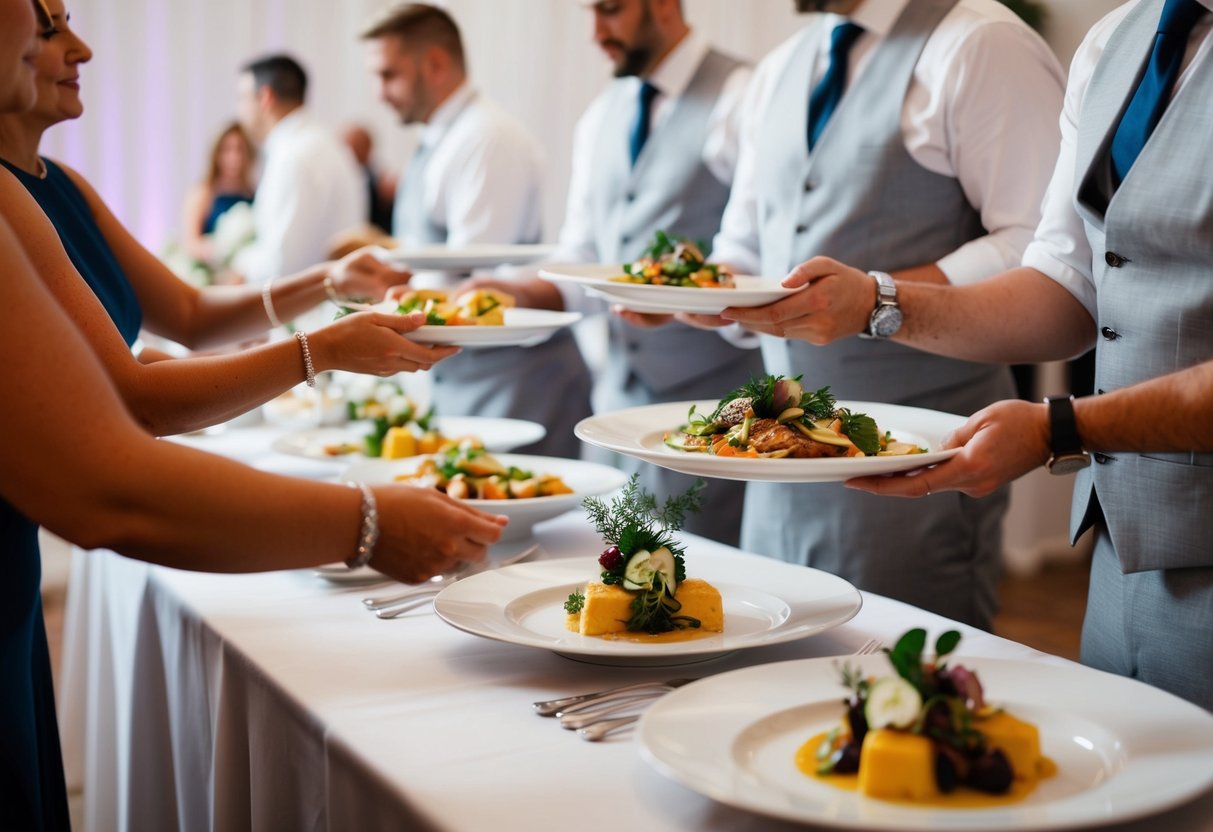
Timing is critical during your wedding reception. Certain key moments, like the cocktail hour and the first dance, can affect how and when food is served. Understanding these moments helps you plan a smooth dining experience.
Cocktail Hour and Appetizers
The cocktail hour is a wonderful way to kick off your wedding reception. It typically lasts about 1 hour and allows guests to mingle while enjoying drinks and appetizers.
Offer a variety of appetizers, such as bite-sized hors d’oeuvres or a charcuterie board. This keeps guests satisfied until dinner is served.
Consider having trays circulated by waitstaff, which gives a personal touch. This phase sets the mood, so soft music can enhance the atmosphere.
Make sure to coordinate the timing so that your guests are ready to transition seamlessly into the next part of the evening.
Transitioning to Dinner Service
After the cocktail hour, it’s important to move guests smoothly to dinner service. This transition can take about 15 to 30 minutes.
Announce the beginning of dinner, allowing guests to find their seats. If you have a plated service, the waiting staff should be ready to serve meals promptly.
For buffet-style dining, consider how to direct guests in an orderly way.
Timing is essential here; late transitions can leave guests hungry or bored. Keep the flow consistent by coordinating with your catering team.
Integrating Toasts and First Dance
Integrating toasts and the first dance during dinner can create a memorable atmosphere. After everyone has been served, you might want to schedule a few toasts.
Traditionally, the best man and maid of honor speak first. Plan these moments between courses to keep the energy up.
Following the toast, the first dance usually occurs. This adds a romantic touch while guests enjoy their meals.
Communicate with your DJ or band to ensure they’re ready for these special moments. Your goal is to keep everyone engaged and happy throughout the meal.
Cake Cutting and Dessert Service
The cake cutting marks a fun and symbolic moment of the reception. It generally occurs after dinner, and you can invite guests to gather around for the event.
After the cake cutting, dessert service can begin right away. Offering a dessert station allows guests to choose what they like, adding a personal touch to their experience.
You could also include unique options like mini pastries or a candy bar.
Timely coordination is crucial here to ensure the cake is presented beautifully and that desserts are fresh. Consider pairing dessert with coffee or tea to enhance the experience for your guests.
Additional Considerations for Food Service
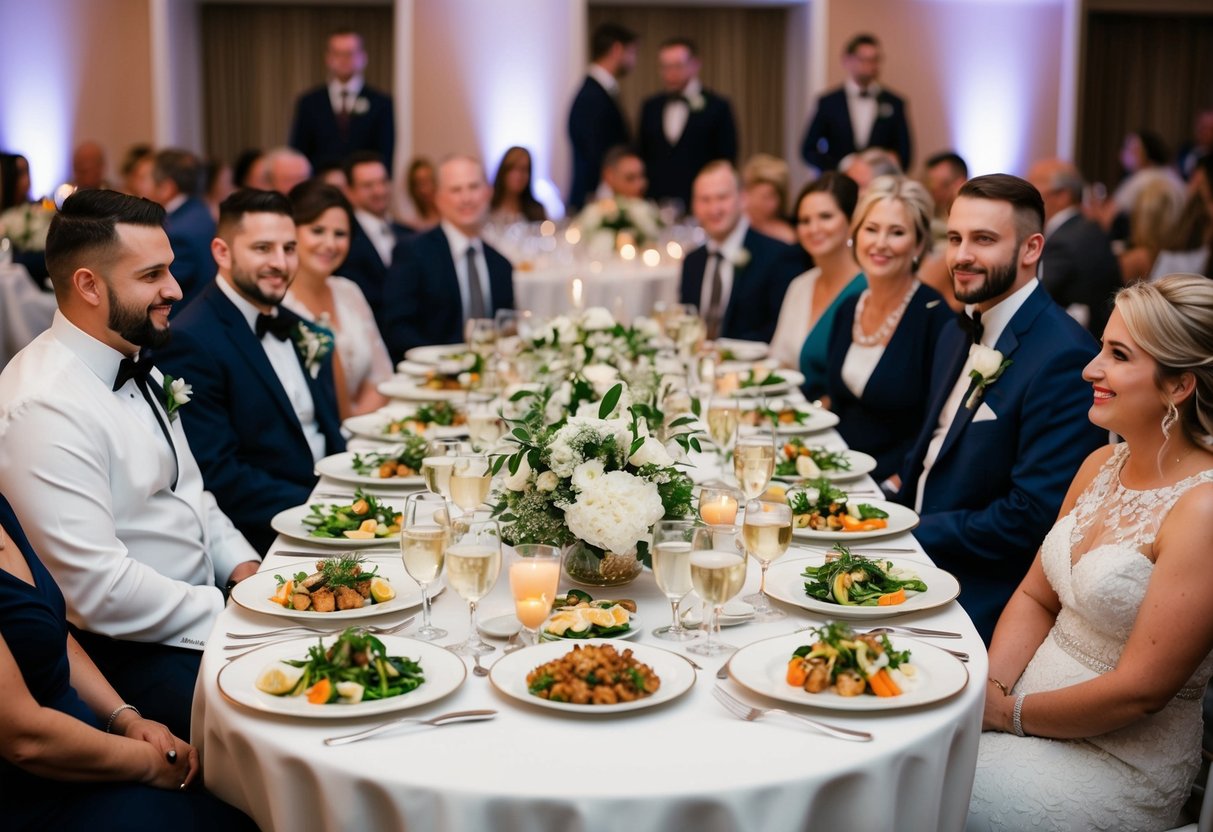
Food service at your wedding can impact the flow of the day. Considering options like buffet stations and understanding how guest count affects service will help create a pleasant dining experience.
Incorporating Buffet Stations
A buffet-style dinner allows guests to serve themselves. This setup often speeds up the dining process, especially when you have a large number of guests. You can create multiple buffet stations across the venue. This way, guests can spread out and avoid long lines.
It’s wise to include a mix of hot and cold dishes, and consider dietary restrictions. You might want to label each item clearly. This helps everyone know what’s available and makes decisions easier.
Opting for buffet service also encourages socializing. Guests can move around as they please, making the atmosphere more relaxed and inviting.
The 30/5 Rule for Plated Dinners
When you plan a plated meal, consider the 30/5 rule. This guideline suggests that you should aim to serve a table within 30 minutes for every 5 tables being served at once. This pacing ensures that food gets to your guests quickly and keeps things running smoothly.
For example, if you have 10 tables, you should ideally serve them within 60 minutes. This timing helps maintain the event’s energy and avoids long waits. It’s good to communicate with your caterer about this rule to ensure efficiency.
Make sure the wait staff is well-trained and understands the timing. A smooth service keeps your guests happy and engaged throughout the evening.
Effect of Guest Count on Service
The number of guests greatly affects food service. More guests mean longer lines and wait times if not managed properly.
For receptions with a large guest count, buffet stations often make service faster and more enjoyable. If you’re planning a plated meal, ensure adequate staff. It can get hectic with more people.
You also might want to think about pre-selecting meal choices. This helps speed up service time. In smaller weddings, plated meals can feel intimate and special, allowing for a more formal experience.
Weigh your total guest count carefully, as it helps determine the best service method for your wedding.