
How Long Should Wedding Breakfast Be? A Guide to Timing Your Special Day
When planning your big day, one key question arises: how long should the wedding breakfast last? Typically, the wedding breakfast should last around two hours. This time frame allows you to enjoy your meal, celebrate with your guests, and accommodate any speeches or toasts that may happen during the event. Wedding breakfasts offer a special moment to gather with loved ones and continue the joy from your wedding ceremony.
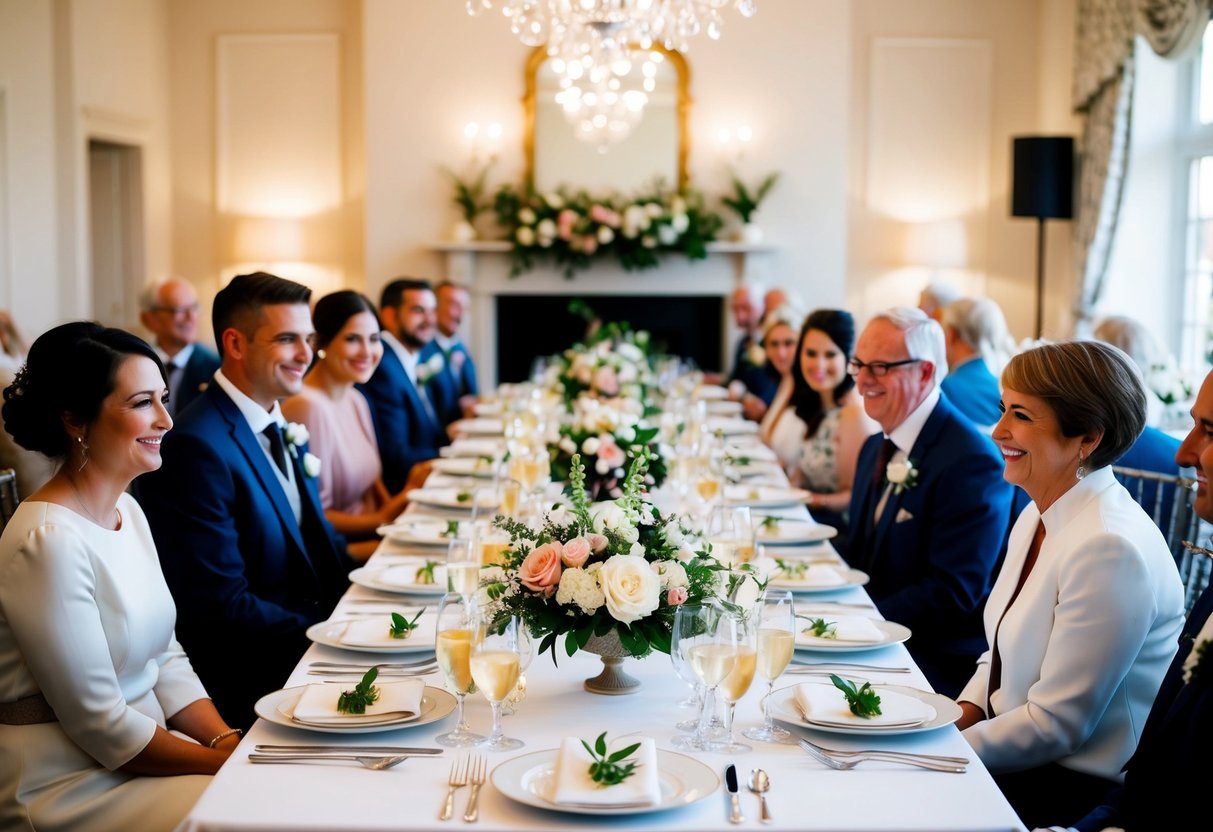
Understanding the timing of your wedding breakfast can help you coordinate your other festivities while respecting wedding traditions. Not only does this meal set the tone for the celebration, but it also creates a wonderful atmosphere where guests can mingle and share in your happiness. By knowing what to expect, you can better plan the flow of your day and ensure everyone has a fantastic time.
Planning Your Wedding Breakfast
When planning your wedding breakfast, consider the meal duration, seating arrangements, and how to incorporate speeches. This will help ensure a smooth and enjoyable experience for you and your guests.
Determining the Length of the Meal
The length of your wedding breakfast is essential for guests to enjoy their meal and socialize. Generally, a wedding breakfast lasts about 2 to 3 hours. If you choose a three-course meal, allocate around 90 minutes to 2 hours. This allows time for serving courses and gives guests a chance to chat in between. Consider how each course will flow to avoid long gaps. Additionally, factor in any dietary requirements your guests may have. Make sure to check with them in advance to prepare options that everyone will enjoy.
Seating Arrangements and Top Table Tips
Creating a thoughtful seating plan is crucial for the atmosphere of your wedding breakfast. The top table usually includes you, your partner, parents, and closest family members. Arrange seating so guests can mingle easily. Use a mix of round and rectangular tables to foster conversation. Clearly label each table with signage to help guests find their seats. Don’t forget to think about guests who may need special seating. For example, older guests or those with mobility issues may prefer to sit closer to the action without moving too far.
Incorporating Wedding Speeches
Speeches add a personal touch, making your wedding breakfast memorable. Schedule speeches during the meal, typically after the main course. Keep each speech to about 5 minutes to maintain excitement and engagement. You can ask your best man, maid of honor, or even parents to share their thoughts. Encourage speakers to mention any dietary considerations if they include personal anecdotes. This shows awareness and thoughtfulness, making your guests feel appreciated during the celebration.
Wedding Breakfast Menu Options
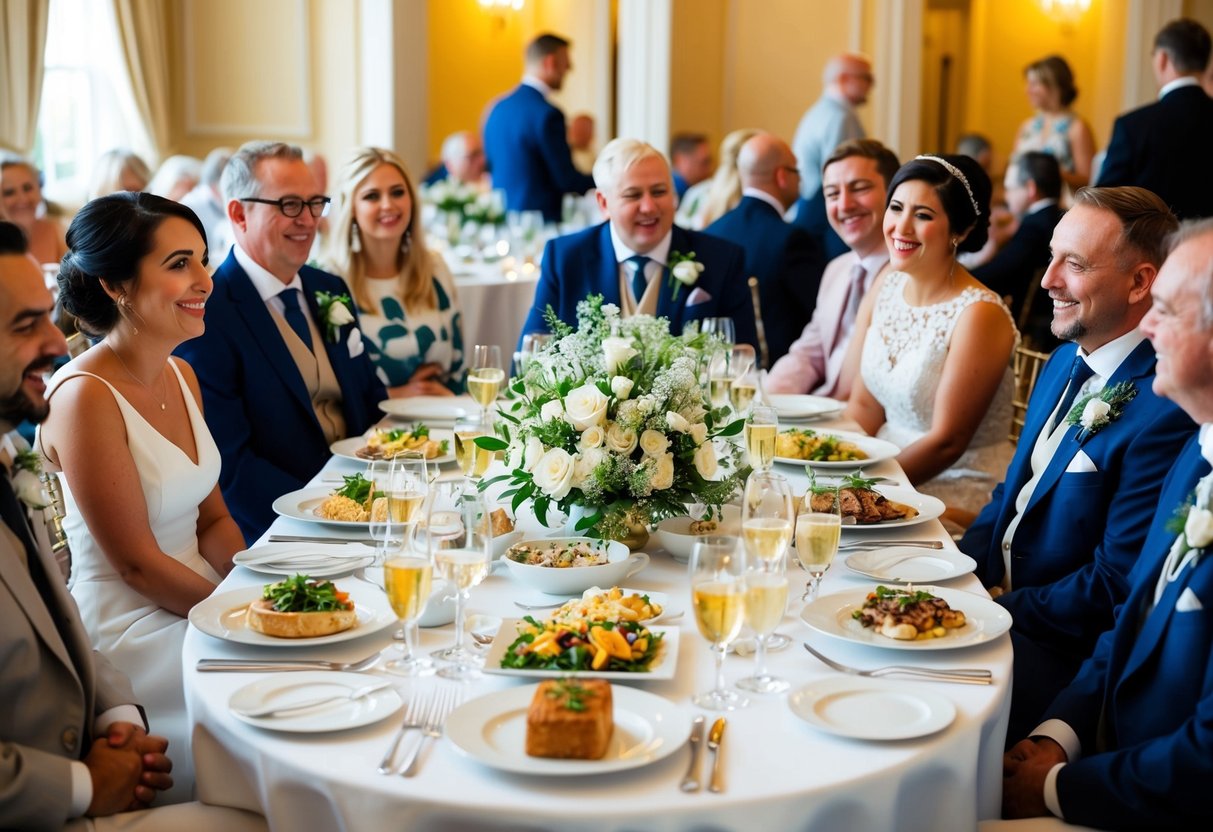
When planning your wedding breakfast, there are many exciting menu options to consider. You can choose traditional meals, buffet styles, or even alternative food choices to fit your vision and your guests’ preferences.
Traditional Three-Course Meals
A classic three-course meal usually includes a starter, main course, and dessert. This option provides a formal dining experience that many couples appreciate.
Starters can range from soup to salads. Popular choices include Caesar salad or butternut squash soup. For the main course, consider offering dishes like chicken with seasonal vegetables, beef Wellington, or vegetarian risotto. Dessert often features the wedding cake, but you can also serve mini pastries or cheesecake. Ensure to consider dietary requirements, such as gluten-free or vegan options, to make every guest feel included.
Buffet and Grazing Table Ideas
Buffets are a fun and informal way to serve your wedding breakfast. Guests can choose what they like, which encourages mingling.
You can have a variety of dishes laid out, including pasta, roasted vegetables, and grilled chicken. Another popular trend is a grazing table filled with cheeses, cured meats, fruits, and bread. This style allows for a colorful and inviting display. Don’t forget to add items for guests with dietary restrictions. Labels can help everyone pick suitable options.
Alternative Food Choices
Thinking outside the box? Consider having food trucks at your wedding. They add a unique touch and serve everything from tacos to gourmet burgers. Fast food can also be an option if it’s your favorite. Imagine serving sliders or fried chicken for a relaxed atmosphere. Also, think about including tapas or small bites. These allow guests to sample various dishes and create a casual dining experience. Regardless of your choice, ensure that all dietary needs are addressed so every guest enjoys the meal.
Enhancing the Wedding Breakfast Experience
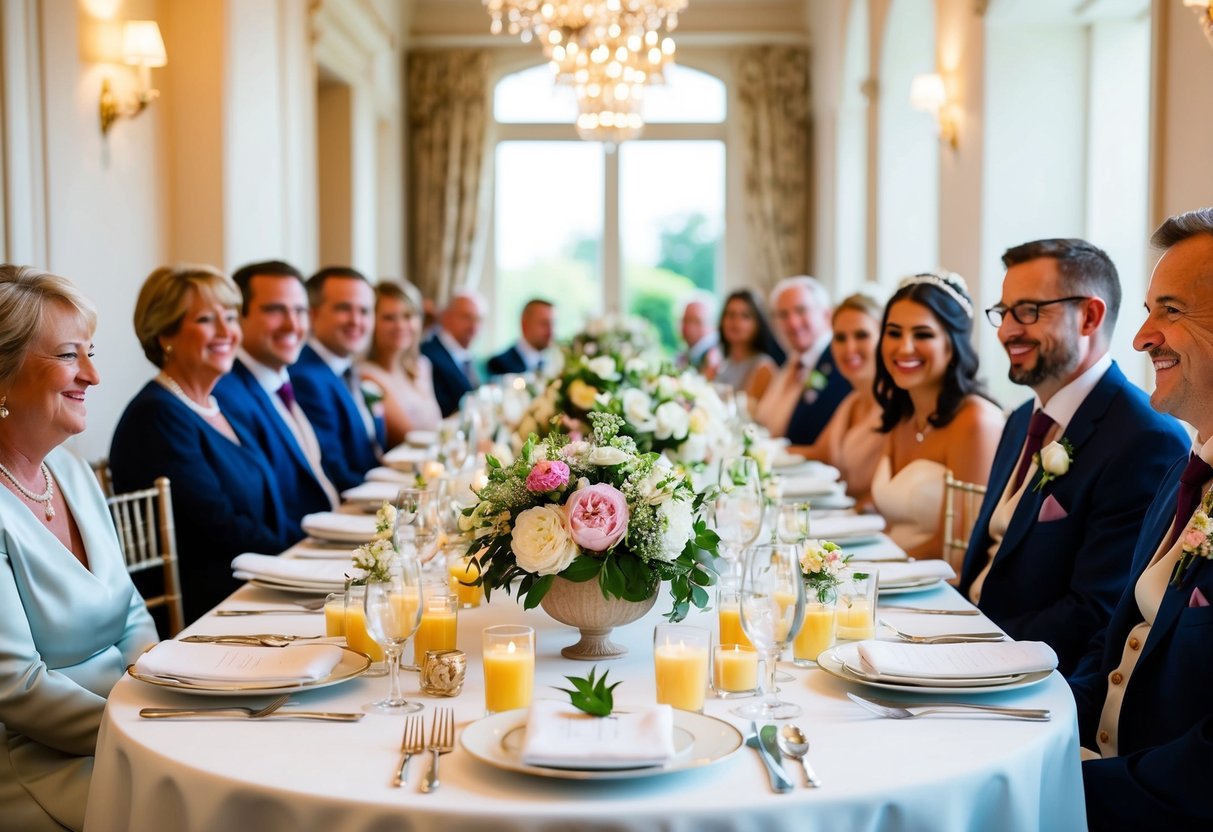
Making your wedding breakfast special adds to the joy of your celebration. Two key elements can really enhance this experience: the drinks reception with canapés and the timing of your first dance.
Drinks Reception and Canapés
Start your wedding breakfast with a drinks reception. This is a fantastic way for guests to mingle and relax. Providing a choice of beverages, such as sparkling wine, cocktails, or non-alcoholic options, can set a cheerful tone.
Pair drinks with delicious canapés. These small bites can range from savory to sweet and are a perfect way to keep guests satisfied until the main meal. Consider options like:
- Mini quiches
- Stuffed mushrooms
- Shrimp cocktails
These appetizers can also reflect your tastes and wedding theme. By offering a variety, you make sure there’s something for everyone, creating an inviting and intimate atmosphere.
Coordination with the First Dance
Timing your first dance is crucial for a smooth transition from the wedding breakfast to the evening reception. Plan your first dance shortly after the meal, as this helps maintain the celebratory mood.
Dancing after the meal makes guests more likely to be engaged and ready to celebrate with you. You may want to have a designated time for this moment, like just before serving dessert. This gives you a chance to share a special moment, and it can also help to signal the shift from an intimate gathering to a lively evening.
Clear coordination ensures your guests stay invested in the celebration.