
How Long Should You Allocate for Dinner at a Wedding? Tips for a Perfect Reception Timing
Planning a wedding involves many details, and one of the most important is the timing of dinner during the reception. You should allocate about 1 to 1.5 hours for dinner, depending on the number of guests and the type of service you choose. This time allows everyone to relax, enjoy their meal, and socialize with each other.
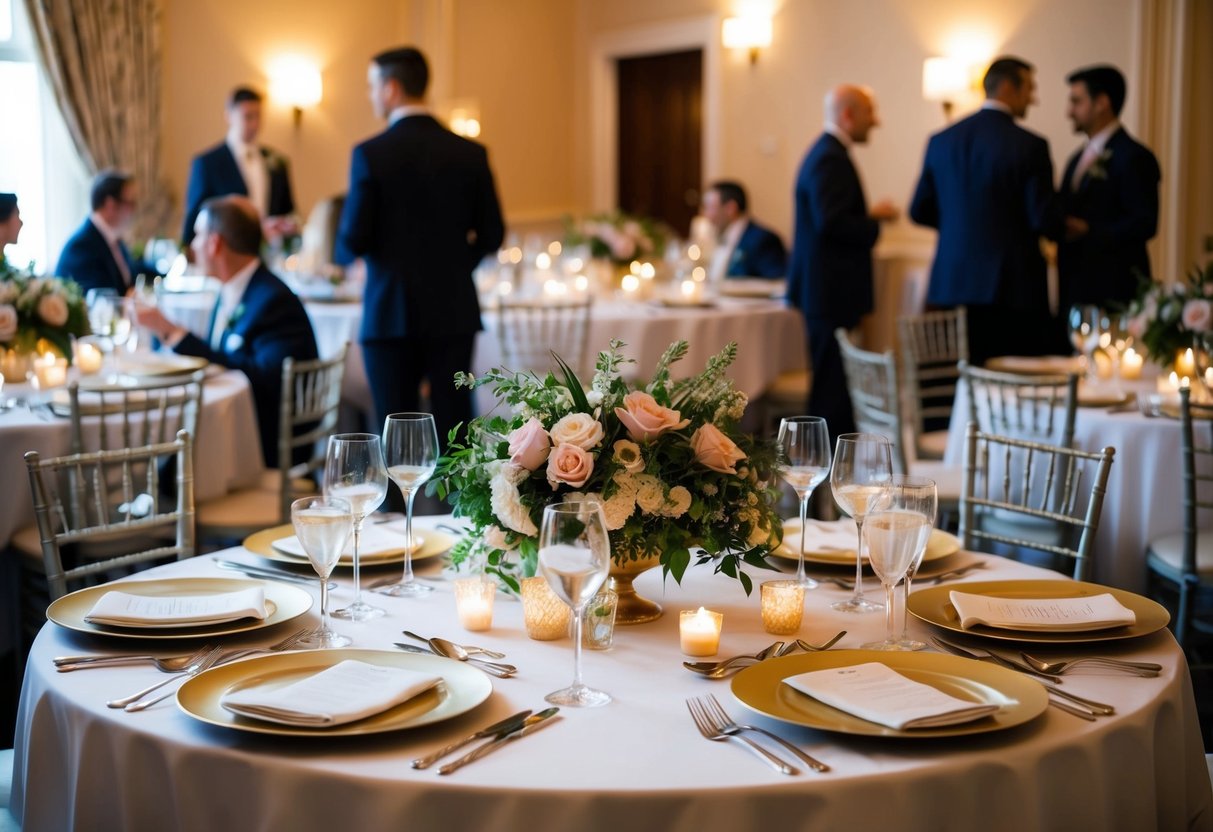
Consider the flow of your wedding day timeline. After the ceremony, you’ll want your guests to have enough time to mingle and transition to the reception venue. Dinner serves as a perfect moment for them to unwind and share stories, creating lasting memories. Whether it’s a plated meal or a buffet, having a well-planned dinner duration ensures a smooth and enjoyable experience for everyone.
Remember, the dinner break is not just about eating; it’s also an opportunity for speeches, toasts, or performances. By planning wisely, you set the stage for a joyful celebration that keeps your guests engaged and happy throughout the evening.
Understanding Wedding Day Scheduling

Planning your wedding day schedule is essential for a smooth celebration. Knowing how to allocate time for key events will help you create a timeline that keeps everything flowing nicely throughout the day.
Components of a Wedding Day Timeline
A wedding day timeline includes all the major events from start to finish. Key components often include the ceremony, cocktail hour, and reception.
Consider starting with the ceremony. This typically lasts about 20-30 minutes.
Next, you can plan a cocktail hour. This is a great time for guests to mingle while you take photos. Allocate about 45 minutes to 1 hour for this part.
After that, you’ll want to schedule the grand entrance, followed by your first dance. This sets a joyful mood for the evening.
Don’t forget to include fun activities like the bouquet toss and garter toss; these should each take around 10-15 minutes.
Allocating Time for Key Events
When deciding how long to spend on each part, keep in mind the guest experience.
For the reception, if you’re serving a plated meal, plan for 60-90 minutes. If you’re having a buffet, consider about 30-45 minutes.
Make sure to allow extra time for unexpected delays.
Your timeline should also include moments like the cake cutting. This usually takes just a few minutes but can be a memorable highlight for everyone.
Overall, create a balance that lets you enjoy each part of the day without rushing. By thinking through these key elements, you can make your wedding day memorable for both you and your guests.
Dinner Duration Insights
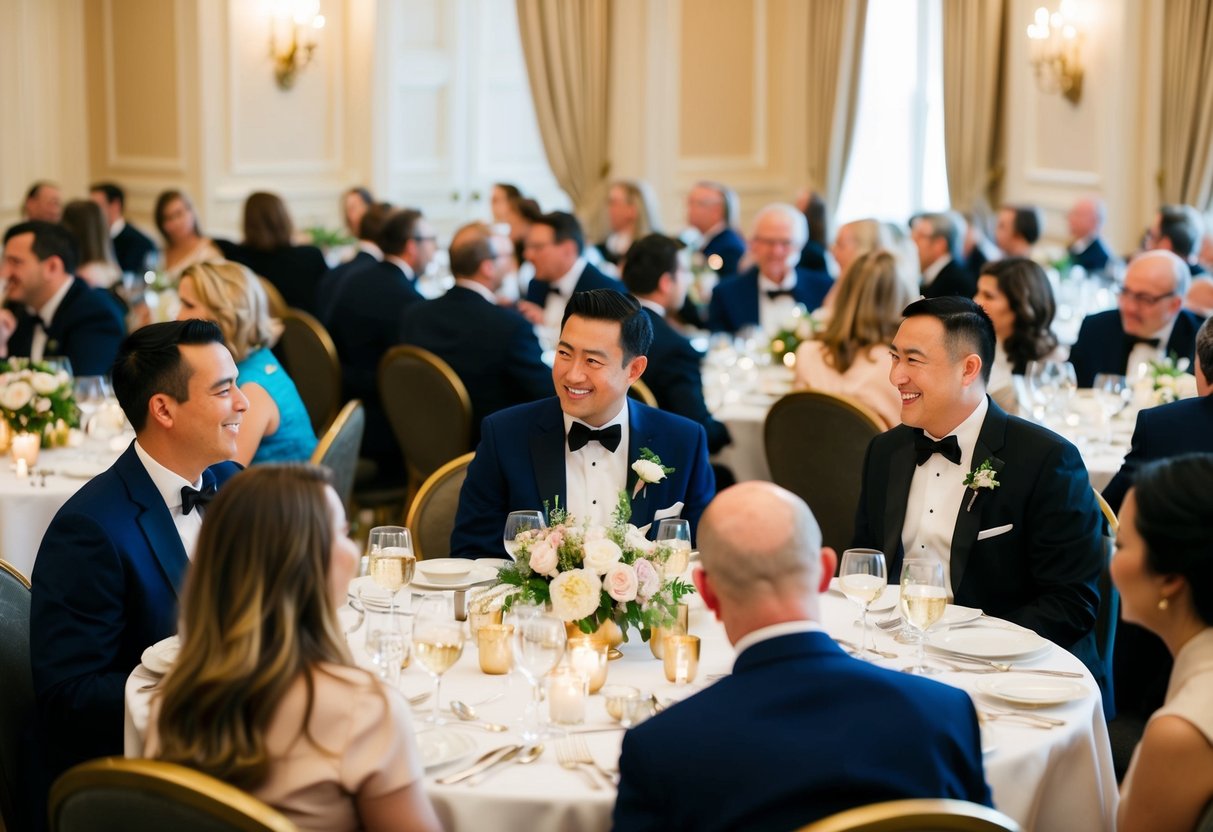
When planning your wedding dinner, it’s important to consider how long the meal will take. Factors like guest count, service style, and the number of courses can greatly affect the overall timing. Understanding these elements will help ensure a smooth and enjoyable experience for everyone.
The 30/5 Rule Explained
The 30/5 rule is a helpful guideline for timing your wedding dinner. According to this rule, you should ideally allocate about 30 minutes for each course, with 5 minutes for transitions between courses.
So, if you’re planning a three-course meal, a total of about 1 hour and 15 minutes is a good estimate.
This timing works well for plated meals, letting guests enjoy each dish at a comfortable pace. If you choose a buffet style, you might need a bit more time for guests to get their food and settle in.
The key is to keep things flowing smoothly, ensuring you don’t skip directly to the first dance before everyone is finished eating.
Variations by Wedding Size and Style
The size and style of your wedding play a big role in how long dinner will take.
For smaller weddings with about 50 guests, a plated dinner may last around 1.5 hours. If your guest count increases to 150 or more, expect the dinner to extend, especially with a buffet style.
Larger receptions require more time for guests to serve themselves. Family-style service can also vary based on how quickly food is passed around.
Remember to factor in any toasts or speeches, as they can add extra time and create special moments during the meal.
Service Style Impact on Timing
The service style you choose directly influences your dinner duration.
A plated meal tends to be the most efficient, allowing waitstaff to serve each course quickly. This can keep dinner around 1.5 to 2 hours for a full meal, depending on the number of courses.
On the other hand, a buffet dinner may take longer due to lines and the time guests spend choosing their meals.
If you’re considering family-style service, be aware that passing dishes can slow things down, requiring additional time for guests to help themselves.
Assessing your service style is key to planning the perfect timing for your wedding dinner.
Nailing Down Your Reception Timeline

Creating a solid reception timeline is key to making your wedding dinner enjoyable for everyone. You’ll want to carefully plan how long each activity will take to keep things running smoothly.
Two important parts of this are working with a wedding planner and adjusting for speeches and entertainment.
Working with a Wedding Planner
A wedding planner can be a huge help in organizing your reception timeline. They understand how long typical wedding dinners last and can guide you in planning the flow of events.
When discussing your timeline, consider including:
- Dinner service style: Whether buffet, plated, or family-style will affect timing.
- Open bar: Time for cocktails can set the mood and should be planned accordingly.
- Cake cutting: This often occurs after dinner and can be a highlight of the evening.
Your planner will help ensure that everything fits well within the allocated time and keeps the celebration moving.
Adjusting for Speeches and Entertainment
Speeches and entertainment are significant parts of your reception that can add joy but also require time.
Make sure to allocate specific time slots for these moments.
- Toasts: These typically last around 5-10 minutes each. Consider if you want one toast or multiple.
- Entertainment: If you have a band or a DJ, coordinate their performances within your timeline. This way, you can plan for dancing after dinner.
Also, think about fun activities like the bouquet toss or special dances. Budget time for these events to ensure they fit seamlessly into your dinner schedule. This careful planning will keep the evening flowing and enjoyable for your guests.
Factors to Consider for a Seamless Dinner
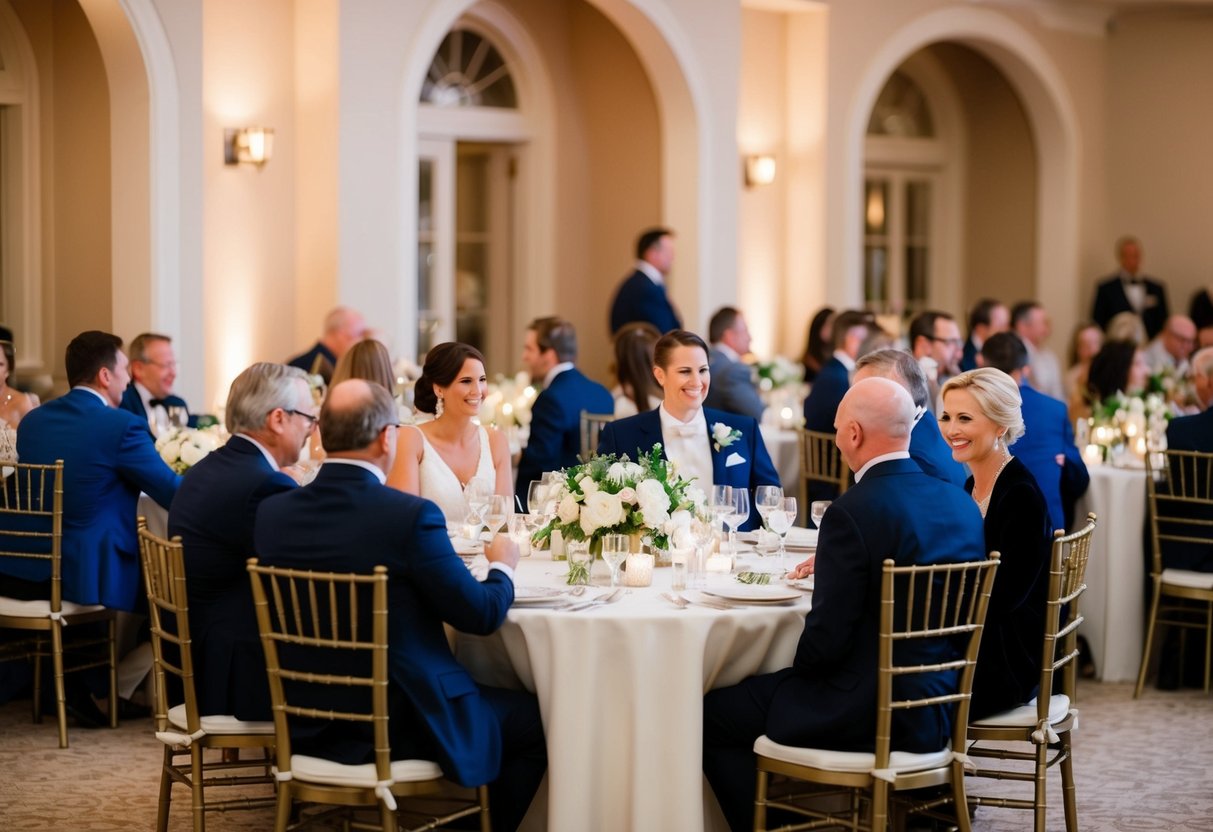
When planning your wedding dinner, it’s essential to think about how you want your guests to experience the meal. Making thoughtful choices about the dining style and managing expectations can help create a smooth and enjoyable atmosphere for everyone.
Choosing The Right Dining Experience
The type of dining experience you choose will greatly affect the flow of your wedding dinner. Here are several options to consider:
-
Buffet: This allows guests to serve themselves. It can take longer, especially with a large crowd. Make sure to have enough space and staff to keep things moving.
-
Plated Dinners: With this style, guests are served meals at their tables. It generally takes less time and can create a more formal feel.
-
Family-Style: Dishes are placed on the table for guests to share. It encourages interaction and can be a fun experience.
You should also think about whether to include hors d’oeuvres before the main meal. Offering snacks helps keep guests satisfied during the wait.
Managing Guest Expectations
Clear communication is key when it comes to managing guest expectations for the dinner. Here are some tips:
-
Timeline: Share a timeline of events with your guests. Let your guests know when dinner will be served so they can plan accordingly.
-
Menu Details: If you have dietary restrictions, inform guests what options are available. This can help them choose what they want ahead of time.
-
Serving Style: Explain the type of meal service. If you opt for a buffet dinner, let guests know to expect a longer meal time due to wait.
By setting clear expectations, you’ll help make your wedding dinner enjoyable and seamless for everyone involved.