
How Long Should You Give People to Eat at a Wedding? Tips for a Relaxed Reception
Determining how long to give guests to eat at your wedding can feel tricky as you plan your special day. Generally, you should allocate about 45 minutes to an hour for the meal. This timeframe allows your guests to enjoy their food and have time to socialize without feeling rushed.
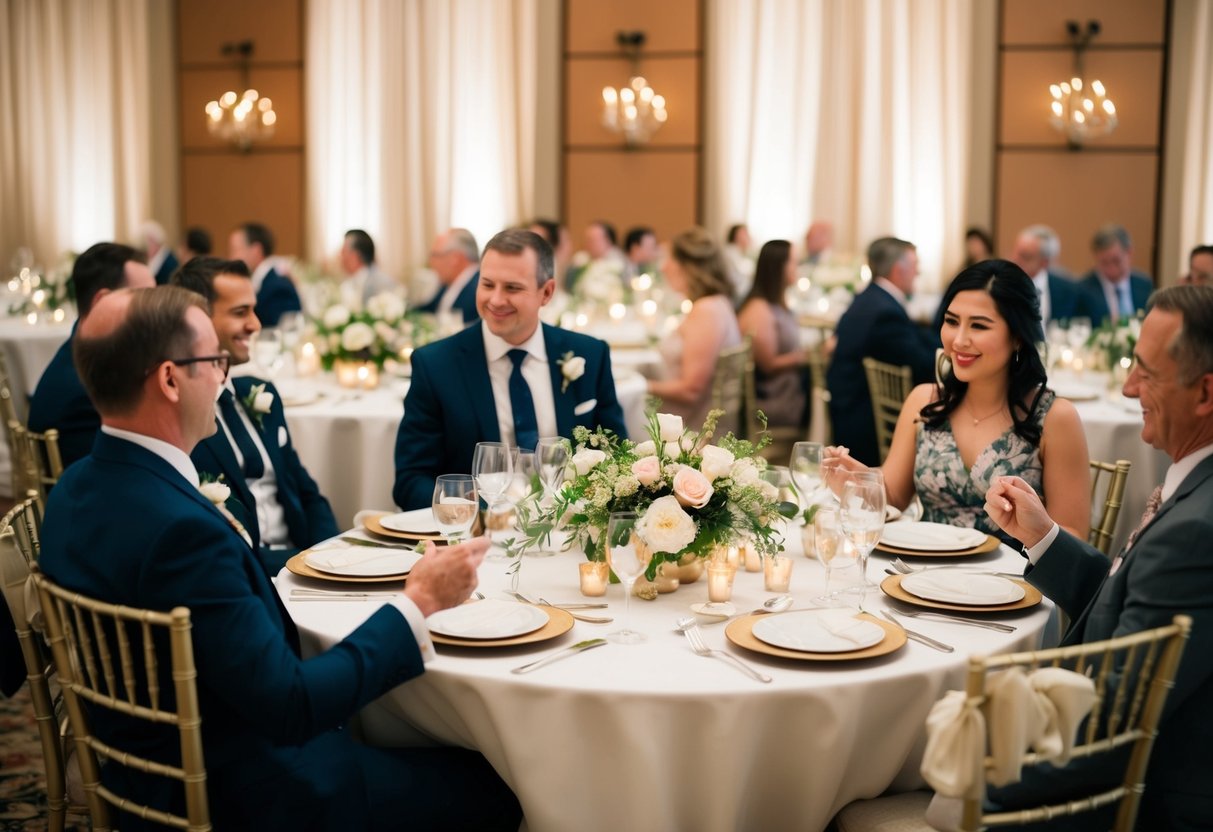
When creating your wedding day timeline, consider the number of guests you’re inviting. More guests may require additional time, especially with buffet-style dining.
Keeping your guests comfortable and happy during the meal will set a positive tone for the rest of the celebration.
Being mindful of the meal duration can enhance the overall experience for your friends and family. By planning appropriately, you can ensure everyone feels welcomed and relaxed as they enjoy delicious food and good company.
Determining the Length of Your Wedding Meal
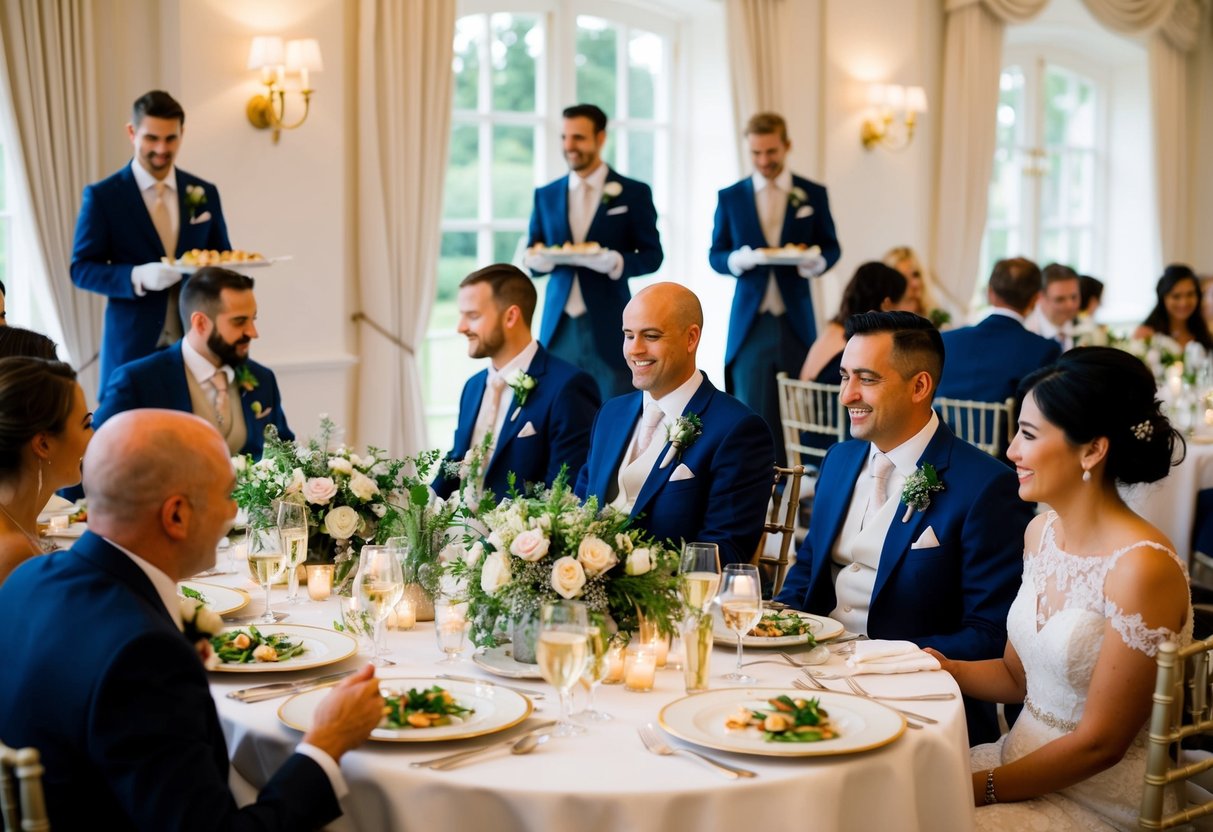
Choosing the right amount of time for your wedding meal involves understanding important guidelines and fitting the meal into your overall reception timeline. Here are two key factors to consider to ensure your guests enjoy their dining experience.
Understanding the 30/5 Rule
The 30/5 rule is a helpful guideline for planning meal times. This rule suggests allowing 30 minutes for each course and an additional 5 minutes between courses.
For example, if you have a three-course meal, set aside 90 minutes for dining.
This rule may vary depending on your dinner service style. For a plated meal, you can stick closely to this timing. If you’re having a buffet, consider that guests might take longer to serve themselves and find their seats.
In this case, aim for at least 60 to 90 minutes to ensure everyone has a chance to eat at their own pace.
Considering the Wedding Reception Timeline
Your wedding reception timeline should seamlessly include meal times. It’s essential to coordinate your dinner with other activities like speeches and dancing.
To keep things flowing well, serve dinner about 1 to 1.5 hours after your ceremony.
If you’re having a buffet, give your guests ample time to move through the line. This could mean extending your dinner service to about 1.5 hours for larger guest lists.
Remember to account for mingling and chatting, which are natural during meals. By structuring your reception timeline carefully, you create a relaxed atmosphere where everyone enjoys their food and each other’s company.
Types of Wedding Meals and Their Duration
Choosing the right meal style for your wedding can affect how long guests spend eating. Different styles come with varied durations, so here’s a closer look at the most common options.
Plated Dinners
Plated dinners are popular for formal weddings. Guests sit at tables, and servers bring each course directly to them. This style typically allows for a smooth and organized dining experience.
You should plan for about 1.5 to 2 hours for a plated dinner. This time includes serving appetizers, the main course, and dessert.
If you offer a vegetarian option, make sure to coordinate with your caterer to ensure every guest is served efficiently.
Consider that speeches or entertainment may happen during courses, which can extend the meal time slightly.
Buffet Dinners
Buffet dinners allow guests to help themselves to food, which can be more casual and flexible. This setup often has multiple stations with various dishes, including vegetarian options.
Expect a buffet dinner to take about 1.5 to 2 hours as well. Guests may take their time filling their plates, so be aware that lines can form.
To keep things moving, consider staggering the serving times or having a designated time for guests to go through the buffet.
Having several choices can enhance the experience as guests may want to try multiple dishes, including salads, entrees, and desserts.
Cocktail Receptions with Appetizers
A cocktail reception focuses on lighter fare and is often less formal than a seated dinner. This style typically features a variety of appetizers and small plates.
You should plan for your cocktail hour to last about 1 to 1.5 hours. This gives guests enough time to mingle and enjoy different appetizers.
Make sure to include a good mix, such as meat, vegetarian options, and even some bite-sized desserts.
Keep in mind that the flow should allow guests to move around and socialize. It might not be as synchronized as seated dinners, but it can create a relaxed atmosphere for everyone.
Managing Reception Events
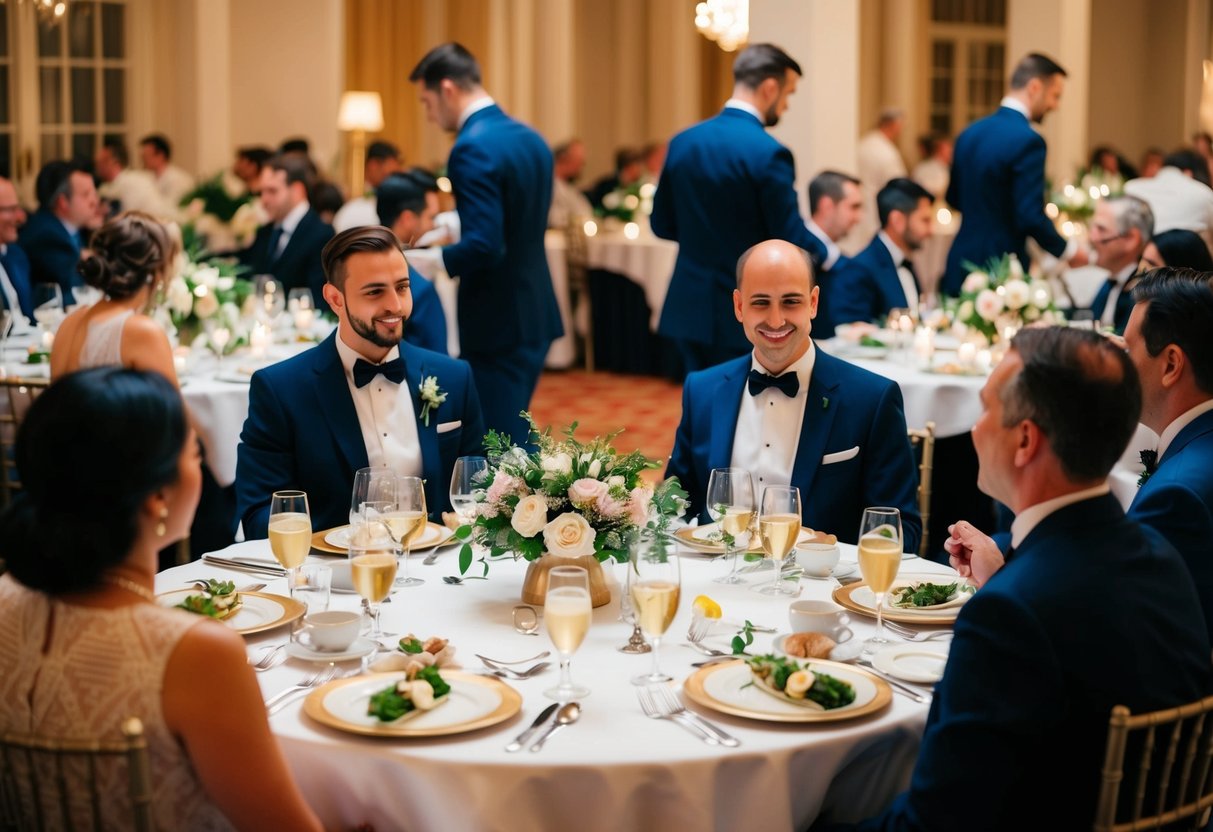
Planning the timing for key reception events is essential for a smooth flow. Balancing these activities helps keep your guests engaged and ensures everyone enjoys the meal. Here’s what you need to consider for important moments like toasts, dances, and dessert service.
Toasts and Speeches
Toasts and speeches are a great way to acknowledge your loved ones. Schedule about 15-20 minutes for this part of the evening.
Typically, the best man, maid of honor, or parents take turns sharing their thoughts.
Be sure to inform your speakers in advance so they can prepare what they want to say. This ensures no one feels rushed.
You might want to have them speak after dinner starts but before dancing begins, allowing everyone to enjoy their meals without interruptions.
First Dance and Parent Dance
The first dance is a special moment for you and your partner. It’s recommended to have around 10 minutes set aside for this.
After you finish, consider including the parent dances right after.
These dances usually follow right after the first dance for continuity and emotional flow. This is a perfect time to engage guests. The music can set a celebratory atmosphere while they finish their meals.
Consider using this time to have guests watch and appreciate the atmosphere you create.
Cake Cutting and Dessert Service
Cutting the wedding cake is often a highlight for both you and your guests. Plan for about 10-15 minutes for this activity.
This is usually done right after the toasts or the first dance to maintain excitement.
After the cake is cut, dessert service can begin. Whether it’s cake or a dessert station, ensure your guests have options.
Guests typically enjoy moving to a designated area for desserts, promoting mingling and interaction.
By spacing out these events, you help keep the energy alive while allowing guests to enjoy their food and the festivities.
Ensuring Guest Comfort and Dietary Considerations
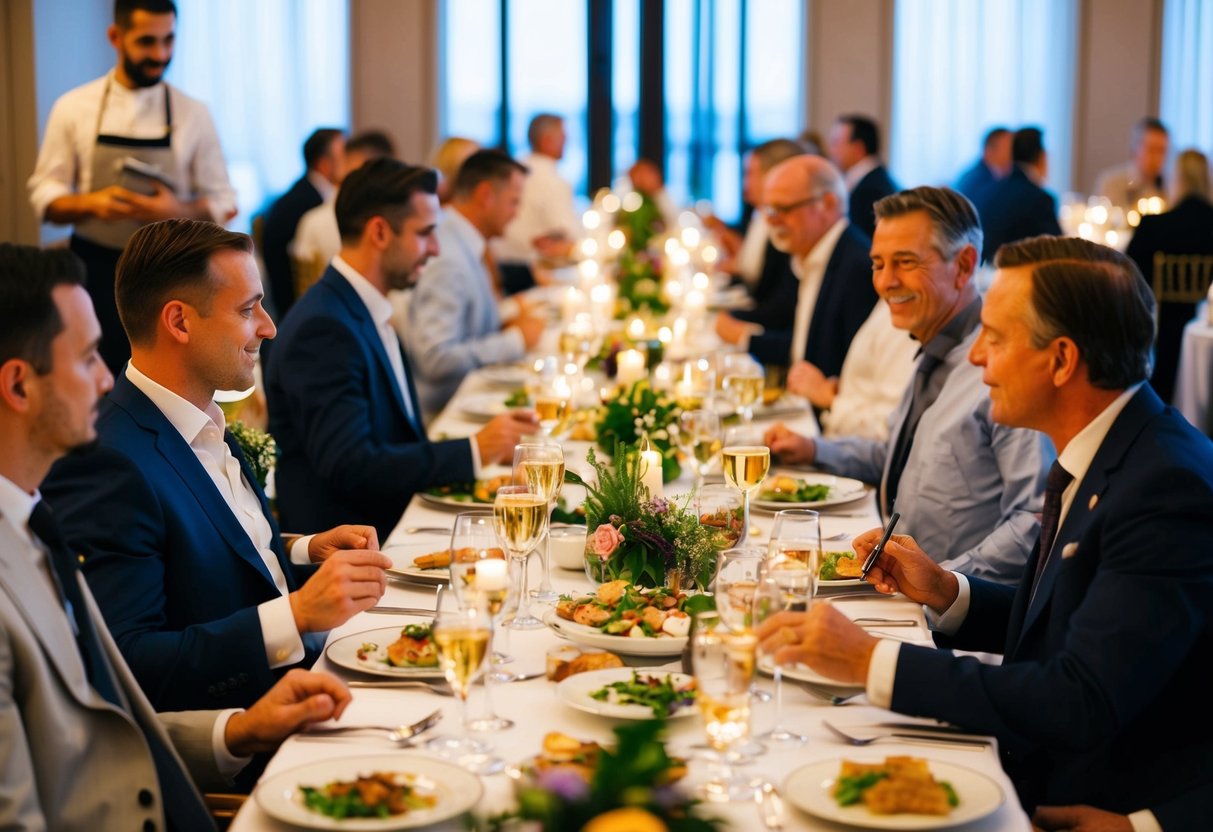
When planning your wedding, it’s important to consider how to make your guests feel comfortable, especially regarding their dietary needs and overall dining experience.
Addressing dietary restrictions, optimizing buffet flow, and scheduling breaks can greatly enhance their enjoyment.
Dealing with Dietary Restrictions
Start by asking your guests about their dietary restrictions. Include a section on your RSVP card that prompts them to share any special requirements.
This shows you care and want everyone to enjoy the meal.
Common dietary needs may include vegetarian, vegan, and gluten-free options. You can provide these choices on a buffet-style wedding reception table.
It’s also helpful to label all food items clearly. This way, guests can quickly identify what they can eat without feeling awkward.
Optimizing Buffet Line Flow
A smooth buffet line can significantly improve your guests’ dining experience.
Arrange the food stations in a way that minimizes congestion. You might consider placing utensils, plates, and napkins at the beginning of the line.
Encourage guests to start at one end and proceed in a single direction.
To speed up the process, offer a variety of dishes and ensure there are enough serving utensils. You can also divide food into small portions. This makes it easier for guests to take their selections without feeling overwhelmed.
Scheduling Breaks and Room Turnaround
Allow some breathing room between courses during the meal. This gives your guests time to chat and enjoy their food without feeling rushed.
Consider scheduling breaks to let guests relax, especially if you have multiple courses.
Room turnaround is also essential for a smooth event. Plan for enough time to reset the space between the reception and the dance party, or any other activities you have planned.
You want your guests to feel at ease while enjoying everything you have prepared for them.