
How Long to Get a Marriage Certificate After a Wedding in the UK? Here’s What to Expect!
After saying “I do,” you might be eager to receive your marriage certificate. Typically, you can expect to get your marriage certificate anywhere from 15 to 21 days after your wedding. This document is important as it legally proves your marriage and is often required for things like name changes or joint bank accounts.
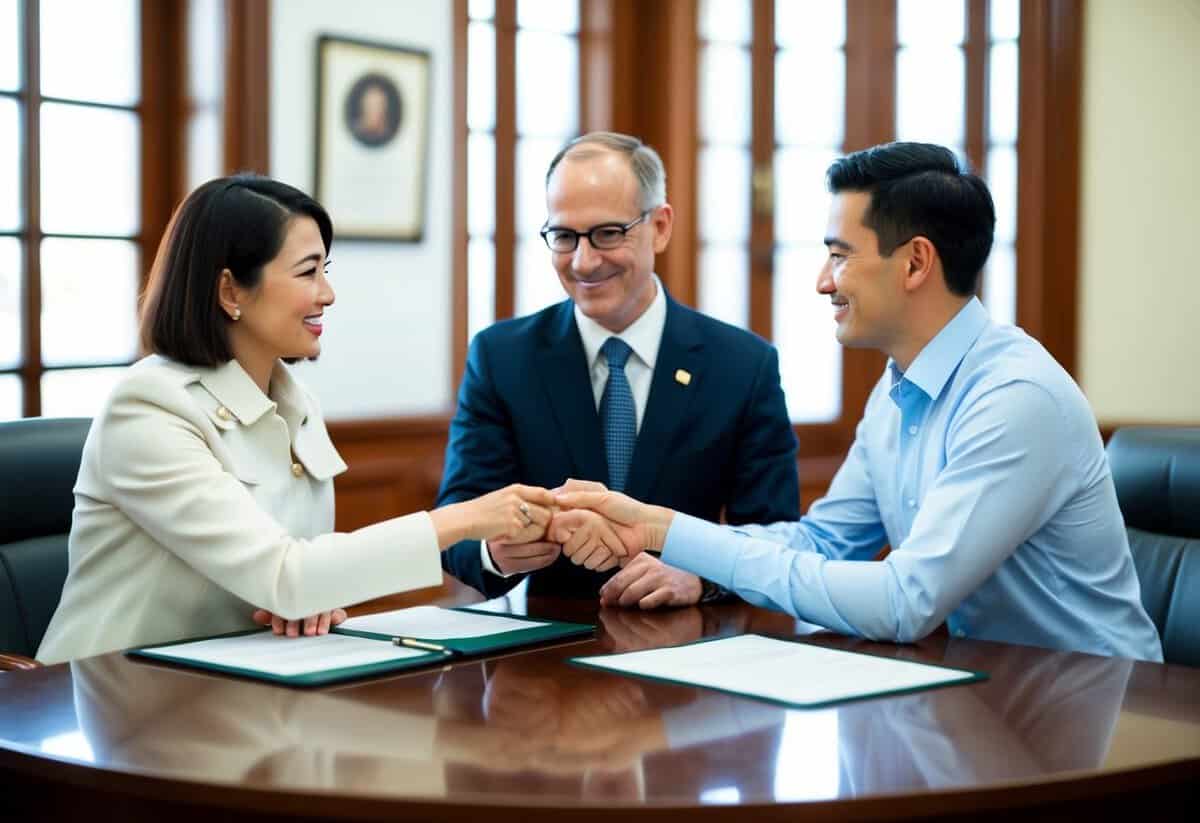
The wait time may vary depending on where you are in the UK. Factors like whether you had a religious or civil ceremony can also affect when you get your certificate. Understanding the process ahead of time can help you plan better and manage your expectations.
In this article, you will learn more about the steps involved in getting your marriage certificate, how to order it, and tips for ensuring you receive it as quickly as possible. This way, you won’t have to worry about your official documents while you enjoy your new life together.
Understanding the UK Marriage Certificate Process
When you get married in the UK, obtaining your marriage certificate involves specific steps and requirements. This process differs slightly between civil and religious ceremonies, and knowing the role of the register office is essential.
The Role of the Register Office
The register office is your central point for handling marriage documents. After your wedding, you’ll need to visit your local register office to apply for your marriage certificate.
This office keeps all official records of marriages, civil partnerships, and other vital events. Your marriage must be recorded within a certain period, typically within 21 days. If you had a civil ceremony, the registrar will complete the marriage schedule for you.
For religious ceremonies, the church must send the marriage document to the register office. Make sure you maintain contact with your local register office for any follow-up questions.
Key Differences Between Civil and Religious Ceremonies
In the UK, the steps to obtain a marriage certificate can differ based on the type of ceremony you chose. For a civil ceremony, you’ll work closely with the registrar at your local register office. They will provide a marriage schedule, which you must return to them after the ceremony.
In contrast, if you have a religious ceremony, such as in a Church of England or Church of Wales, the officiant will manage the paperwork. They will usually complete the marriage document and then send it to the register office for you. Understanding these differences can simplify the process and ensure that your marriage is officially recognized.
Giving Notice and the Legal Requirements
Before getting married, you are required to give notice. This involves stating your intention to marry, and it must be done at your local register office. You’ll need to provide proof of identity and residency, along with any relevant documents such as a marriage schedule.
You should also be aware that you need two witnesses at your ceremony. These witnesses sign the marriage document, validating your marriage. For those in a civil partnership, the process is similar. It’s crucial to ensure that all the necessary legal requirements are met, such as publishing banns if applicable, to avoid any delays in receiving your marriage certificate.
Obtaining Your Marriage Certificate

After your wedding, obtaining your marriage certificate is an important step. You have options for how to get it, including different processing times based on the service you choose. Knowing these details can help you decide the best way to obtain your certificate.
Standard vs Priority Service
When applying for your marriage certificate, you can choose between standard service and priority service.
-
Standard Service: This method takes longer, usually between 4 to 6 weeks. It is more affordable and is suitable if you can wait for the certificate.
-
Priority Service: If you need your certificate sooner, opting for priority service is best. This option often delivers the certificate within 1 to 2 working days. Keep in mind that this service usually costs more.
Make sure to have your GRO index reference number handy when applying, as this can speed up the process.
Ordering from General Register Office vs Local Office
You can request your marriage certificate from either the General Register Office (GRO) or your local register office.
-
General Register Office (GRO): Ordering through the GRO, located in Southport, is often more straightforward, especially for copies of wedding certificates that take place in England and Wales. You can use their online service for convenience.
-
Local Office: If you prefer, you can also apply at your local register office. This might be helpful if you need to verify your details in person or if your wedding was a local event.
Both methods will require you to provide necessary details, like your names, the date of the wedding, and the location.
Utilizing Marriage Certificates

Marriage certificates play a crucial role in various aspects of life, from legal requirements to family history research. Understanding how to use your marriage certificate can benefit you in many ways.
For Legal Documentation and Proof
Your marriage certificate serves as legal proof of your marital status. It is often required for legal processes, such as changing your last name or applying for spousal benefits.
You may need it when updating your identification documents. If you’re planning to travel, some countries may request your certificate as proof of your marriage.
In addition, your certificate helps establish rights in civil partnerships and matters related to inheritance, property, and child custody. It’s essential to keep this document safe and accessible for these purposes.
In Family History and Genealogy Research
A marriage certificate is an important document for family history and genealogy research. It provides details such as the names of the couple, their ages, and their parents’ names.
You can use this information to trace your family tree or locate relatives. Websites like FreeBMD can help you find civil registration records that include marriage details.
If you’re interested in family history, your marriage certificate can connect you with past generations and give you a clearer picture of your ancestry. It’s often a key piece of evidence in piecing together your family story.