
How Long to Give RSVP for a Wedding in the UK? Essential Tips for Guests and Hosts
Planning your wedding is a thrilling journey, and details like RSVPs can feel a bit overwhelming. The standard time frame for giving guests to RSVP in the UK is typically two to three weeks before your big day. This allows your guests ample time to respond while giving you enough time to finalize numbers with your venue or caterer.
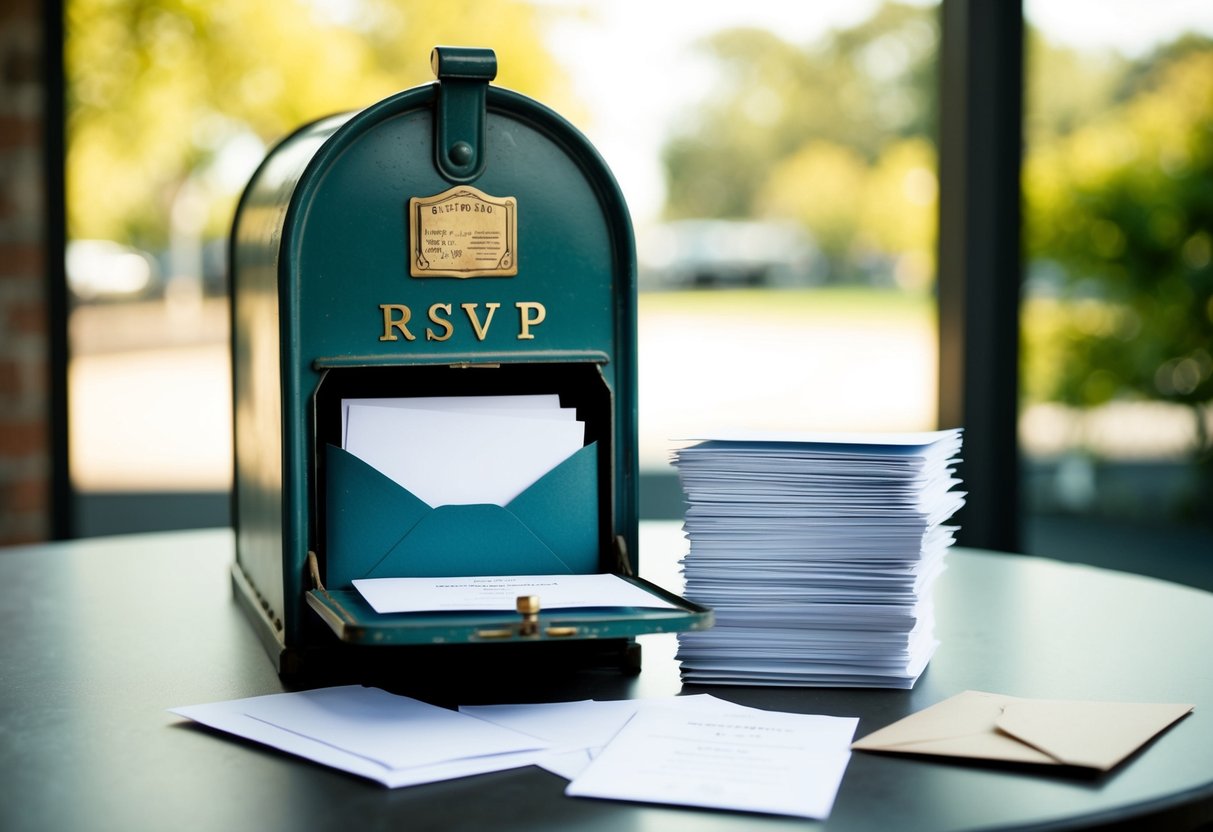
Sending out your wedding invitations around six to eight weeks in advance is a great way to kick things off. This timeline ensures your guests receive enough notice to join in the celebration. As you dive deeper into wedding planning, having a clear RSVP deadline can help make everything smoother.
Remember that communication is key. You can include the RSVP date on your invitations or on your wedding website to keep your guests informed. Knowing when you need those responses will help you focus on enjoying the fun parts of planning your wedding!
Understanding RSVPs for Your Wedding

RSVPs are a key part of your wedding planning. They help you know who will attend and assist in making essential arrangements. Let’s dive into the importance of RSVPs, the timeline you should consider, and how to decode the responses you receive.
The Importance of RSVPs
RSVPs are crucial for a successful wedding. They allow you to finalize your guest list and make necessary decisions regarding seating, catering, and other logistical details. Knowing who is coming lets you prepare accurately, ensuring that your celebration runs smoothly.
A clear RSVP deadline encourages your guests to respond in a timely manner. This deadline should be noted on your wedding invitations. You can also include it on your wedding website for easy access. Remember, receiving RSVPs on time can alleviate stress as your special day approaches.
RSVP Timeline Overview
Start by sending out your wedding invitations about 6 to 8 weeks before the wedding date. For a destination wedding, consider sending them 10 to 12 weeks in advance.
Specify an RSVP deadline of about 2 to 4 weeks before your wedding. This gives guests enough time to respond while still allowing you to finalize arrangements. A well-timed invitation and a firm deadline will help ensure you get the responses you need.
You can gently follow up with guests who haven’t replied just a few days after the deadline. Keep the tone light and friendly. This can be done through a call or a friendly text, reminding them of the RSVP deadline.
Decoding the RSVP
When you start receiving RSVPs, it’s vital to track responses systematically. Create a list where you note each guest’s reply. This can help clear up any confusion about who’s attending.
Look out for guests who might respond with “plus one.” Ensure you understand their intentions. If someone asks for a plus one, they may be bringing a friend or partner.
You can also encourage online RSVPs through your wedding website. This makes it simpler for guests to respond and can help you manage the guest list more efficiently. Make sure your site is user-friendly and includes all necessary information.
Crafting Your Invitations
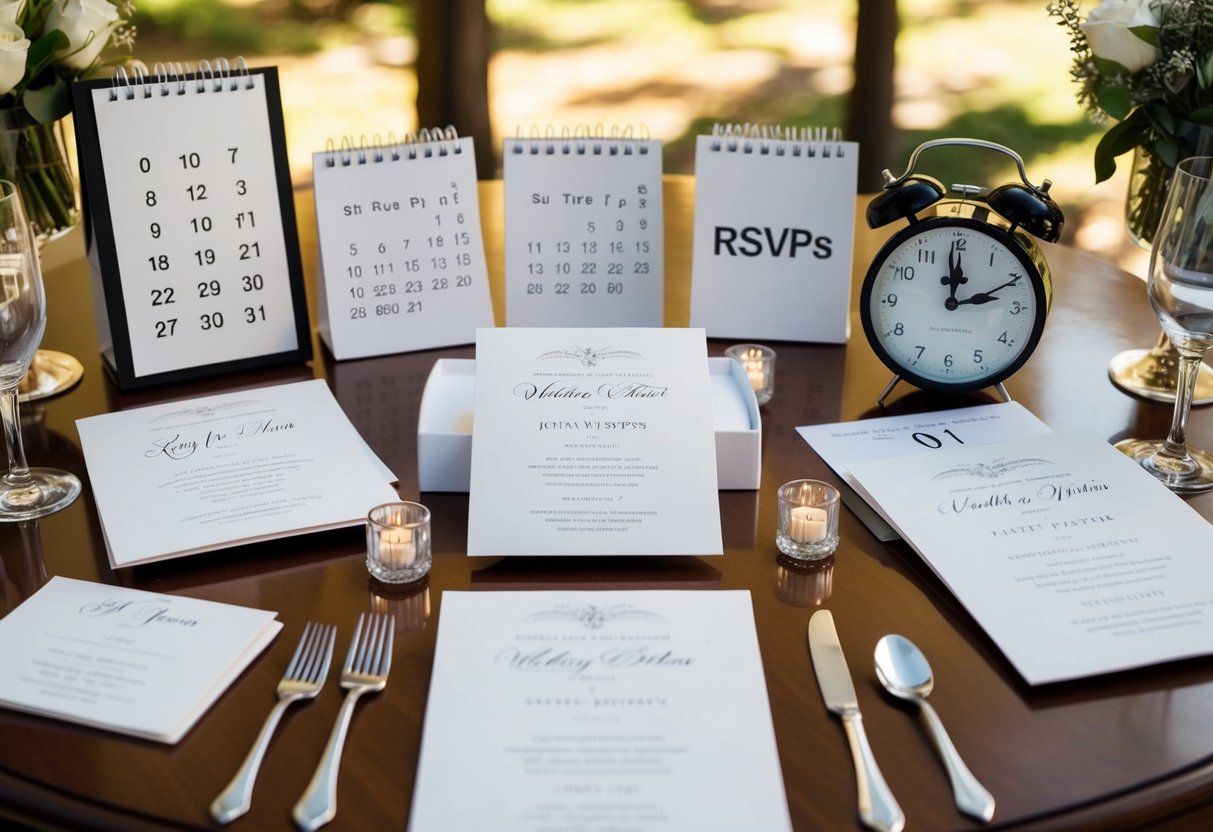
Creating beautiful wedding invitations is an exciting task. You want to ensure they reflect your style and provide all essential information to your guests. Focus on both the design and wording to make a lasting impression.
Determining the Style and Wording
First, think about the style of your wedding. Is it formal, casual, or themed? Your invitation should match the vibe. If it’s a formal wedding, opt for elegant stationery with classic fonts. For a more relaxed event, consider fun colors and playful designs.
When it comes to wording, be clear and concise. Start with the names of the couple, followed by the details of the event. Important elements include the date, time, and location. Don’t forget to add your RSVP date. This gives guests a clear deadline to respond and helps with planning.
Including Essential Information
Your wedding invitation should include all must-have details. Start with your names at the top, followed by the invitation line, like “together with their families.”
Then, write the date and time. Be specific to avoid confusion. For instance, “Saturday, the third of June, two thousand twenty-five, at three o’clock in the afternoon.”
Next, provide the venue address. If you have a wedding website for more info, add that too. Finally, include the RSVP details, such as your preferred method for replies—by mail, phone, or email. Make sure to set a clear RSVP date, usually 2-3 weeks before the wedding.
By following these tips, you’ll create invitations that are not only beautiful but also informative.
Coordinating with Vendors and Venue

When planning your wedding, it’s important to keep communication open with your venue and vendors. They rely on your final guest count to ensure everything runs smoothly. This includes aligning catering needs and making final preparations for your big day.
Communicating the Final Guest Count
Once your RSVP deadline passes, gather your final guest count. This number is crucial as it affects your seating chart, catering, and other logistical details. Make sure to share this count with your venue and vendors as soon as possible.
When you provide them with the final number, double-check for any last-minute changes. Guests may have dietary requirements or other requests that need to be relayed. Clear communication helps avoid surprises on your wedding day.
Aligning with Catering Needs
The caterer plays a key role in your wedding. After confirming the final guest count, discuss menu options and dietary requirements. Catering needs can vary significantly based on the number of guests.
It’s wise to accommodate different dietary preferences, such as vegetarian, vegan, or gluten-free options. Your caterer will appreciate having the headcount early, as this enables them to plan accordingly. Make sure to ask about any additional costs that may arise from special requests.
Final Touches for the Big Day
As the big day approaches, ensure all final details are refined. Coordinate with your venue regarding setup times and seating arrangements.
Creating a detailed seating chart will help guests find their places easily. Share the seating plan with your venue staff so they can set up efficiently. This step is essential for a smooth flow during the event, from the ceremony to the reception.
Managing Guest Logistics

When planning your wedding, managing guest logistics is key to ensuring everyone has a great experience. Thoughtful arrangements for accommodation and travel can significantly enhance your guests’ enjoyment. Special considerations for destination weddings also play a crucial role in this process.
Accommodation and Travel Arrangements
Before sending out your invites, consider making a list of nearby hotels or rental properties. Providing your guests with options increases their comfort and convenience. Include details like rates, distance from the venue, and any group discounts available.
You might also create a dedicated section on your wedding website or registry with this information. Highlight how far each option is from the wedding location and the estimated travel time. This helps guests plan their journey effectively.
Special Considerations for Destination Weddings
Planning a destination wedding requires extra details. Send out save-the-date cards well in advance. Ideally, send them six to twelve months before the wedding. This helps guests reserve flights and accommodations early.
Consider the travel logistics for your guests. Include information on the nearest airport, transportation options, and local attractions. It’s nice to provide a guide on popular sights and activities they can enjoy during their stay.
Make sure to communicate any extra requirements like a dress code or plus-one policies clearly. A detailed table plan at the venue can also help guests find their seats easily and make mingling more fun.