
How Many Bridesmaids is Too Much? Finding the Right Balance for Your Wedding
Choosing the right number of bridesmaids for your wedding day can feel like a daunting task. You might wonder how many is just right for you and your bridal party. While there is no strict rule, many believe a great number of bridesmaids falls between three to six. This allows for a supportive group without overwhelming you or making coordination too complicated.
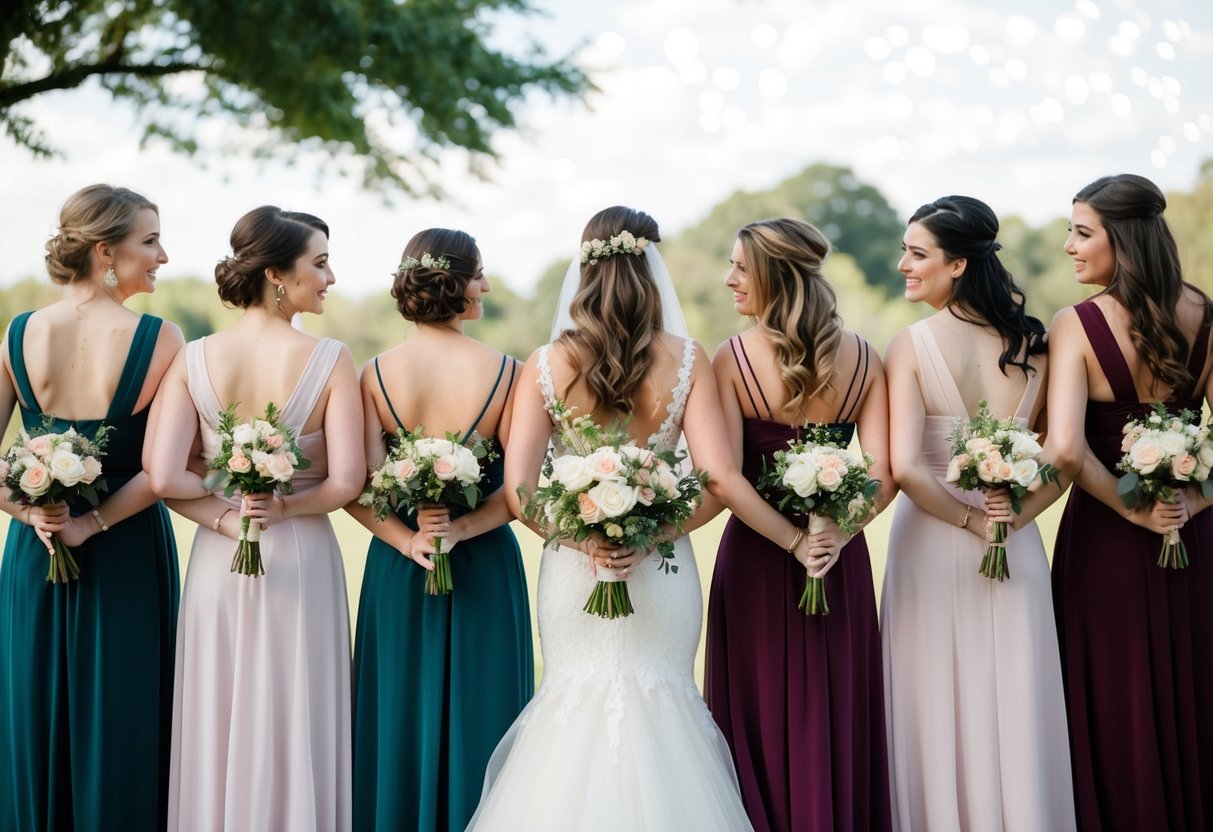
Having too many bridesmaids can lead to challenges, such as conflicting opinions on outfits or difficulty organizing pre-wedding events. It’s important to keep the focus on your special day and celebrate with people who truly matter to you. Balancing the size of your bridal party can make your planning smoother and your day more enjoyable.
Determining the Number of Bridesmaids
Choosing the right number of bridesmaids can be challenging. You want to find a balance between having a supportive group and keeping things manageable. Consider cultural expectations and your unique vision when deciding how many bridesmaids to include.
Cultural and Personal Factors
Your background can influence the number of bridesmaids you choose. In some cultures, larger bridal parties are common and reflect joy and celebration. Consider if family members expect a traditional lineup or if you prefer a more intimate group.
Personal relationships matter, too. You’ll want to include those closest to you, like family and close friends. Think about who you want by your side on that special day. Your perfect number of bridesmaids is one that feels right for you and fits your personality.
Bridal Party Size Considerations
The average number of bridesmaids is typically around three to five. Some may opt for a larger bridal party, while others might prefer just a maid of honor or no bridal party at all.
When planning, keep in mind that having too many bridesmaids can complicate schedules and decisions. More bridesmaids often mean more opinions about dresses and events. A smaller, well-chosen group might lead to a more cohesive experience.
Ultimately, choose what feels comfortable and fun for you, whether that’s a large bridal party or just a handful of your closest friends.
Roles and Responsibilities
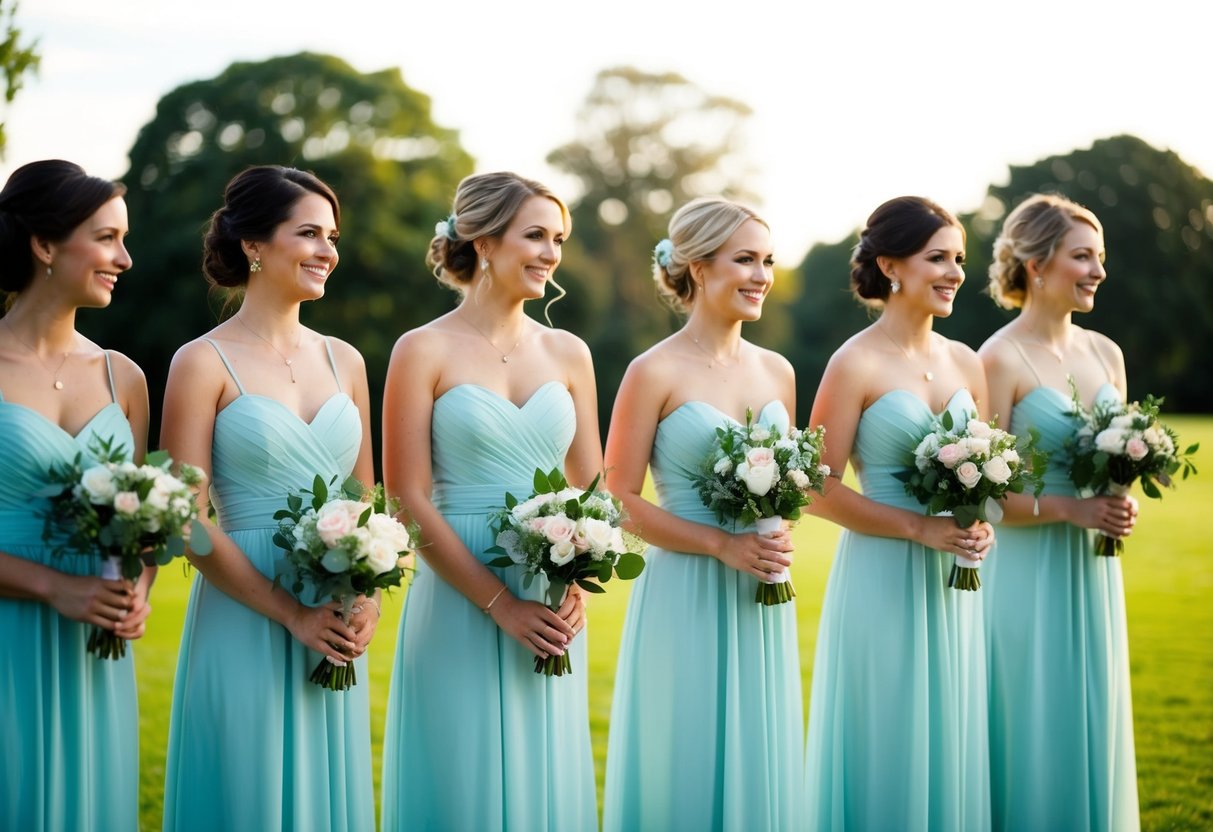
When you choose your bridesmaids, it’s essential to understand their roles and responsibilities. Each member of your bridal party plays a part in making your wedding day special. Knowing what to expect can help everyone stay organized and enjoy the journey together.
Maid of Honor Duties
Your maid of honor has a significant role in the wedding planning process. One of their primary responsibilities is to help you with pre-wedding events, like the bridal shower and bachelorette party. They act as your right-hand person, coordinating activities and ensuring everything runs smoothly.
Additionally, the maid of honor is usually in charge of managing the bridesmaids. This includes helping them find their dresses, arranging fittings, and sending reminders about events. On the wedding day, the maid of honor assists you in dressing, holds your bouquet during the ceremony, and ensures you’re comfortable throughout the day.
Don’t forget about the maid of honor’s gift! It’s thoughtful to give them something special to show your appreciation for their support and hard work.
Bridesmaid Contributions
Bridesmaids also have important roles that contribute to your big day. Their first duty is attending pre-wedding events like dress fittings, bridal showers, and the bachelorette party. This helps create lasting memories before the wedding.
Your bridesmaids will wear matching dresses, which you help choose. It’s a good idea to select a style and color that fits your wedding theme. They also offer emotional support and help with wedding planning, like organizing details or addressing invitations.
On the day of the wedding, bridesmaids assist in various ways. They might help you stay calm, organize guests, or manage any issues that arise. A small token of appreciation, like a bridesmaid gift, can go a long way in acknowledging their support.
Wedding Party Dynamics
When planning your wedding, understanding group dynamics is key. You need to think about how to coordinate your wedding party and manage relationships among bridal party members.
Coordinating the Group
Coordinating a larger wedding party can be challenging. You will want to organize schedules for fittings, events, and rehearsals. Bridesmaid dresses should complement each other to keep a harmonious look.
Consider creating a group chat or a shared calendar. This way, all your bridal party members can stay informed about important dates. Assign a few responsibilities to your groomsmen or ushers. This helps distribute tasks and eases the pressure on you.
You might also want to discuss how everyone will get to the venue and what roles they’ll play during the ceremony. Clear communication will make sure everyone feels included and valued.
Managing Relationships
Managing relationships within your wedding party is crucial. You are bringing together different friend groups, and it’s essential that everyone gets along.
Encourage open dialogue among your bridal party members. This can prevent misunderstandings. You may want to organize a casual get-together before the wedding. This gives everyone a chance to bond.
Keep in mind that some bridesmaids might feel overshadowed by others. Be sensitive to everyone’s feelings and ensure no one feels left out. This helps create a positive environment for your bride tribe.
Balancing personalities will make your wedding day much smoother and more enjoyable for everyone involved.
Planning for the Big Day
When planning your wedding, it’s essential to think about the logistics of the ceremony and how you’ll capture those beautiful memories. A well-organized wedding can help reduce stress and allow you to enjoy your special day even more.
Wedding Ceremony Logistics
Start by considering the type of ceremony you want. Is it a small, intimate gathering or a large, formal wedding? For smaller weddings, you may have more flexibility with the venue and seating arrangements. Large weddings might require careful planning for guest flow and seating charts.
Make sure to communicate with your bridal party, especially if you have a larger group. Assign roles to keep things organized, from who walks down the aisle to when they’ll help you get ready. Set timelines for key moments, such as the processional and recessional, to keep everything on track and ensure guests know what to expect.
Photography and Memories
Photography is crucial for capturing the magic of your wedding day. Consider hiring a professional photographer who understands your vision. This applies whether you’re having a small or large wedding.
Discuss key moments you want to be captured. These include candid shots, formal portraits, and details like decor.
When planning your wedding photos, think about timing and locations. For example, if you have a large bridal party, make sure to allocate extra time for group shots.
Choose beautiful backdrops to enhance your wedding photos. Aim for natural light, especially during the golden hour for those stunning outdoor shots. Your wedding photos will be cherished memories for years to come!