
How Many Cakes Should You Have at a Wedding? Tips for the Perfect Sweet Treat Selection
Choosing the right amount of cake for your wedding can feel overwhelming, but it doesn’t have to be. A good rule of thumb is to have one slice of wedding cake per guest, plus some extra for those who might want seconds. This means if you have 100 guests, you should plan for at least 100 slices of cake.
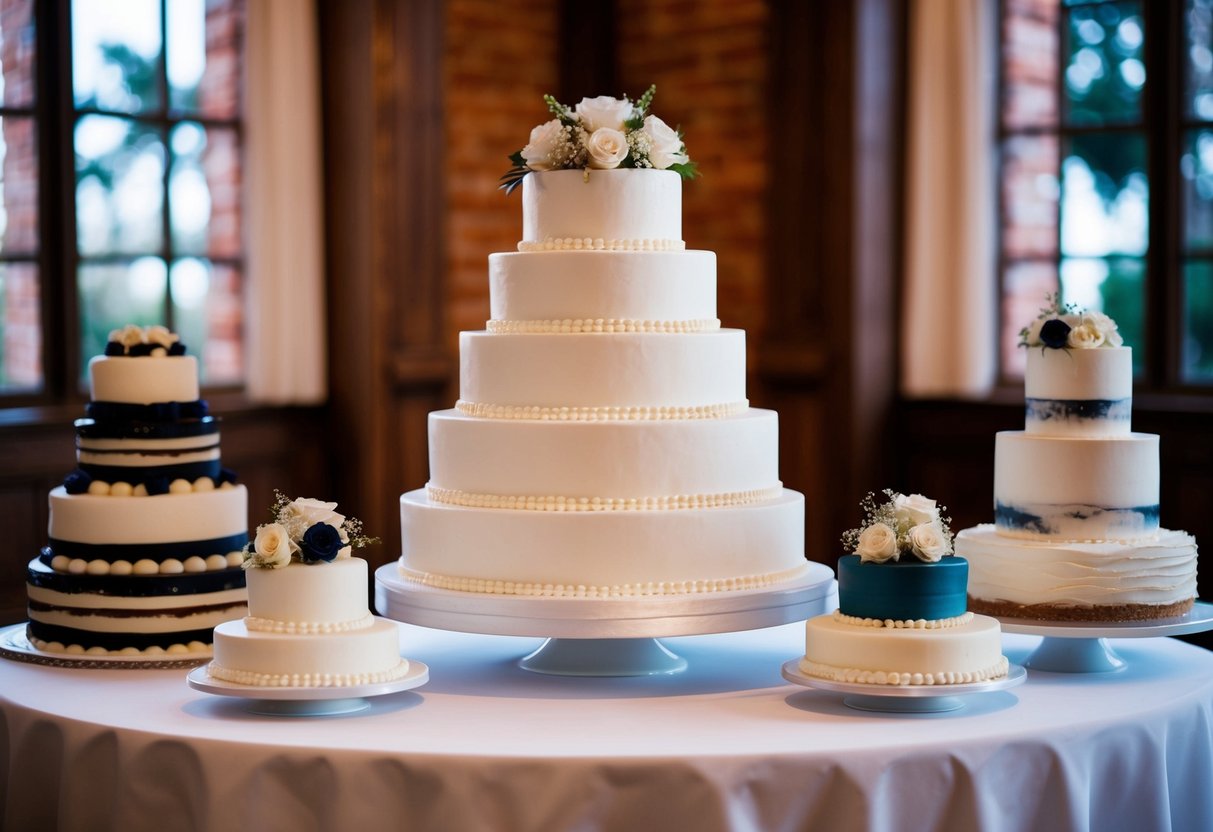
You may also want to consider a groom’s cake, which is often smaller and can serve half the number of guests. This adds a special touch and gives your guests a little variety. Remember, if you expect some guests to decline cake, you may be able to order a bit less than your total guest count.
Determining the Right Size
When planning your wedding cake, it’s essential to consider a few key factors. These include your total guest count, the serving sizes you prefer, and different cake sizes and shapes available. Understanding these elements can help you choose the perfect cake for your special day.
Understanding Guest Count and Serving Size
Start by knowing the number of guests you expect. A good rule of thumb is to plan for one serving per guest. If you think some might want seconds, consider estimating for about 80% of your total guest count. For example, if you invite 100 guests, you can plan for around 80 servings.
Standard wedding cake slices are usually 1-inch by 2-inches. If you prefer larger portions, opt for 1.5 inches by 2 inches. Keep in mind that the size of your wedding cake will directly impact how many servings you can provide, so it’s important to know your guest count to make accurate decisions.
Different Cake Sizes and Shapes
Cakes come in various sizes and shapes, each offering a different number of servings. A traditional round cake and a tiered cake are popular options. For instance:
- 6-inch round cake: about 12 servings
- 8-inch round cake: about 20 servings
- 10-inch round cake: about 30 servings
You might also consider sheet cakes, which are great for larger gatherings. A full sheet cake can serve around 96 guests. Mixing cake shapes can add visual interest and provide variety for your guests.
The 80 Percent Rule
The 80 percent rule is a helpful guideline when planning cake servings. This rule suggests you should prepare enough cake to serve about 80% of your guests. This way, you accommodate those who will want a second slice while avoiding unnecessary leftovers.
When determining your cake size using this rule, remember it can apply to various shapes. Whether you choose a round, tiered, or sheet cake, calculating based on this advice can simplify your decision. Also, discuss your ideas with your baker, as they can provide insight into how different sizes fit your needs.
Selecting Your Wedding Cake Style
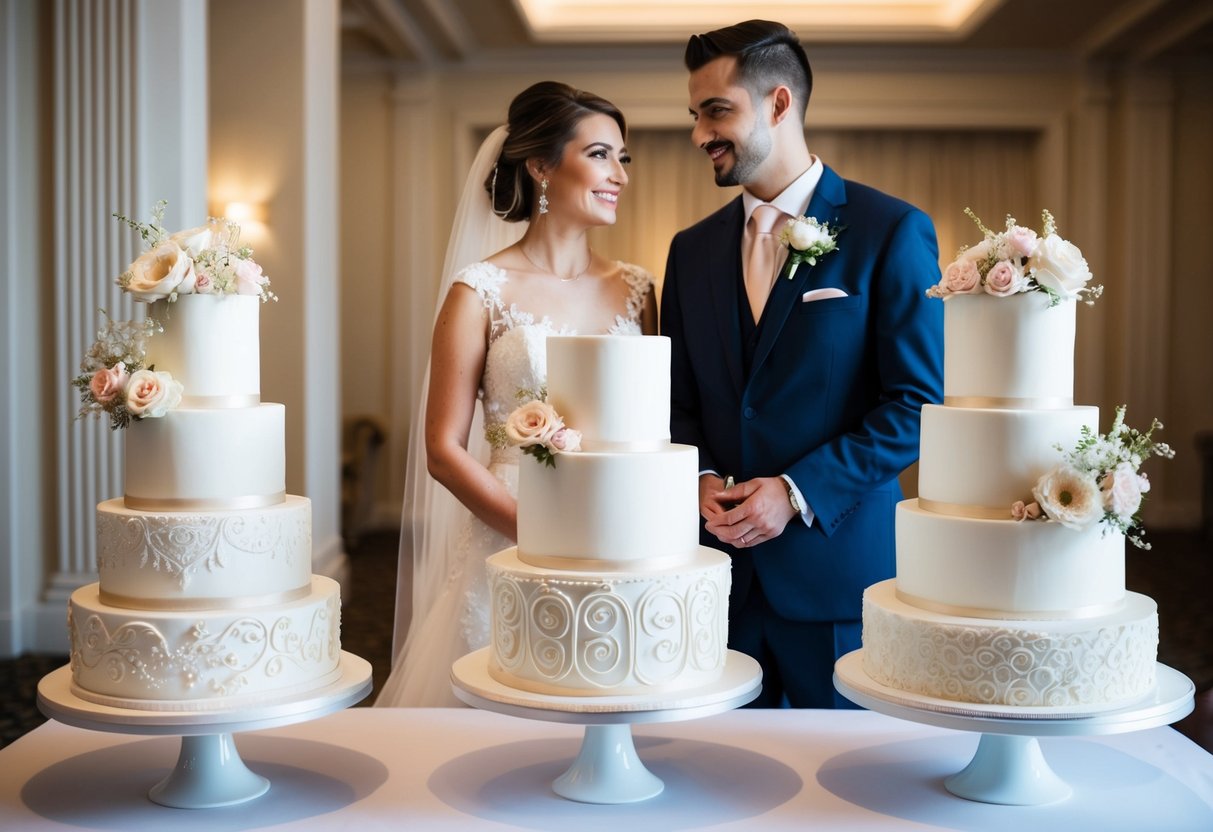
Choosing your wedding cake style involves considering the type of cake, its decoration, and any special ingredients. These factors help create a cake that reflects your taste and meets the needs of your guests.
Tiered vs. Sheet Cakes
When deciding between a tiered cake and a sheet cake, consider your guest count and presentation. Tiered cakes often have multiple levels, which not only look stunning but also offer a variety of flavors in each layer. They can be decorated with elegant designs, such as sugar flowers and fondant designs, making them perfect for a formal wedding.
On the other hand, sheet cakes are larger, flatter cakes that are easier to cut and serve. They can be designed to match your wedding theme but may not have as much visual impact as tiered cakes. For many couples, a mix of both works well. You can use a tiered cake for display while having sheet cakes to serve the majority of guests.
Decorative Elements
The decoration of your cake plays a huge role in its style. You might want to consider adding special touches like a personalized cake topper that reflects your story as a couple. This could be anything from elegant initials to fun figures that represent your interests.
When it comes to sugar flowers, they can enhance your cake’s beauty and match your floral arrangements. If you prefer a sleek look, consider fondant designs. Fondant can create a smooth finish and allows for intricate decorations. Think about colors and textures that fit your wedding theme and personal style.
Specialty Ingredients and Dietary Restrictions
Don’t forget to think about specialty ingredients and any dietary restrictions your guests may have. Many bakers now offer gluten-free, dairy-free, or vegan options. These choices are important for ensuring all your guests can enjoy the cake.
If you have specific flavors in mind, communicate with your baker about including specialty ingredients. Unique flavors like lemon, red velvet, or nut-based options can add a personal touch. Remember to ask about substitution options for dietary needs without compromising the taste.
Wedding Cake Logistics
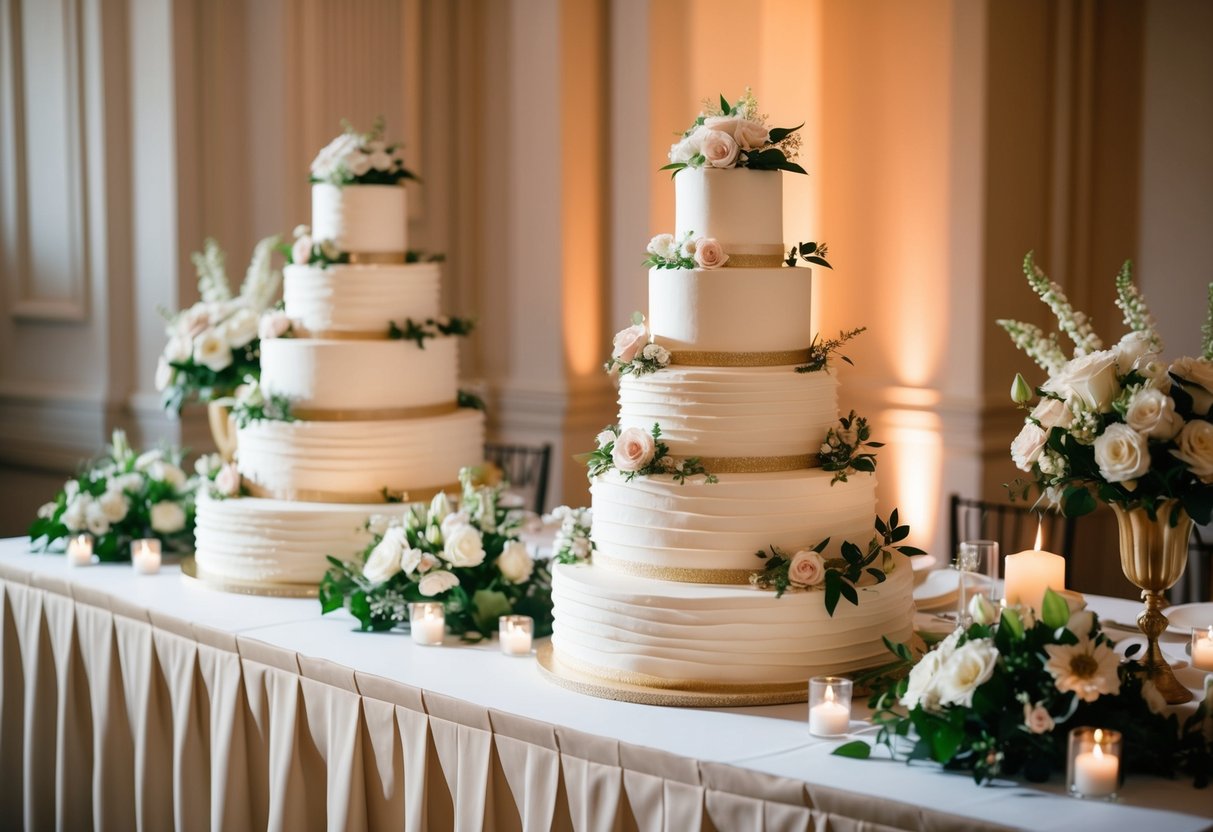
Planning the logistics of your wedding cake is essential for a smooth celebration. You need to consider how to order the cake, set up a self-serve station, and what to do with the top tier after the wedding. Each of these points plays a crucial role in ensuring your cake sets the right tone for your big day.
Ordering Your Wedding Cake
When ordering your wedding cake, it’s helpful to start with a wedding cake calculator. This tool can help you determine the right amount of cake based on your guest count. For example, you typically want one slice of the main cake per guest and possibly a half slice of a groom’s cake.
Choose a cake baker who understands your vision. Schedule a tasting session to explore flavors and designs. Consider how many tiers you want, as this affects how many servings you’ll have. A standard tier can serve around 12-20 people. Make sure to confirm your order well in advance. This ensures the baker has enough time to prepare your cake.
Setting Up a Self-Serve Cake Station
Creating a self-serve cake station can add a fun and interactive touch to your wedding. A designated table or area allows guests to help themselves. This setup can ease the workload of your serving staff.
Make sure to provide clear instructions on how the station works. You can include labels for different cake flavors and any special dietary options. Having tools like cake cutters, plates, and napkins readily available is essential. This will help the process go smoothly and keep your guests happy.
Saving the Top Tier
Traditionally, many couples choose to save the top tier of their wedding cake for their first anniversary. This is a sweet way to revisit your special day. To ensure it stays fresh, wrap it in plastic wrap and place it in an airtight container.
Discuss this option with your cake baker. They can provide guidance on the best way to preserve it. Some may even offer a smaller cake for your anniversary, matching the design of the original. Make a plan for transporting it home after the wedding to keep it safe.
Cost and Budgeting for Your Wedding Cake
Planning your wedding cake involves understanding costs and exploring alternative options. Knowing how much cakes typically cost and what other desserts you can include will help you stay within your budget.
Understanding Wedding Cake Costs
Wedding cake costs can vary widely. Generally, cakes are priced per slice, ranging from $3 to $8 each. More intricate designs or specialty ingredients can increase costs to $10 per slice or more.
For example, if you have 150 guests and choose a cake at $5 per slice, your total will be $750.
Consider how many slices you need based on your guest count. If everyone gets a slice and you want some extras for serving later, you might need more. It’s also wise to carve out a portion of your budget for cake decorations, flavors, and delivery fees. Remember to account for any hidden costs.
Alternatives to Traditional Cakes
If a traditional wedding cake feels out of reach, consider other dessert options. A dessert table or dessert buffet can offer a delightful variety.
Think about including cookies, pies, or even mini cakes.
A fake cake is another popular choice. You can have a decorative cake for cutting photos, while serving sheet cakes in the kitchen. This way, you can keep costs down while still having a beautiful centerpiece.
Explore options that suit your style and budget, ensuring you bring sweet joy to your guests without overspending.