
How Many Colors Should Be in a Wedding Palette? A Guide to Choosing the Perfect Scheme
Choosing the right colors for your wedding can be both exciting and a bit overwhelming. You want your special day to look stunning and reflect your personality. A wedding color palette should ideally include three to five main colors to create a beautiful and cohesive look. This balance helps avoid confusion and ensures that your guests focus on the joy of your celebration.
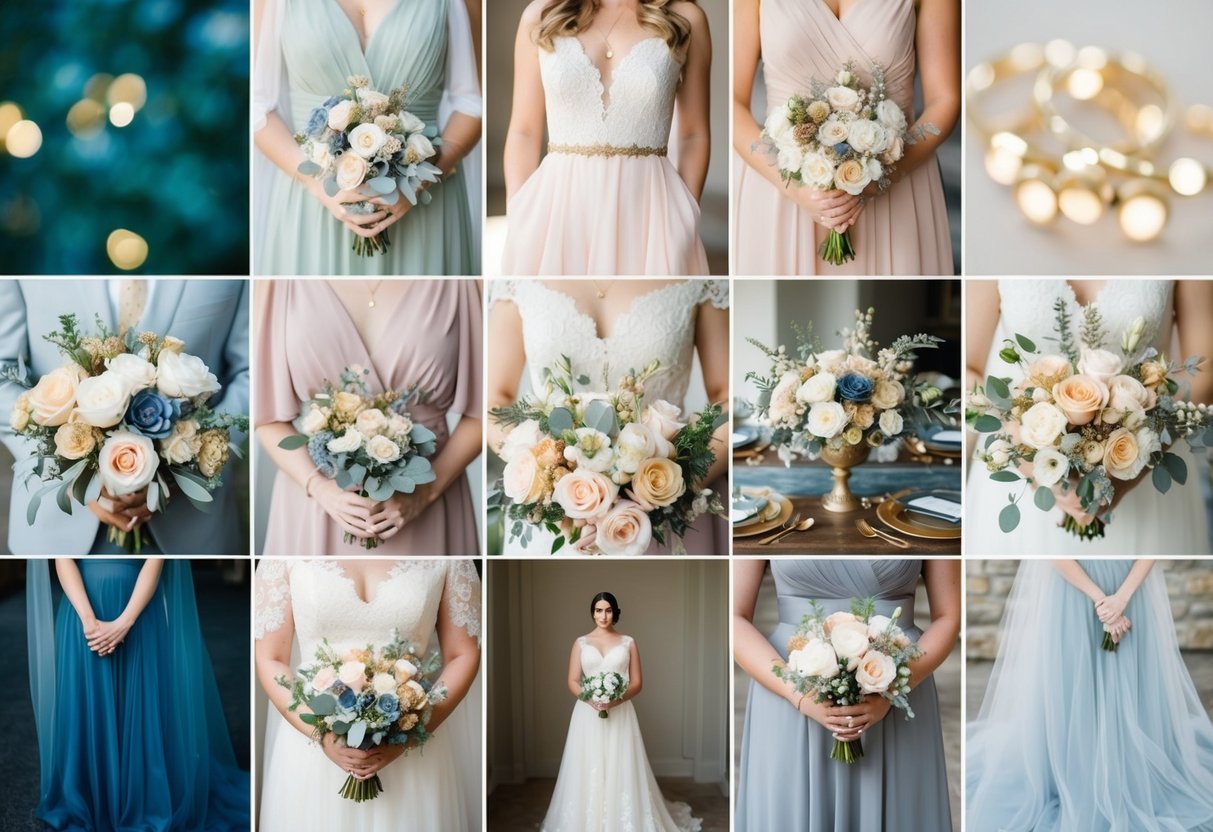
Having too many colors can make things look chaotic, while too few might feel bland. By sticking to a thoughtful selection, you allow each color to shine. Consider how these colors will play into everything from your invitations to your floral arrangements, creating a unified theme for your big day.
As you dream about your wedding details, take the time to explore different color combinations. Finding harmony in your palette can enhance the overall feel of your celebration.
Let’s dive deeper into how to select the perfect colors for your wedding!
Understanding Color Palettes
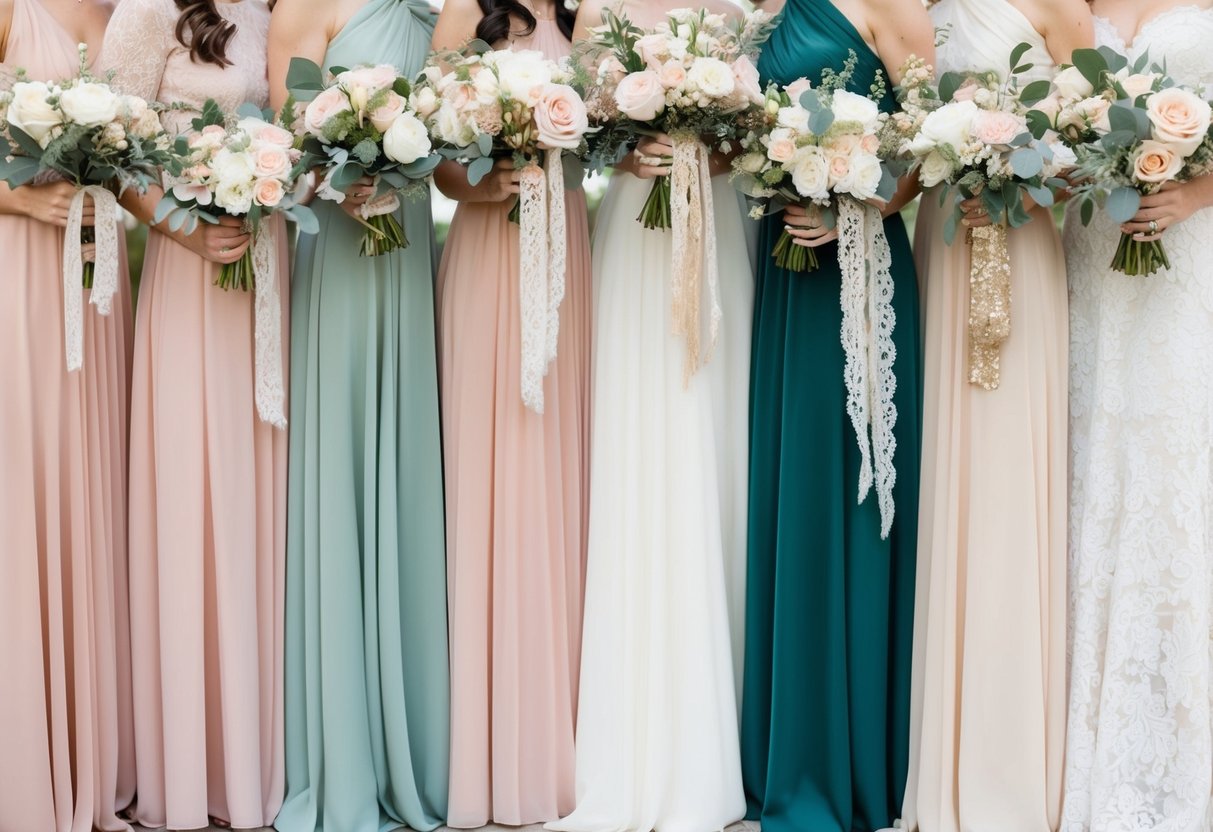
Choosing a wedding color palette is an important and fun step in your planning process. A good palette can set the mood for your special day.
Start by selecting a base color. This is usually a stronger shade that will define your theme. Think about primary colors like red, blue, or yellow, as they are bold and easy to work with.
Next, add accent colors. These should complement your base color. A good mix might include soft pastels or deeper shades. For example, if your base color is navy blue, you can add gold or blush as accent colors.
Using a color wheel can be really helpful here. It shows how colors can work together. Look for combinations that feel right to you.
Here’s a simple guide for your palette:
- Primary Color: The main color you want.
- Secondary Colors: Two or more shades that enhance your primary color.
- Accent Colors: A few colors that create pops of color.
Aim for about 3 to 5 colors in total. Adding too many can make everything feel chaotic. Balance is key!
Using colors that reflect your personality can also make your wedding feel unique. Whether you prefer serene pastels or vibrant tones, the right color scheme will help express your style beautifully.
Choosing Colors Based on Wedding Elements
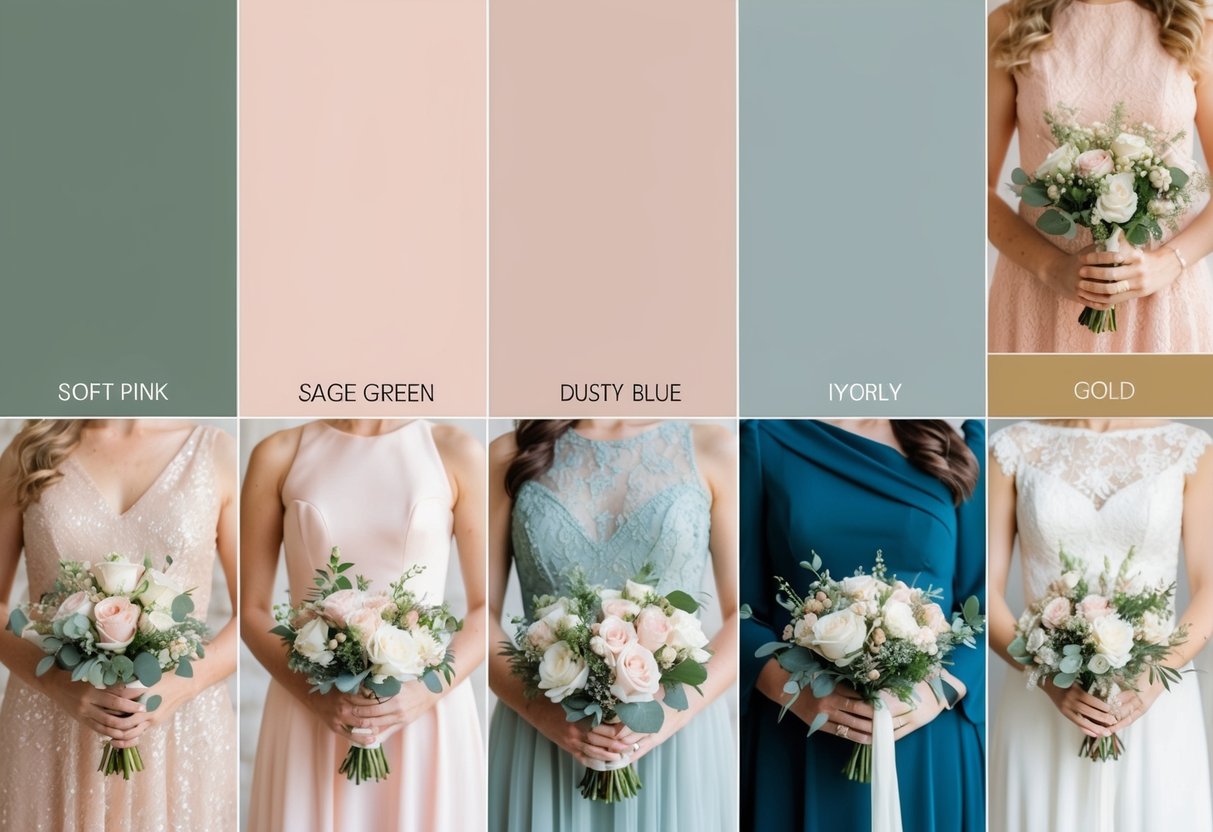
When selecting your wedding colors, consider how various elements of your wedding can influence your choices. By focusing on personal style, decor, seasonality, and the outfits of your wedding party, you can create a beautiful and cohesive palette that embodies your vision.
Incorporating Personal Style and Wedding Theme
Your personal style is key to choosing the right wedding colors. Think about your favorite colors and what resonates with you.
Are you drawn to bright and bold shades or more muted tones?
Consider how these colors reflect your wedding theme. For example, a vintage wedding might pair beautifully with soft pastels, while a modern wedding can shine with vibrant hues.
Creating a color palette that feels authentic to you will make your wedding feel more personal and special.
Decor and Floral Arrangements Influence
The decor and floral arrangements play a huge role in your color choices. The colors of your flowers can set the tone for your entire wedding.
If you choose a specific flower, like peonies or sunflowers, pull colors directly from them to create harmony.
Additionally, consider the linen colors, table settings, and any backdrops.
Using complementary colors can enhance the overall aesthetic. For example, if your flowers are bright, consider neutral linens to balance the brightness and let the flowers stand out.
Seasonality and Venue Considerations
The season in which you plan to marry can greatly influence your color choices.
For a summer wedding, you might select bright and cheerful colors like coral or teal, while winter often calls for deeper shades like burgundy or navy.
Additionally, think about your venue. An outdoor setting with lush greenery can allow for softer colors to contrast beautifully with nature.
In contrast, an indoor venue might lend itself to bolder hues that stand out against your surroundings.
Matching Colors With Wedding Party Outfits
Coordinating your wedding colors with your wedding party outfits is crucial. This ensures that everyone looks cohesive on your special day.
When selecting outfits, think about your chosen palette. For instance, if your color scheme includes blush and navy, consider having bridesmaids in blush dresses with navy accessories.
This creates visual interest while keeping your theme intact.
Also, pay attention to how colors complement different skin tones.
Choosing shades that flatter everyone will help your wedding party feel comfortable and confident.
Creating Harmony with Color Schemes
Choosing the right color scheme for your wedding is all about creating harmony. The right colors can enhance the theme and ambiance, making your special day feel cohesive and inviting. Let’s explore how complementary, analogous, monochromatic, and pastel themes can work together to achieve a stunning look.
The Role of Complementary Colors
Complementary colors sit opposite each other on the color wheel. These colors create a striking contrast that can make your wedding palette pop. For instance, pairing a vibrant blue with a warm orange can energize your theme.
When choosing complementary colors, think about balance. If one color is bright, consider a softer shade for the other. This helps avoid overwhelming guests with too much intensity. Consider using accents like flowers or linens in complementary shades to tie everything together beautifully.
Exploring Color Harmony with Analogous Shades
Analogous colors are next to each other on the color wheel. This creates a serene and harmonious vibe, perfect for a romantic wedding. For example, using shades of pink, peach, and rose can create a soft, elegant look.
Using analogous colors allows you to play with different shades and tints while maintaining a unified appearance. You can incorporate these colors in various details, like bridesmaid dresses, floral arrangements, and decorations. The subtle transitions between these colors create visual interest without being jarring.
The Impact of Monochromatic and Pastel Themes
Monochromatic themes focus on one color in different shades and tones. Meanwhile, pastel wedding palettes use soft, light variations of colors. This approach can create an elegant and timeless look.
For example, if you choose a pastel theme, light pinks, blues, and greens can evoke a fresh, airy atmosphere. Conversely, a monochromatic scheme in shades of white or cream can deliver sophistication and simplicity. Both styles allow you to highlight textures and shapes through variations in hue, enhancing the overall aesthetic of your wedding.