
How Many Days Do You Need for a Destination Wedding? Tips for Planning an Unforgettable Celebration
Planning a destination wedding can be exciting, but it also brings questions about how long you should stay. Most couples usually plan for two to three days at their chosen location. This gives them enough time for travel, wedding events, and a bit of relaxation in the beautiful surroundings.
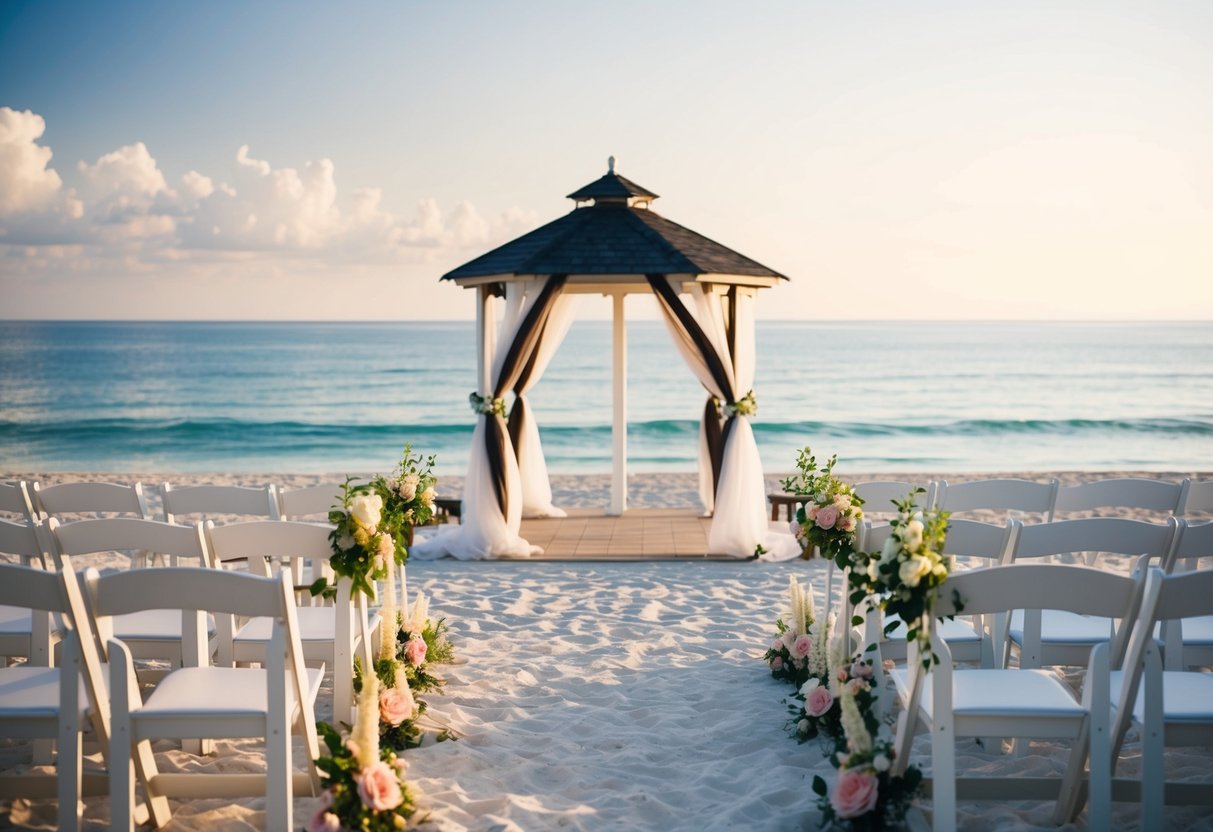
Choosing the right duration depends on your wedding party size and the activities you want to have. If you have a smaller group, a couple of days might be perfect to keep things simple. However, if you want to add extra events or excursions, you might consider extending your stay.
As you plan, think about what you want from your destination wedding experience. Understanding how many days you need can help make your big day unforgettable.
Deciding on the Wedding Date
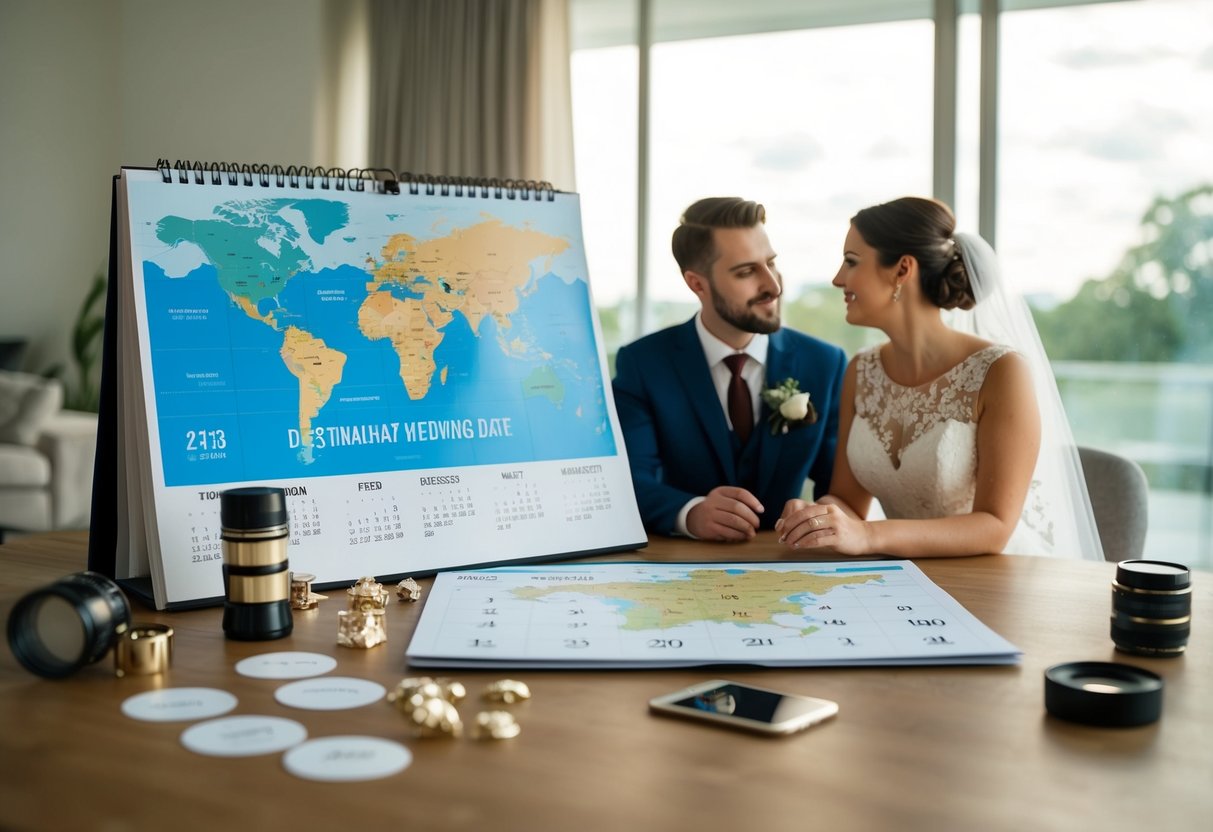
Choosing the right date for your destination wedding is crucial. Various factors will influence your decision, from the location’s seasonal weather to your guests’ availability. Understanding these elements will help you plan effectively.
Seasonal Considerations for Destination Wedding
When picking a date, think about the weather in your chosen location. For example, tropical areas can be hot and humid in summer, while winter might bring milder temperatures.
Consider the peak season, which usually means higher prices and more crowded places. If you’re looking for a budget-friendly option, you might want to consider the off-peak months.
Also, research local events or holidays. Some dates can be quite busy due to festivals, which may affect accommodations and services. Make a list of your preferred seasons to help narrow down the best times for your wedding.
Planning Timeline for Your Wedding Day
Start planning your wedding at least 12 to 18 months in advance. This timeline allows you to secure the venue and vendors.
First, choose your wedding date, then block rooms for your guests. It’s important to give them enough time to arrange travel. Consider sending out your save-the-date cards early.
Next, create a destination wedding checklist to keep everything organized. This should include tasks like hiring a planner and booking transportation.
Tip: Set reminders for yourself as the date approaches. Stay flexible to adjust your plans if needed. Communication with your guests is key to ensuring they can make it on your special day.
Choosing the Perfect Wedding Destination
Selecting the right wedding location is one of the most important decisions you’ll make. You want a spot that matches your vision while being convenient for you and your guests. Consider what kind of atmosphere, activities, and local laws will best suit your wedding.
Evaluating Wedding Locations
When thinking about your destination wedding, start by listing potential locations. A beach wedding in Mexico, for example, offers beautiful scenery and a relaxed vibe. Look for places that resonate with your personalities and interests.
Think about factors like accessibility for your guests and the activities available nearby. Consider weather conditions during your wedding date. Research local accommodations and options for your wedding venue too.
Use resources to compare different locations. Websites like travel forums or wedding blogs can give you detailed insights and real experiences from other couples.
Considering a Site Visit
Before finalizing your wedding location, plan a site visit. This visit is crucial for seeing the venue firsthand and getting a feel for the area. You can explore potential sites, take photos, and meet vendors.
During the visit, evaluate the local infrastructure. Is transport easy for your guests? Check accommodations and activities too. If you’re island hopping in Mexico, knowing how to get around is vital for everyone’s comfort.
Make a checklist of what to look for during your site visit. This helps ensure you don’t miss any important details, like the beach’s accessibility or venue capacity.
Understanding Local Marriage Laws
Each destination has its own local marriage requirements. It’s essential to research these laws as they can vary significantly. In Mexico, for instance, you might need specific documents for a legal wedding.
Check if you need to have a legal ceremony in your home city before the destination event. Gather important paperwork like birth certificates and identification well in advance to avoid any last-minute issues.
Contact local authorities or wedding planners who specialize in destination weddings. They can help clarify local regulations, ensuring you comply with everything needed for your special day.
Essentials of Destination Wedding Planning
Planning a destination wedding can be a fun and memorable experience. You’ll want to focus on key areas to ensure everything goes smoothly, from creating a checklist to finding the right accommodations for your guests.
Building Your Wedding Checklist and Budget
Start by developing a comprehensive wedding checklist. This will be your roadmap to a successful event, helping you track tasks for 12-24 months in advance. Break down tasks by timeframes, such as booking your venue and finalizing guest lists.
Next, set your wedding budget. Consider all aspects, including travel expenses, venue fees, and accommodations. An effective budget allows you to prioritize what matters most, whether it’s a lavish wedding dress or unique decorations. Create categories and keep a detailed spreadsheet to track expenses as you go along.
Finding the Right Wedding Planner
A good wedding planner can make a big difference. Look for someone experienced in destination weddings, as they understand specific challenges. They can help you find the best wedding package that fits your needs, such as venues that offer all-inclusive services.
Ask potential planners about their previous work and ask for references. This will give you insight into their communication skills and creativity. You want a planner who will listen to your ideas and help bring your vision to life while also managing logistics and timelines.
Selecting the Best Accommodation for Guests
Choosing where your guests will stay is critical. Look for accommodations that offer group deals or a wedding room block to keep everyone together. Many resorts provide discounted rates, so ask about these options.
Consider the distance from your wedding venue. You want your guests to feel comfortable and have easy access. If you choose an all-inclusive resort, your guests can enjoy meals and activities, making their stay more enjoyable. Be sure to communicate accommodation details and options to your guests early on.
Curating Your Wedding Theme and Attire
Your wedding theme sets the stage for your special day. Think about colors, flowers, and decorations that reflect your personality. Whether you choose a beach, garden, or elegant theme, ensure it fits the location.
Don’t forget about your wedding attire. The right wedding dress or suit should complement your theme and the climate. Choose fabrics that are breathable for hot weather or stylish layers for cooler evenings. It’s a good idea to try on your attire at the destination or similar conditions to ensure comfort throughout your big day.
Communicating with Guests and Finalizing Details
Clear communication with your guests is essential for a smooth destination wedding. You need to provide all necessary information about the location, schedule, and any special activities. This ensures your guests feel welcomed and informed throughout the process.
Creating a Wedding Website and Invitations
A wedding website can be a great tool for sharing details about your destination wedding. Include information like travel arrangements, venue details, and a schedule of events. You can also add an FAQ section to answer common questions.
Send out wedding invitations and save the dates well in advance, ideally 8-12 months before the event. This gives your guests plenty of time to plan their travel. Make sure your invitations are clear and include RSVP details to keep track of your guest list.
Planning Guest Activities and Experience
Consider your guests’ experience while planning your wedding. Creating a fun itinerary can help guests enjoy their time, especially if the location is new to them. You might plan group activities, like a rehearsal dinner or a welcome party, to break the ice.
Don’t forget to provide welcome bags upon arrival. Include essentials like snacks, maps, and local tips to make their stay enjoyable. Personal touches enhance the guest experience and make them feel valued throughout the celebration.
The Honeymoon: Transitioning from Wedding to Getaway
After your wedding, some guests may extend their stay to enjoy the destination. You can provide them with ideas for local attractions they can explore. Share suggested activities or restaurants that will make their trip memorable.
If you’re planning your honeymoon right after the wedding, highlight this in your communication. This can generate excitement and help guests understand your schedule. Make sure to include any special plans or tips for them to consider during their stay.