
How Many Dishes Do You Serve at a Wedding? Tips for a Memorable Dining Experience
Deciding how many dishes to serve at your wedding can feel overwhelming, but it doesn’t have to be. A good rule of thumb is to include two to three appetizers, one salad, two to three side dishes, and one main entrée per guest. This balance allows everyone to enjoy a well-rounded meal without feeling overstuffed.
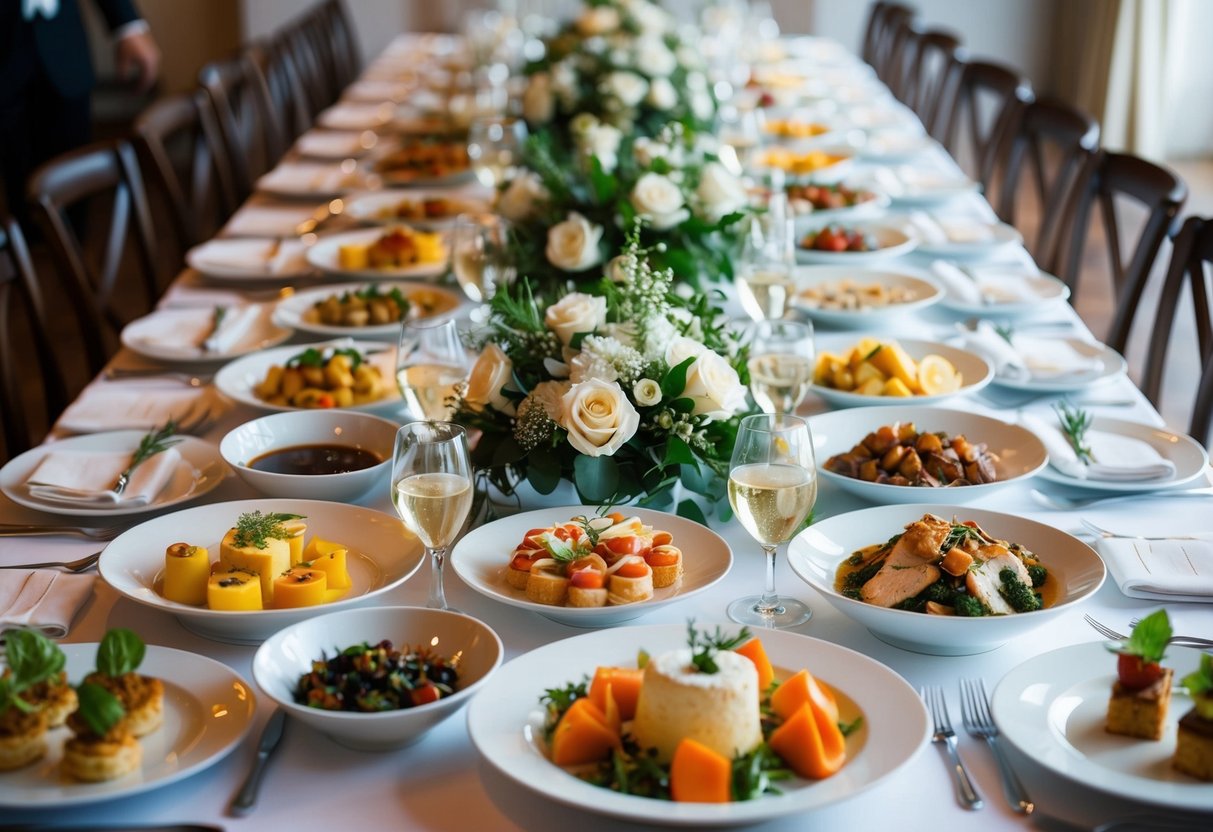
Your wedding reception is a chance to celebrate with loved ones and share delicious food together. It’s important to consider your guests’ preferences and dietary restrictions when planning your wedding menu. With the right mix of dishes, you’ll create a memorable dining experience that complements the joy of your special day.
As you plan your wedding, keep in mind that offering a variety of dishes can cater to different tastes while adding excitement to the meal. By understanding portion sizes and the right number of dishes, you can ensure that your guests leave satisfied and happy.
Understanding Your Guest Count and Reception Style
When planning your wedding, knowing your guest count and choosing the right reception style are key. These decisions will guide you in selecting the number of dishes and serving options for your special day.
Determining the Number of Guests
Start by creating a guest list. This list will help you understand how many people you’ll be serving. Generally, couples aim for around 100-150 guests, but it can vary based on your budget and venue size.
Once you have a list, consider sending out invitations early. This helps you get a clear headcount, allowing you to plan better. For each guest, you should plan for at least one dish. It’s also helpful to have a few extra portions to accommodate last-minute additions or changes.
Choosing the Reception Meal Service
The style of your reception meal greatly influences how many dishes you should serve. If you opt for a buffet-style reception, you might provide 3-5 main dishes, including a vegetarian option. This allows guests to choose what they like.
For a plated meal, typically serve 2-3 courses: an appetizer, main dish, and dessert. You might also offer a cocktail reception with appetizers where it’s good to prepare 6-8 different finger foods. The simpler the service, the easier it is to manage the number of dishes.
Incorporating Dietary Restrictions and Preferences
Don’t forget about your guests’ dietary needs. It’s essential to ask about food allergies and preferences on your RSVP. This way, you can provide suitable options.
Aim to include at least one vegetarian dish. If there are specific allergies, make sure to mark or avoid those items on your menu. Offering a variety of dishes will ensure everyone feels included, enhancing their enjoyment of your wedding. Consider a menu that allows for customization, like a build-your-own salad bar or a taco station.
Planning Your Wedding Menu
Creating your wedding menu is a fun and important task. It should reflect your tastes and the overall vibe of your celebration. Think about the types of dishes that will make your guests happy and keep everyone satisfied.
Selecting Appetizers and Finger Foods
Start with appetizers and finger foods to kick off the celebration. These dishes should be easy to eat while guests mingle. Consider a mix of warm and cold options.
You might serve items like mini quiches, stuffed mushrooms, and spring rolls. Aim for about 4-6 pieces of appetizers per guest for a cocktail hour. Offering a variety ensures there is something for everyone.
Think about dietary restrictions as well. Provide some vegetarian or gluten-free choices to accommodate all your guests. This will help set the tone for the rest of the meal!
Choosing Entrees for a Diverse Palate
Next, you will want to choose entrees that cater to varied tastes. Popular options include plated entrées or buffet entrées. A mix can be a fun way to please guests.
For a plated option, you might choose herb-crusted chicken, seared salmon, or a veggie risotto. On the buffet, consider adding different proteins and vegetarian dishes so everyone finds something they love.
Offering two or three choices allows guests to pick what they most enjoy. A good rule is to have about 30% of the entrees as vegetarian. Don’t forget to share the details of each dish, so guests know what’s what!
Adding Side Dishes and Salads to Complement
Side dishes and salads add flavor and texture to your meal. These can be simple or a bit more elaborate. Think about what pairs well with your chosen entrees.
Consider seasonal vegetables, rice pilaf, or mashed potatoes. Salads like Caesar or mixed greens provide a refreshing crunch. Aim for one salad and two or three side dishes to round out your menu.
You might also want to think about presentation. Beautifully arranged sides can add to the overall visual appeal of your meal. Guests love to see variety on their plates!
Deciding on the Wedding Cake and Desserts
The wedding cake is often the centerpiece of the dessert table. Choose a flavor that you love, whether it’s classic vanilla or something more adventurous like red velvet.
You might also consider having a dessert table with mini sweets. Options like macarons, cheesecakes, and chocolate-dipped strawberries can be crowd favorites. It’s nice to have a mix of flavors.
Make sure to account for how many slices of cake you need. Plan for at least one slice for each guest, with extras to ensure everyone gets a taste. Providing a variety of desserts can make this sweet moment even more enjoyable!
Budgeting for Your Wedding Catering
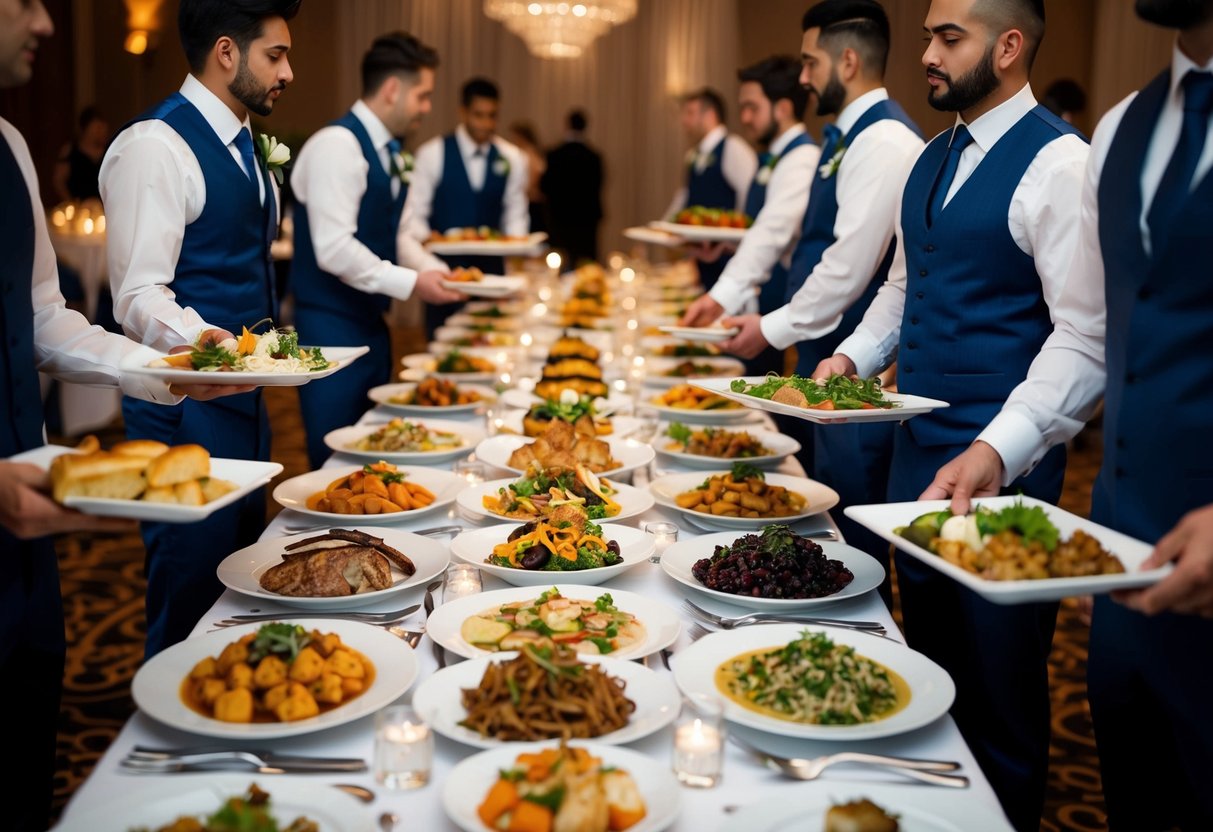
When planning your wedding catering, it’s essential to focus on your food expenses while being mindful of waste. By understanding how to calculate your costs, minimize food waste, and handle leftovers effectively, you can make the most of your catering budget while keeping your guests satisfied.
Calculating Food Expenses
Start by determining your guest count, as this directly impacts your food expenses. A common rule is to budget for about one pound of food per person for a buffet. This includes appetizers, main courses, and desserts.
Next, decide on the type of meal service you want. A seated dinner often requires more planning than a buffet but can create a nice atmosphere. For example, if you choose a grazing table or charcuterie display, it can be more visually appealing while providing a variety of options.
Be sure to include a 15-20% gratuity in your final budget for catering staff. This helps ensure a great experience for you and your guests.
Minimizing Food Waste
Minimizing food waste will save you money and create a more eco-friendly event. Consider the one-pound rule when planning portions. This means estimating each guest will eat about one pound of food, allowing for a more accurate amount to prepare.
Discuss your catering options with your vendor. They can guide you on portion sizes and what types of dishes generally go over well. Offering a selection of popular dishes will help ensure there’s enough for everyone without excess waste.
You can also choose seasonal ingredients. They are often cheaper and reduce transportation, contributing to lower food waste.
Handling Leftovers Strategically
Plan ahead for leftovers to avoid waste. You can arrange with your caterer to pack up any extra food after the event. Many caterers will provide take-home containers for guests to enjoy later.
Another option is donating leftovers to local shelters or food banks. This is a wonderful way to give back to your community while also reducing waste.
If you have a unique dessert, such as a wedding cake, consider including a plan for how to store and serve leftovers. Rather than keeping it all, a smaller cake can be paired with a sheet pan cake to serve more guests effectively.