
How Many Dishes Should You Have at a Wedding? A Guide to Perfect Menu Planning
Deciding how many dishes to serve at your wedding can feel overwhelming, especially with so many details to consider. A good rule of thumb is to plan for about three courses per guest, which includes an appetizer, a main dish, and dessert. This helps ensure that everyone leaves satisfied without overcomplicating your menu choices.
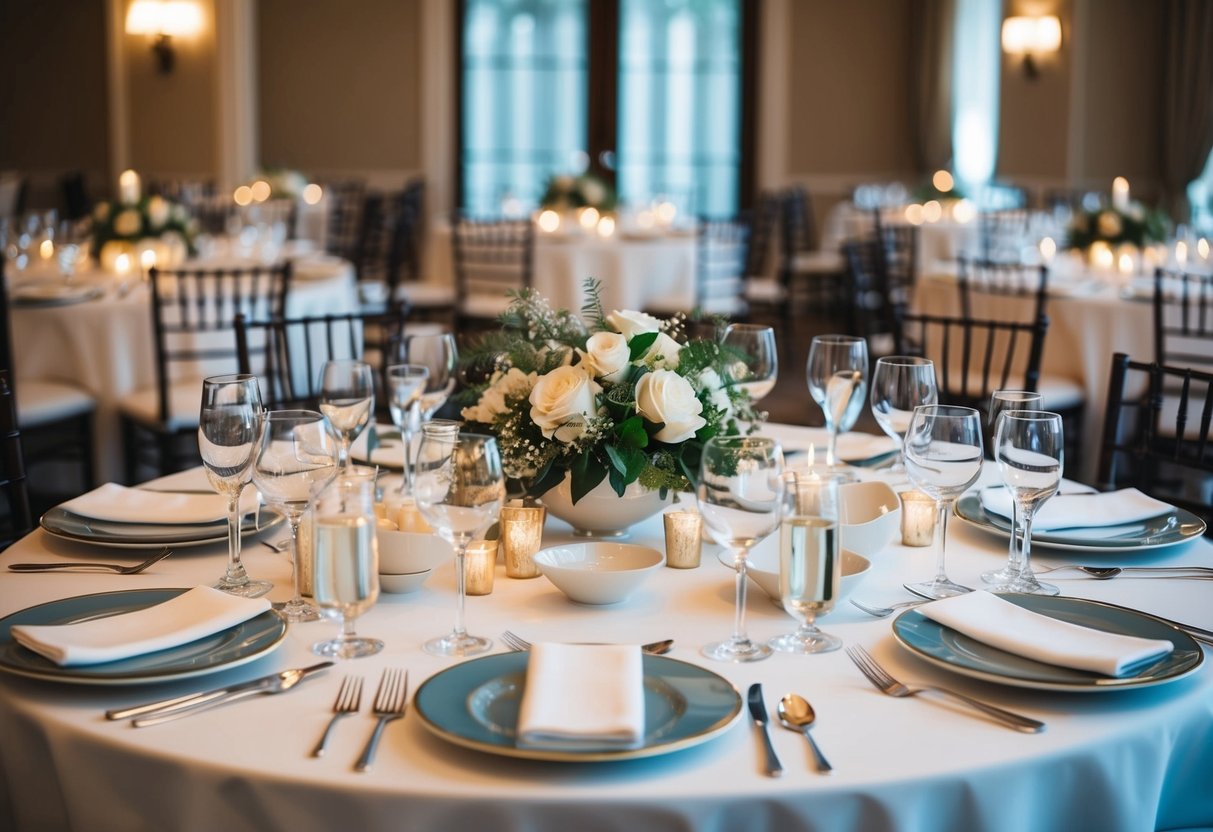
When planning your wedding reception, think about your guest count and dietary preferences.
A diverse selection can cater to different tastes and dietary needs, making your celebration more inclusive. Offering options like vegetarian or gluten-free dishes shows consideration for your guests and enhances their experience.
The right balance of variety and quantity can make your wedding memorable. With thoughtful planning, your menu can perfectly complement your special day and keep your guests happy and engaged.
Determining the Size of Your Wedding Reception
When planning your wedding reception, you need to think carefully about guest count and portion sizes. These factors will help ensure your guests have enough to eat while staying within your budget.
Assessing Guest Count and Venue Capacity
Start by making a guest list. This is crucial as it helps you understand how many people you’ll be serving. Knowing your guest count also influences your choice of venue.
Check the venue’s capacity to ensure everyone can fit comfortably. You don’t want your guests feeling cramped during the celebration.
If your budget allows, consider inviting a few extra people. This can help accommodate any last-minute changes.
Understanding Portion Sizes and Appetites
Portion sizes play a significant role in planning your wedding catering. For example, a typical serving of the main course is about 8 ounces per guest.
If you’re offering side dishes, three options are ideal. Aim for 4-6 ounces per side to keep servings reasonable.
Think about your guests’ appetites as well. Some may eat more, especially if you have a buffet. Balancing portion sizes with your budget ensures everyone enjoys the meal without waste.
Crafting Your Wedding Menu
Creating the perfect wedding menu involves careful thought and planning. You want your guests to enjoy a delightful variety of dishes while considering their dietary needs. Here’s how to make your menu shine.
Choosing the Right Appetizers
Start with appetizers that appeal to a range of tastes. Popular options include bruschetta, stuffed mushrooms, and mini spring rolls. These bite-sized dishes not only please the palate but also encourage mingling among guests.
Consider offering at least three different appetizers. This will cater to various preferences and dietary restrictions.
For example, if you have vegetarian guests, include a meat-free option like caprese skewers. Also, think about presentation; attractive platters can enhance the dining experience and make your wedding feel extra special.
Selecting Entrees and Main Courses
When it comes to entrees, you want to provide choices to keep everyone happy. A good rule of thumb is to offer two to three main courses.
Think about crowd-pleasers, such as beef tenderloin, roasted chicken, and a flavorful vegetarian pasta dish.
To accommodate dietary restrictions, make sure to label each dish clearly. This helps guests know what they can enjoy without worry.
If you’re planning a plated meal, try to ask guests for their choices in advance to make service smoother. This will help prevent any surprises and ensure everyone has a delicious meal.
Incorporating Salads and Side Dishes
Salads and side dishes are an essential part of your menu. They provide balance and can elevate your meal.
Include a mixed green salad, which typically features a variety of vegetables and a choice of dressings.
For side dishes, consider options like garlic mashed potatoes, seasonal vegetables, or a rice pilaf.
Aim for color and texture variety on the plate. If you want to be creative, consider offering local or seasonal ingredients that reflect the time of year.
By focusing on taste and presentation in each course, you can create a memorable wedding meal that guests will love.
Styles of Wedding Catering
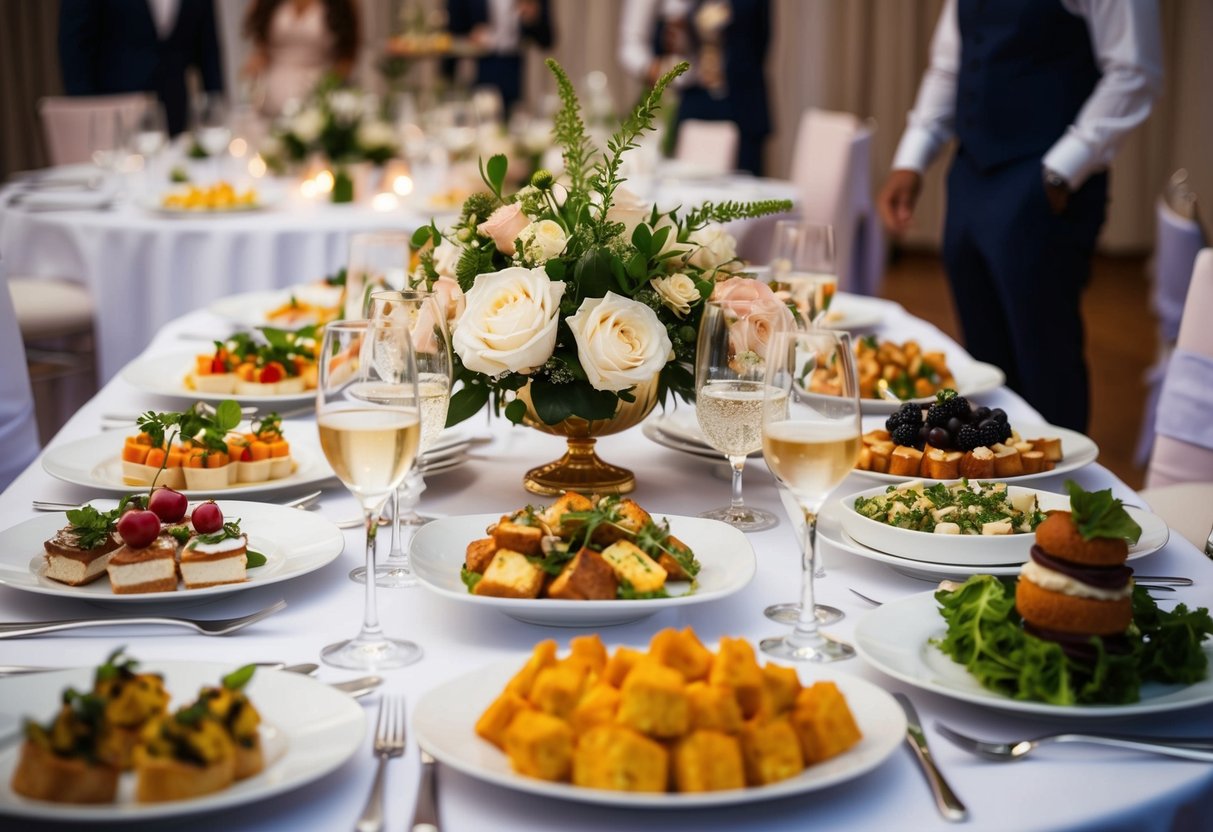
Choosing the right style of catering for your wedding is important. Different options offer various experiences and atmospheres for your guests. Here are some popular styles you’ll want to consider.
Buffet-Style Wedding Reception
A buffet-style reception lets guests serve themselves. This offers a relaxed and casual vibe, allowing guests to choose what they like from a variety of dishes.
You can include several options, from salads to entrees and desserts. Consider including a mix of cuisines to appeal to different tastes.
Buffet catering can often be more cost-effective, as you may save on service staff.
Keep in mind, though, you will need adequate space for food stations. Also, having a clear layout will help guests move easily.
It’s a great way to promote mingling and make your wedding feel warm and welcoming.
Plated Meal Elegance
A plated meal provides a touch of elegance. This style typically includes a three-course meal: an appetizer, an entrée, and dessert.
Each guest is served at their table, creating a formal dining experience. Plated meals can make a strong impression and suit grand venues.
This option can be tailored around your wedding theme. For example, you can choose a gourmet menu that reflects your tastes.
While it can be pricier because of staffing needs, the experience can be memorable for you and your guests. It adds to the overall sophistication and charm of the event.
Casual Barbecue and Family-Style Options
If you prefer a laid-back atmosphere, consider a casual barbecue or family-style meal. These options are perfect for outdoor weddings or casual settings.
A barbecue menu might include burgers, hot dogs, and grilled vegetables. It’s relaxed and fun, making it easy for guests to enjoy themselves.
Family-style meals are another great choice. You can serve large platters of food for guests to share. This encourages conversation and a sense of community among your guests.
Both options allow you to showcase your personality, making the day feel unique. They often make for a fun and memorable dining experience.
The Final Touch: Desserts and Wedding Cake
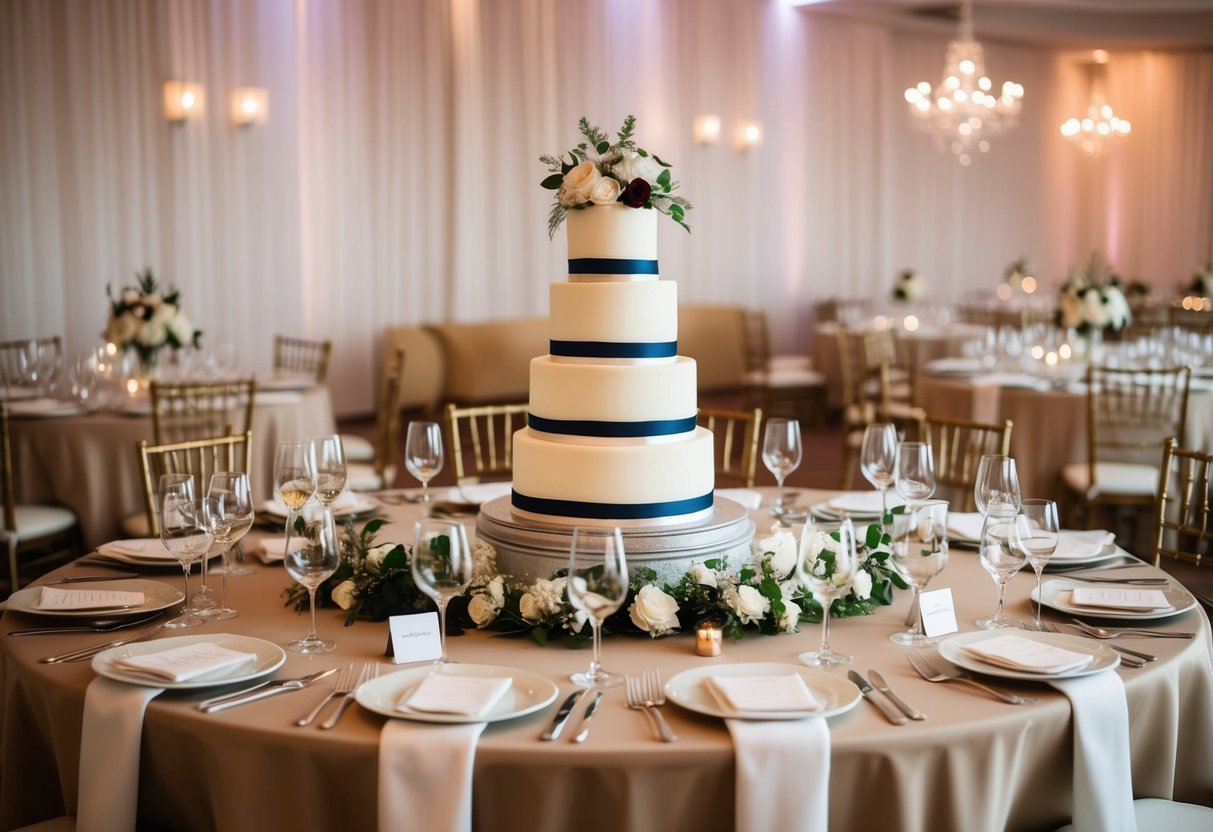
Desserts and the wedding cake are essential elements that add sweetness to your special day. Choosing the right cake and dessert options not only pleases your guests but also reflects your personal taste and style.
Selecting a Signature Wedding Cake
Your wedding cake is often the centerpiece of the dessert table. When selecting a cake, think about flavors that you and your partner love.
Consider classic options like vanilla or chocolate, or go for something unique like red velvet or lemon.
Size matters too. A standard serving size is about 1″ x 2″ x 4″. For 60 guests, you’ll need a cake with at least 60 servings.
Incorporating a personal touch, like a custom topper or edible flowers, makes it even more special.
Don’t forget to discuss dietary requirements. Ensure gluten-free or vegan options are available for those who may need them.
Trending Dessert Choices
Beyond the wedding cake, adding a variety of desserts can make your celebration even more delightful.
Trending choices include cupcake towers, mini cheesecakes, and dessert shooters. These options not only add elegance but also give guests a chance to sample different flavors.
Consider having a charcuterie board filled with sweet treats like chocolate-covered strawberries, macarons, and assorted candies. This adds a casual and fun touch to your dessert offerings.
You might also think about a dessert buffet, where guests can pick and choose their favorites.
Dessert Portion Considerations
Planning dessert portions can be simple and effective. A good rule of thumb is to aim for one slice of cake and 1-2 mini desserts per person. If you’re having a later reception, guests may expect more substantial desserts, so plan accordingly.
Don’t forget to account for any guests with dietary restrictions. Offering gluten-free, nut-free, or vegan desserts ensures everyone can enjoy a sweet treat. With proper planning, your dessert table can be both beautiful and inclusive, leaving your guests happy and satisfied.