
How Many Do You Cater For at a Wedding? Tips for Planning Your Guest List
Planning a wedding involves many details. Figuring out how many guests to cater for can feel overwhelming. A good rule of thumb is to plan for about 75% of your invited guests to actually attend the event. This figure helps you avoid both waste and shortages, ensuring your celebration is a hit with everyone.
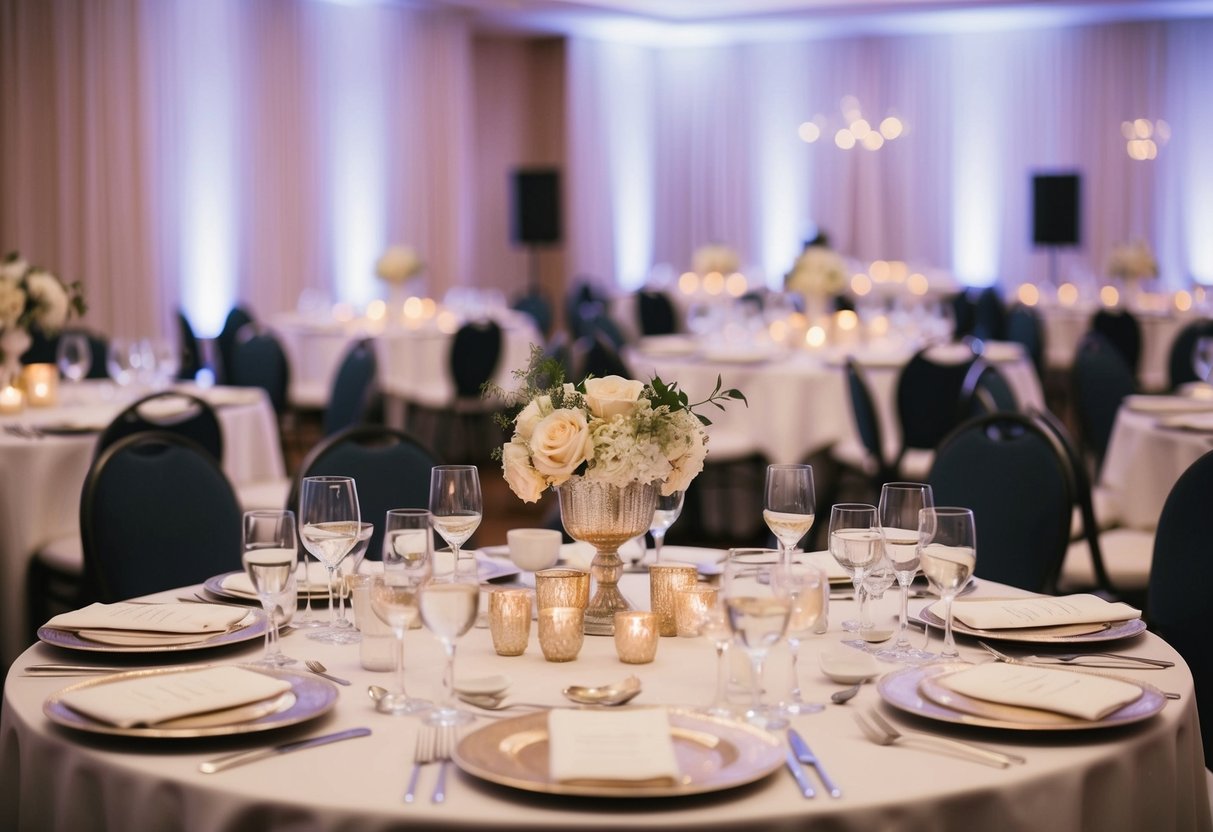
The timing of your wedding can also influence your guest count. For example, if your reception is during dinner time, you might want to cater more food than if it’s just a light snack after a ceremony. Knowing your guests and their preferences can further guide your decisions.
In this article, you’ll find tips and guidelines to help you estimate the right amount of food to serve. You’ll also discover how to factor in drinks and other snacks, making your wedding menu a success.
Understanding Wedding Catering
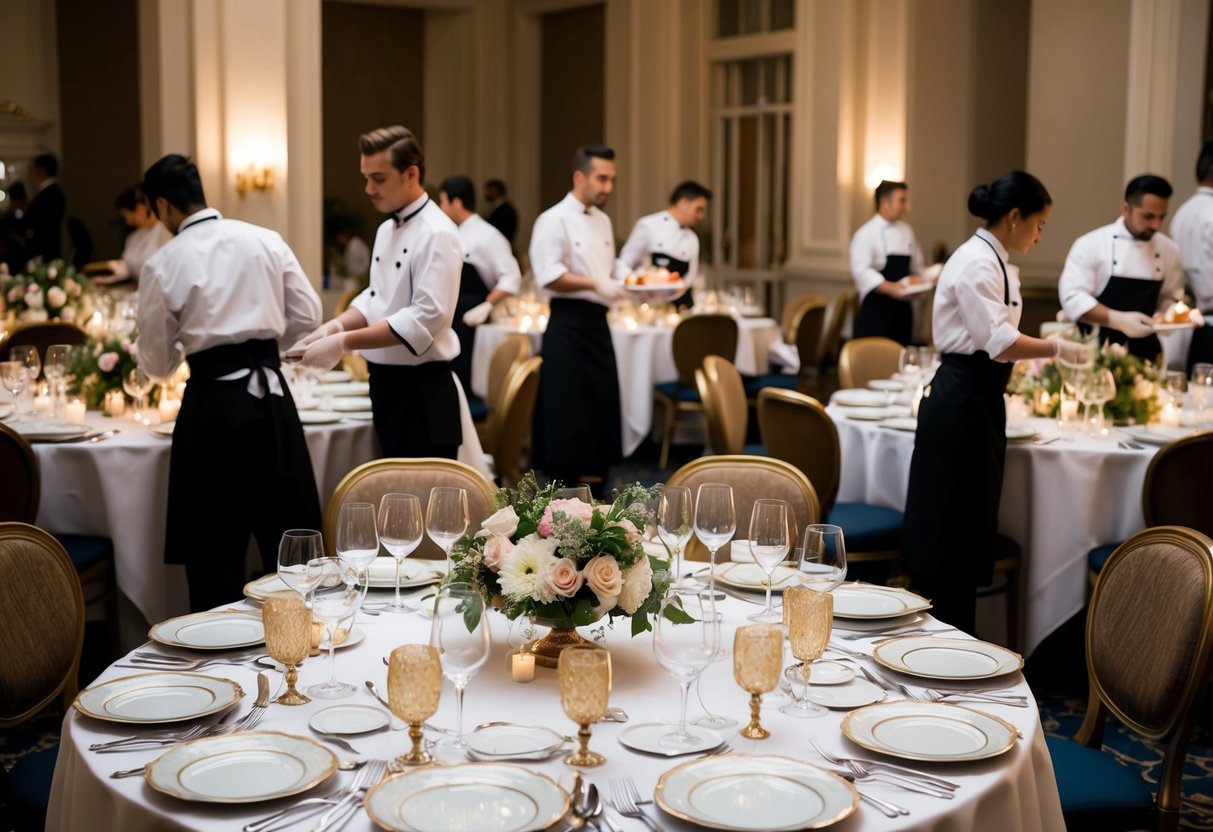
When planning your wedding, catering plays a vital role in creating a memorable dining experience for you and your guests. Knowing how many guests to cater for and understanding dietary needs ensure everyone enjoys the meal.
The Role of a Caterer
A caterer is responsible for preparing and serving food at your wedding. They handle everything from menu planning to setting up and cleaning after the event. Choosing the right caterer can make a big difference in your wedding experience.
Before hiring, ask about their experience with weddings and any special services they offer. Some caterers provide tastings, which can help you decide on the menu. It’s also important to discuss serving styles—whether you prefer a buffet, seated dinner, or food stations.
Ensure you communicate your preferences clearly to your caterer. This way, they can create a menu that fits both your taste and budget. A good caterer will work with you to make the dining experience enjoyable for all your guests.
Dietary Requirements and Dining Experience
Understanding dietary requirements is key for a successful wedding catering. You’ll want to know if any guests have allergies or specific dietary needs, like vegetarian, vegan, or gluten-free options.
When gathering RSVPs, include a section for dietary restrictions. This information helps your caterer create a balanced menu that accommodates everyone. A diverse menu enhances the dining experience, keeping guests happy and satisfied.
Consider offering a variety of dishes to appeal to different tastes. This could include appetizers, main courses, and dessert options. You can even have fun with food stations or themed cuisines to create a unique experience for your guests.
Planning Your Guest Count
Planning your guest count is a key part of organizing your wedding. Knowing the right number of guests helps you with budgeting, catering, and venue selection. A smart approach includes accurate calculations and considering RSVPs.
Calculating the Accurate Guest Count
To get your guest count right, start with a list of everyone you’d like to invite. Include local guests and out-of-town guests to ensure no one is missed. A common formula is to start with a base number and adjust based on relationships.
Base Categories:
- Immediate Family: Parents, siblings, and their families.
- Close Friends: Those you see often and share special moments with.
- Extended Family: Aunts, uncles, cousins, etc.
Consider factors like who you genuinely want at your celebration. Use tools like Eventbrite to help track your estimated guest count. It can simplify the process and provide reminders.
RSVPs and Event Planning
Once invitations go out, track RSVPs closely. Keep a spreadsheet or use an event planning app for updates. This helps you stay organized as guests respond.
Set a deadline for RSVPs. This allows you to finalize numbers for your caterer and venue. Be prepared for a few last-minute changes, as some guests may not respond or may need to cancel later.
Always plan for some extra food, just in case. It’s better to have a little too much than not enough. Knowing how to handle RSVPs makes your event planning smoother and ensures everyone enjoys themselves.
Selecting the Right Service Style
Choosing the right service style is key to creating the atmosphere you want at your wedding. It affects how your guests interact during the meal. Here are two popular options to consider.
Buffet Style vs. Sit-Down Dinner
Buffet style offers variety and flexibility. Guests can choose what they want and how much. This setup encourages mingling and is often more casual. It’s great for larger weddings where guests may have different tastes.
In contrast, a sit-down dinner provides a formal dining experience. Each guest is served a plated meal. This style can feel more intimate, allowing everyone to focus on the meal without distractions. For formal weddings or smaller gatherings, a sit-down dinner can elevate the experience.
Wedding Breakfast and Family-Style Options
A wedding breakfast typically includes lighter fare served early in the day. Options can range from pastries to brunch favorites like eggs and bacon. This style is perfect for daytime weddings and encourages a relaxed atmosphere.
Family-style serving is a blend of buffet and sit-down. Dishes are placed on the table for guests to share. This creates a sense of togetherness and can be more personal. It’s ideal for those who want a warm and cozy environment while keeping the meal interactive.
The Wedding Reception Team
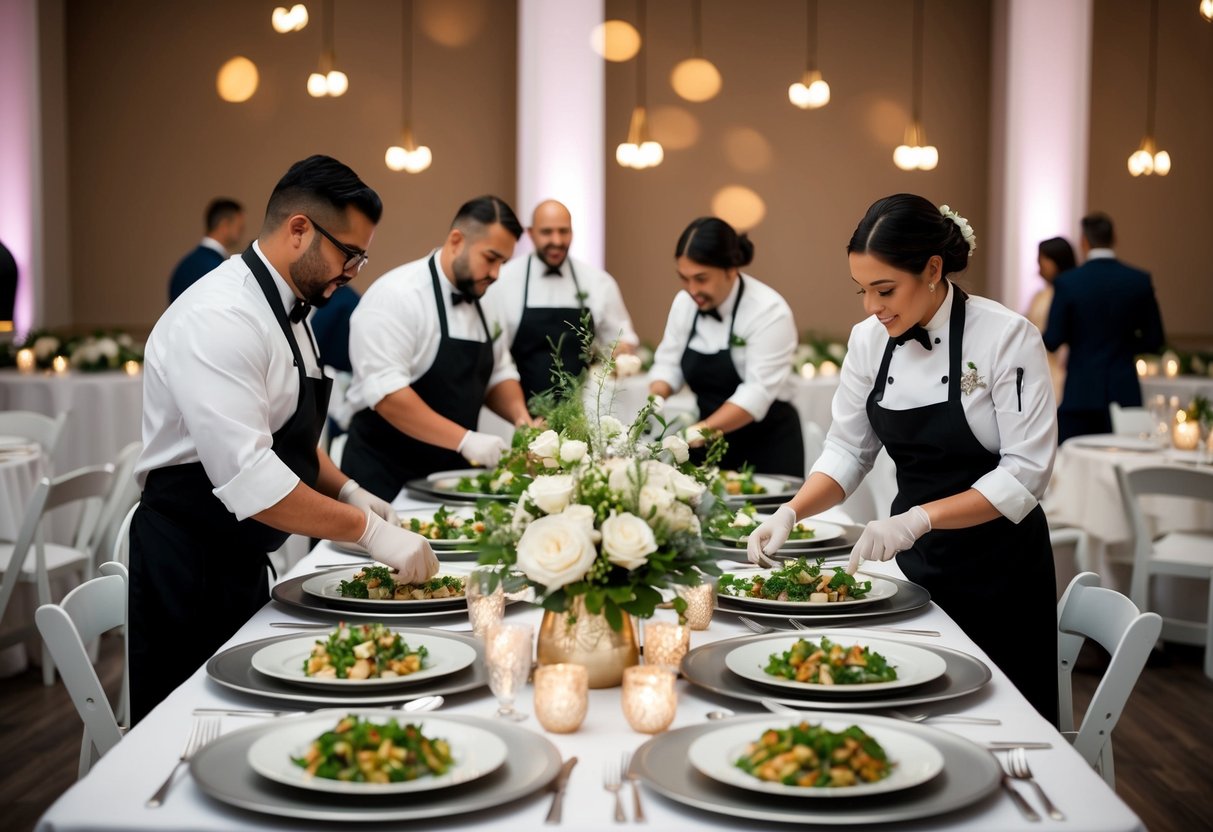
Having a reliable and skilled wedding reception team is key to ensuring everything runs smoothly. This includes servers, bartenders, and support staff who will cater to your guests’ needs, making the event enjoyable for everyone.
Servers, Bartenders, and Support Staff
Your wedding reception will benefit greatly from a well-organized team of professionals. Servers are essential for delivering food and ensuring guests have what they need. They should know the menu and be ready to help with any special requests.
Bartenders serve drinks and maintain the bar area. A skilled bartender not only prepares cocktails but can also engage with guests to keep the atmosphere lively. It’s helpful to have a barback to assist the bartender by restocking supplies and keeping the bar clean.
Don’t overlook the role of support staff, like hired bussers, who clear tables and ensure the dining area remains tidy. Good communication among all team members is vital for smooth service. Consider hiring a captain to oversee the logistics and make sure everything flows according to plan.
Efficiency and Workflow
When planning your reception, you need to prioritize efficiency. A well-prepared team can prevent delays that might disrupt the experience.
Discuss your schedule with the catering company to ensure everyone knows their roles. This includes when to serve dinner, when to pass appetizers, and how to manage drink refills.
Creating a workflow plan can help reduce confusion. For instance, decide how servers will approach each table for food service. Make sure bartenders have a clear system for drink orders to keep lines moving.
This approach will enhance service speed and guest satisfaction.
Good organization before the big day makes a huge difference. With a prepared team in place, you can focus on enjoying your wedding with your guests, knowing that everything is taken care of.